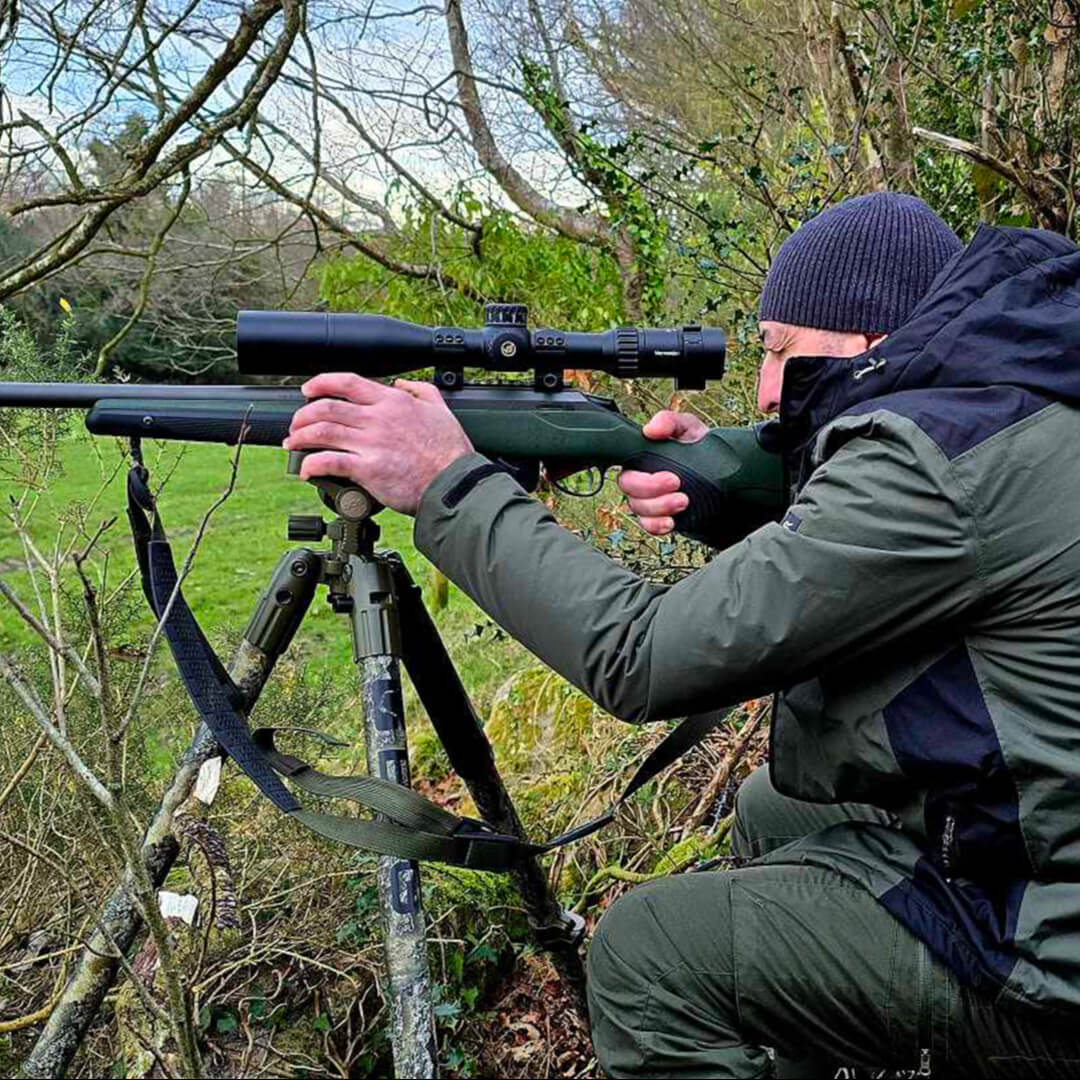
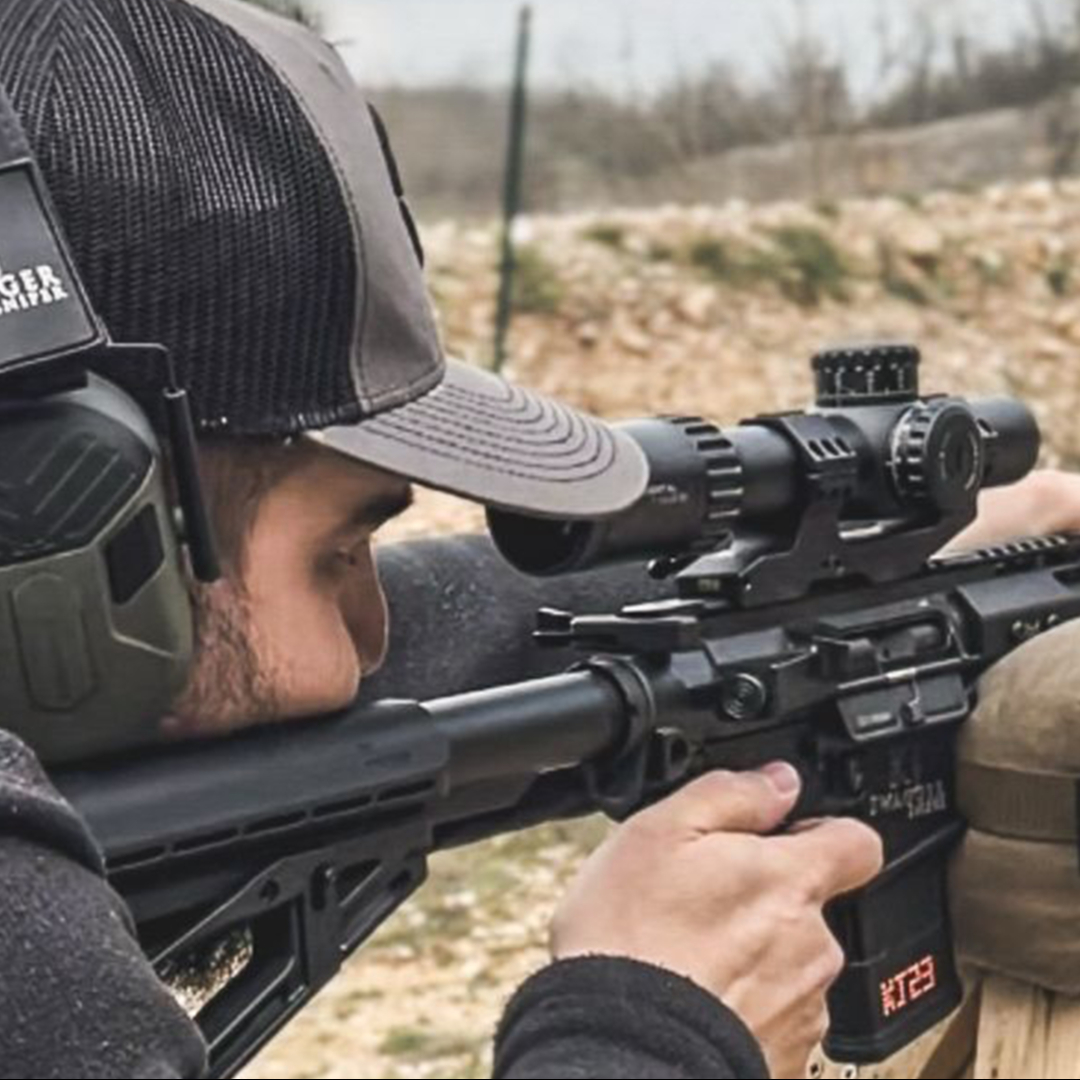
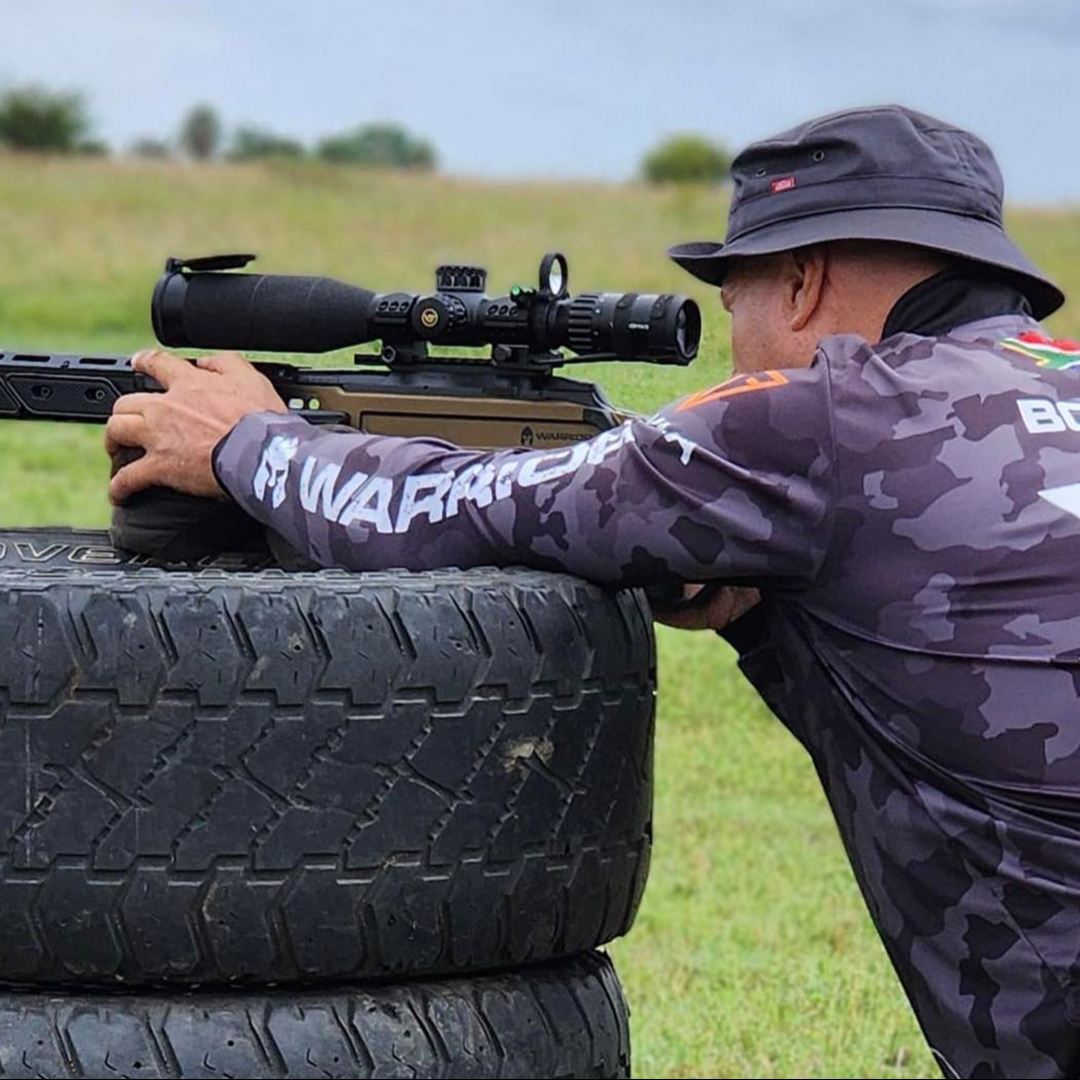
Varmint hunting is one of the most demanding disciplines in shooting sports. A varmint refers to small animals that prey on livestock, damage crops, or pose threats to public health and ecosystems. Varmint hunting primarily aims to control populations of these pests to prevent property damage and health risks. Common varmint hunting targets include groundhogs, woodchucks, prairie dogs, coyotes, and foxes.
Because varmints are small, wary, and often shot at 100–300 yards, choosing the best rifle scope for varmint hunting matters just as much as choosing the right rifle. In this guide, we break down exactly what features a good varmint hunting scope should have — and recommend the latest Vector Optics scopes built for the job.
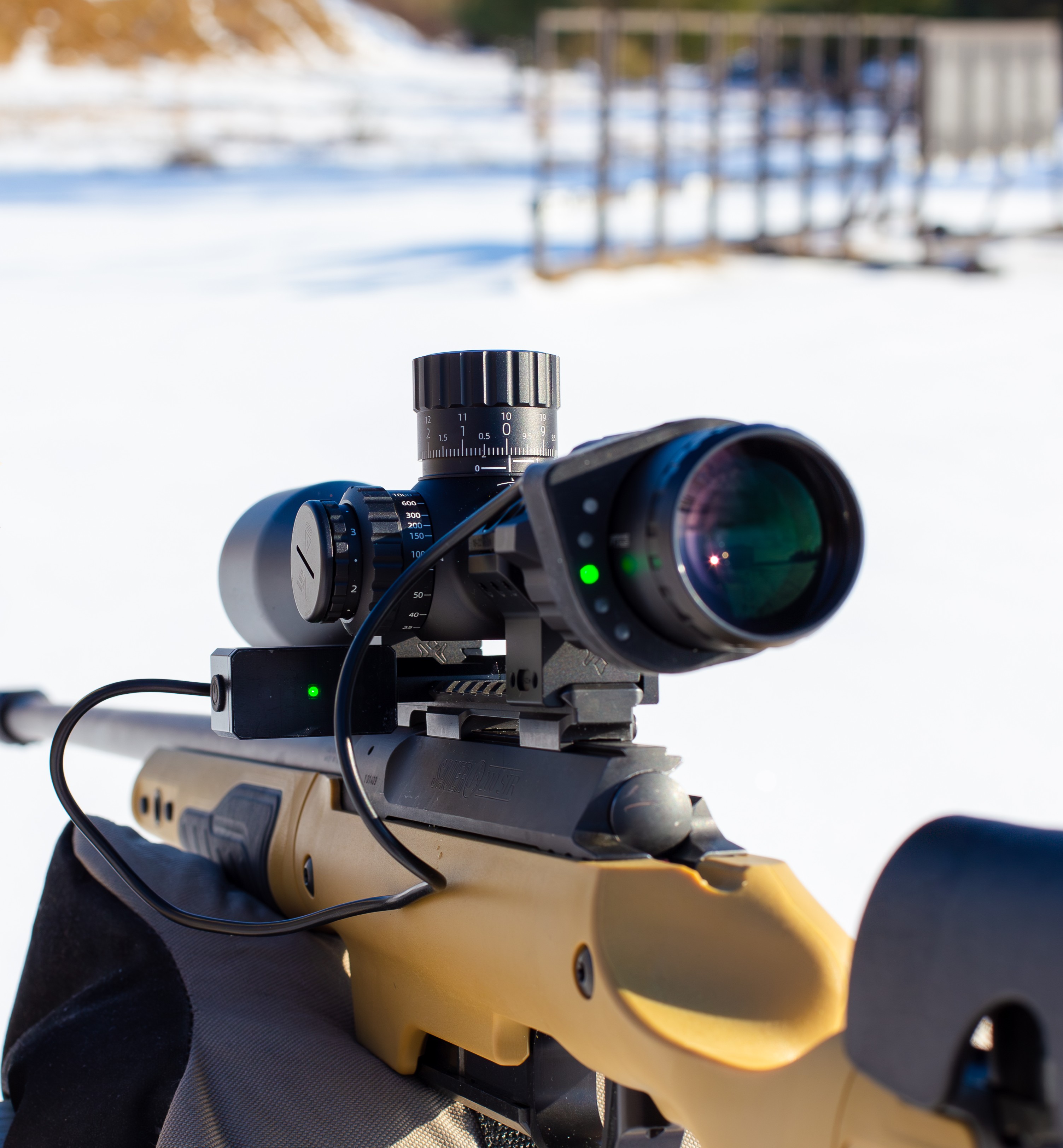
1. What Animals and Distances Are Involved in Varmint Hunting?
Prairie Dogs and Groundhogs: Due to their small size and tendency to stay at a distance, these targets require precise long-range varmint shooting. Hunters commonly use rimfire or centerfire rifles — such as .17 HMR, .204 Ruger, or .223 Remington — for ranges between 100 and 300 yards, with the average shooting distance typically falling between 120 and 130 yards.
Coyotes and Foxes: When hunting these cautious predators, distances can vary widely. predator calling setups usually engage targets from 100 to 300 yards, depending on visibility, terrain, and the rifle's capabilities. A versatile coyote hunting scope needs a wide magnification range to cover both close brush shots and open-field shots.
Time: Generally, early morning and late evening remain the optimal times for varmint hunting. Occasionally, hunters may need to hunt at night since some pests are nocturnal — which makes low-light optical performance and illuminated reticles especially valuable.
2. What Features Should the Best Varmint Hunting Scope Have?
2.1 Focal Plane: FFP or SFP — Which Is Better for Varmint Hunting?
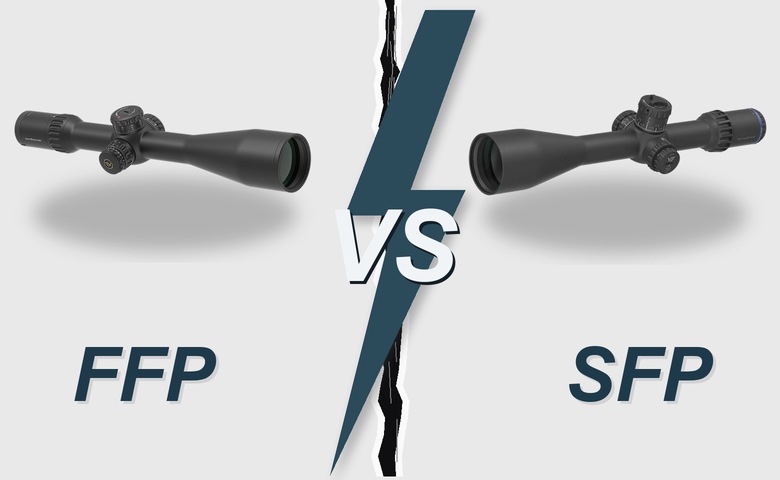
Both FFP (First Focal Plane) and SFP (Second Focal Plane) scopes work well for varmint hunting, depending on how and where you shoot. FFP scopes provide the tactical advantage needed for precise, long-range varmint shooting: the reticle scales with magnification, so holdovers stay accurate at any power — ideal if you engage coyotes and foxes at unknown, constantly changing distances. If you tend to shoot at known distances within close to mid-range, an SFP scope keeps the reticle size constant regardless of magnification and usually offers a finer, cleaner aiming picture.
For varmint hunting within 300 yards, SFP scopes are typically adequate and efficient. However, FFP scopes may offer enhanced precision for longer shots over 200 yards, which is crucial for ensuring a clean, one-shot kill and reducing the chance of an animal escaping. Ultimately, the best focal plane for varmint hunting depends on your typical engagement distance and personal preference.
2.2 Magnification: 3-12x, 4-16x, or 6-24x?
For varmint distances ranging from 50 to 300 yards, we recommend scopes with low to medium magnification — specifically 3-12x, 4-16x, and 6-24x. A 6-24x scope gives tiny prairie dogs the image scale they demand at long range, while a 3-12x or 2-10x scope maintains a broad field of view for tracking moving coyotes and fast follow-up shots. Variable power also matters at dawn and dusk, when every bit of brightness counts.
Interested in shooting at greater distances? See how optics requirements change in our long-range precision shooting guide.
2.3 Reticle: Illuminated Etched Glass with Simple BDC
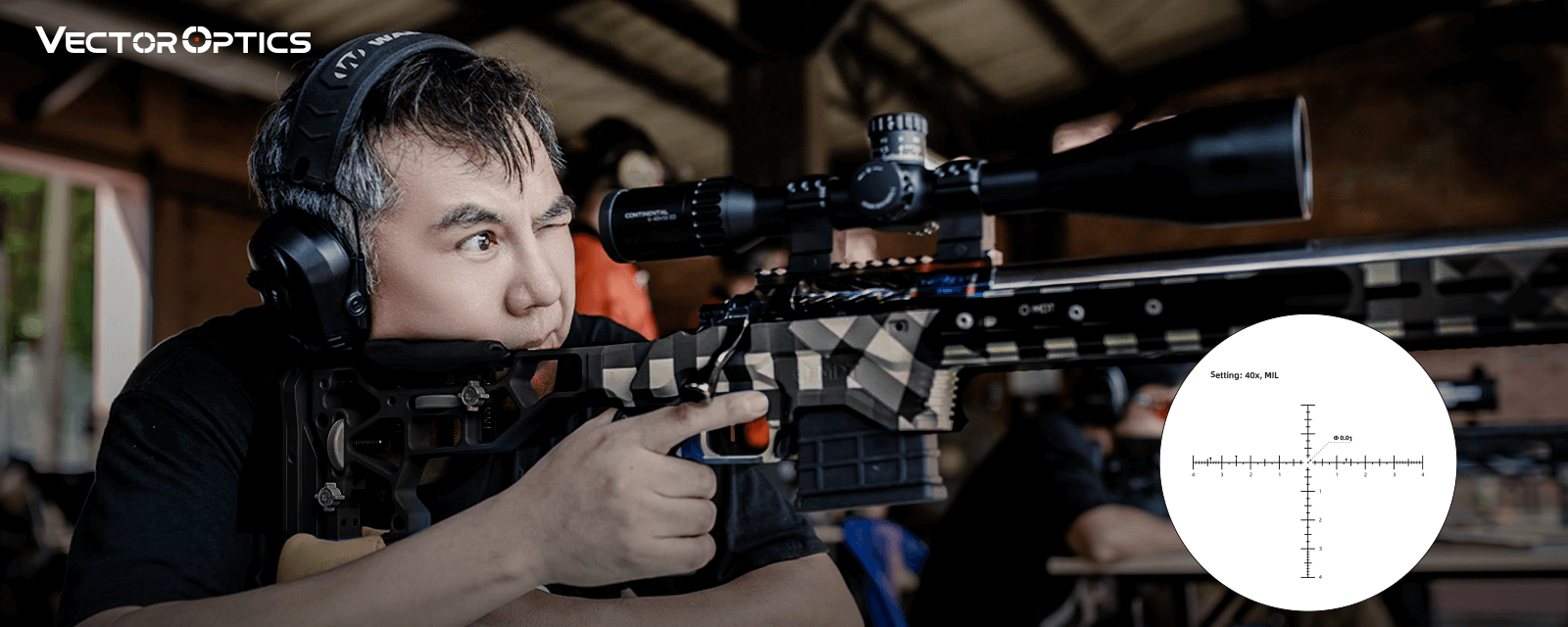
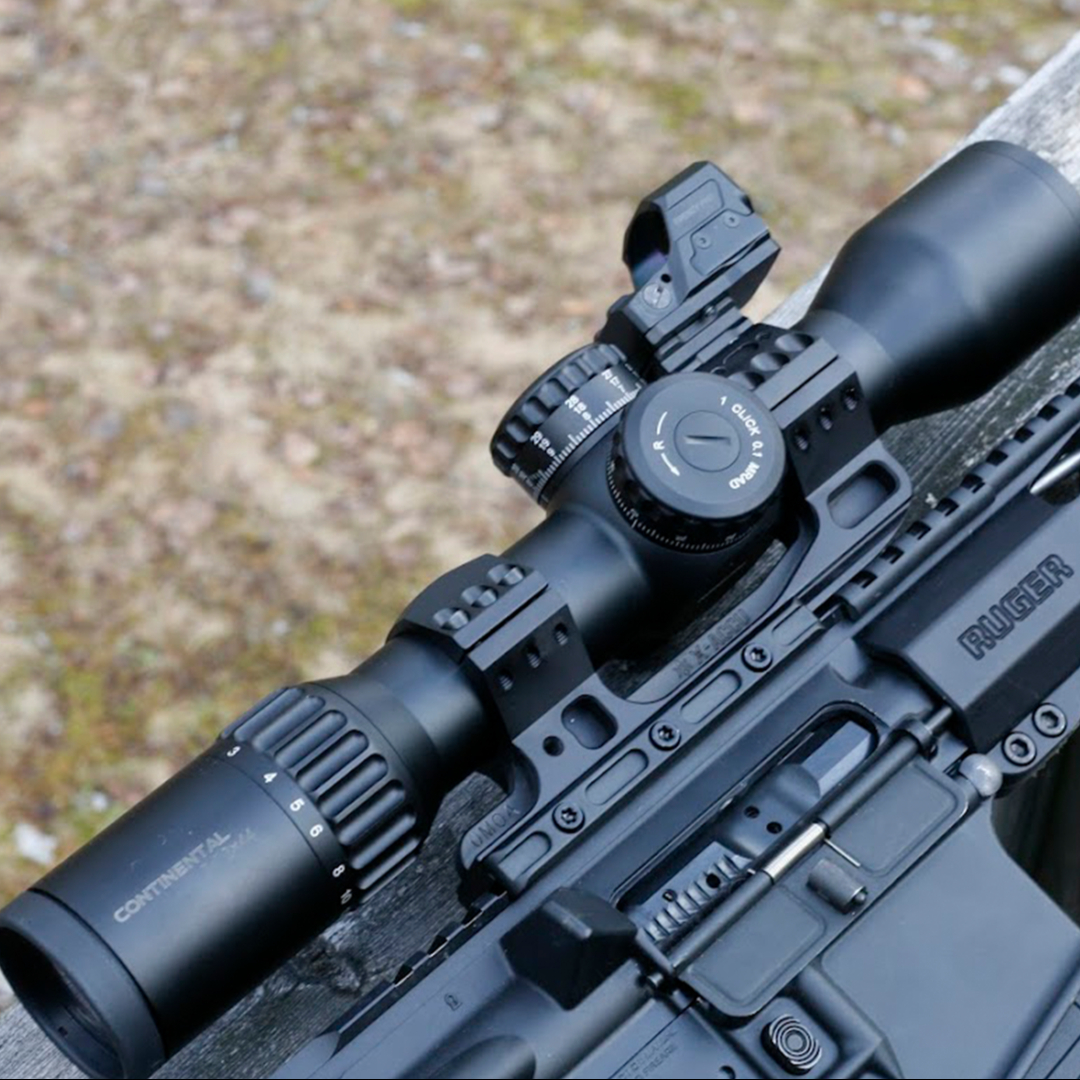
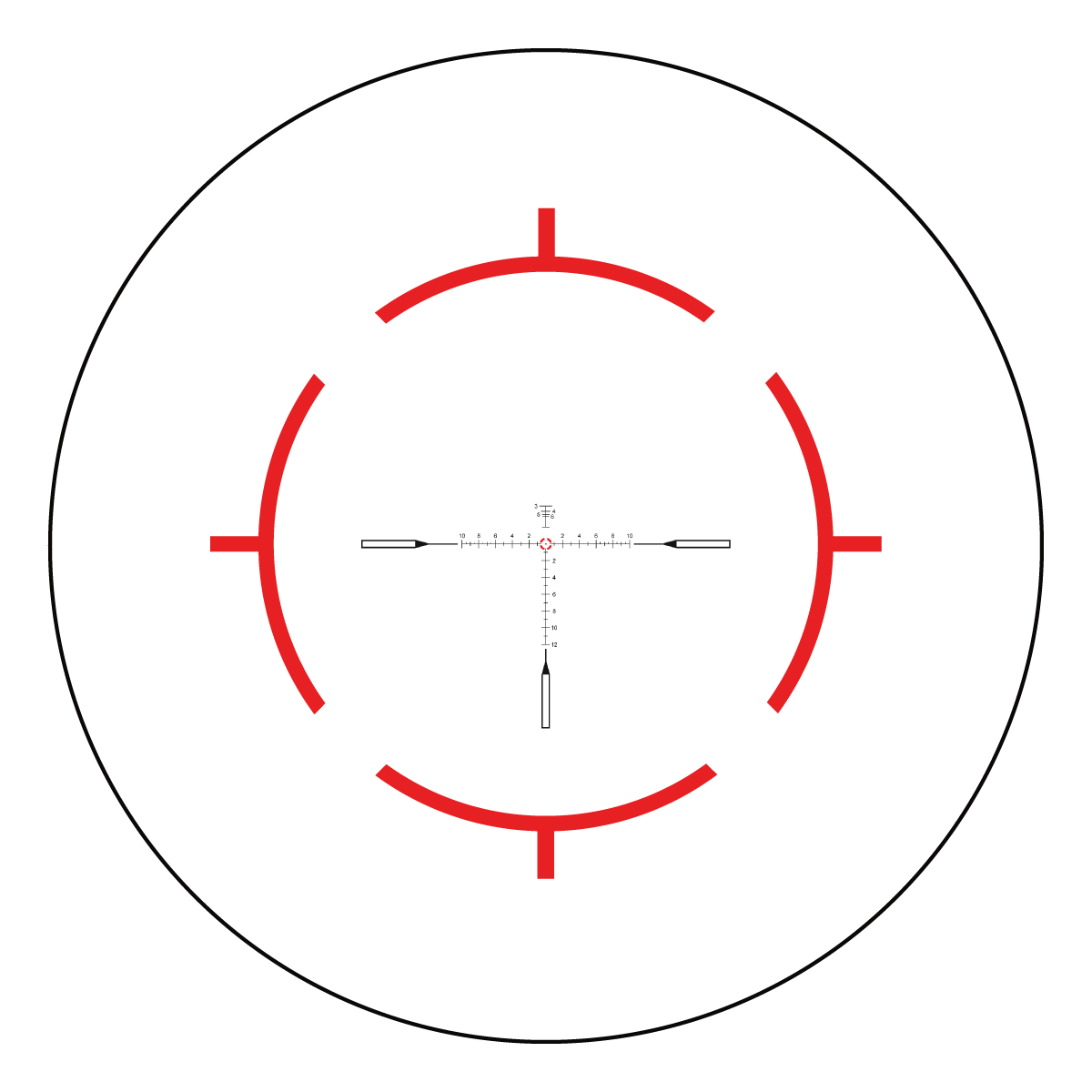
Center dot illuminated etched glass reticles with simple BDC (bullet drop compensation) are highly recommended for varmint hunting. Etched glass reticles are highly durable and capable of withstanding heavy recoil, and they enable intricate reticle patterns that assist shooters in calculating bullet drop. A small illuminated floating center dot (for example, a fine 0.08 MIL dot) sharpens your aim point on small targets — a prairie dog head at 200 yards — and improves visibility in low-light conditions. MIL-based reticle patterns also support ranging and BDC holdovers, which should be enough for precise varmint shooting within 100 to 300 yards.
Fiber-optic reticles improve visibility in diverse lighting conditions by providing a brightly illuminated center dot. However, the primary limitation of fiber-optic reticles lies in their restriction to simpler designs, typically the G4 pattern.
From simple G4 patterns to detailed MIL reticles, each design has its strengths. Explore how to choose the right scope reticle for different shooting scenarios.
2.4 Light Transmission: HD Glass Matters at Dawn and Dusk
Given that varmints are most active in the early morning or late afternoon under dim lighting conditions, it is recommended to use a varmint hunting scope with high light transmission and HD glass. Upgraded LaREE HD glass (made with Lanthanide Rare Earth Element lenses) combined with fully multi-coated (FMC) lenses delivers a brighter, sharper, and more vivid image, enabling hunters to resolve fine detail at long distance even in low light and execute precise shots.
2.5 Recoil and Durability
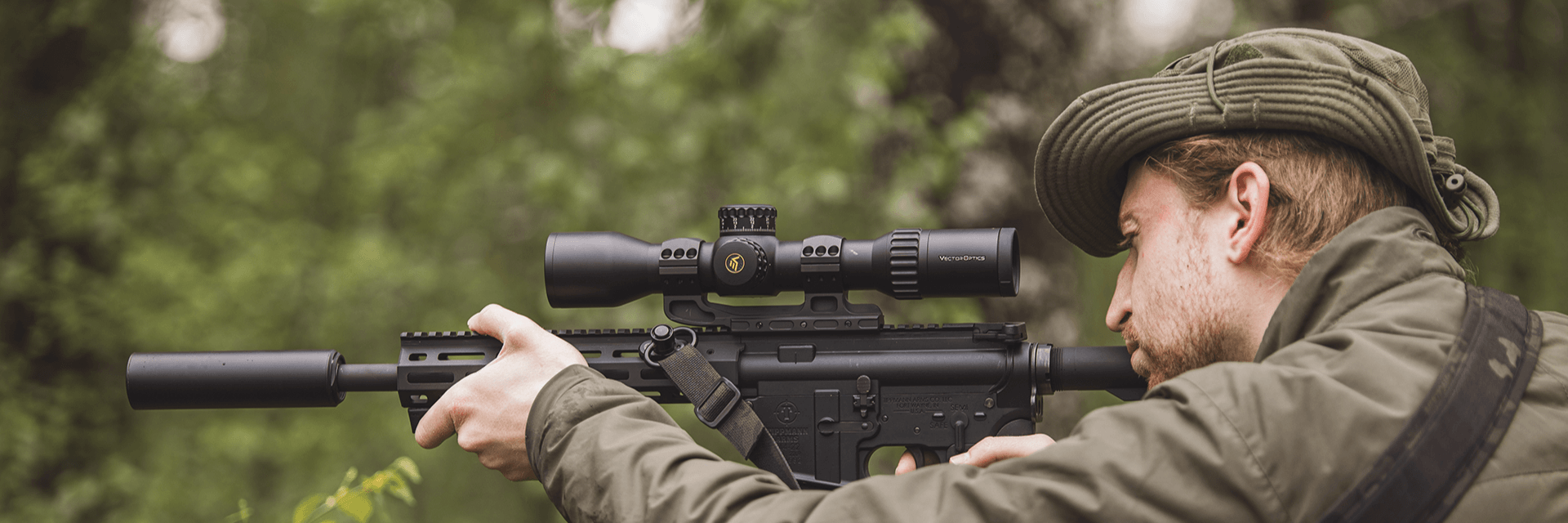
For varmint hunting with lighter calibers like .22 LR, .17 HMR, or .223 Remington, the recoil is typically less intense than with larger rifles. It is still crucial to select a scope robust enough to withstand the specific recoil levels of your firearm — especially on AR-platform rifles and PCP airguns. All scopes from Vector Optics are built to withstand over 750G of recoil and feature IP56 waterproofing, so you don't need to worry about this part when picking a varmint hunting scope.
Using an AR-platform rifle? Our AR-15 scope selection guide covers optic choices for varmint hunting and other shooting applications.
2.6 Weight: Compact and Lightweight Wins
Typically, scopes weighing between 12 to 24 ounces (340 to 680g) are ideal for small game hunting and varmint hunting, where hunters frequently move or cover long distances on foot. A compact, lightweight varmint scope — around 240 to 280 mm in length — strikes the optimal balance between durability, portability, and handling, and also suits AR-platform and PCP setups where rail space is limited.
2.7 Night Vision Devices
Night vision is highly beneficial for hunting varmints, especially since many species are nocturnal and most active at night. Traditional flashlights and other lighting tools can startle nocturnal animals, but night vision devices enable hunters to observe them in darkness without causing disturbance. We will explore more about night vision devices in our upcoming blog posts.
3. Best Vector Optics Scopes for Varmint Hunting (Latest GenII Lineup)
Our latest Veyron GenII series is purpose-built for exactly these application scenarios — Mid-to-Long Range, Small Game Hunting, and Varmint Hunting. Here are the four models we recommend:
Compact optics can be a great fit for hunting setups. Discover more about the Veyron scope series and its approach to lightweight, versatile performance.
4. Final Thought
At the end of the day, varmint hunting is less about the trophy and more about stewardship — protecting crops, livestock, and the balance of the land from the small predators that quietly do the most damage. There's a particular kind of satisfaction in reading the wind across open prairie at first light, settling behind the rifle, and making a clean, ethical shot on a wary prairie dog or coyote at a couple hundred yards. Whether you're thinning groundhogs from the back forty or calling foxes after dark, the hunt rewards patience, marksmanship, and respect for the ground you're working. Go do your part for the land — and enjoy every minute of it.
FAQ
1. When is the best season for varmint hunting?
Varmint hunting is largely a year-round activity, but the best windows depend on the target. Prairie dog towns are most active and visible from late spring through summer, once the grass is short enough to spot them and before the young stay underground; this is also when their colonies do the most crop damage. Coyote and fox calling peaks in late winter and early spring (post-breeding, lighter fur, and hungry animals) and again in fall. Always check your local regulations — some states set specific seasons or allow year-round take on designated nuisance predators.
2. Is varmint hunting legal, and how is it different from pest control?
Varmint hunting sits in a legal gray area that varies by region. Many areas classify animals like coyotes, foxes, and some ground squirrels as unprotected or nuisance species that can be taken year-round without a tag, while others regulate them like game. Prairie dogs, by contrast, are protected as furbearers or game in some states and restricted in others. Pest control usually means lethal take on private land to protect livestock or crops; recreational varmint hunting is the same act done for sport and marksmanship. Know your property boundaries, get landowner permission, and look up the current rules before you go.
3. What gear should I bring besides the rifle and scope?
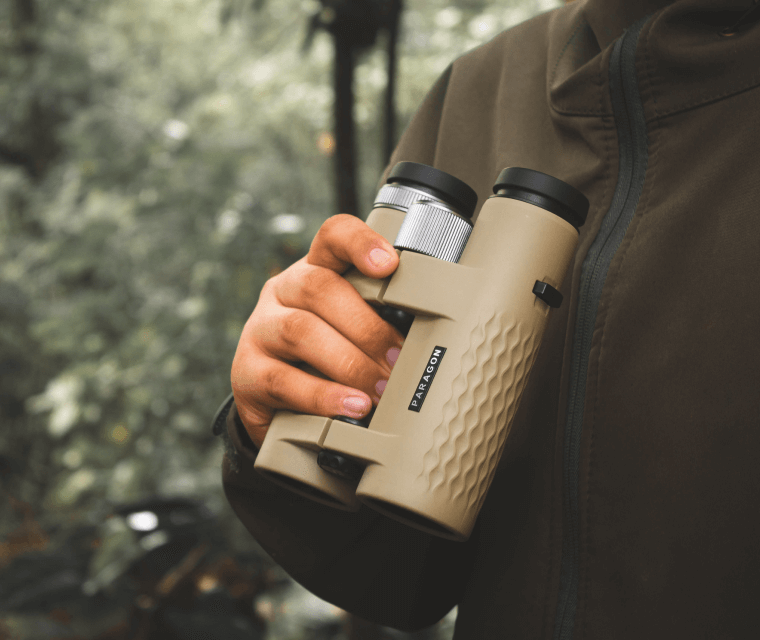
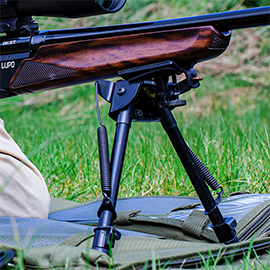
A successful varmint hunt is mostly logistics. Bring a bipod or rear bag for a stable rest, a spotting scope or binos for target ID and hit confirmation, and a rangefinder so you're not guessing at distance. A wind meter, shooting mat, and knee pads make long prone sessions bearable, and calls and decoys (especially for coyotes and foxes) dramatically increase your odds. Don't forget plenty of water, sun protection, and a backpack — you'll often be walking and glassing far from the truck.