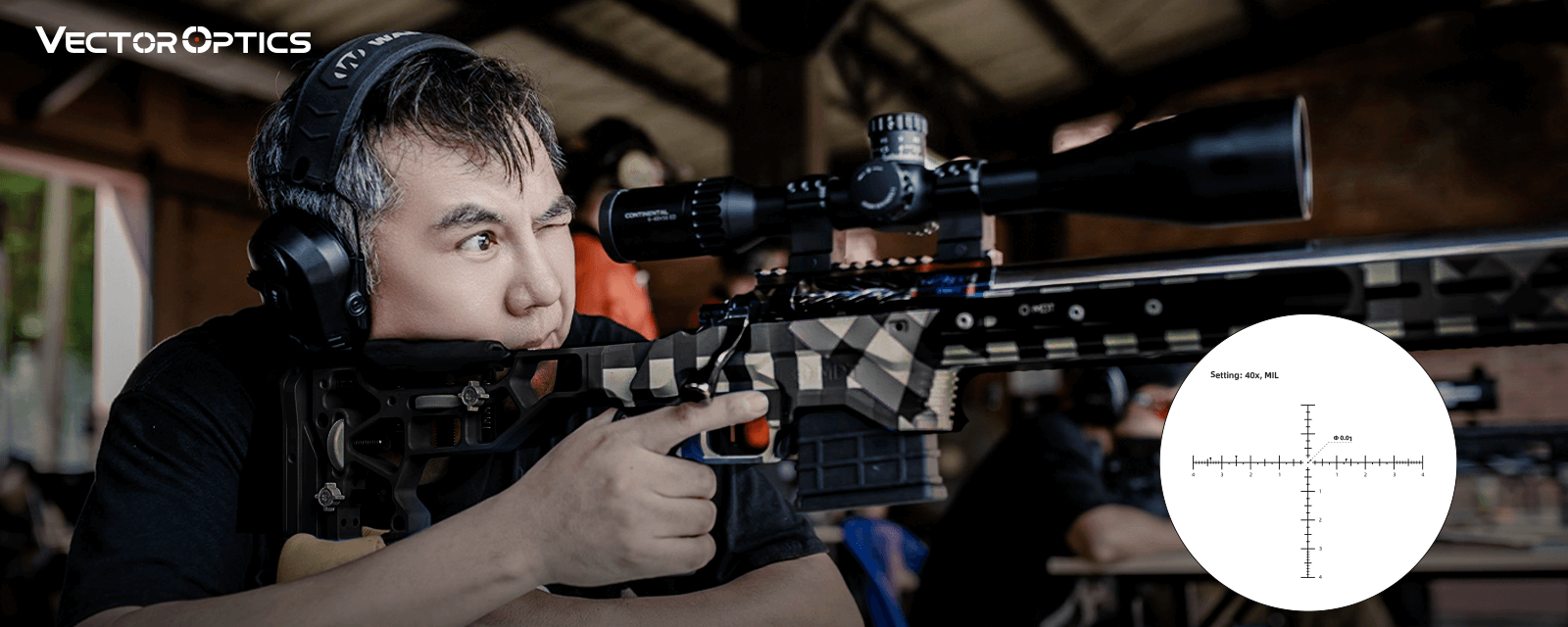
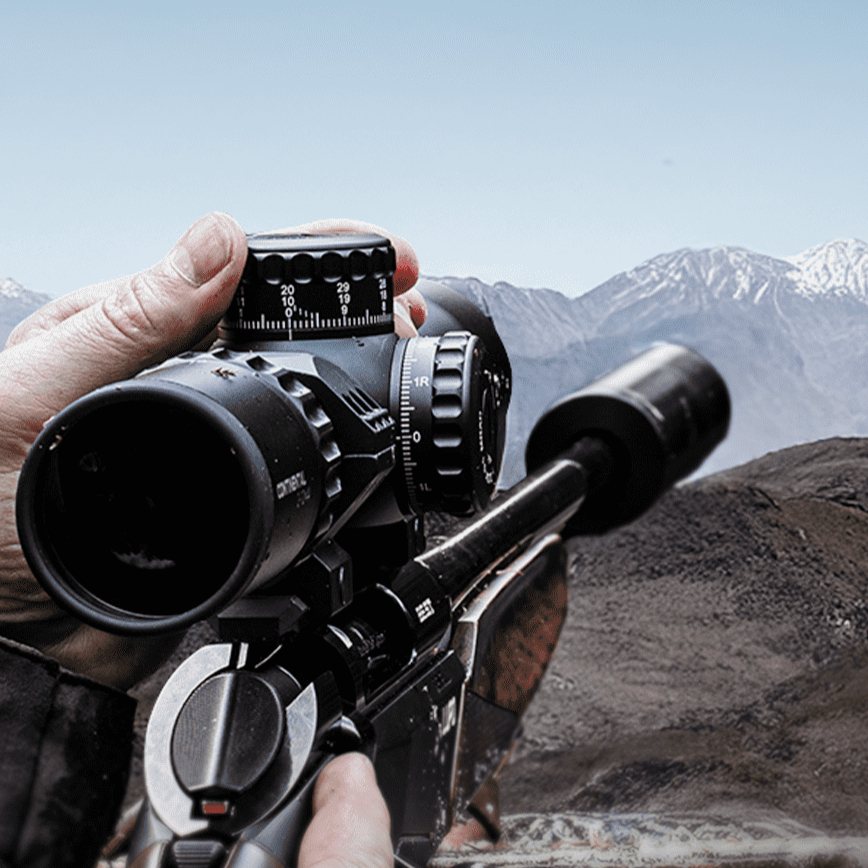
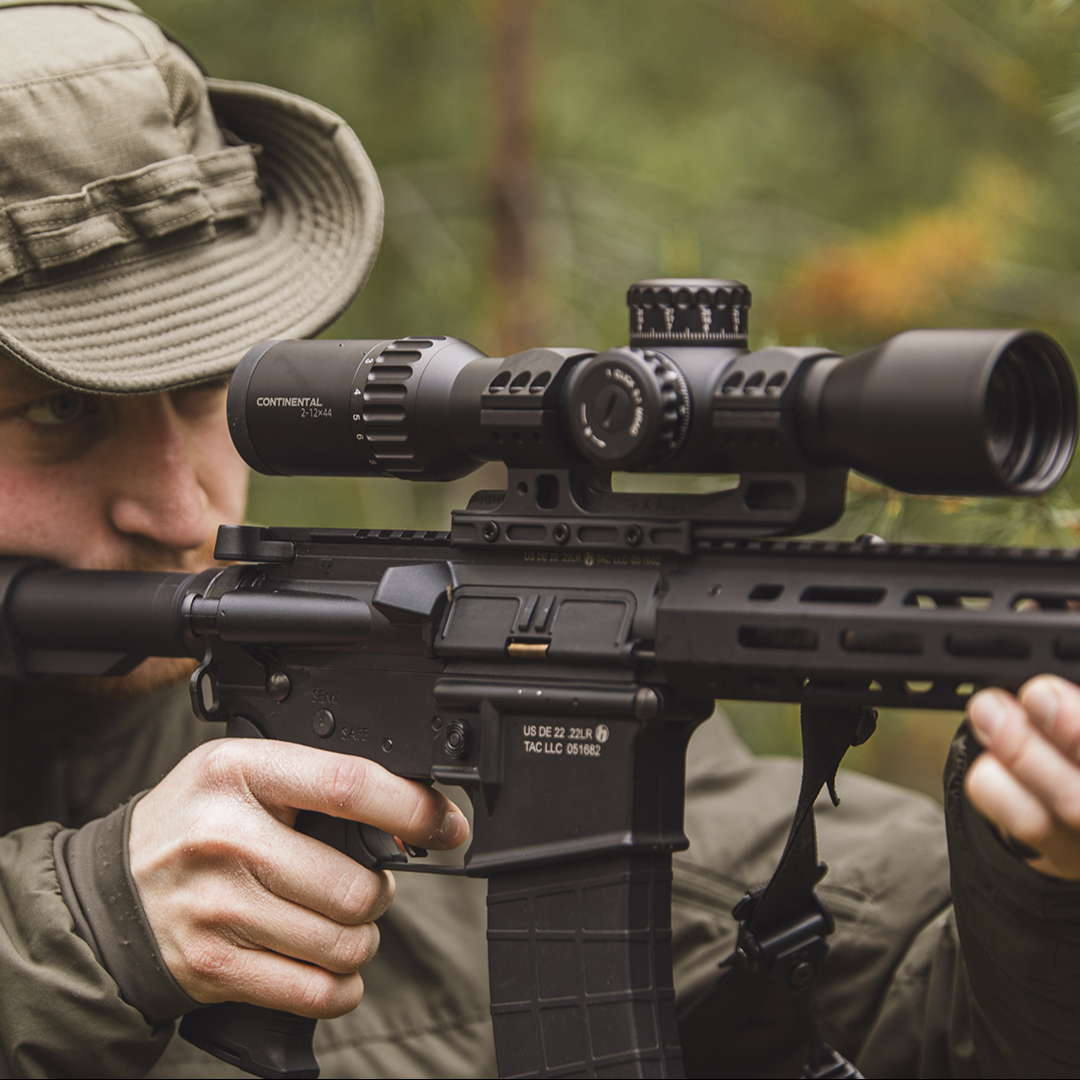
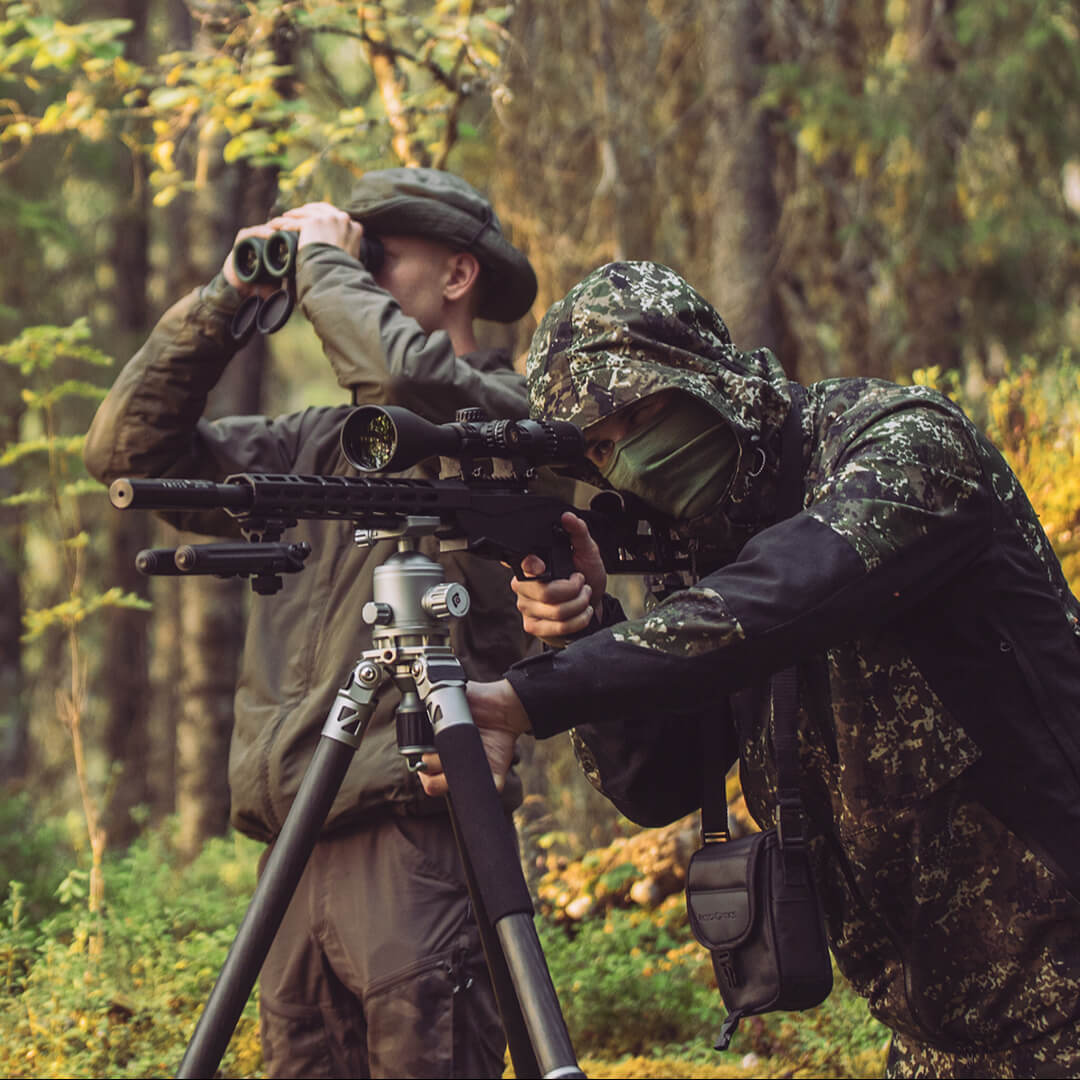
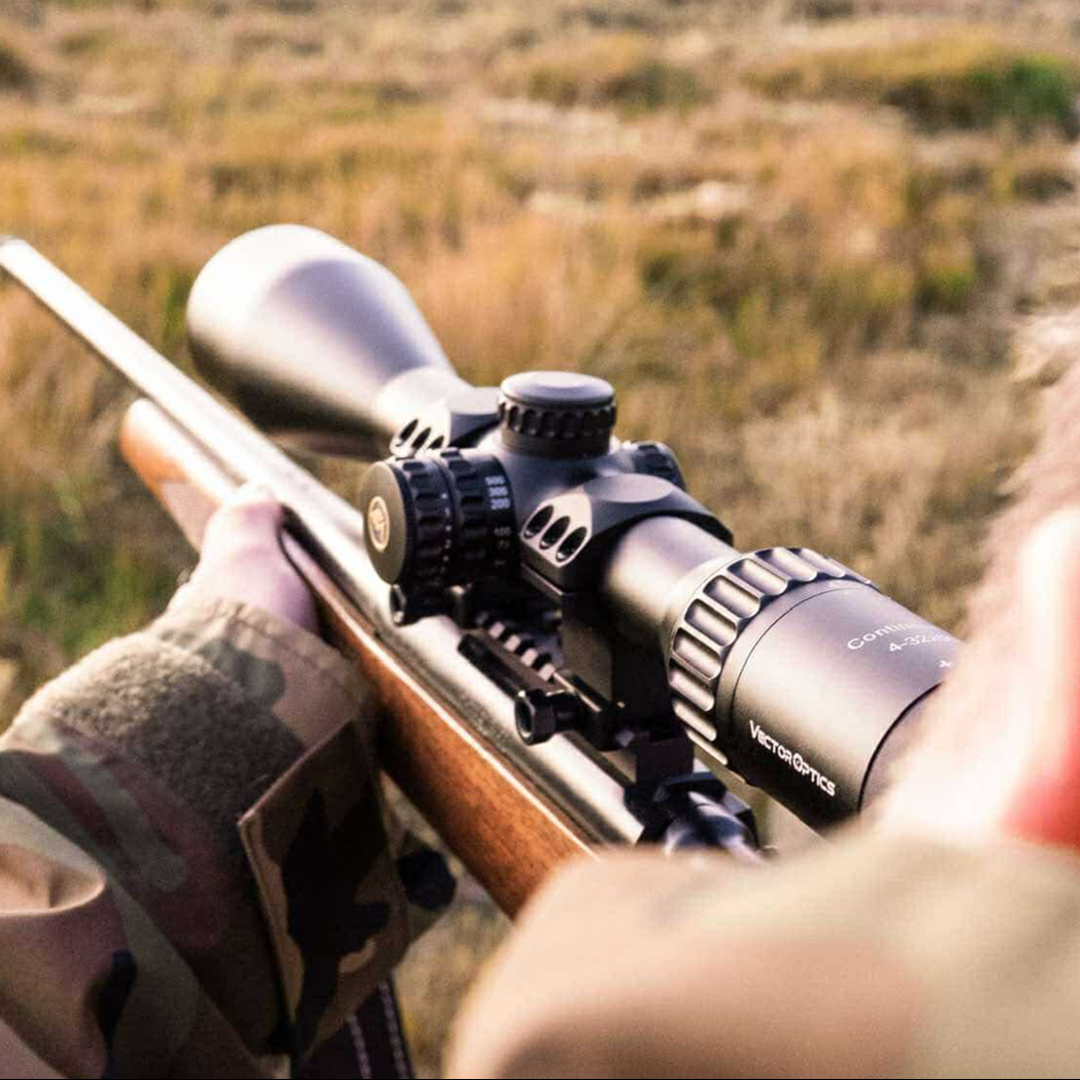
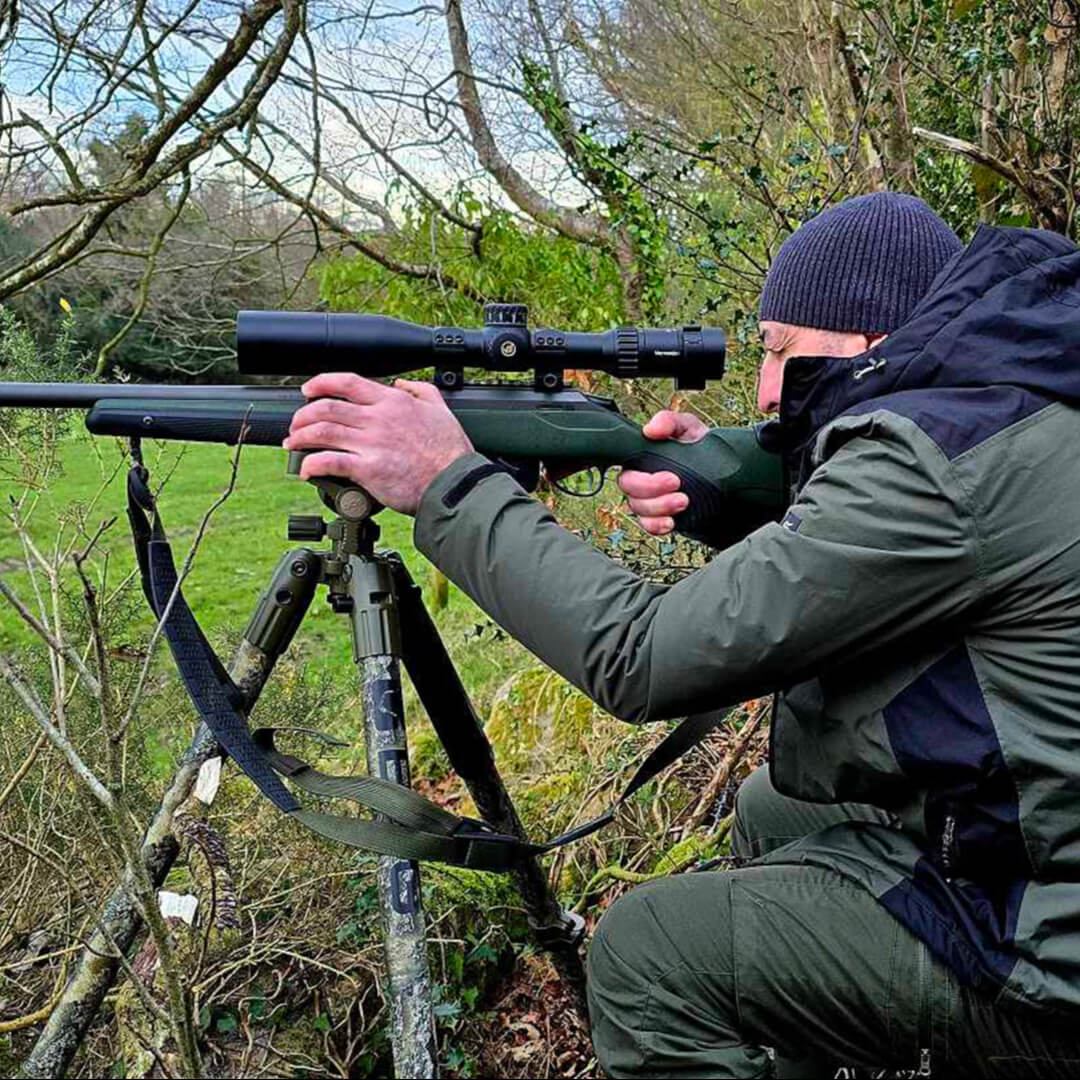
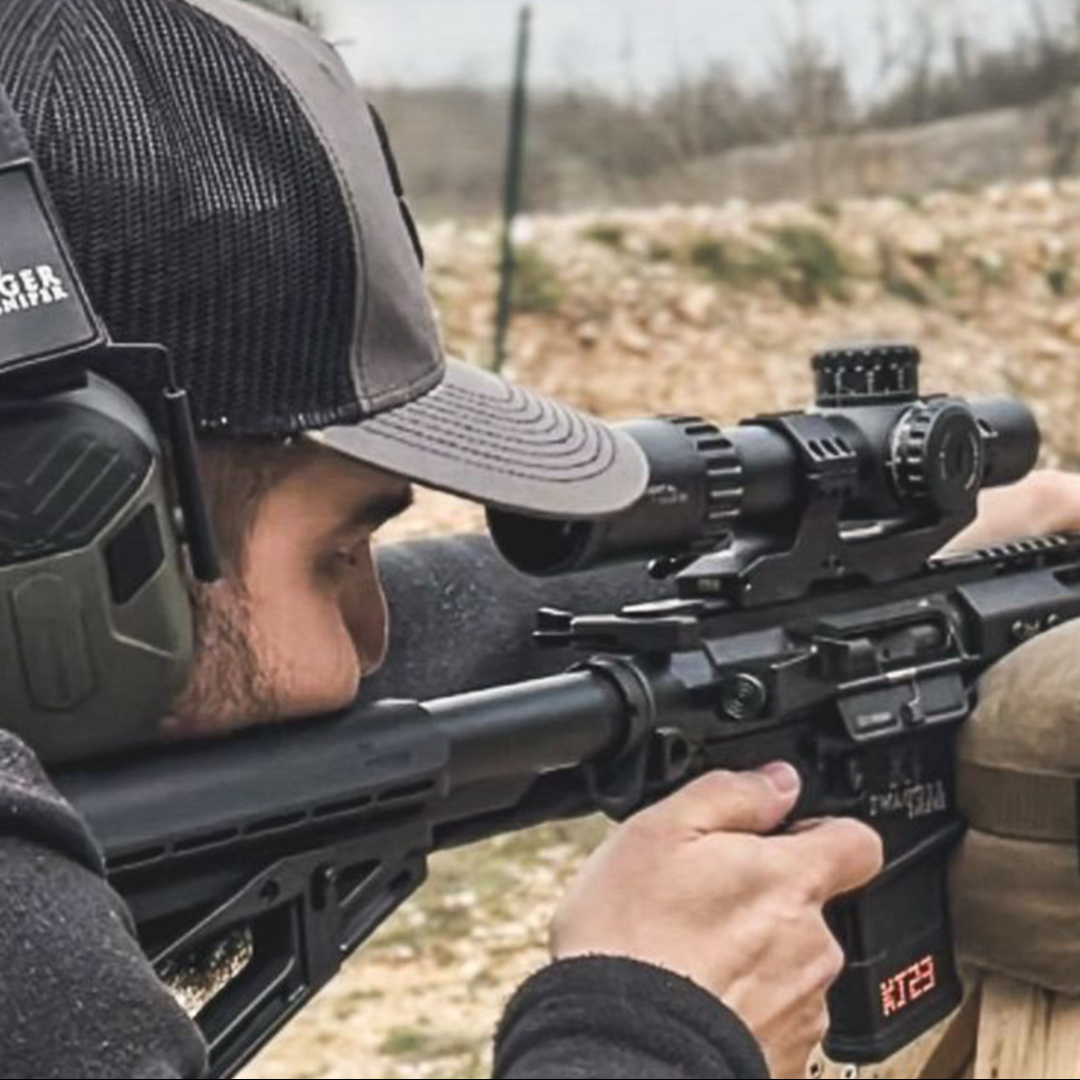
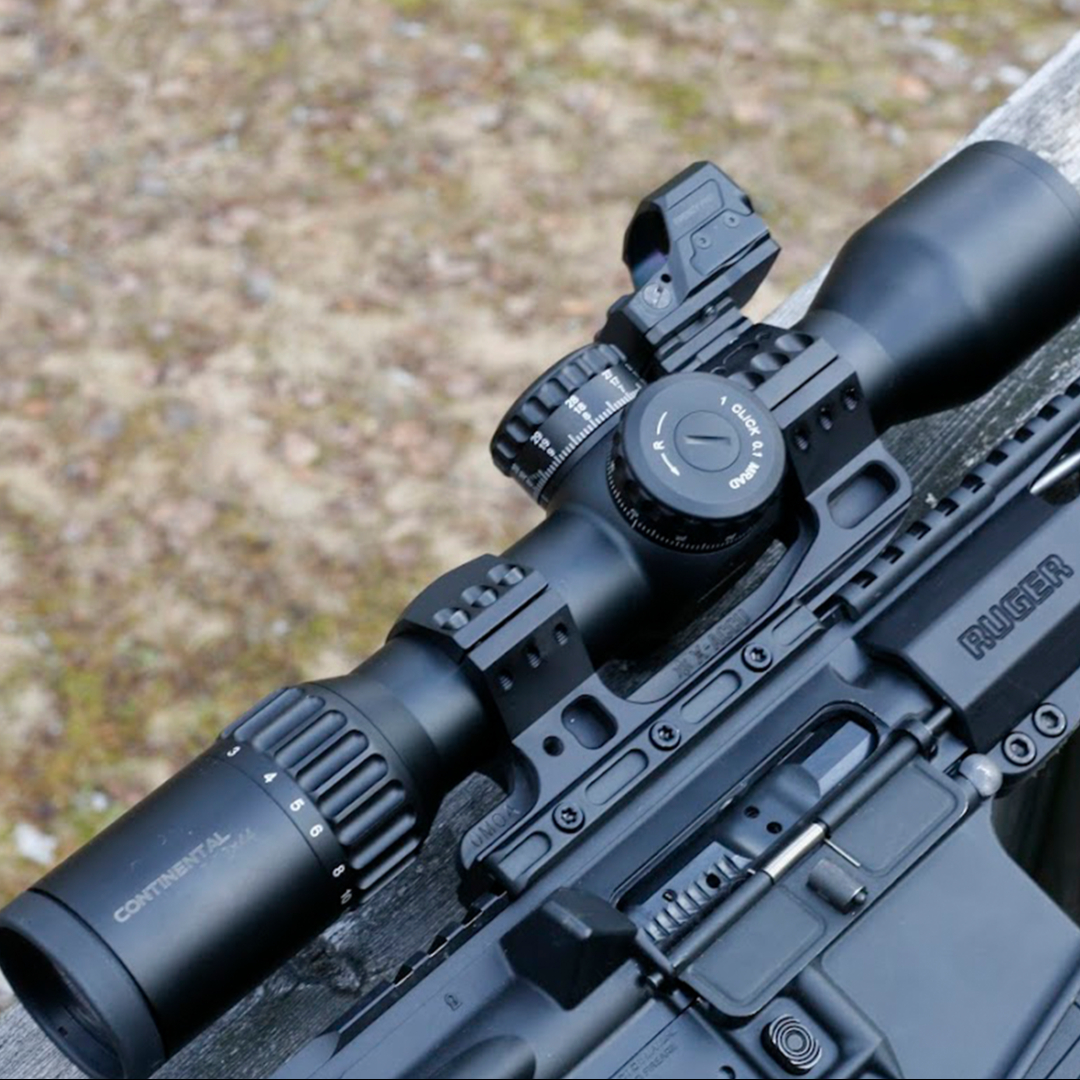
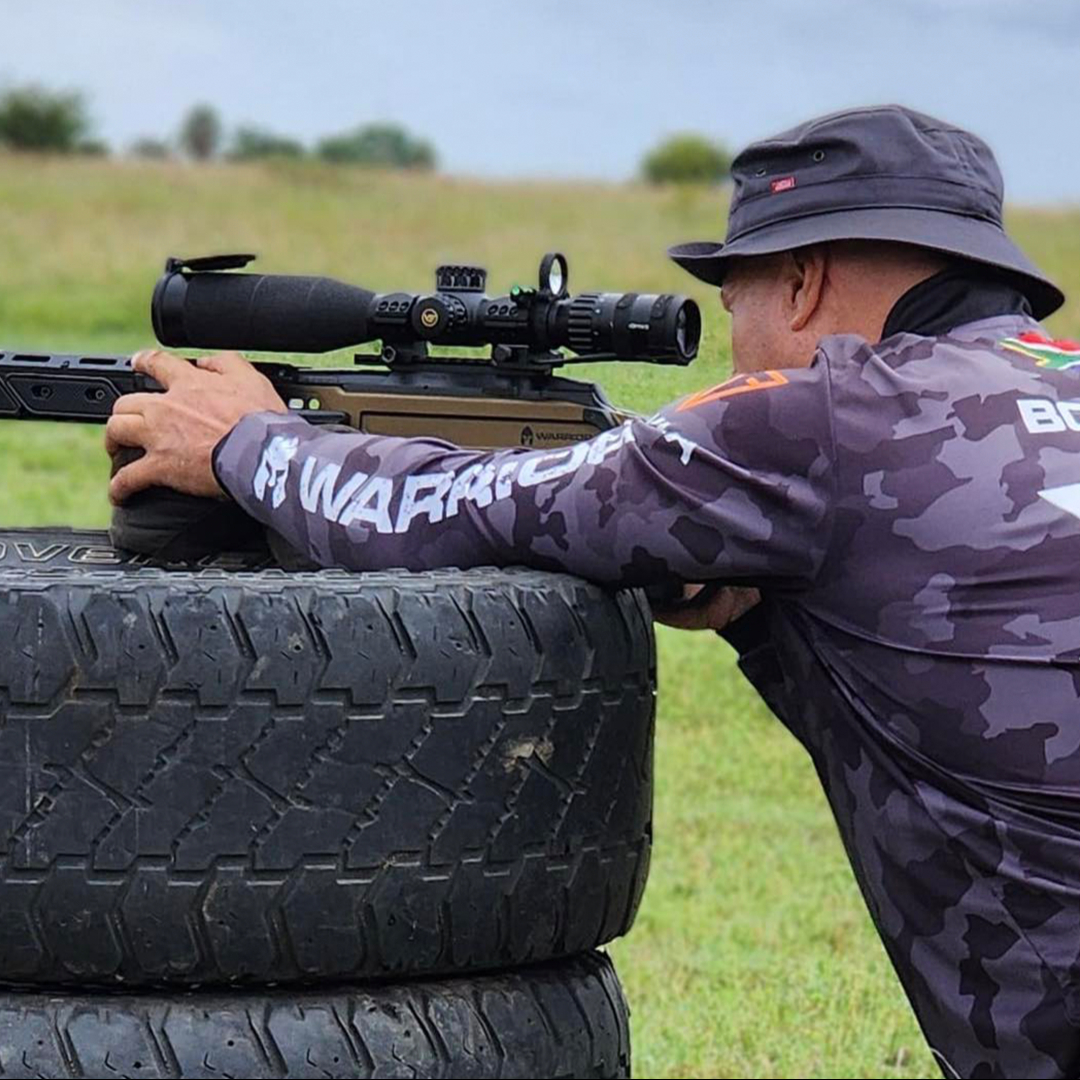
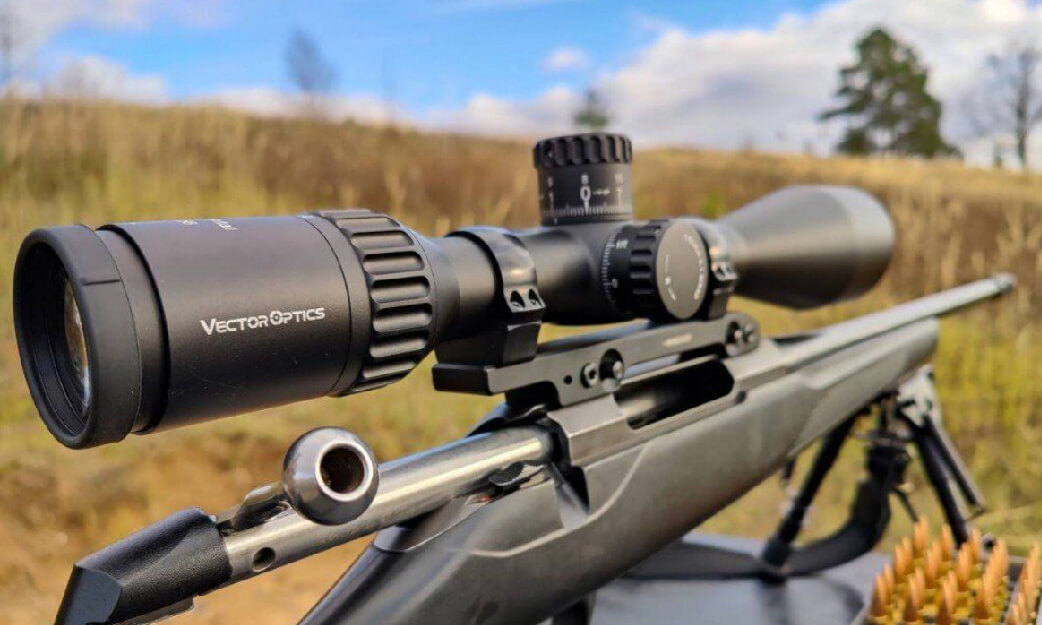
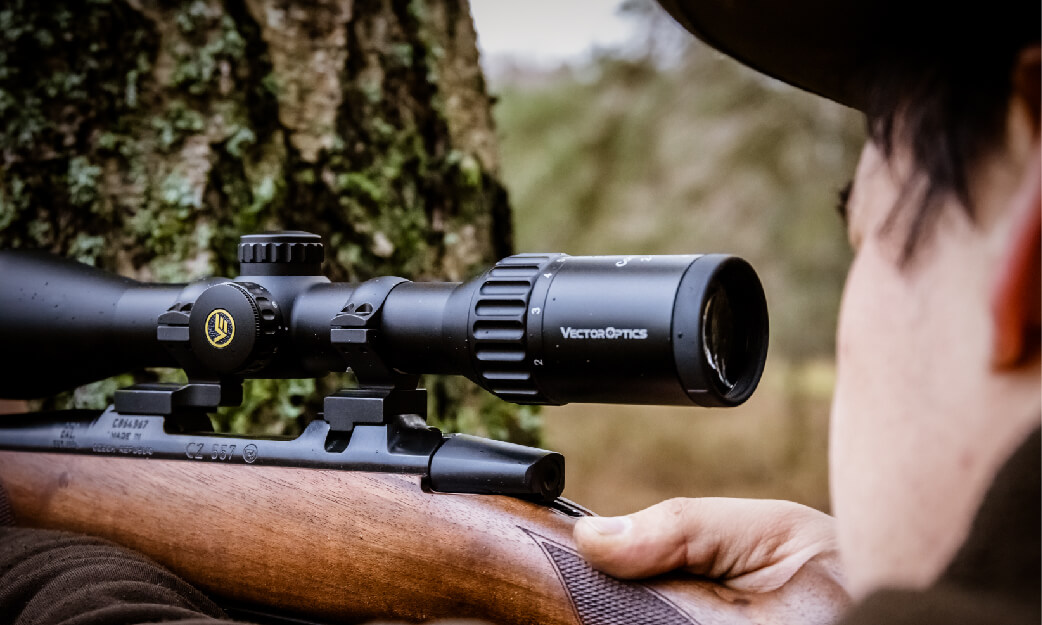
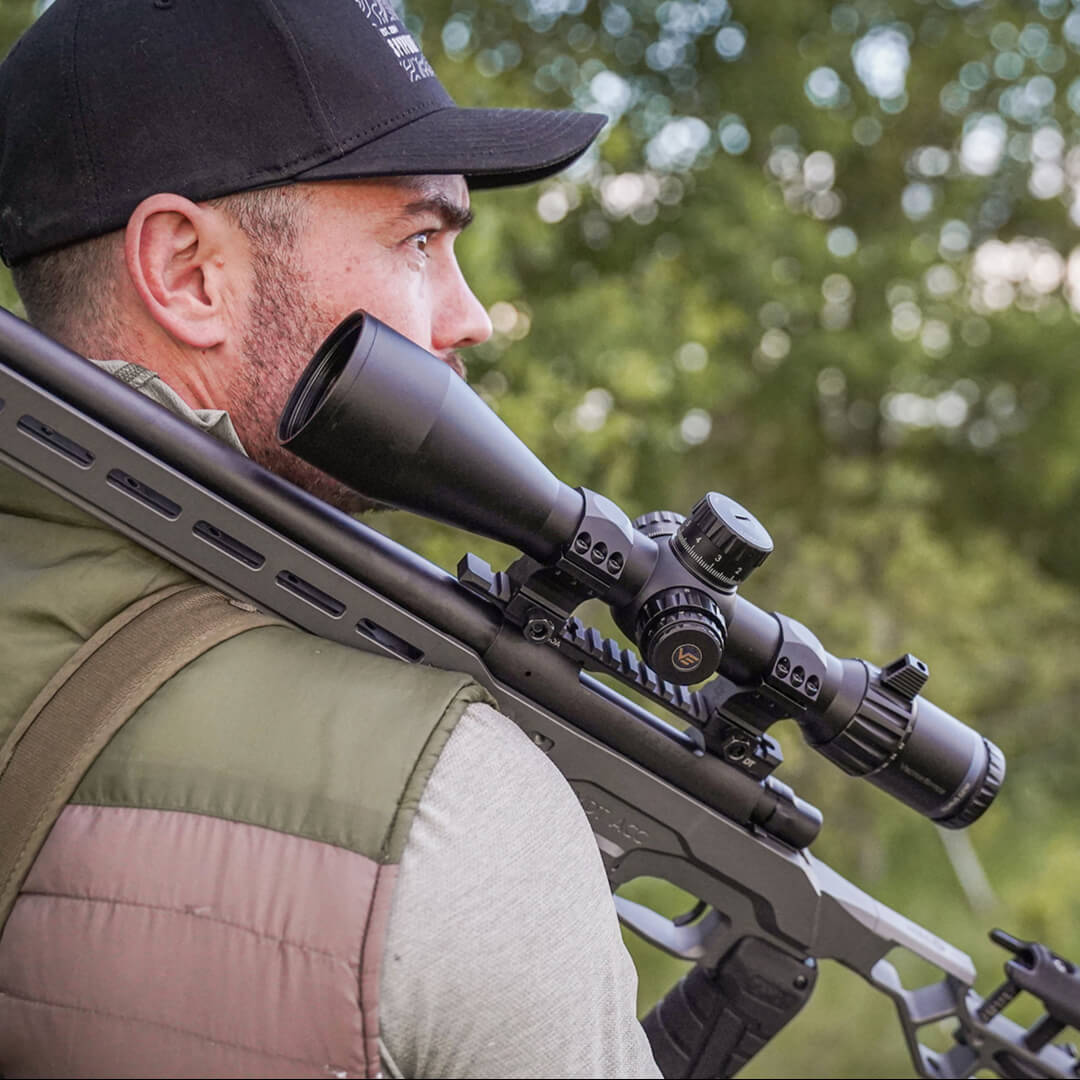
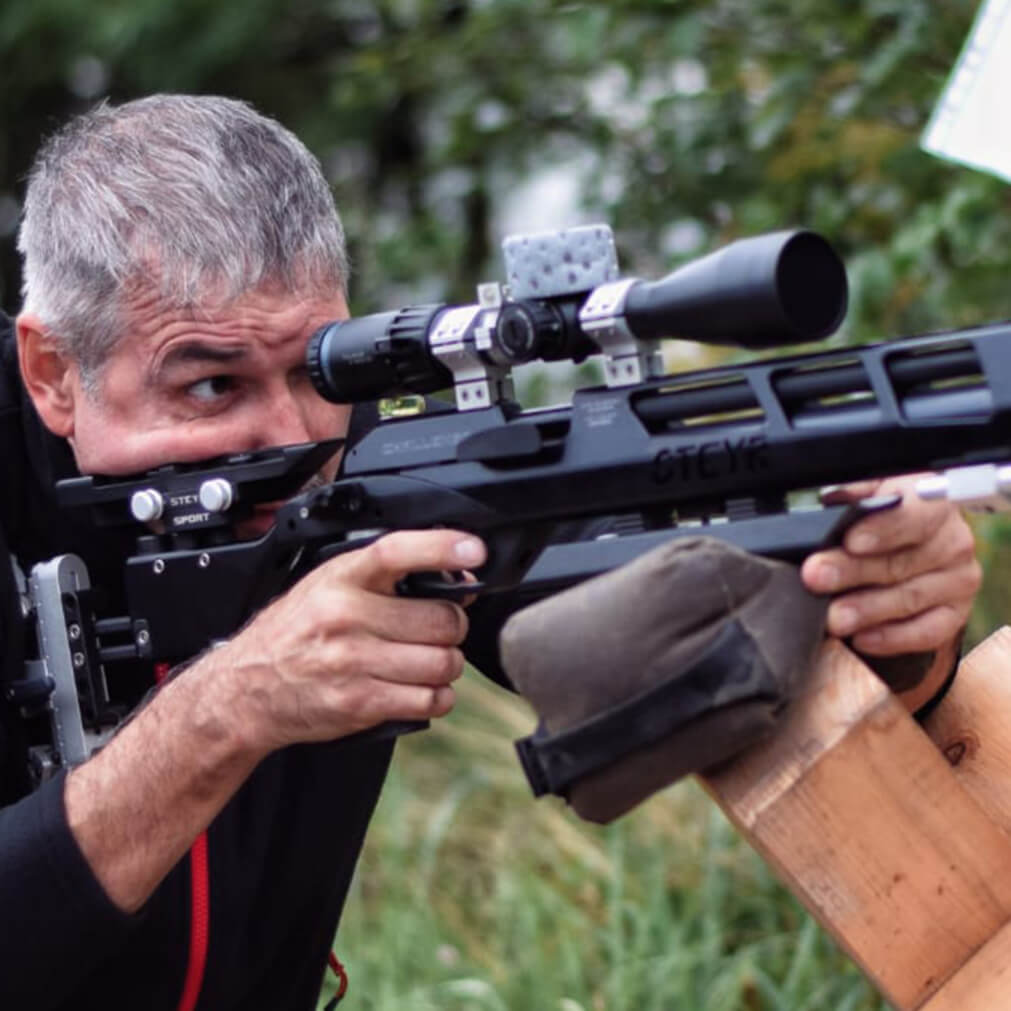
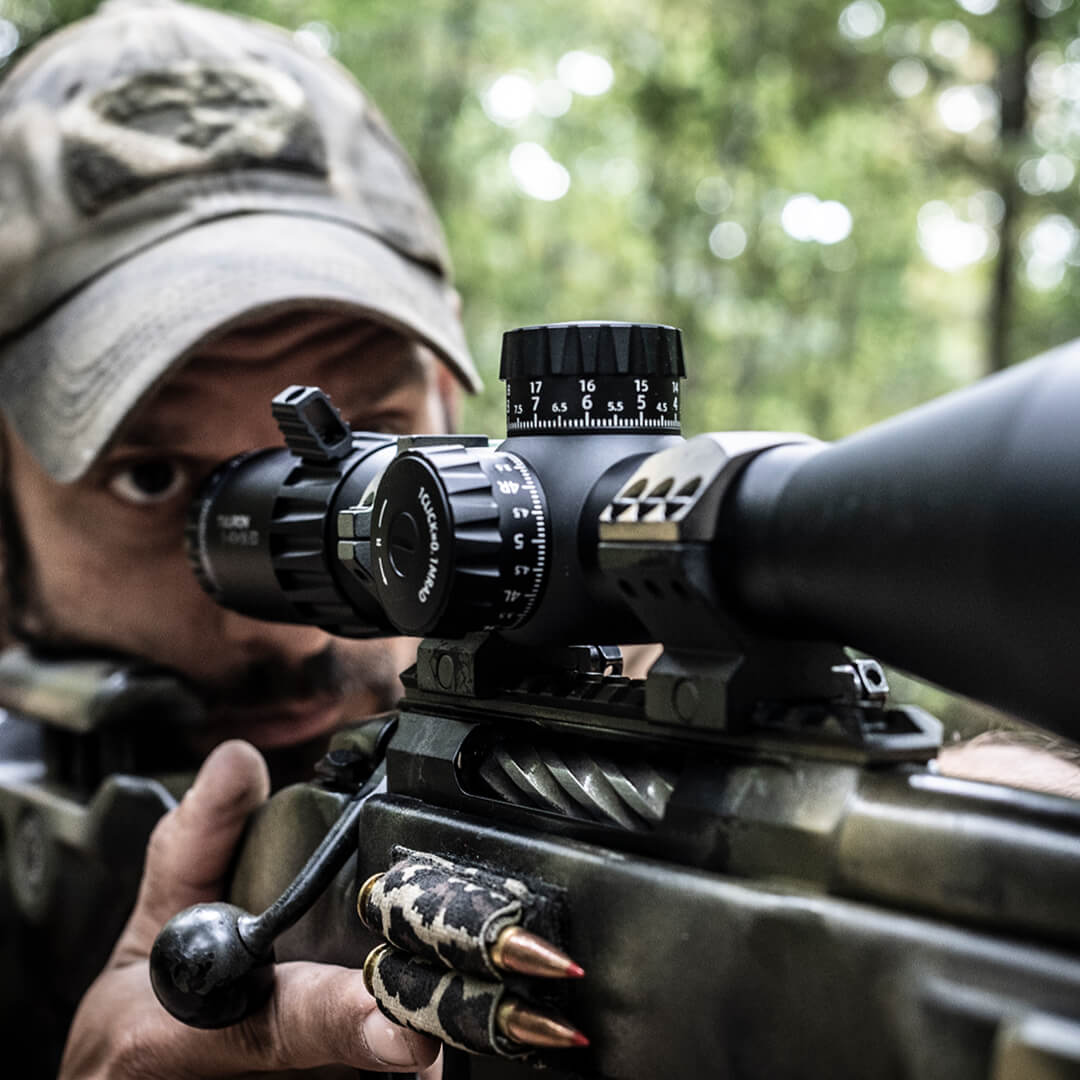
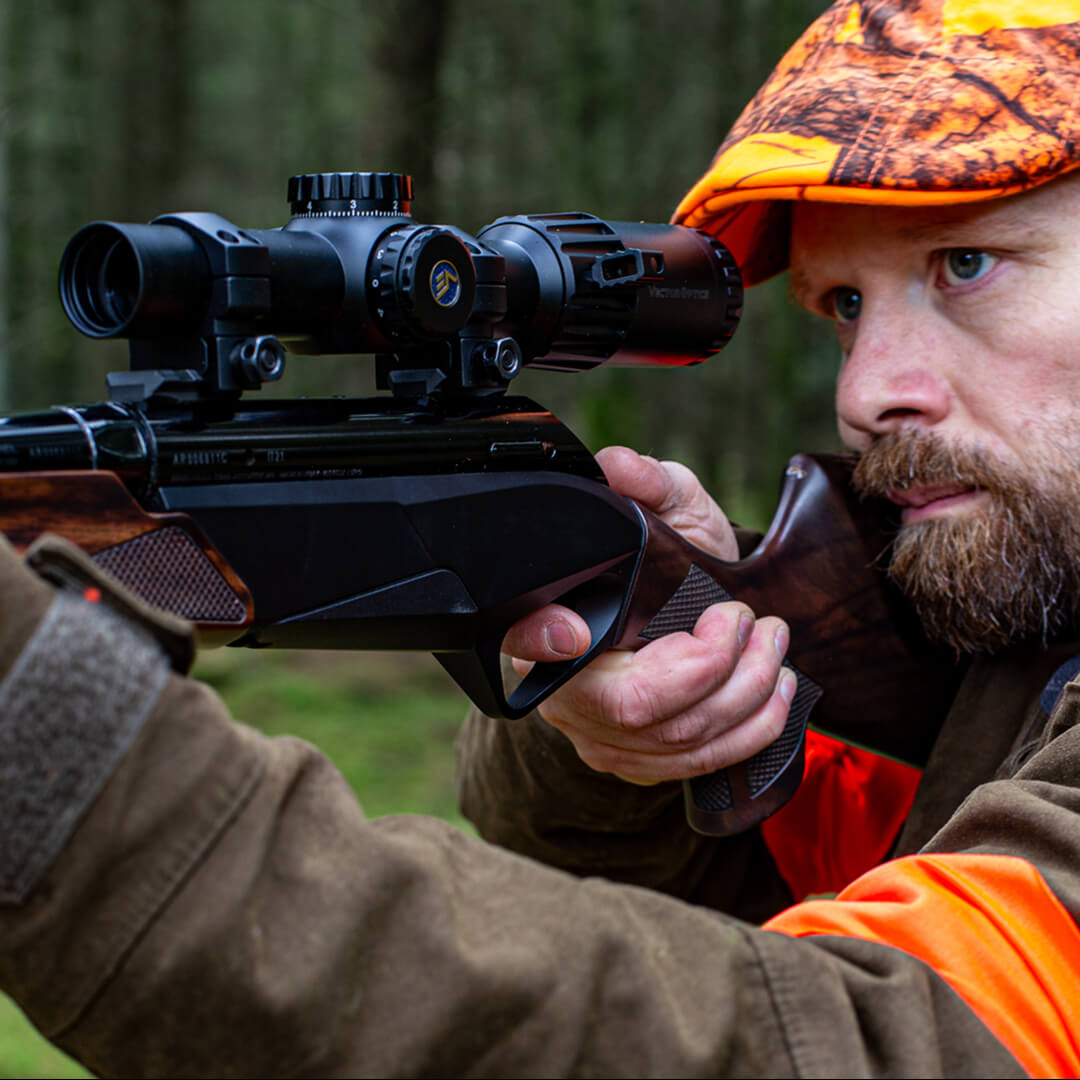
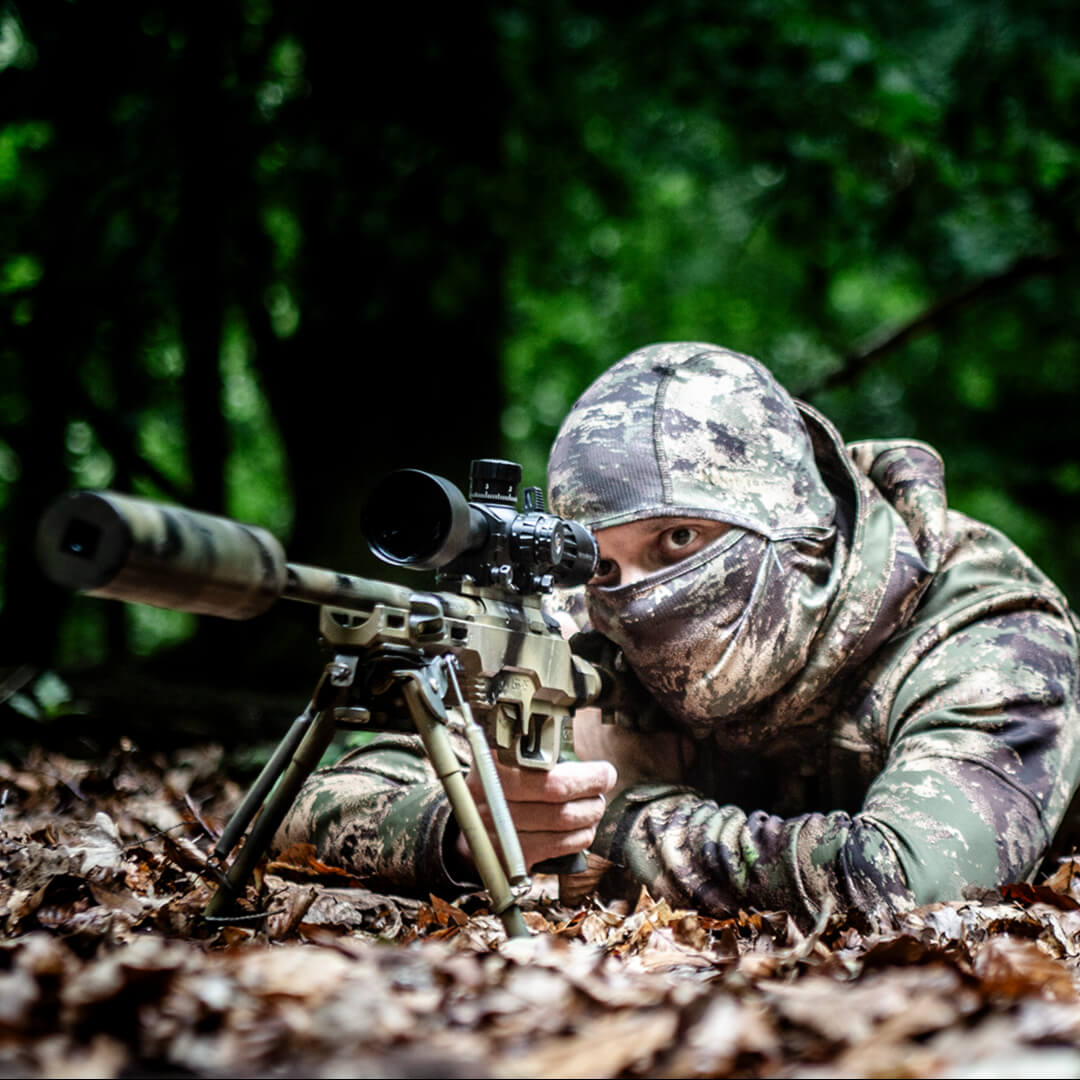
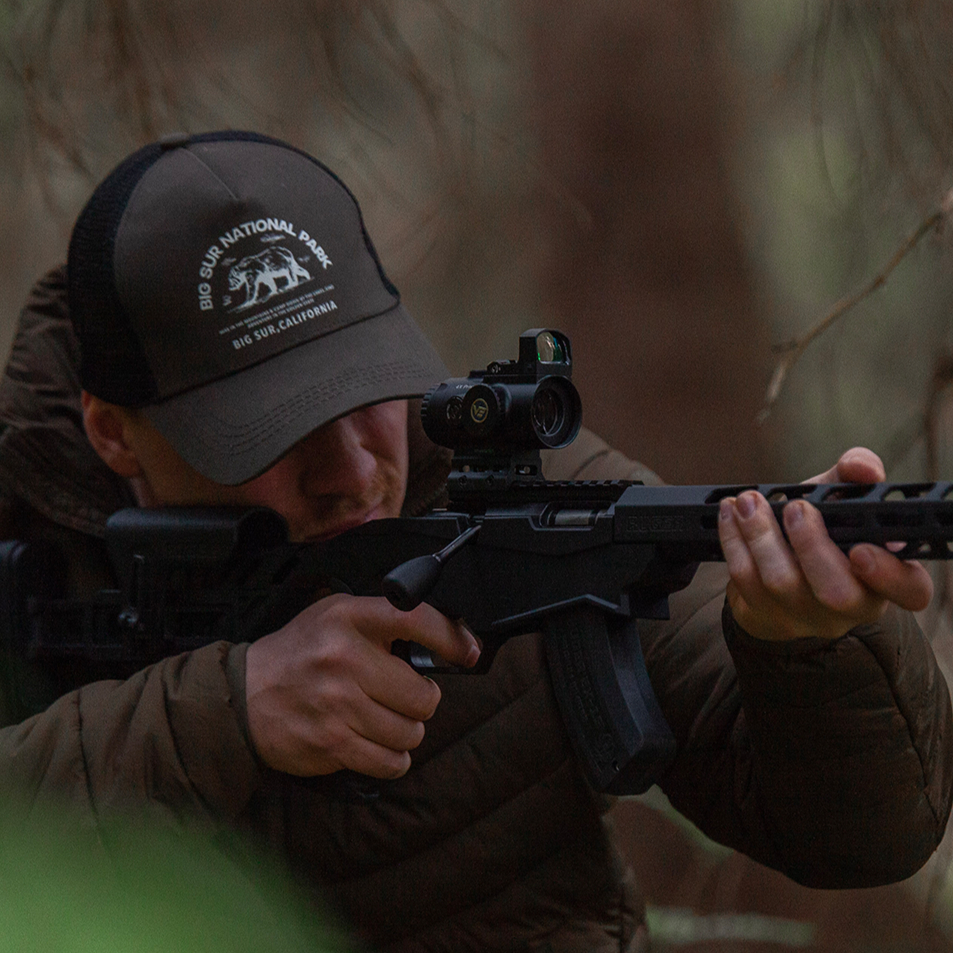
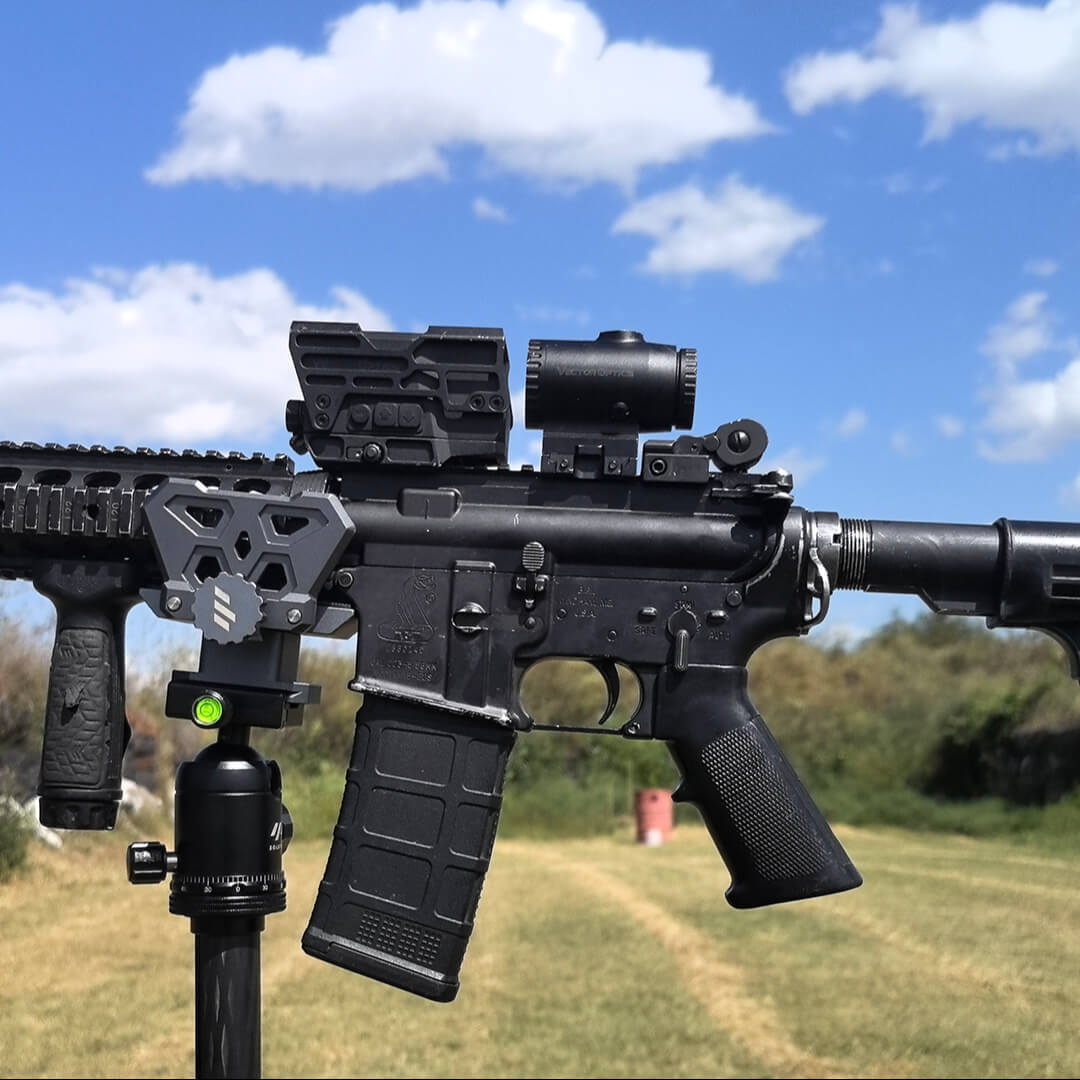
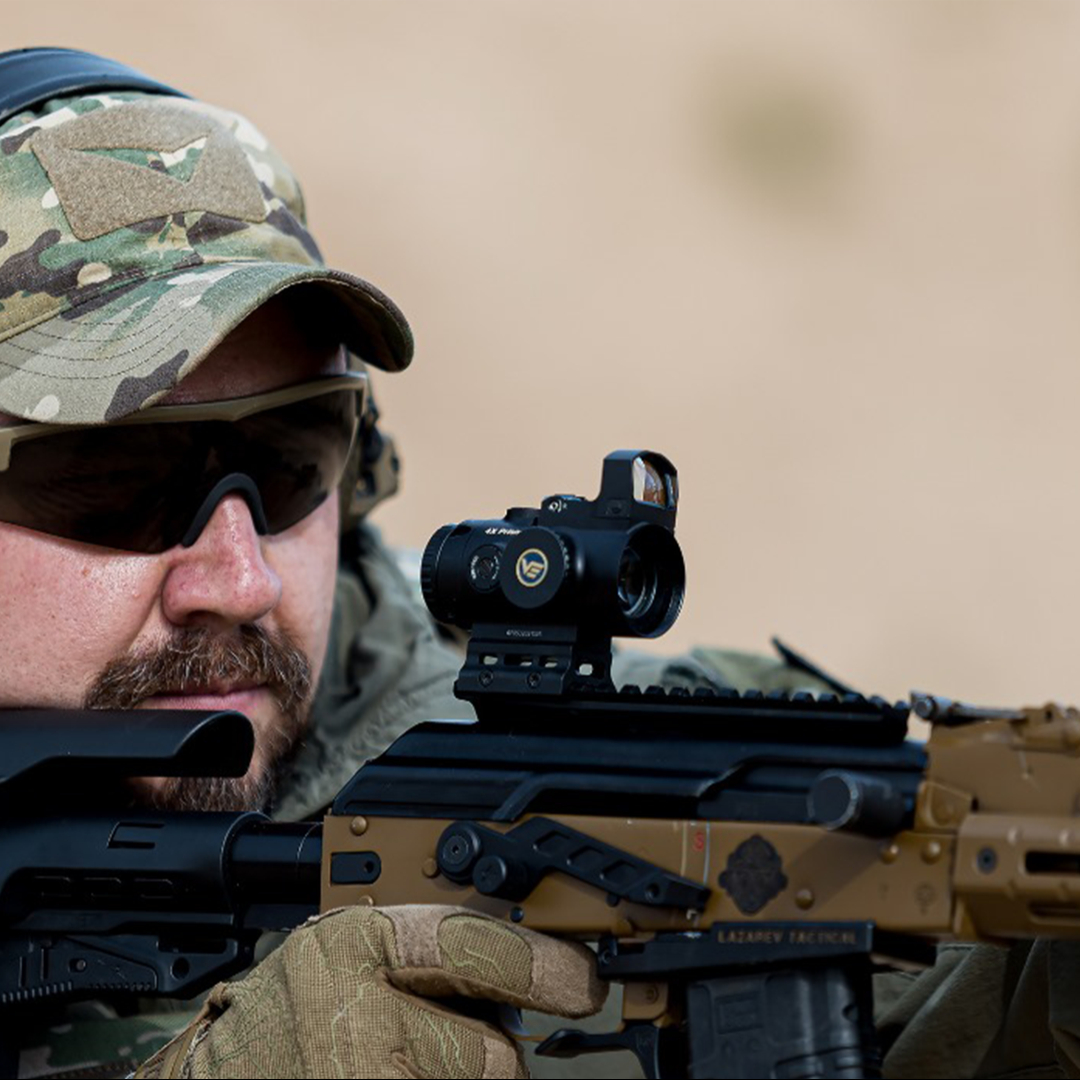
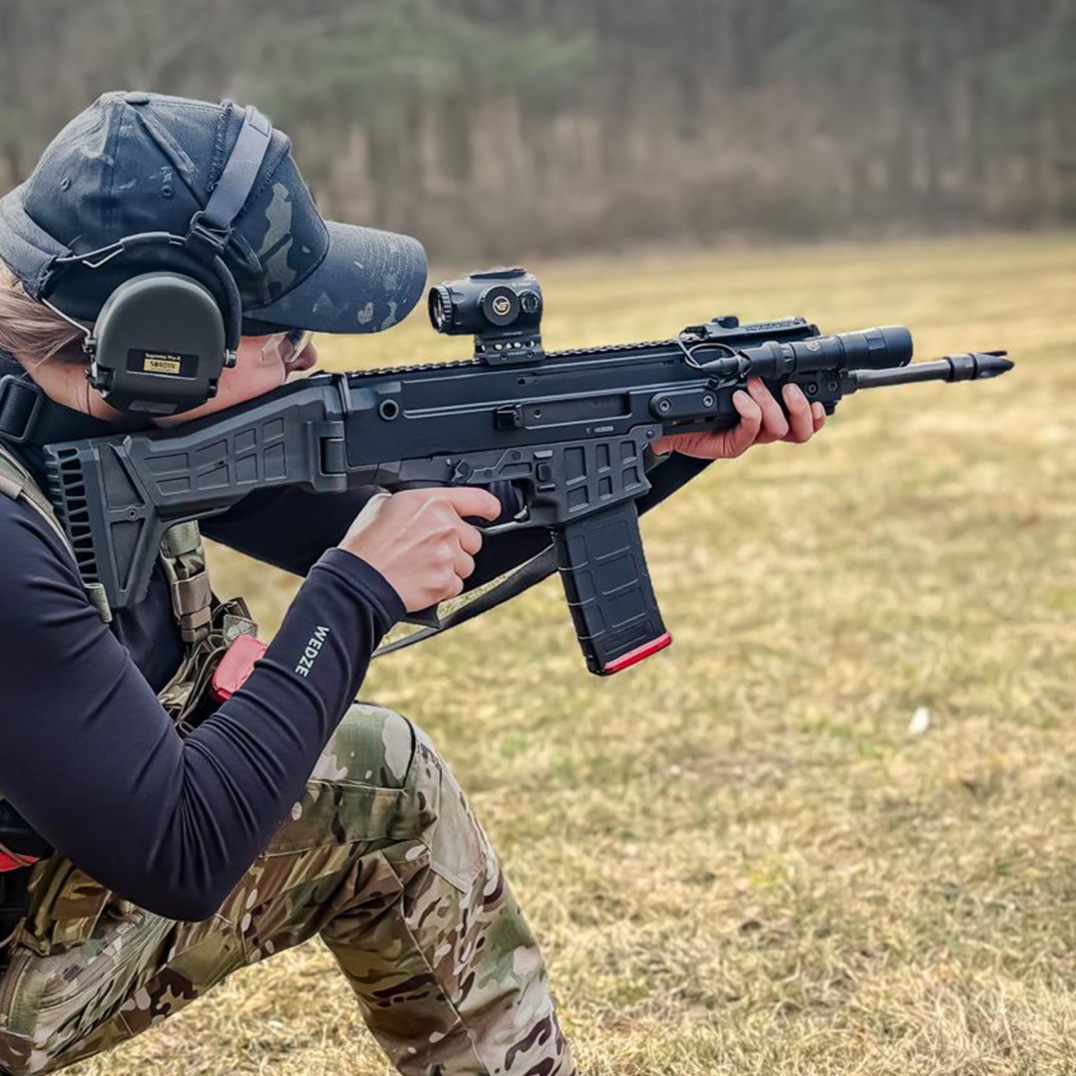
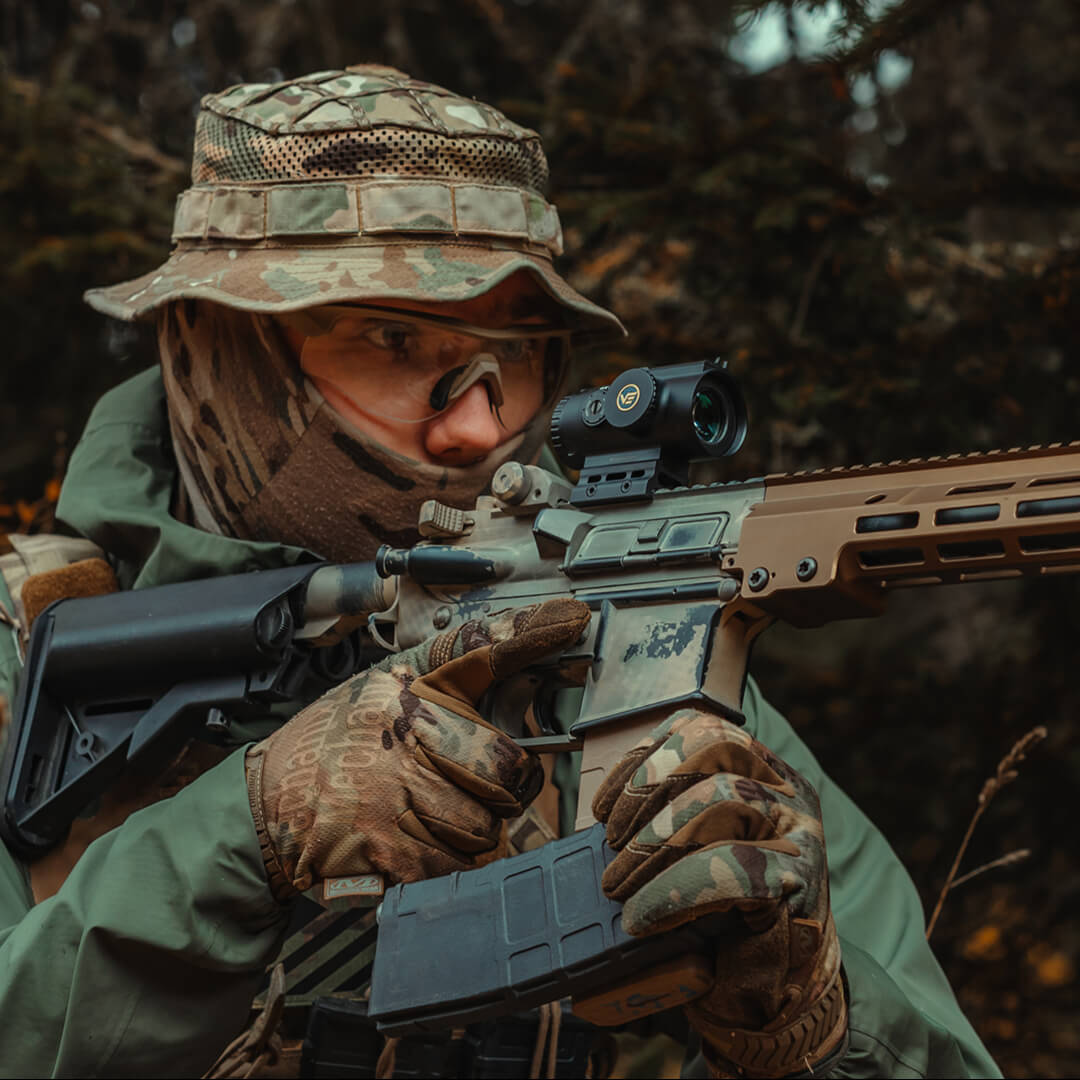
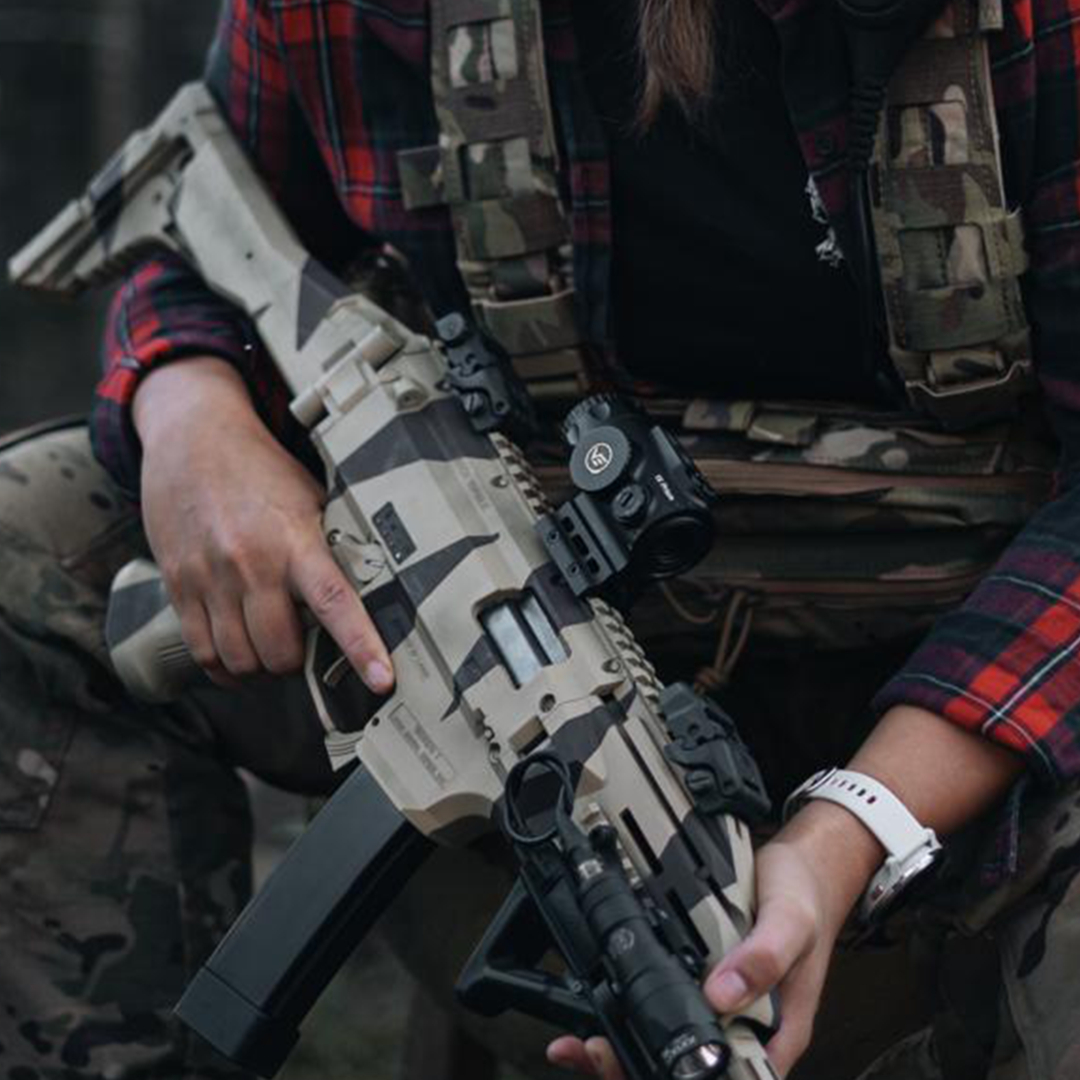
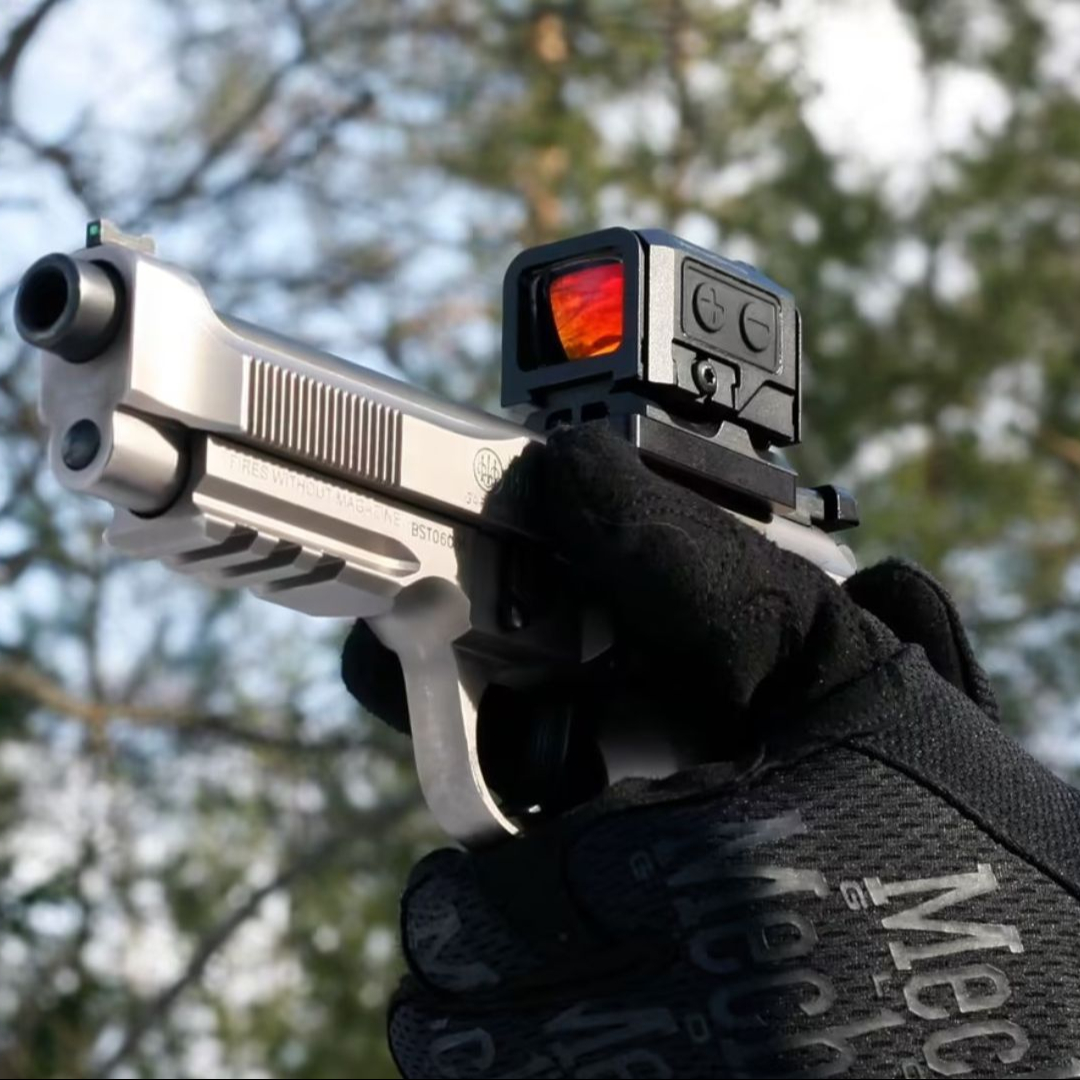
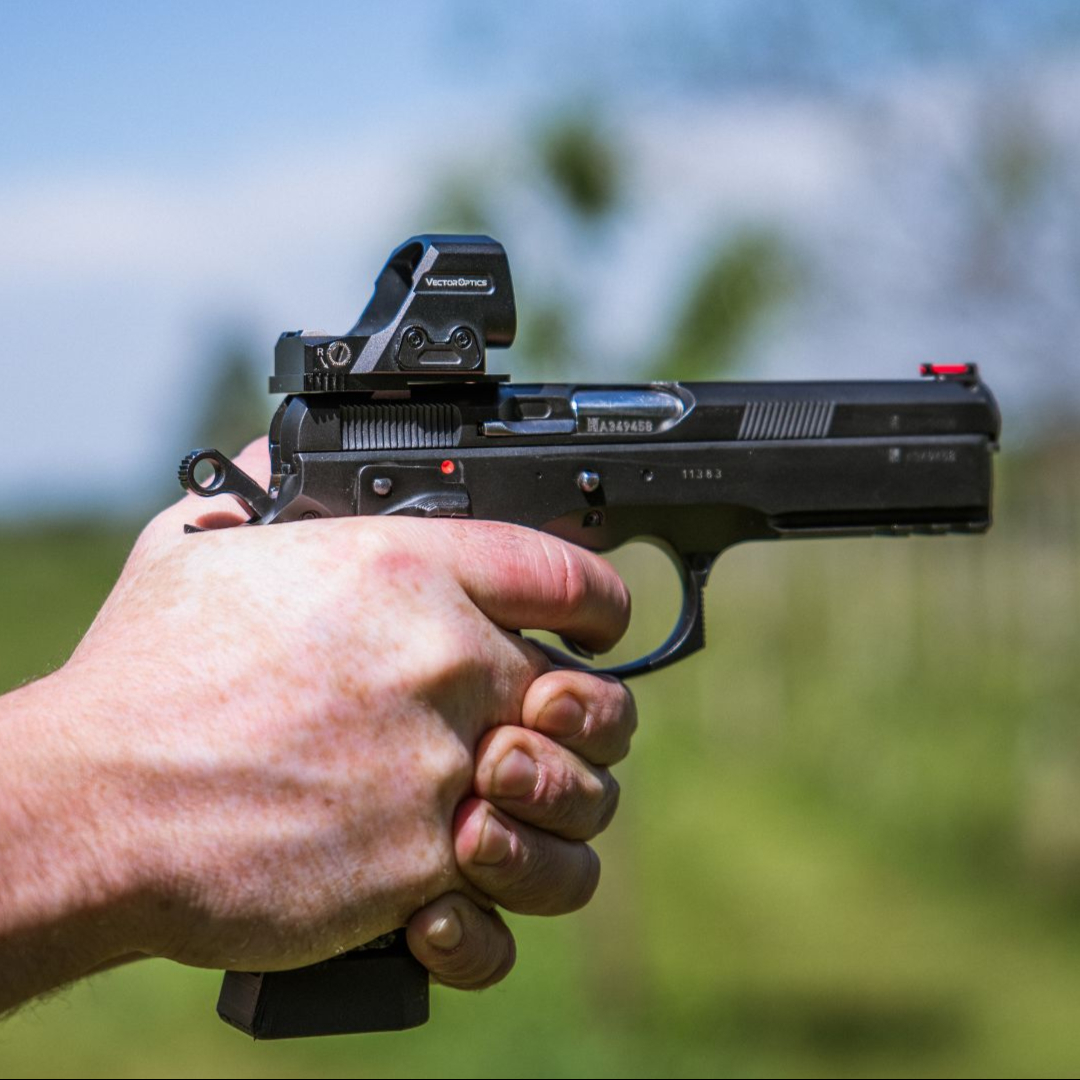
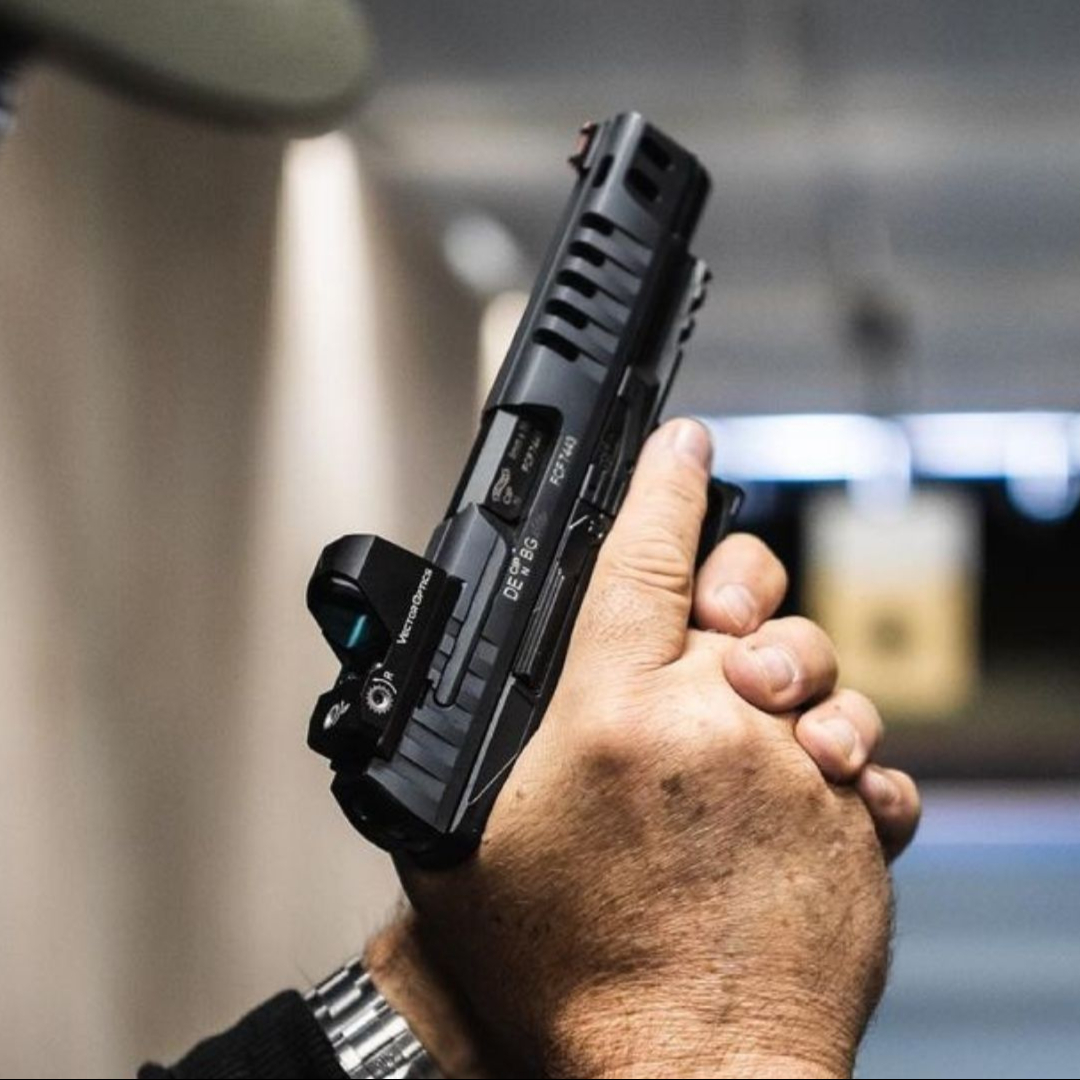
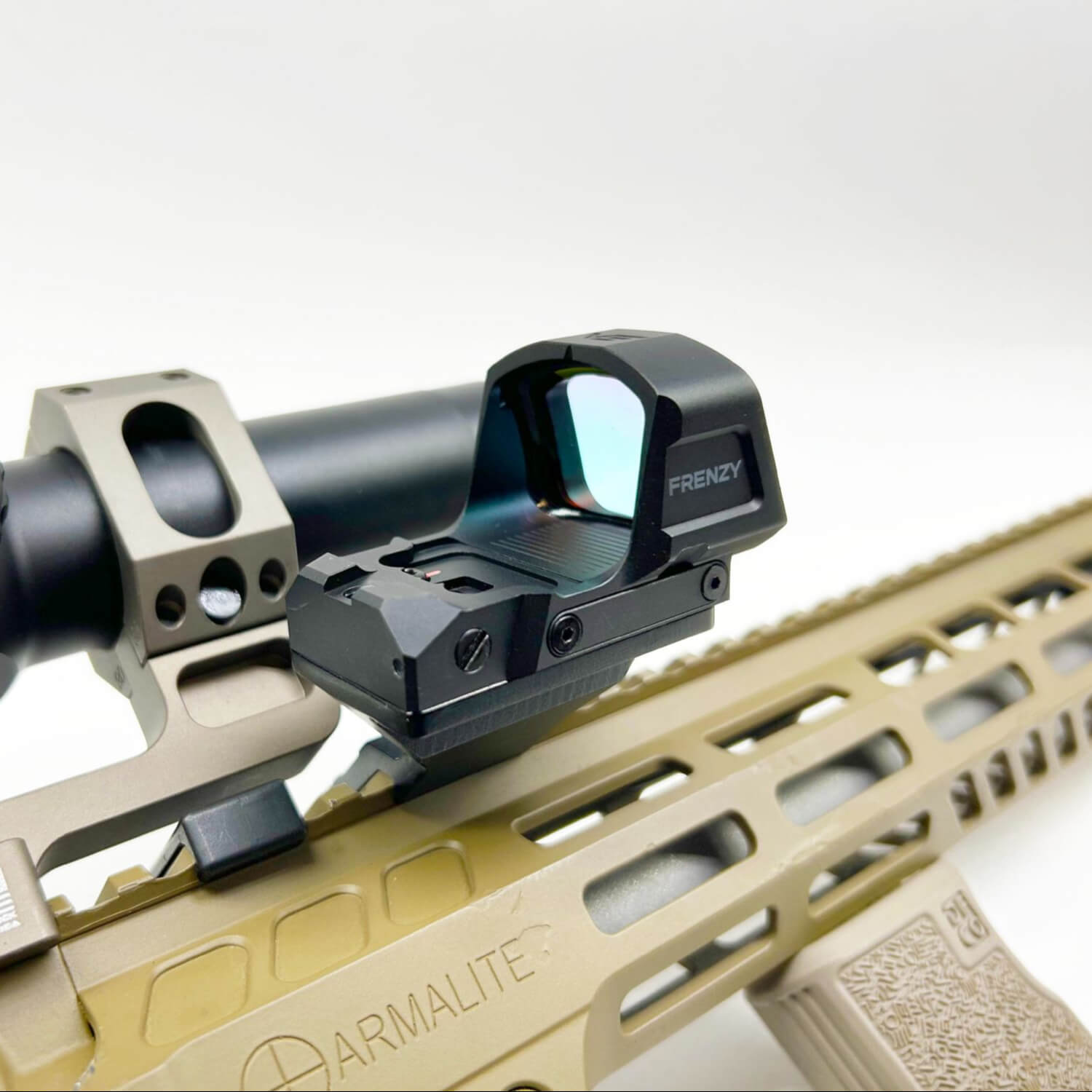
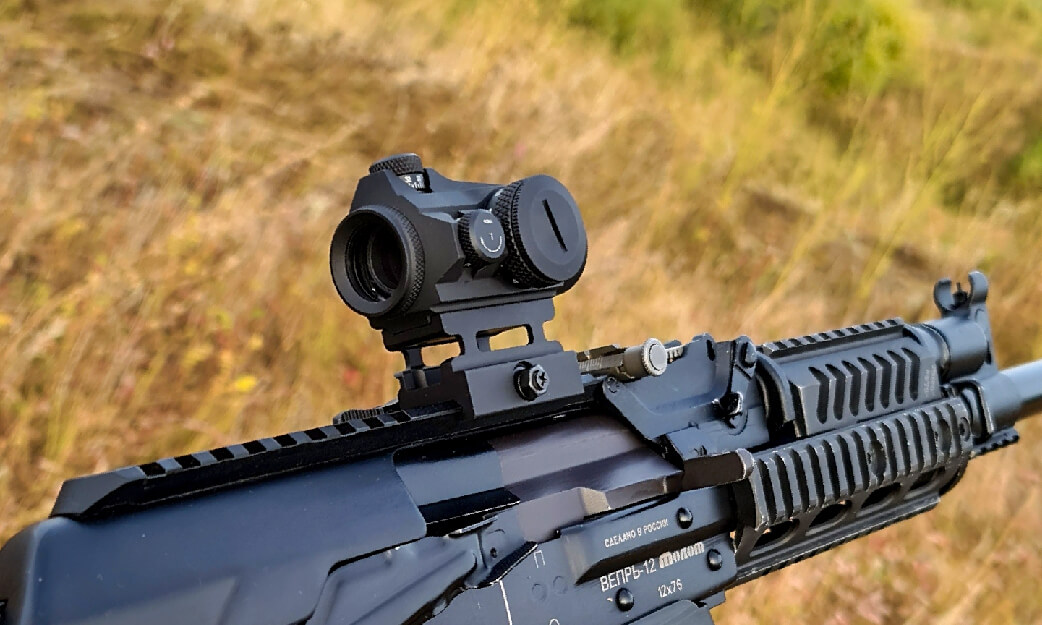
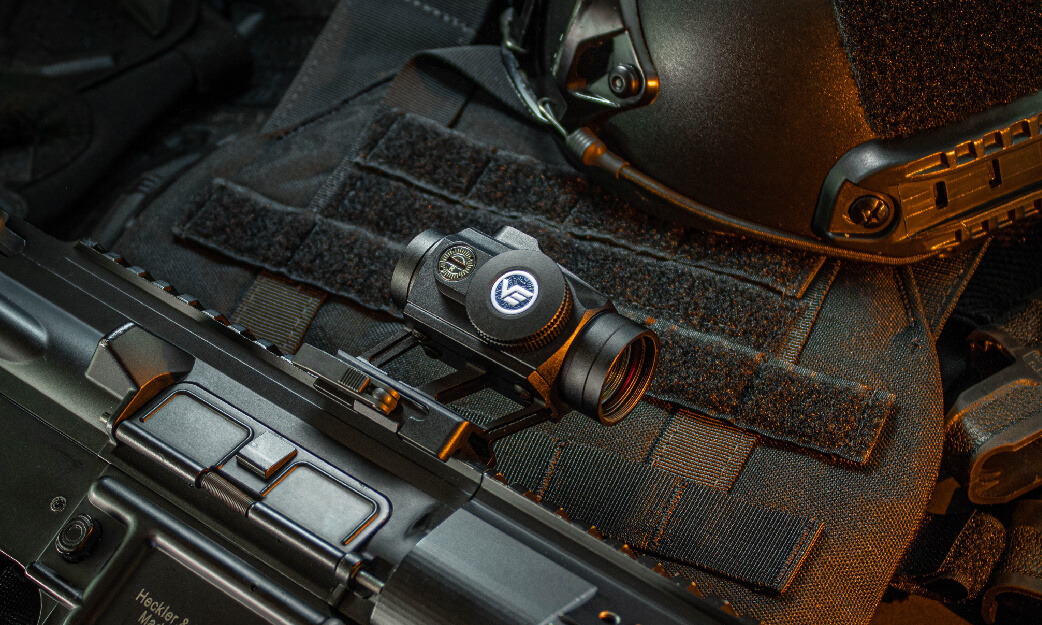
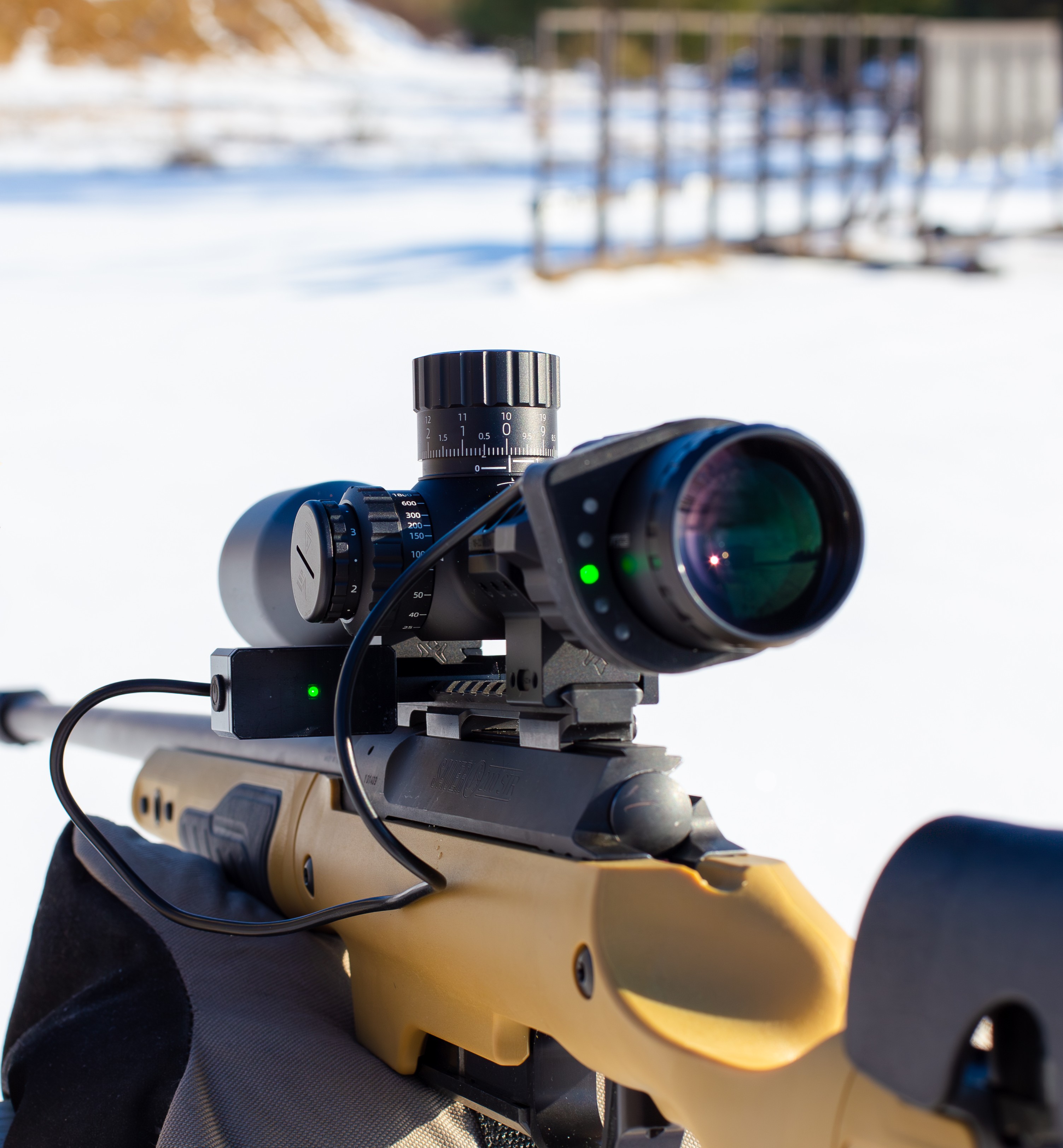
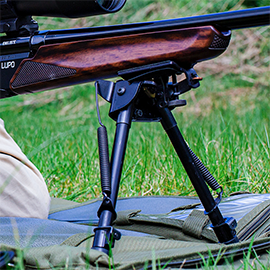
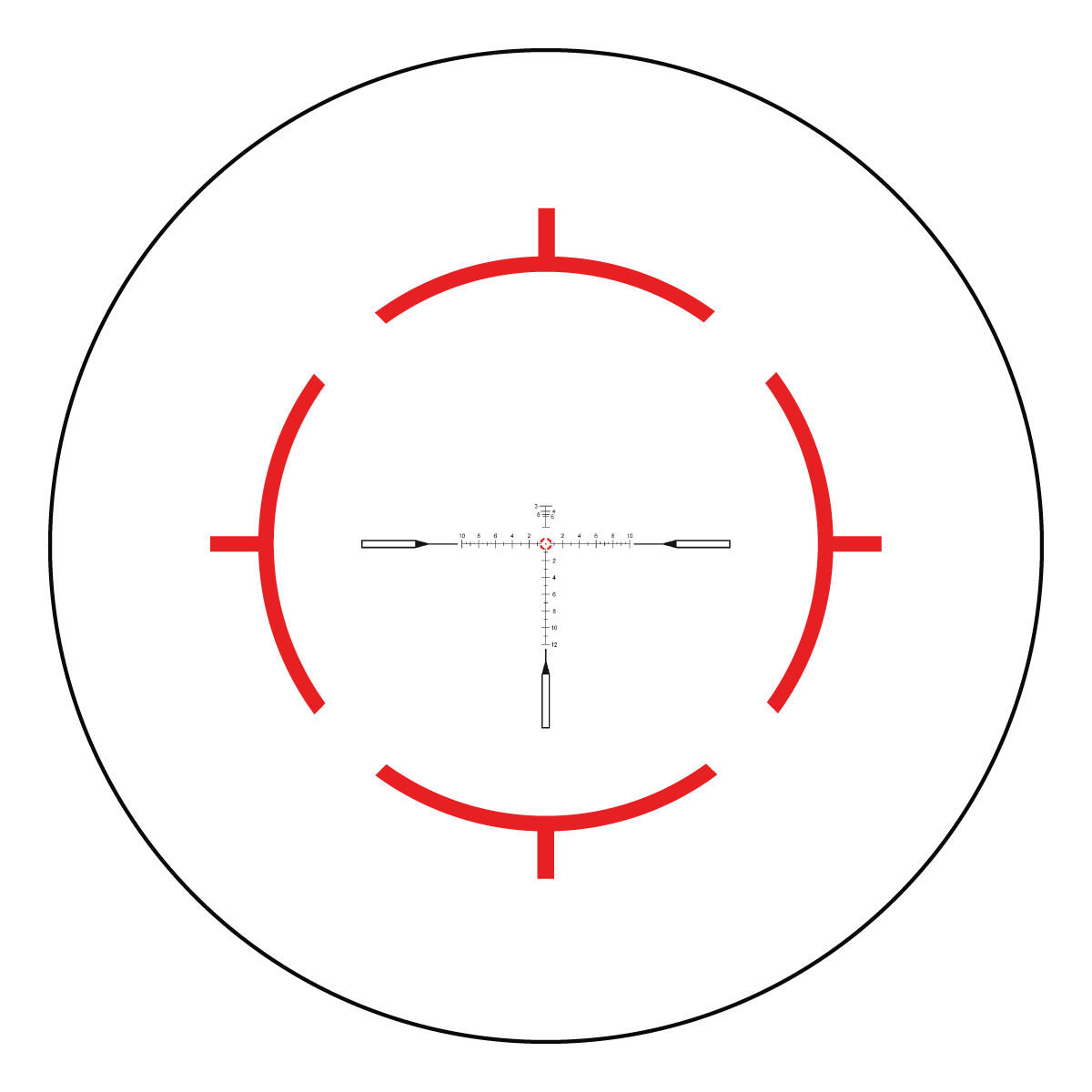
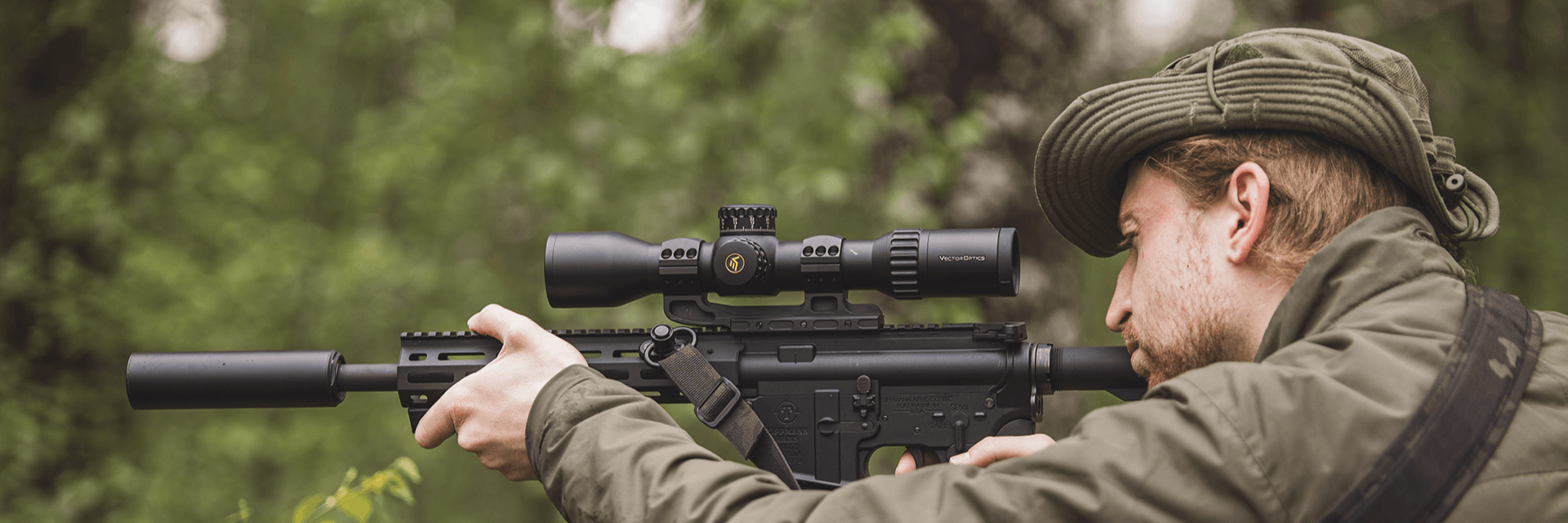
When choosing a reticle, consider the shooting distance, magnification, and your shooting style or application.
How Does Shooting Distance Affect Your Reticle Choice?
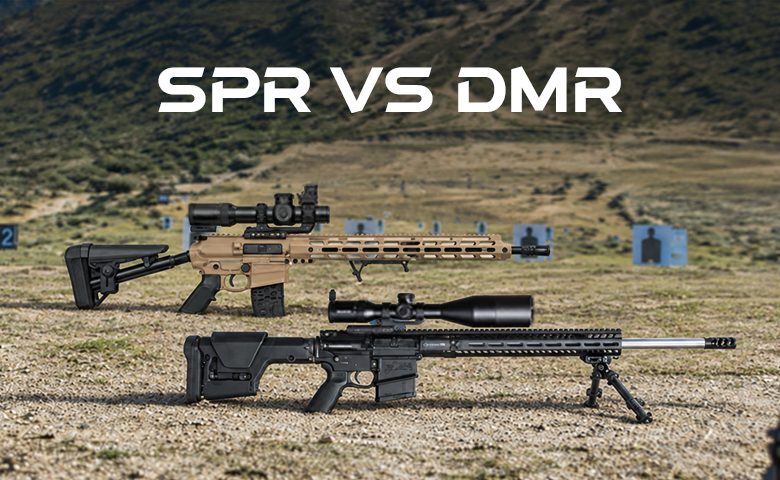
Your typical shooting range should guide your reticle choice. For close-range shooting, simpler reticles with bold center dots or circles work well for fast target acquisition. For mid- to long-range shooting, choose a reticle with holdovers (BDC, windage marks) to help with elevation and wind adjustments.
What Role Does Magnification Play in Reticle Performance?
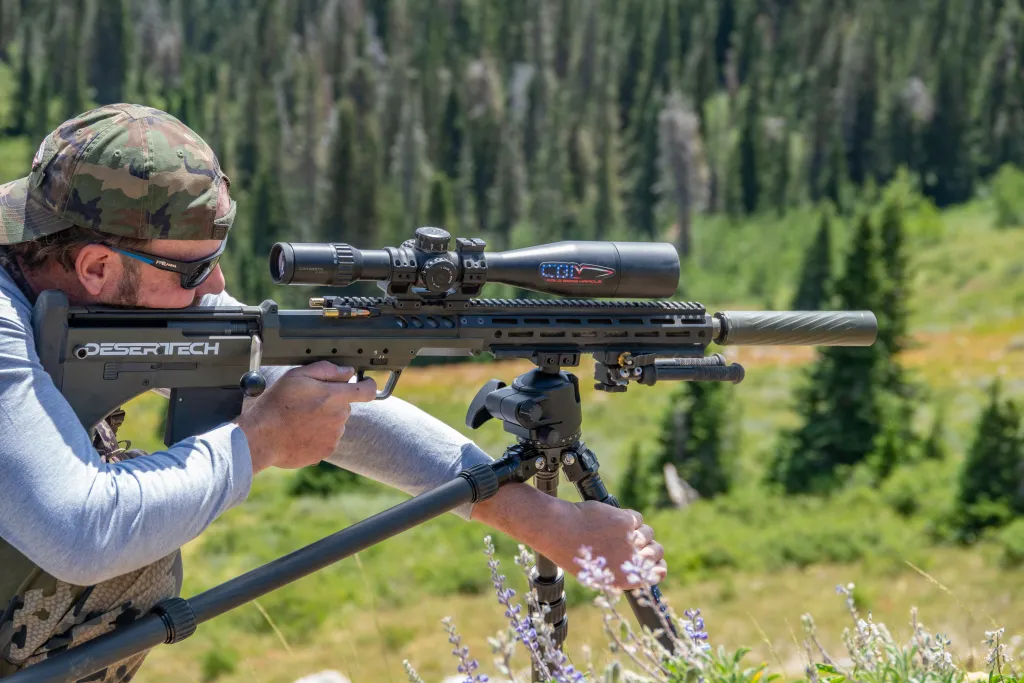
Higher magnification is generally preferred for long-distance shooting, as it allows you to clearly see and engage smaller or farther targets. However, that doesn't mean high magnification can't be used at close range. In fact, at short distances, higher magnification can help identify small targets and improve shot precision, especially in hunting or precision shooting scenarios.
What Reticle Fits Your Shooting Style Best?
Whether you're a hunter, competitive shooter, or just practicing at the range, pick a reticle that matches your preferred shooting environment, target size, and response time needs.
What Is a BDC Reticle and How Do You Use It Effectively?
When selecting or using a BDC (Bullet Drop Compensation) reticle, there are a few key factors you need to consider:
●Maximum Effective Range
Check the maximum range the BDC reticle is calibrated for. Each reticle is designed with a specific distance range in mind—typically up to 400, 500, or 600 yards. Going beyond this range may lead to significant aiming errors.
●Bullet Type
BDC reticles are usually calibrated for a specific caliber and bullet type (e.g., 5.56 NATO 55gr FMJ, .308, or .270). Always refer to the reticle manual to verifywhich bullet type and zero distance the BDC is designed around. Using a different round may shift your impact points.
●Windage & Elevation Marks
Some BDC reticles include windage markers for estimating horizontal drift due to wind. It's important to know the wind speed these markers are based on—commonly 5 or 10 mph. This information should be provided in the user manual or reticle specs.
How Can a Mil-Dot Reticle Help with Range Estimation?
A Mil-Dot reticle can be used for range estimation by utilizing both the vertical and horizontal mil markings. These marks allow shooters to calculate the distance to a known-size target or adjust for elevation and windage without dialing turrets.
In addition to rangefinding, you can also test your bullet drop at home or at the range. By observing where your shots land at various distances, you can memorize or mark the corresponding mil positions on your reticle. This lets you create a custom BDC reference tailored to your specific rifle and ammunition.

When Should You Use Fiber-Optic or Illuminated Reticles?
●Fiber Dot Reticle:
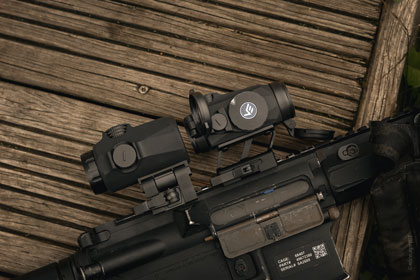
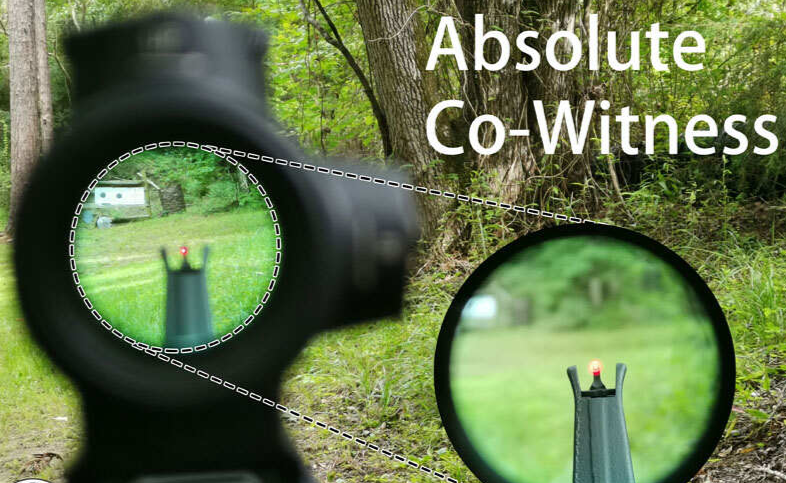
Designed for maximum visibility in harsh sunlight, fiber dot reticles use ambient light to enhance brightness—making them ideal for strongest sunlight condition.
●Red & Green Dot Illumination:
Both colors offer enhanced contrast, but their effectiveness can vary by environment:
Green Dot: Performs exceptionally well in desert, sandy, or dry grassland environments, where green stands out more clearly against lighter backgrounds. It’s also easier on the eyes and reduces fatigue during prolonged use.
Red Dot: Works well in darker or forested environments, providing strong contrast against green or shaded terrain.
Choosing the right color and reticle type ensures clear aiming points and faster target acquisition, even in the most challenging lighting conditions.
What Are the Downsides of a Christmas Tree Reticle?
A Christmas tree reticle is designed to provide multiple reference points for both elevation and windage holdovers, making it especially useful for rapid follow-up correction in benchrest shooting and hunting scenarios. The grid-like pattern helps shooters make quick, precise adjustments without needing to dial turrets.
However, one potential drawback is that the dense reticle structure may clutter your field of view, which can be distracting or make it harder to spot smaller targets—especially in dynamic environments or at longer distances.
In summary, while a Christmas tree reticle excels in precision and speed, it may not be ideal for shooters who prefer a cleaner sight picture.

Is the G4 Reticle Right for Your Hunting Needs?
The G4 reticle is ideal for short-range shooting, featuring a simple central aiming point and clean crosshairs. Its uncluttered design provides a clear field of view, making it easy to acquire targets quickly—perfect for fast-paced or instinctive shooting.
However, since the G4 reticle lacks detailed holdover or windage markings, you may need to rely on guesswork or experience for bullet drop compensation and precise adjustments at extended distances.
In summary, the G4 reticle is best suited for shooters who prioritize speed and simplicity over long-range precision.

Which Focal Plane Is Best for Your Shooting Scenario?
When choosing a scope, understanding the focal plane is essential—especially when paired with different reticle designs for specific shooting distances.
●First Focal Plane (FFP)
In FFP scopes, the reticle scales with magnification. This means the spacing between the reticle’s marks (e.g., mils or MOA) remains accurate at any magnification level.
Best for: Medium to long-range shooting, where precision and consistent holdovers matter.
Ideal Pairing: Reticles with bullet drop compensation (BDC), mil-dot, or Christmas tree designs.
●Second Focal Plane (SFP)
In SFP scopes, the reticle stays the same size no matter the magnification. The reticle’s subtensions (spacing) are only accurate at one specific magnification, usually the highest.
Best for: Short to mid-range shooting, or when you prefer a constant reticle size for faster target acquisition.
Ideal Pairing: Simpler reticles (e.g., duplex, G4, or basic BDC) that prioritize clarity over dynamic adjustments.
Check our next blog post to learn more about specific ones.
Here is our Reticle Collection, you can discover more designs and select the model built around your preferred reticle.
FAQ
Q1. What affects how a reticle looks to the shooter?
Optical design plays a major role, including how the reticle is etched or projected inside the scope. Coating quality also affects contrast and clarity, especially in low light or high-glare environments. In illuminated systems, the internal projection and illumination design further influence brightness, sharpness, and how “clean” the reticle appears against the target.
Q2. What is reticle visibility in different conditions?
It refers to how clearly the reticle can be seen against the background under different lighting environments such as bright sunlight, shade, dusk, or indoor settings. Good visibility means
the reticle remains easy to pick up without overpowering the target image, while poor visibility can make it fade into the background or appear too bright and distracting depending on conditions.