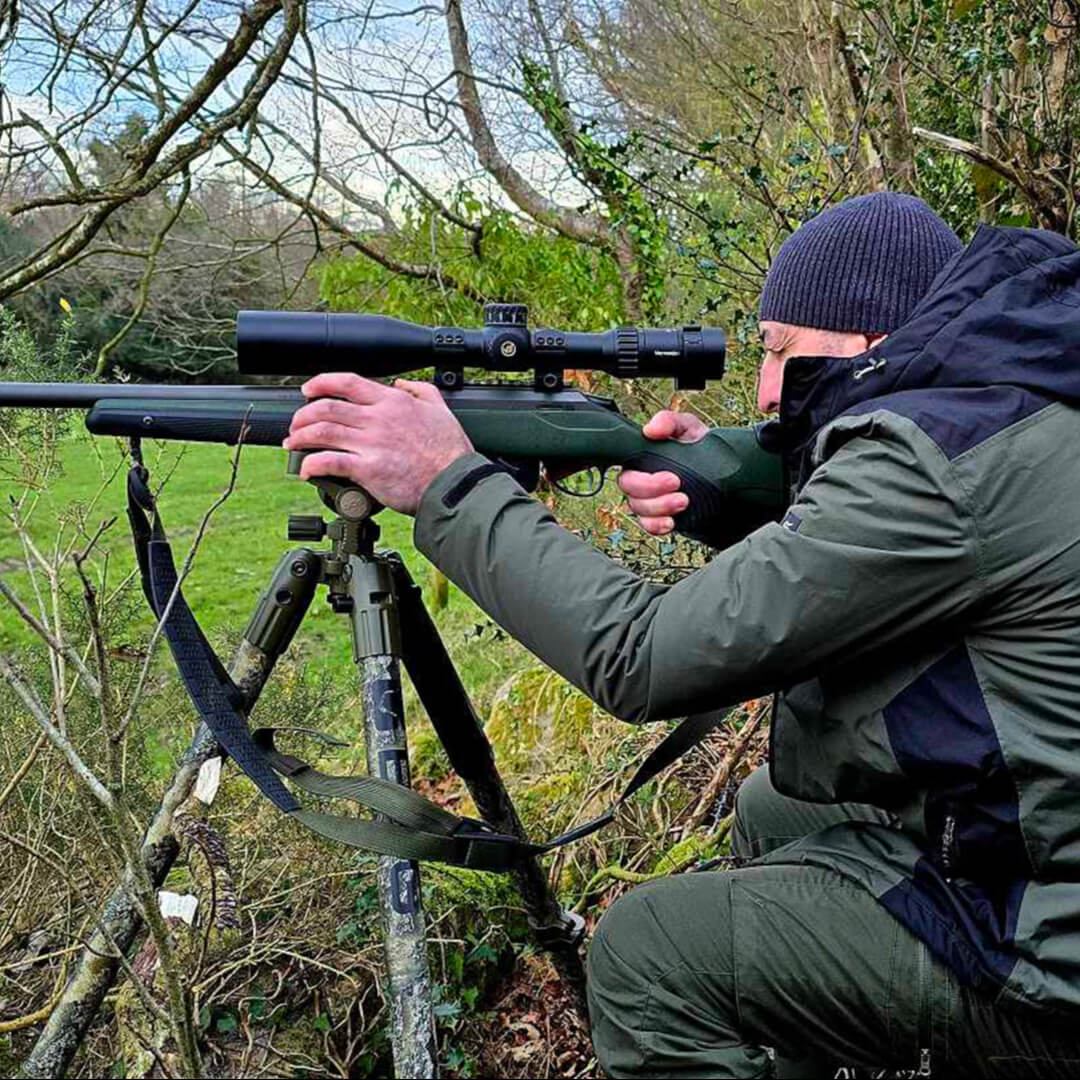
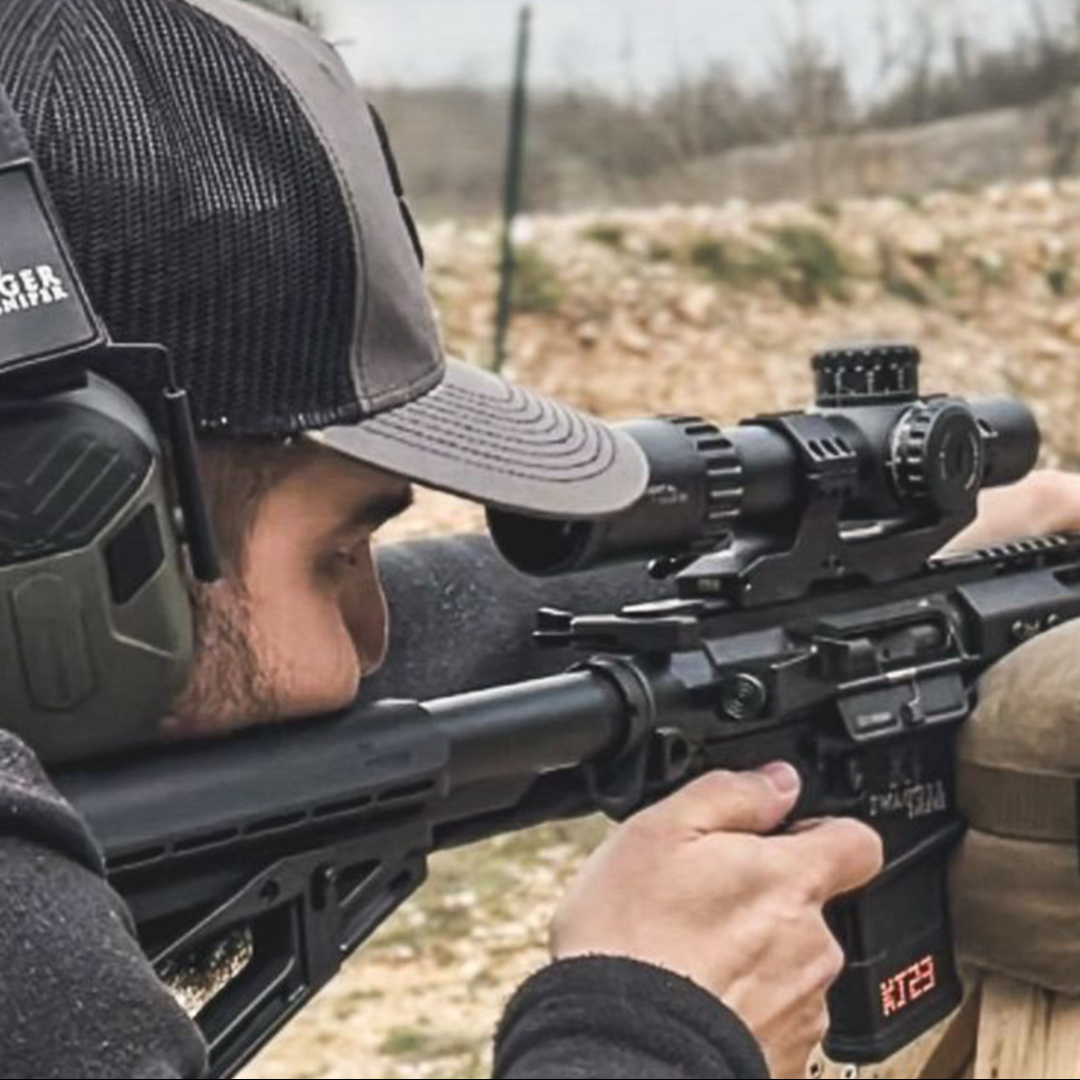
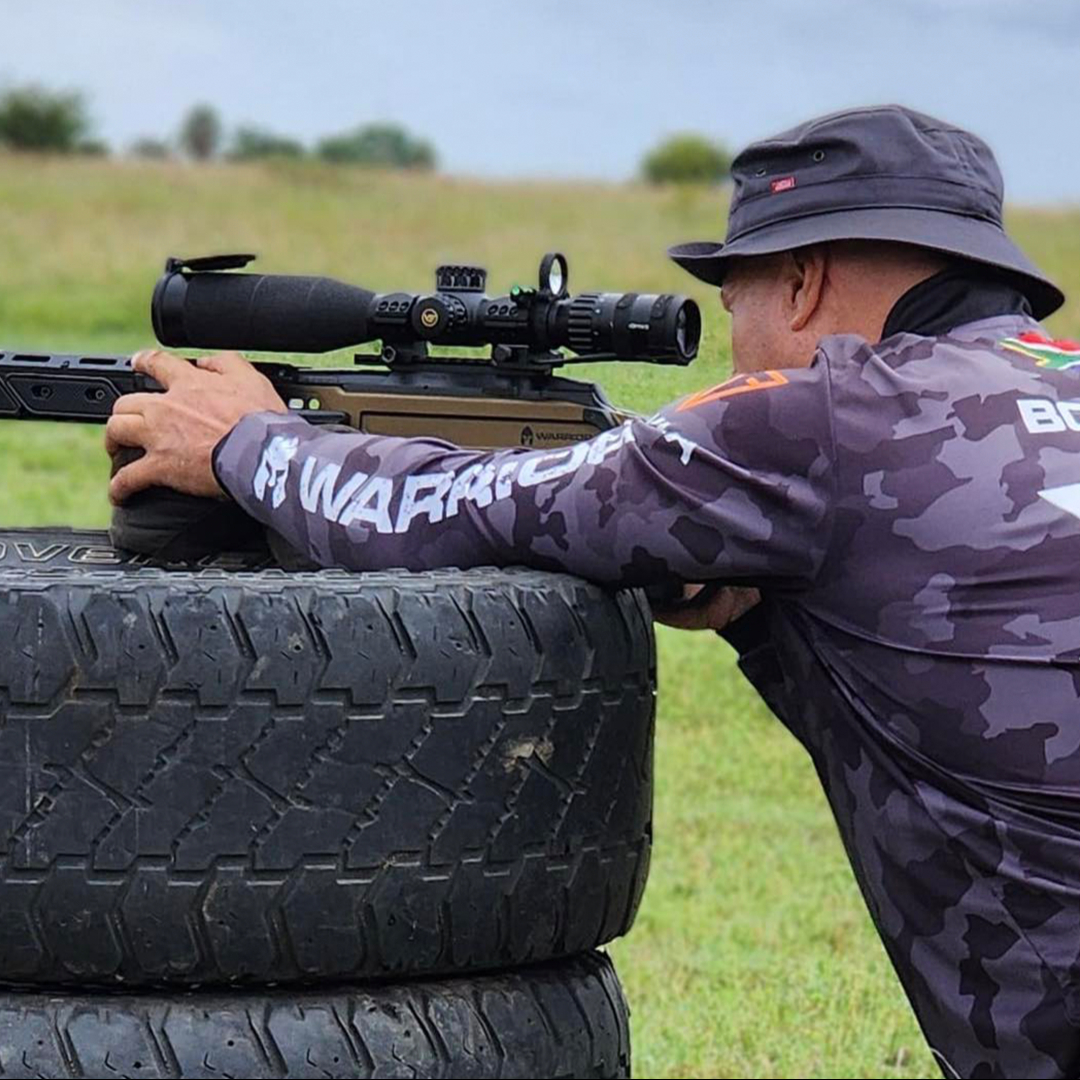
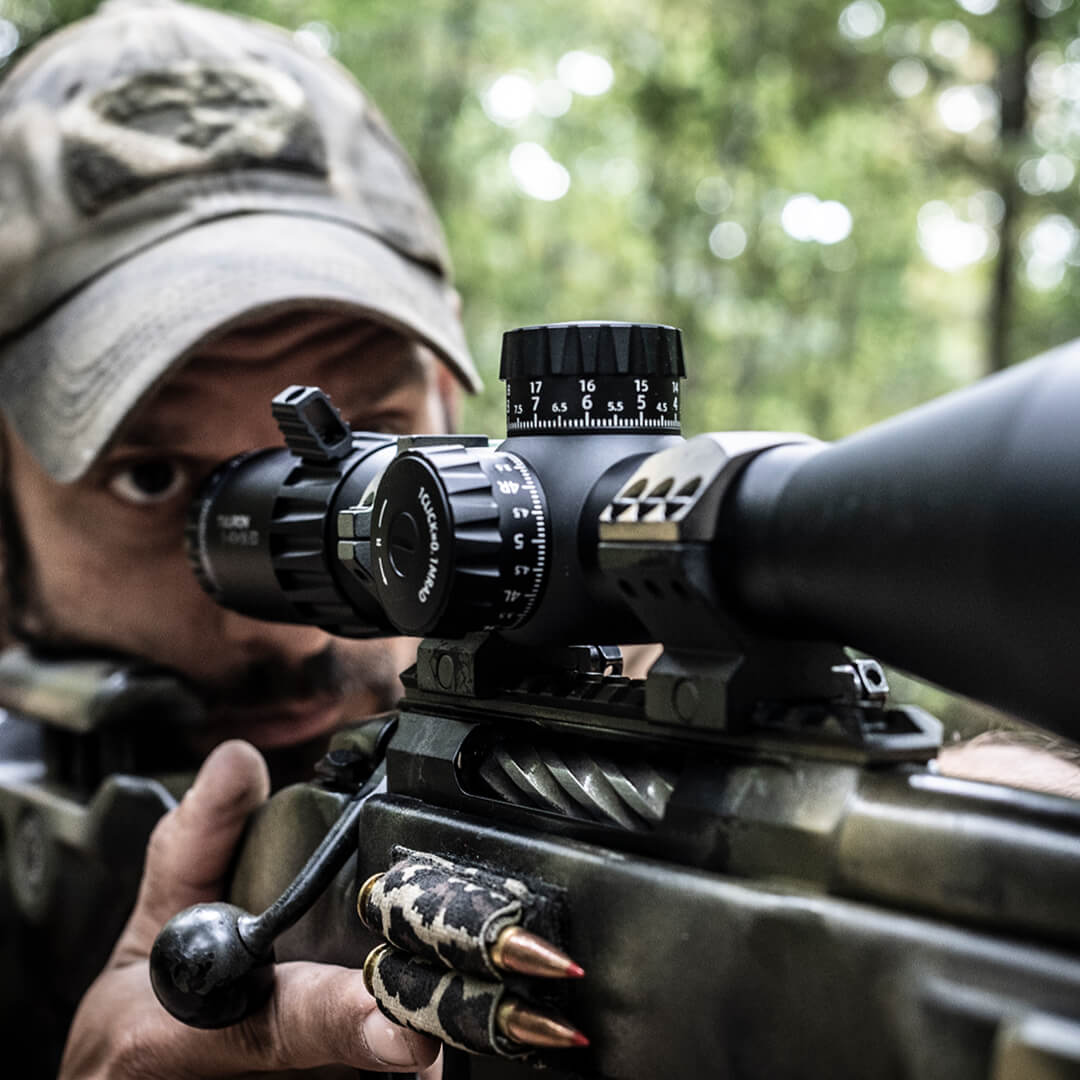
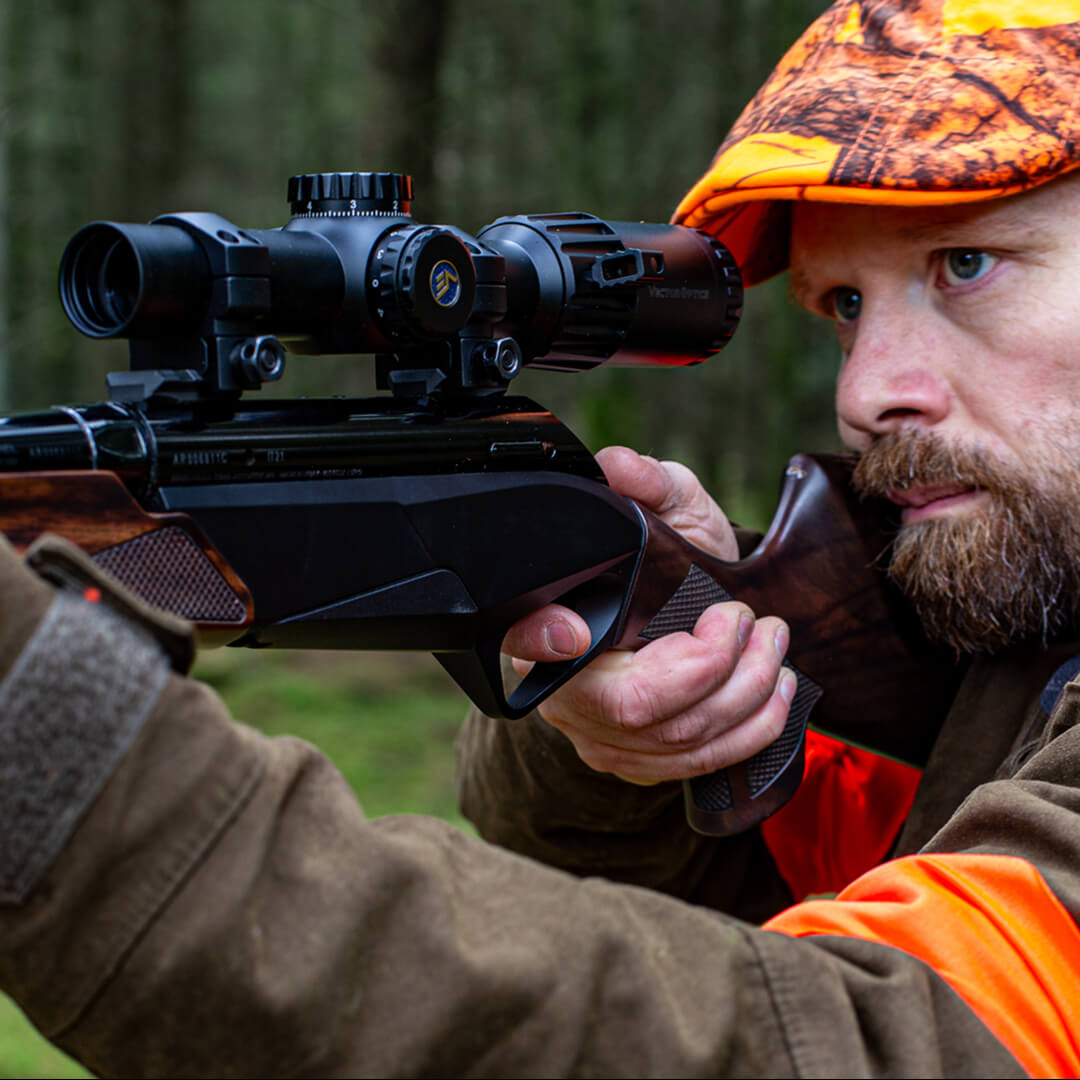
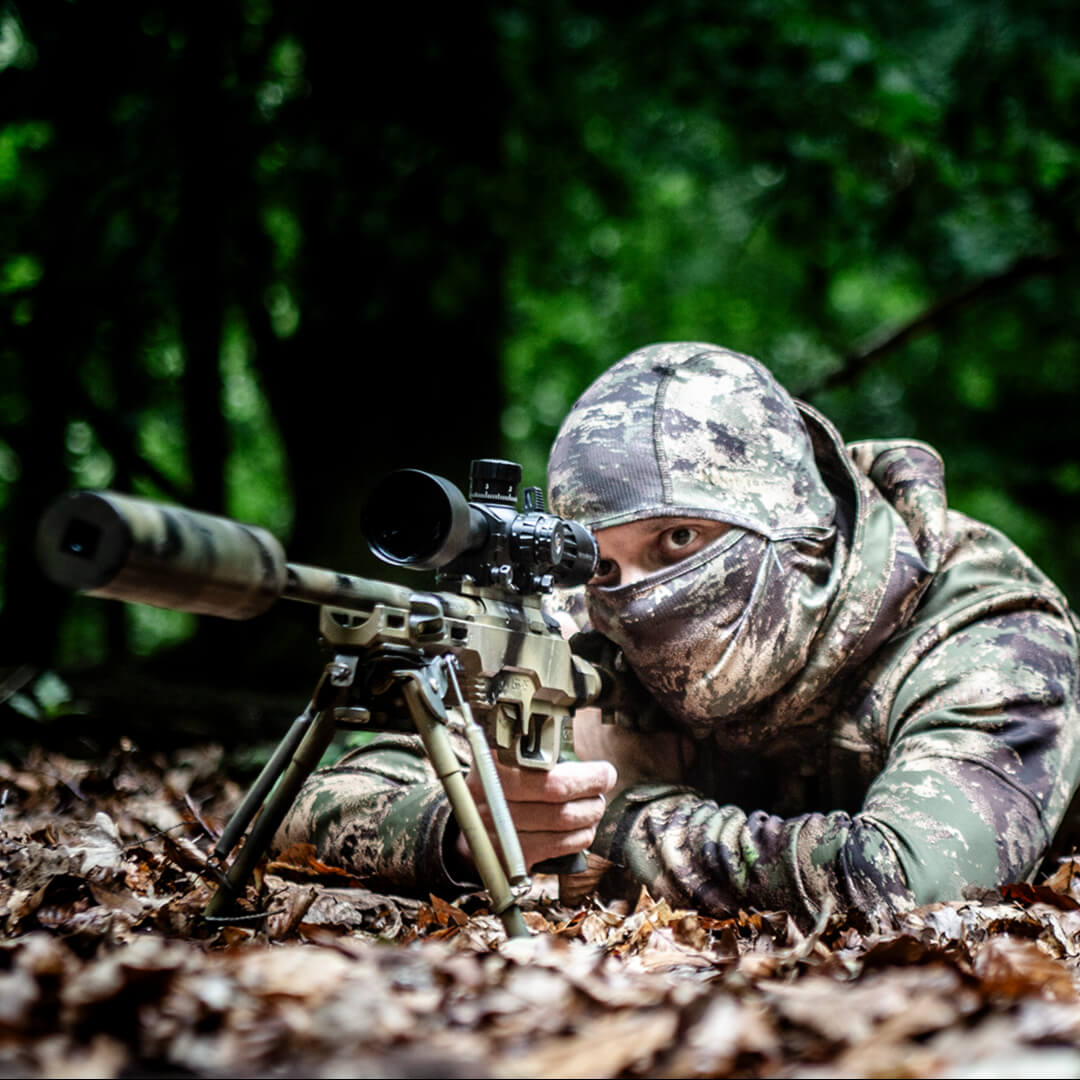
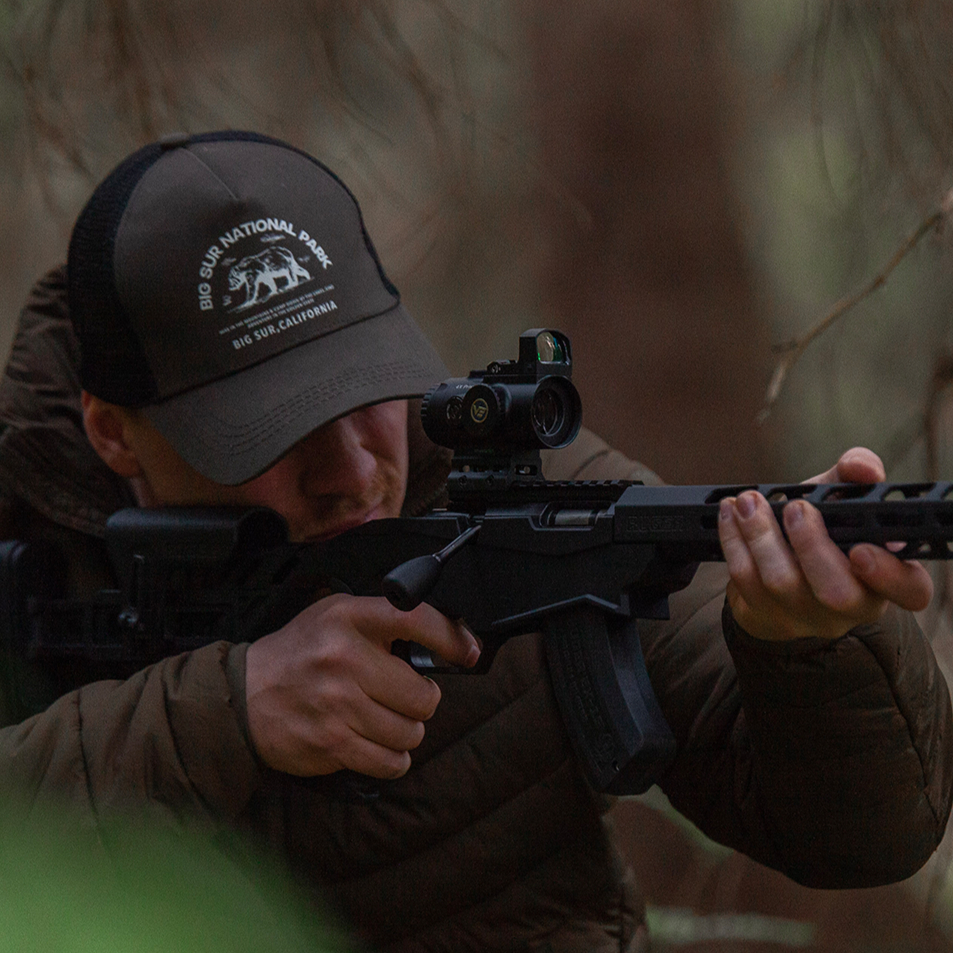
SPR (Special Purpose Rifle) and DMR (Designated Marksman Rifle) are two commonly discussed precision-oriented rifle concepts. Both go beyond a standard rifle setup, but the real difference comes more from intended use than from any single caliber, platform, or scope magnification range.
Understanding the meaning of SPR and DMR is key when deciding between an SPR rifle and a DMR rifle. Choosing the right SPR gun or DMR gun requires understanding their specific roles, effective ranges, and handling characteristics.
1. What is SPR?
SPR stands for Special Purpose Rifle. A SPR rifle is usually a precision-oriented, semi-automatic rifle setup made for accurate shooting at intermediate to medium-long distances, typically within around 600 meters, while still remaining practical to carry and handle.
Main features of a SPR rifle:
Usually uses a match-grade or free-floated barrel
Typically features a twist rate of 1:7 or 1:8
Often features a 16–18 inch barrel, depending on the build and intended role
May use an adjustable stock for a consistent shooting position
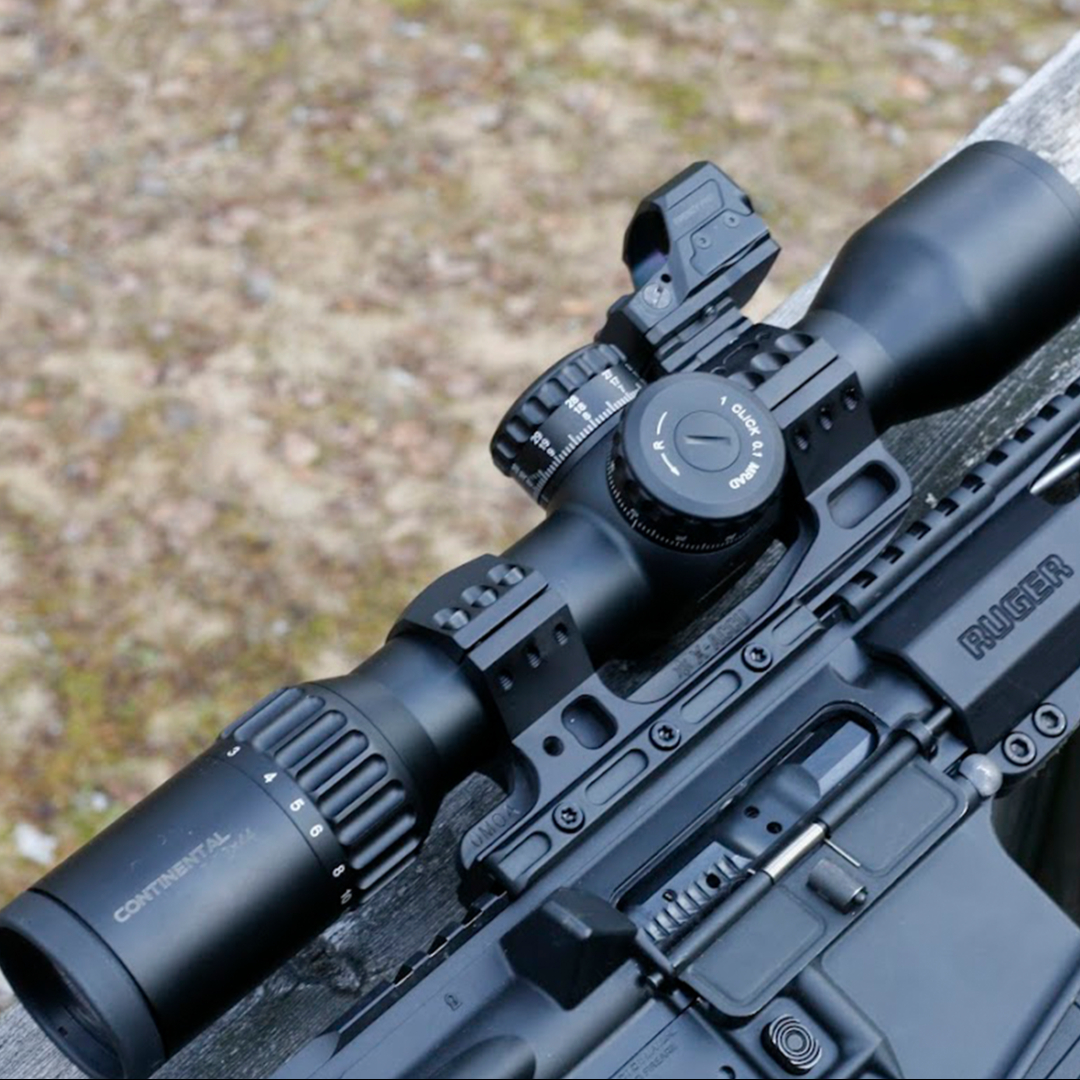
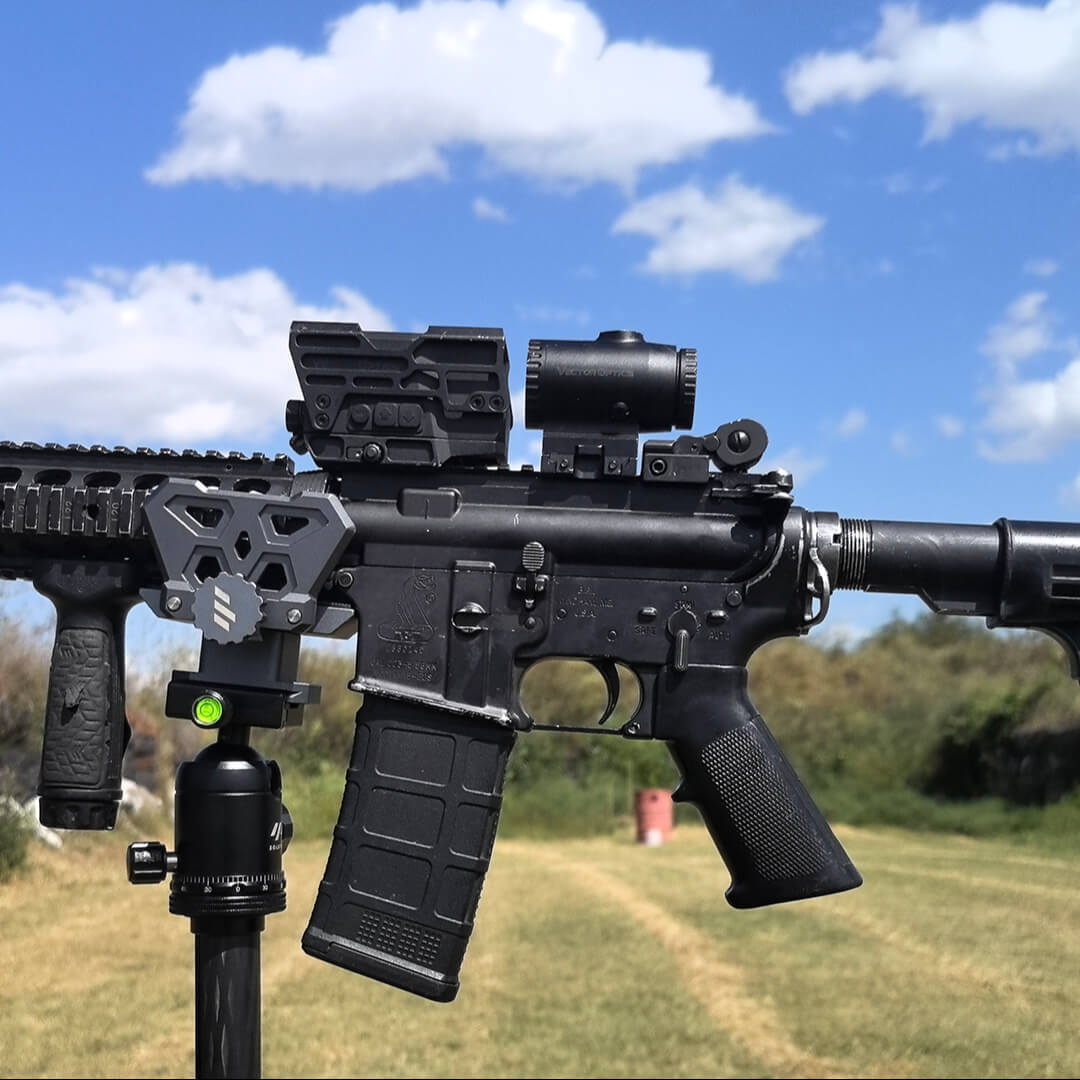
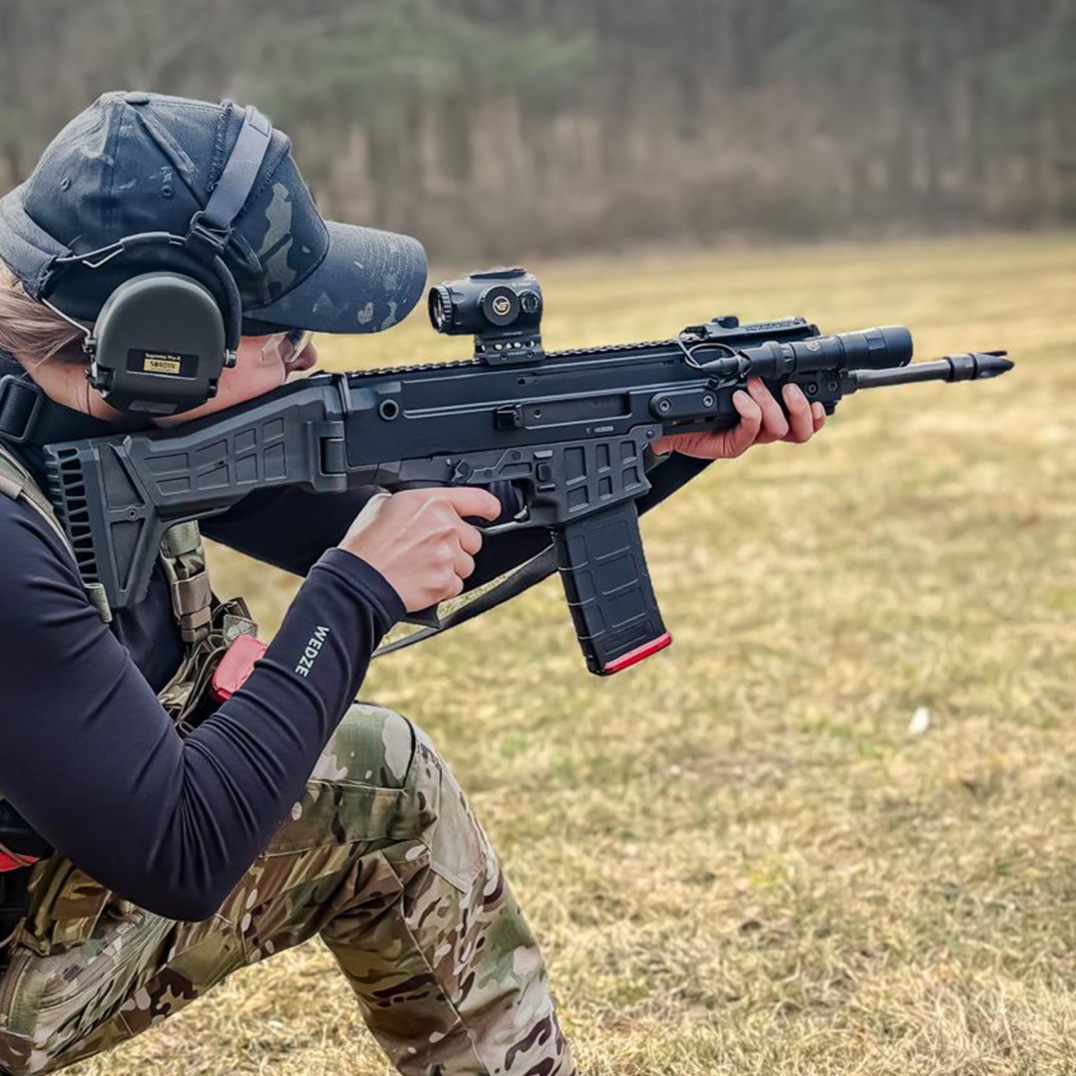
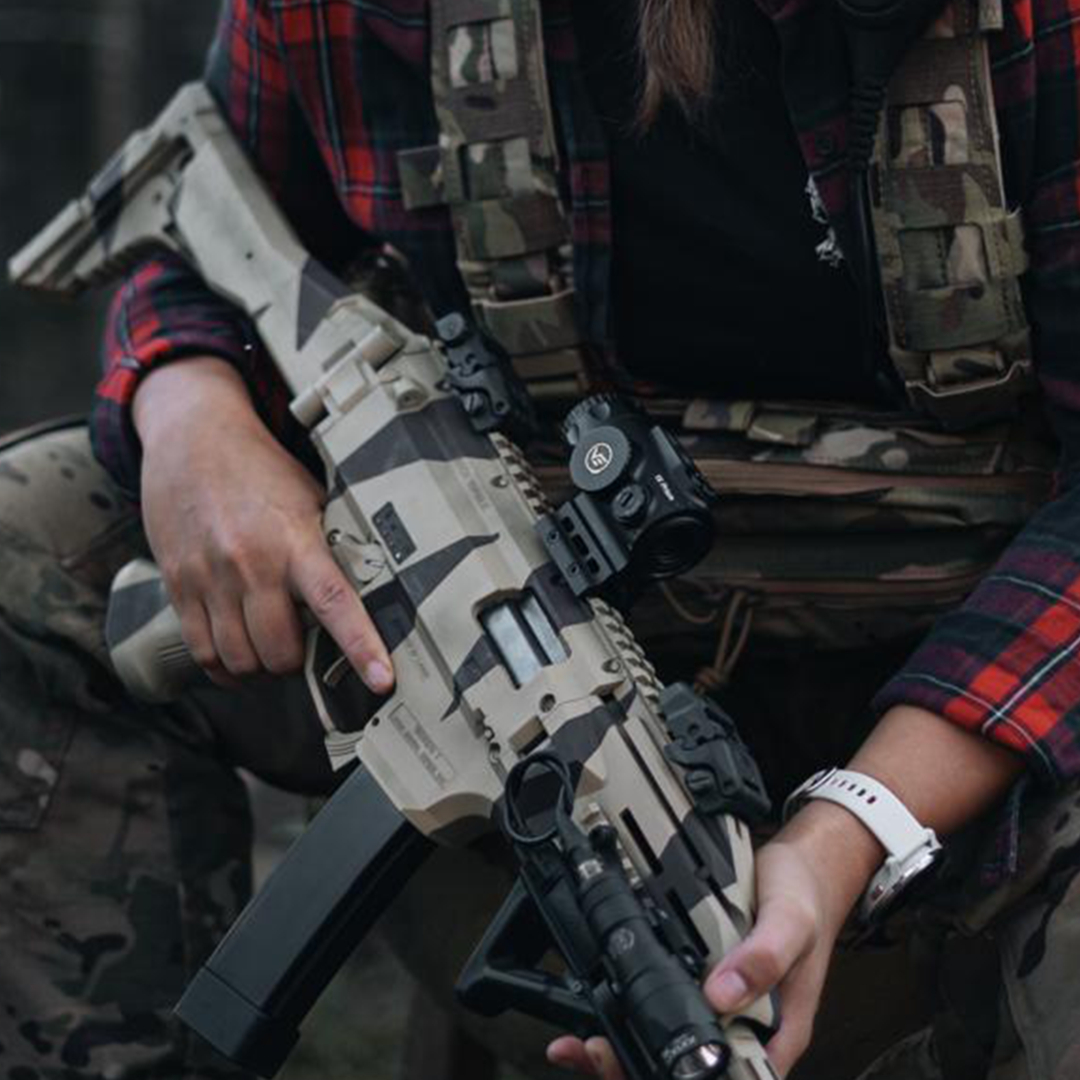
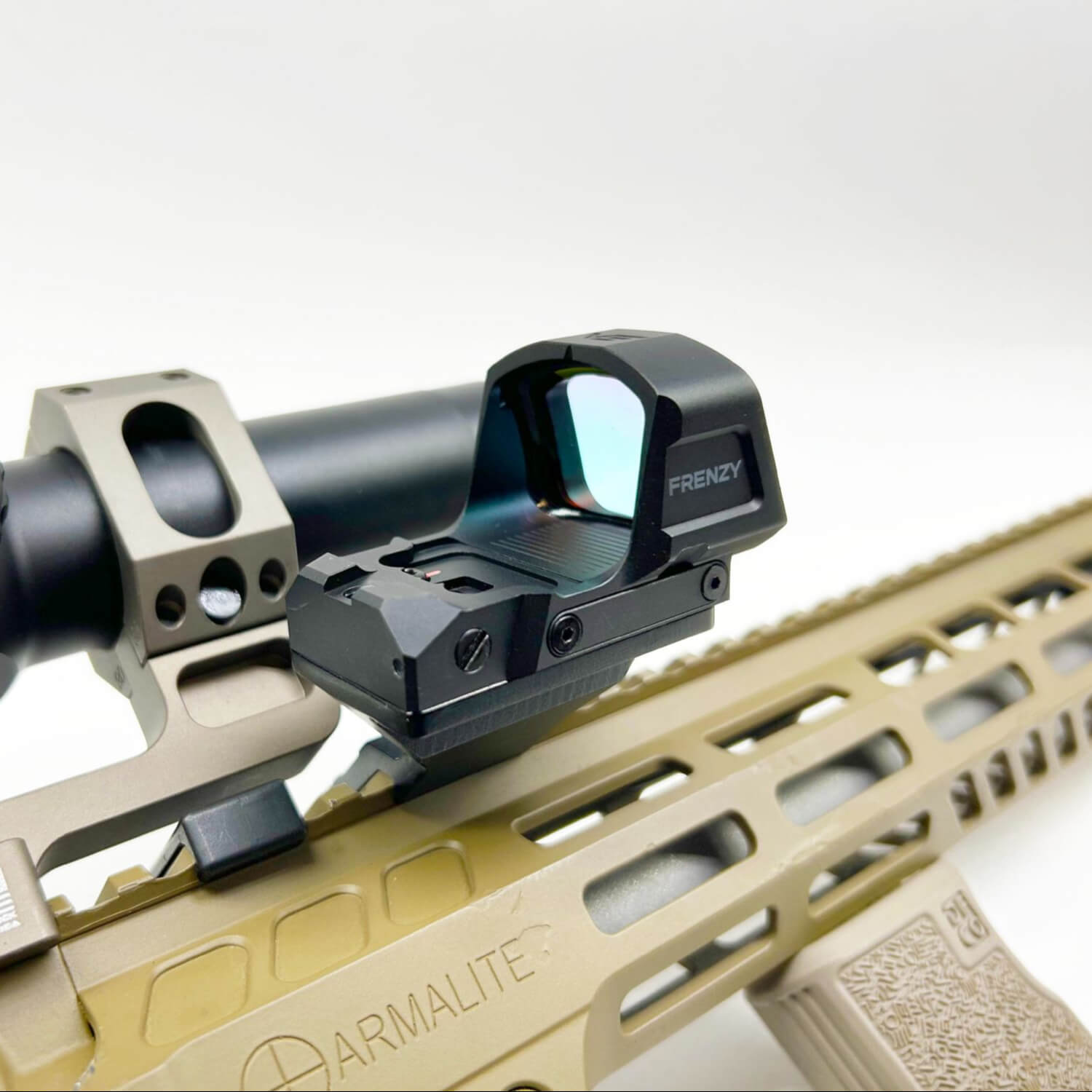
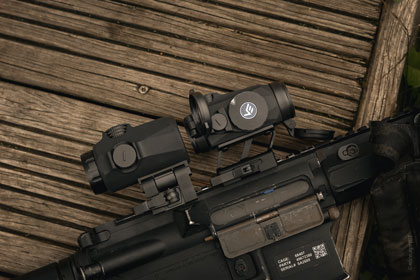
Often pairs well with LPVOs, MPVOs, plus a piggyback or 45-degree offset red dot.
Designed to balance precision, mobility, and fast target transitions
So, the SPR meaning is simple:
A precision-oriented and versatile rifle setup built for accuracy, consistency, and practical handling at distance.
2. What is DMR?
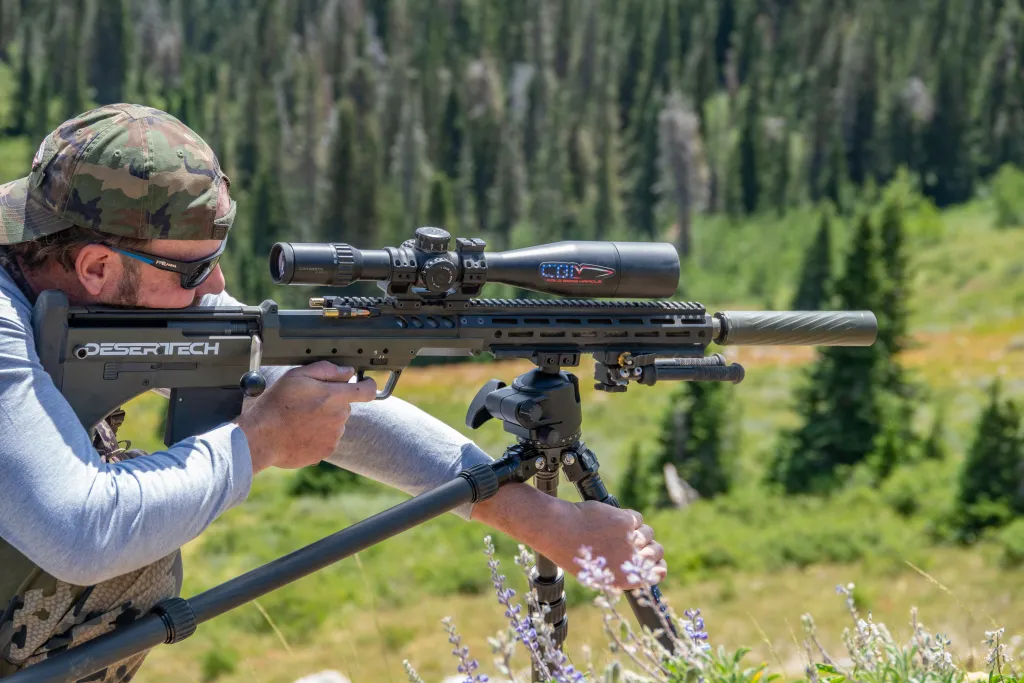
DMR stands for Designated Marksman Rifle. A DMR rifle is used by a designated marksman to make accurate shot beyond standard rifle distances while remaining integrated with a squad or team. It is designed to make precise hits at extended ranges, often beyond 800 meters, with reduced holdovers and adjustments in competition or defensive settings.
A DMR rifle is commonly built for:
More accurate shots to support a squad or shooting team
Reliable performance during repeated shots or multiple target engagements
Fast follow-up shots from a semi-automatic platform
Practical field use rather than benchrest-style precision
Engagement flexibility at medium to longer distances
So, the DMR meaning is:
A rifle designed to deliver accurate, repeatable shots beyond standard rifle distances.
3. SPR vs. DMR: What Really Separates Them?
Both are accurate rifles, but the difference is mainly about how each rifle is set up and used.
Feature | SPR | DMR |
Main Role | Mobile precision rifle | Extended-Range precision rifle |
Effective Range | 600 meters (656 Yds) | 800-1000 Meters (875-1093 Yds) |
Build Style | Lighter and more versatile | More stability-focused |
Recommended Optic Setup | LPVOs or lightweight MPVOs paired with a piggyback or offset red dot | MPVO, medium-to-higher magnification scope |
Chamberings / Cartridges | 5.56×45 NATO, .223 Wylde chamber, 6mm ARC, 6.5 Grendel | 7.62×51 NATO / .308 Win, 6.5 Creedmoor, 6.5×47 Lapua |
Caliber Focus | Lighter recoil and faster handling | Stronger long-range performance and better wind resistance |
Key Advantage | Better mobility and faster handling | Better support capability at longer distances |
Typical Use | Versatile precision and faster transitions | More stable, observation-oriented precision support |
4. How to Choose the Best Rifle Scope for an SPR or DMR
The optic choice is just as important as the rifle itself.
What Makes a Good SPR Setup?
SPR rifles are designed to balance precision, speed and versatility. Key scope requirements for a SPR rifle include:
Low to medium power scope with throw lever and offset/piggyback red dot sight
Clean reticle for quick holdovers without visual clutter
Wide field of view for easier scanning and target tracking
Long eye relief for better situational awareness
Locking ballistic turrets for easy adjustments and preventing accidental changes.
Cantilever mount for maximum comfort and eye relief
Lightweight design for better rifle balance and easier carry
Recommended SPR Scopes
Continental x10 1-10x28 ED RAR-C Rifle Scope (SCFF-62)
A FFP scope built for SPR setups, combining true 1× power with precise performance at distance.
Key Features
German Schott HT, LaREE HD, FMC & ED Glass for Clear Views
True 1x Magnification Enables Both-Eyes-Open Shooting
>51 MIL elevation range with turret lock and zero stop
Continental 1-8x24i Fiber LPVO (SCOC-45)
An SPR scope designed for precision at extended distances with reliable handling and performance.
Key Features
Fiber optic reticle for excellent visibility, even in bright sunlight
German Schott HT glass w/ fully multi-coated lenses for improved clarity
Lockable 1/10 MIL turrets for field adjustment
Veyron GenII 2-10x32 HD CTR FFP Rifle Scope (SCFF-83)
A compact SPR optic built for shooters who want more precision than a standard LPVO while keeping the rifle short, balanced, and easy to handle.
Key Features
2-10x magnification for close-to-medium range flexibility
Ultra-short 243 mm / 9.6 in body for better rifle balance
34 mm monotube with 1/10 MIL adjustment
HD glass with fully multi-coated lenses
Long eye relief, 10-yard minimum focus, and one-piece mount included
What Makes a Good DMR Setup?
DMR rifles are usually used at medium to longer distances, so they often benefit from scopes with a little more magnification than typical SPR setups. Key scope requirements for a DMR rifle include:
Clear glass for better target identification and shot placement
FFP reticle for accurate holds across the magnification range
More top-end magnification for extended-range use
Repeatable turret adjustment for elevation and wind calls
Side focus / parallax adjustment for sharper target definition
A stable mechanical system that supports repeated follow-up shots
Recommended DMR Scopes
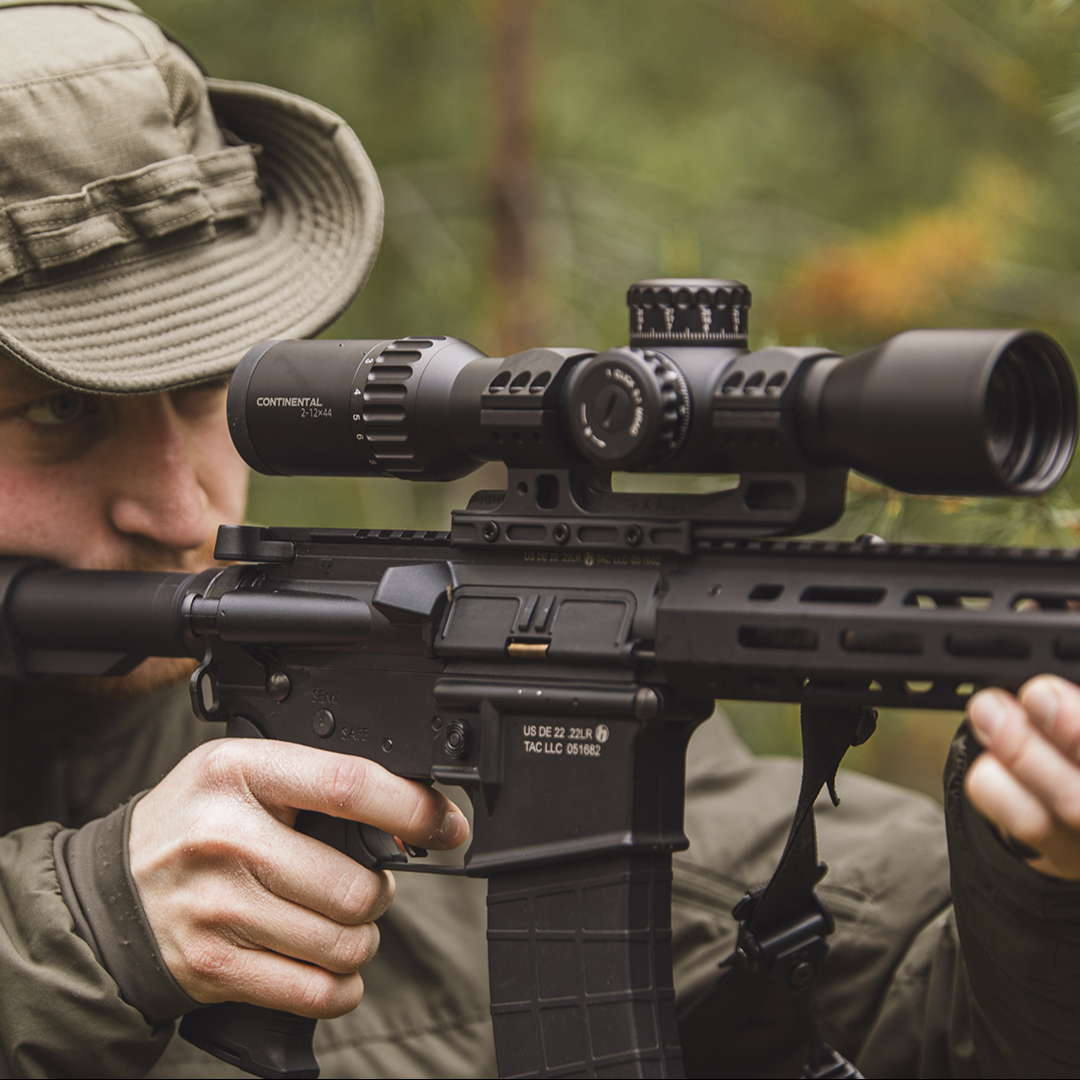
Continental x6 2-12x44 RAR FFP (SCFF-69)
A strong fit for shooters who want an DMR setup with more observation capability while still keeping a versatile magnification range, and lifetime warranty support.
Key Features
German Schott HT glass with 90% light transmission
65 MIL rapid acquisition ring for fast target acquisition
63 MIL elevation range with zero stop
For a detailed overview, see this video.
Tauron 4-16x44 HD MIL FFP (SCFF-79)
A competition-ready DMR scope that combines advanced turret features with dependable tracking performance.
Key Features
34mm tube with 42 MIL elevation range
0.04 MIL center dot for fast aiming
Zero stop, revolution indicator, and turret lock
Continental x6 3-18x50 VCT FFP (SCFF-28)
A well-balanced DMR scope designed for accurate target identification and precise shot placement at extended distances.
Key Features
FFP reticle for accurate holdovers at any magnification
34 mm tube with 44 MIL adjustment range and precise 1/10 MIL click value
German Schott HT Glass with VePRO FMC for bright images
Continental x6 4-24x56 FFP (SCFF-39)
A high-magnification DMR scope built for shooters who want greater magnification and enhanced low-light performance.
Key Features
4-24× magnification for extended-range shooting
Large 56 mm objective for excellent low-light performance
0.04 MIL center dot for long range targeting
For a closer look at this DMR scope, check this video.
Tauron 3-18x50 GenII Rifle Scope (SCFF-64)
A capable SPR optic built for shooters who want the flexibility of holdovers and turret dialing in one scope.
Key Features
30 mm tube with 29 MIL elevation & 1/10 MIL clicks
Zero stop and turret lock for confident dialing
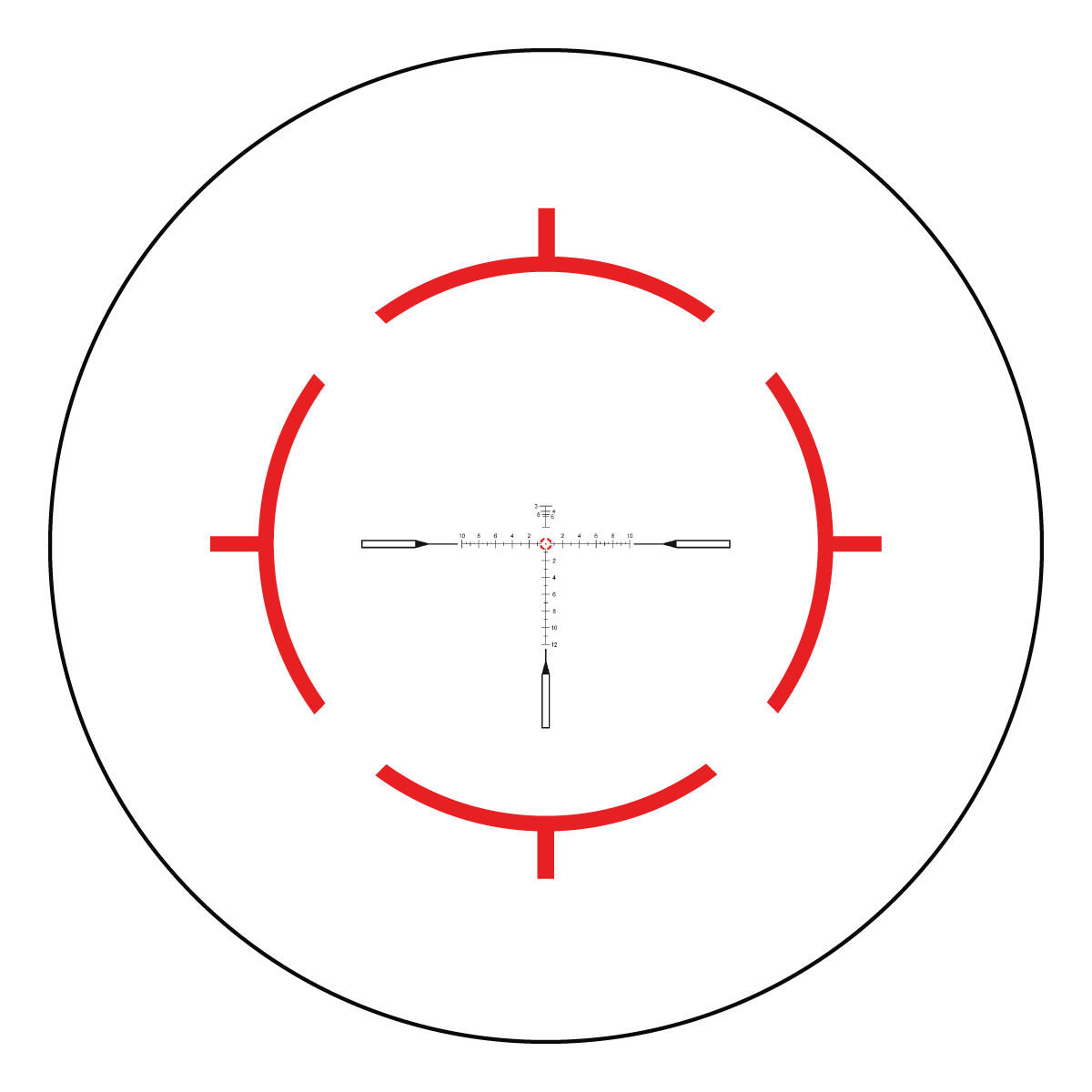
FFP reticle with BDC holdovers w/ 0.1 MIL center dot for precise aiming
5. Final Thoughts
The difference between SPR rifles and DMR rifles is how they are used in real shooting conditions.
SPR rifle = light setup, fast handling, and flexible medium-range use
DMR rifle = stable setup and stronger long-range performance
SPR and DMR are not separated by one fixed rule. In real use, they represent different priorities. An SPR setup prioritizes mobility, balance, and practical precision across a flexible range envelope. A DMR setup leans more toward stability, observation, and stronger support performance at distance.
Once you understand that difference, choosing the right rifle scope becomes much easier. The best setup is not the one with the most magnification or the heaviest build — it is the one that matches how you actually shoot.
The best way to refine your setup is to start simple, learn what works for your specific rifle and shooting style, then gradually add or remove equipment as needed. With a reliable rifle and a good scope, you can build the skills and experience needed to become a better marksman.
FAQ
Q1. Can one rifle work as both an SPR and a DMR?
A single rifle can serve both roles by changing the optic and overall setup.
For example, a 16-inch AR-15 can be configured with a lower-power optic for a more mobile SPR-style setup, then switched to a higher-power optic for a more DMR-oriented role.
Many rifle builds can sit between the two roles depending on optic, barrel profile, weight, stock setup, and accessories.
However, once the rifle becomes too heavy or too stability-focused, it usually starts feeling more like a DMR than an SPR.
The real question is not what the rifle is called, but whether the setup matches how the shooter actually uses it.
Q2. Is FFP or SFP better for SPR and DMR shooting?
For precision-focused SPR and DMR setups, FFP scopes are often preferred because the reticle marks stay accurate at every magnification, making holdover and wind correction easier.
SFP scopes can still work well, but their reticle subtensions are usually accurate only at a designated magnification, commonly the highest power.
An easy solution if SFP is preferred is ballistic turret caps which are interchangeable in the new Continova (updated Continental series) as they notate the distance instead of MOA-MRAD, eliminating the need for mental calculation.
Q3. Should I use a bipod on an SPR or DMR rifle?
A bipod can help both setups, but it changes the rifle’s balance.
On an SPR, a vertical foregrip is more common as it serves as a stabilizer against a barricade while being extremely easy to manipulate on the move.
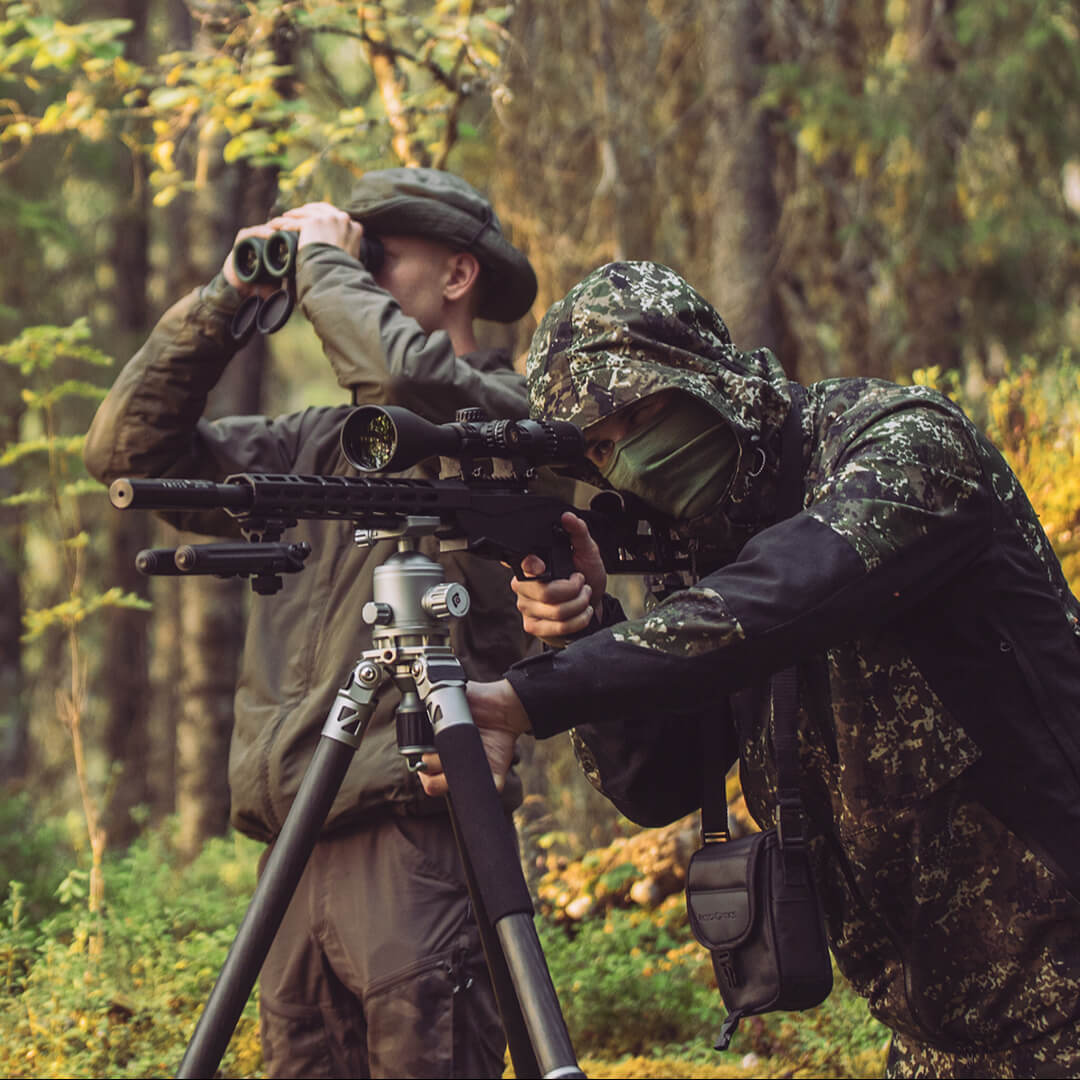
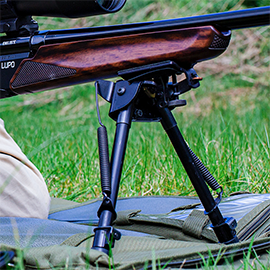
On a DMR, a more stable bipod may make sense because the rifle is often used from supported positions. The key is whether the added stability is worth the extra weight.
Q4. Is a DMR rifle the same as a long-range sniper rifle?
A DMR is meant for stable precision shooting at a longer distance with multiple targets using a higher caliber
A sniper rifle is a high powered precision based rifle meant to be "camped" in a semi-permanent position for extended periods of time, typically only firing a few rounds at specialized targets