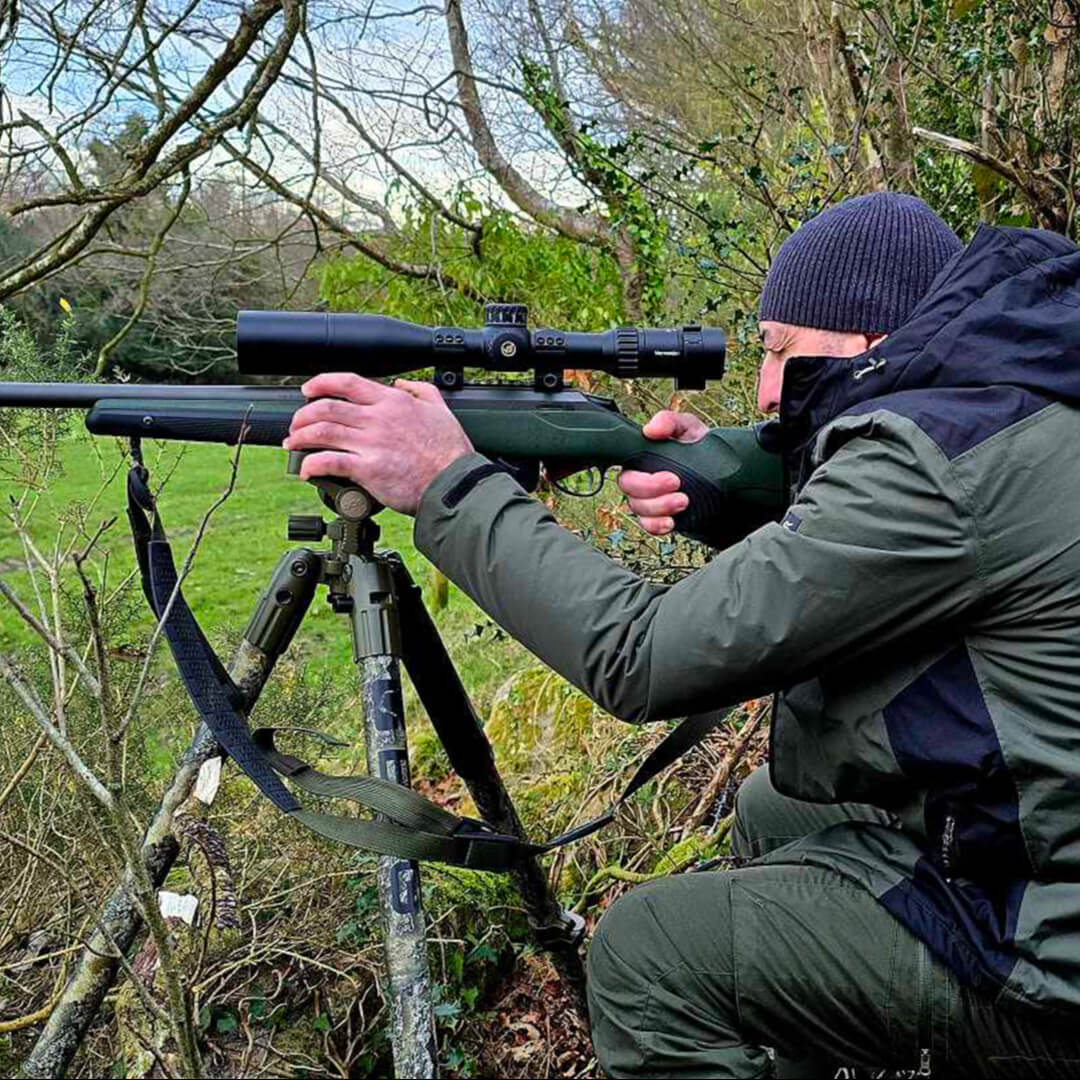
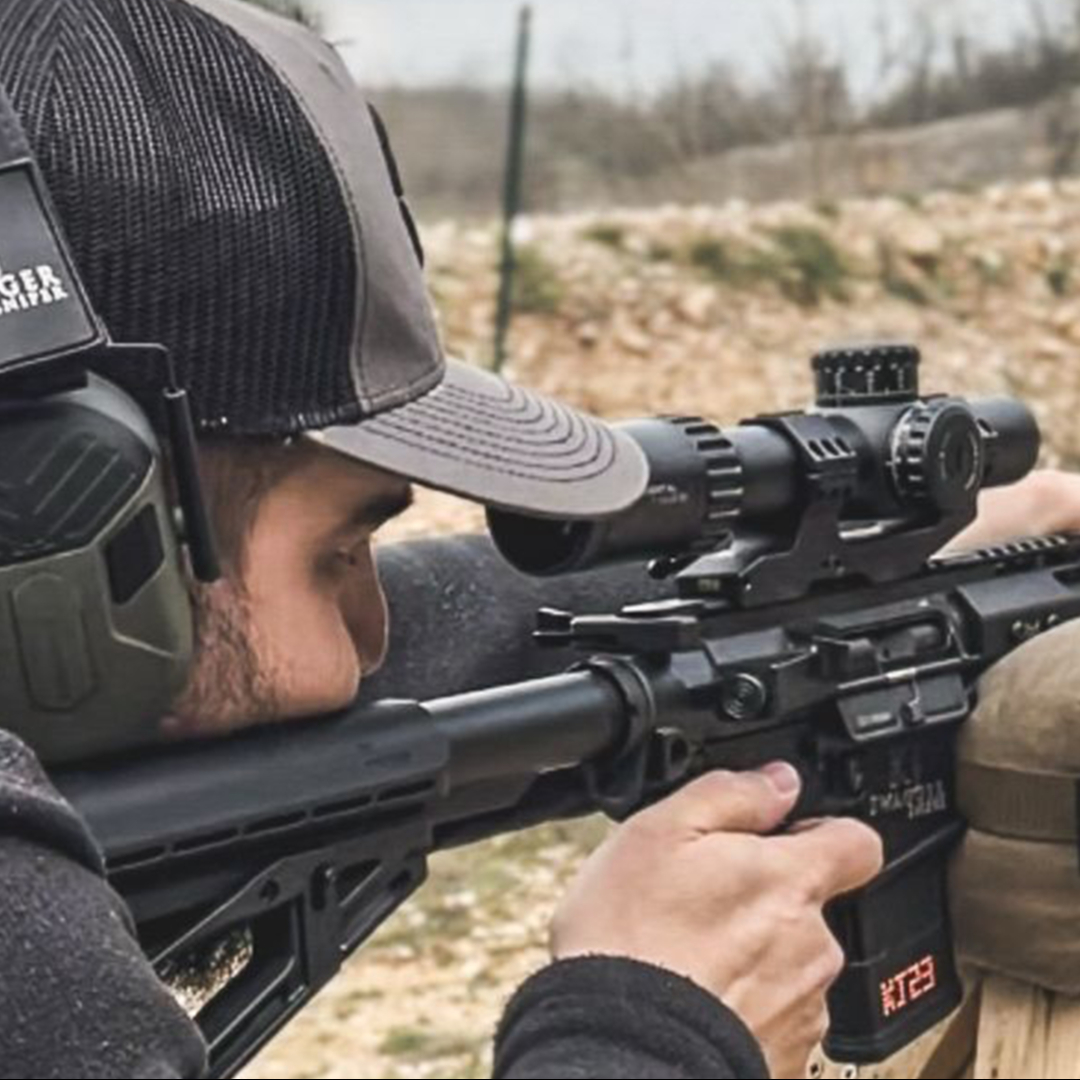
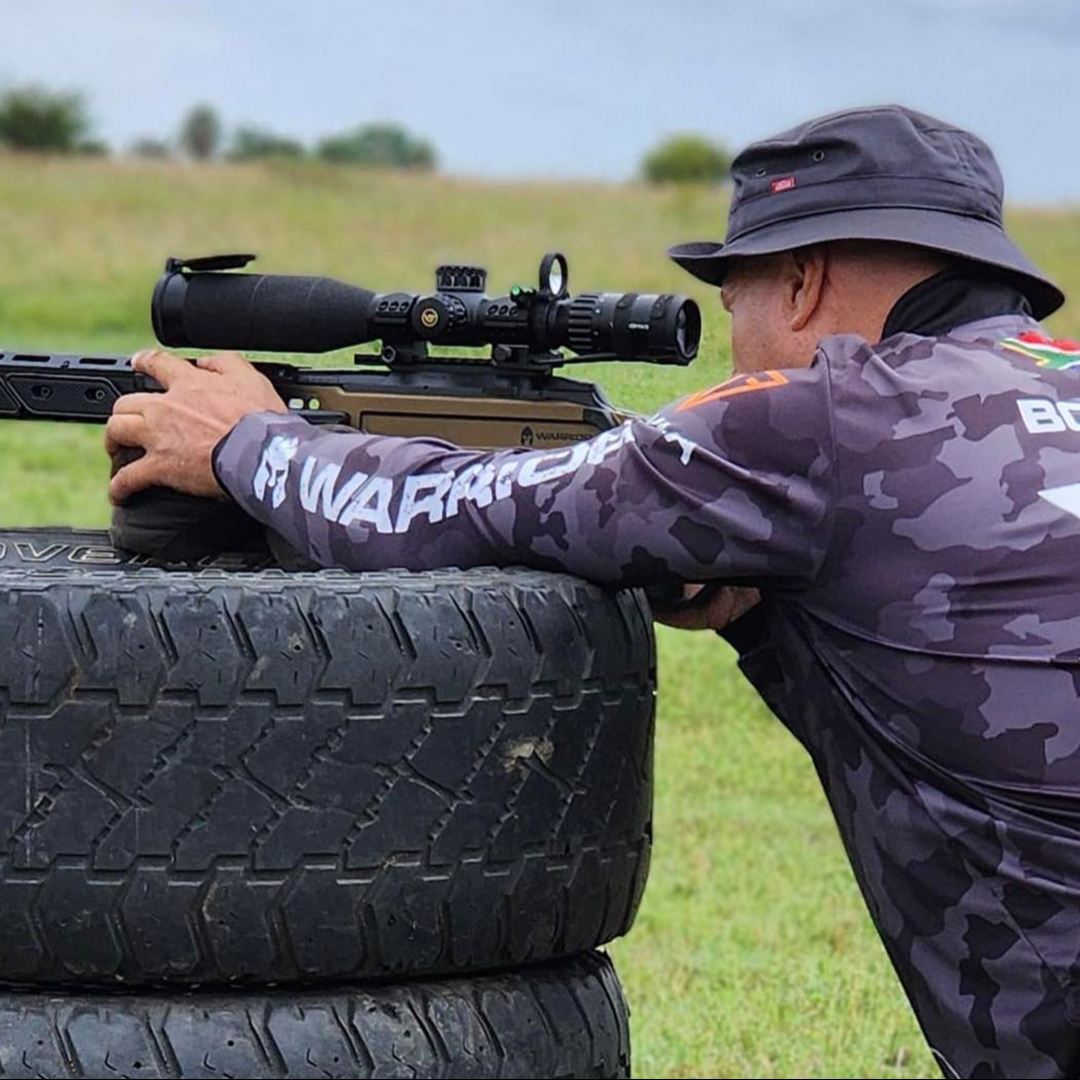
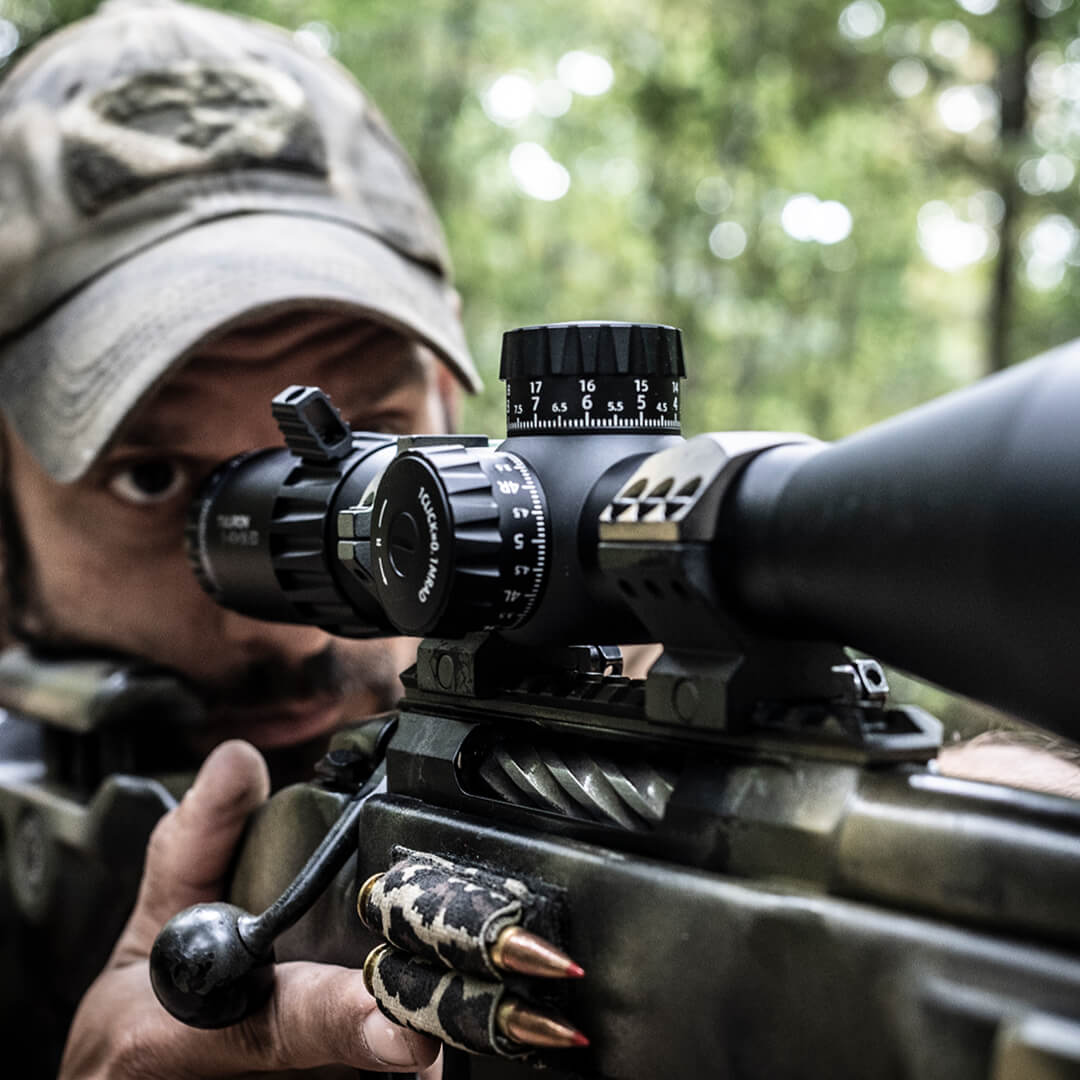
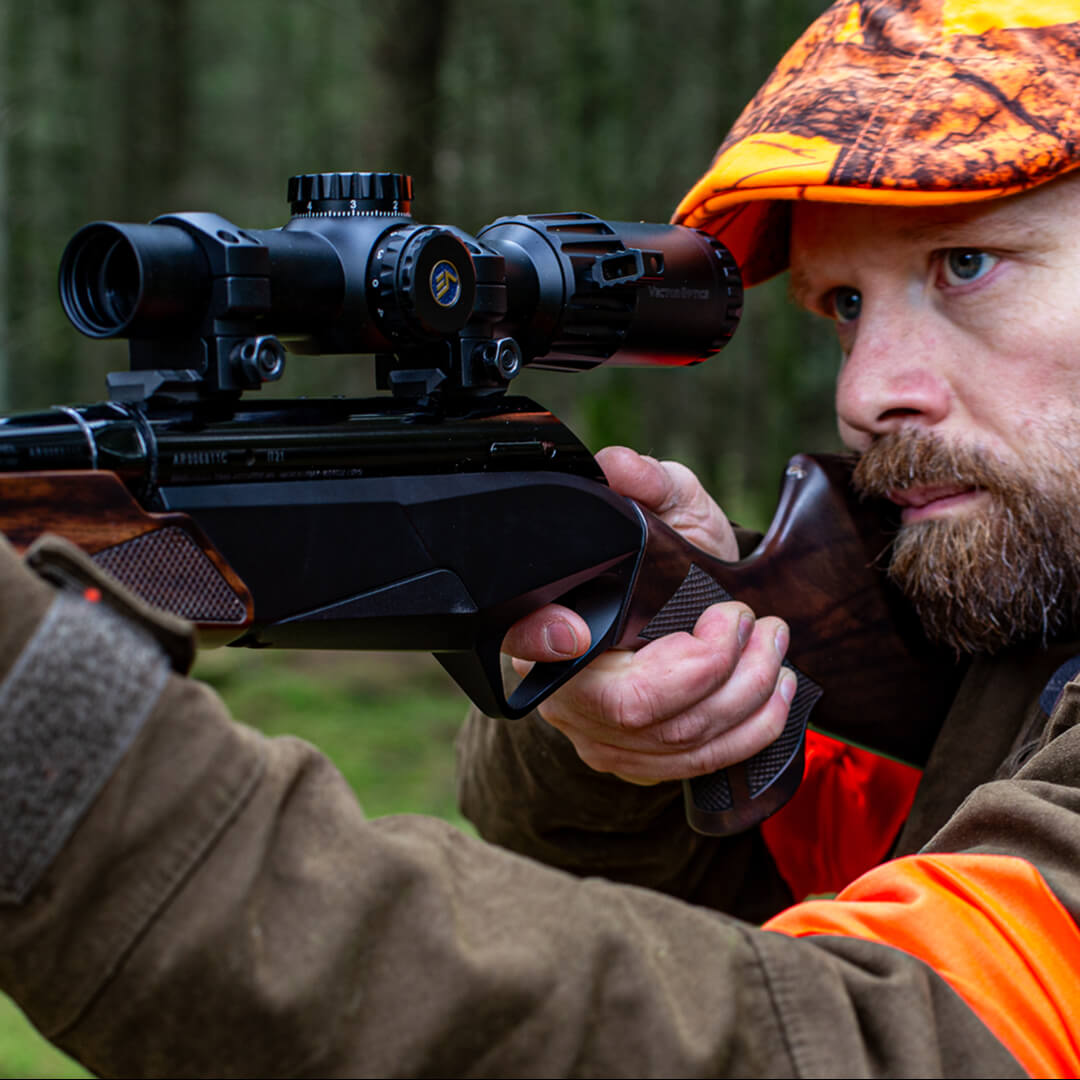
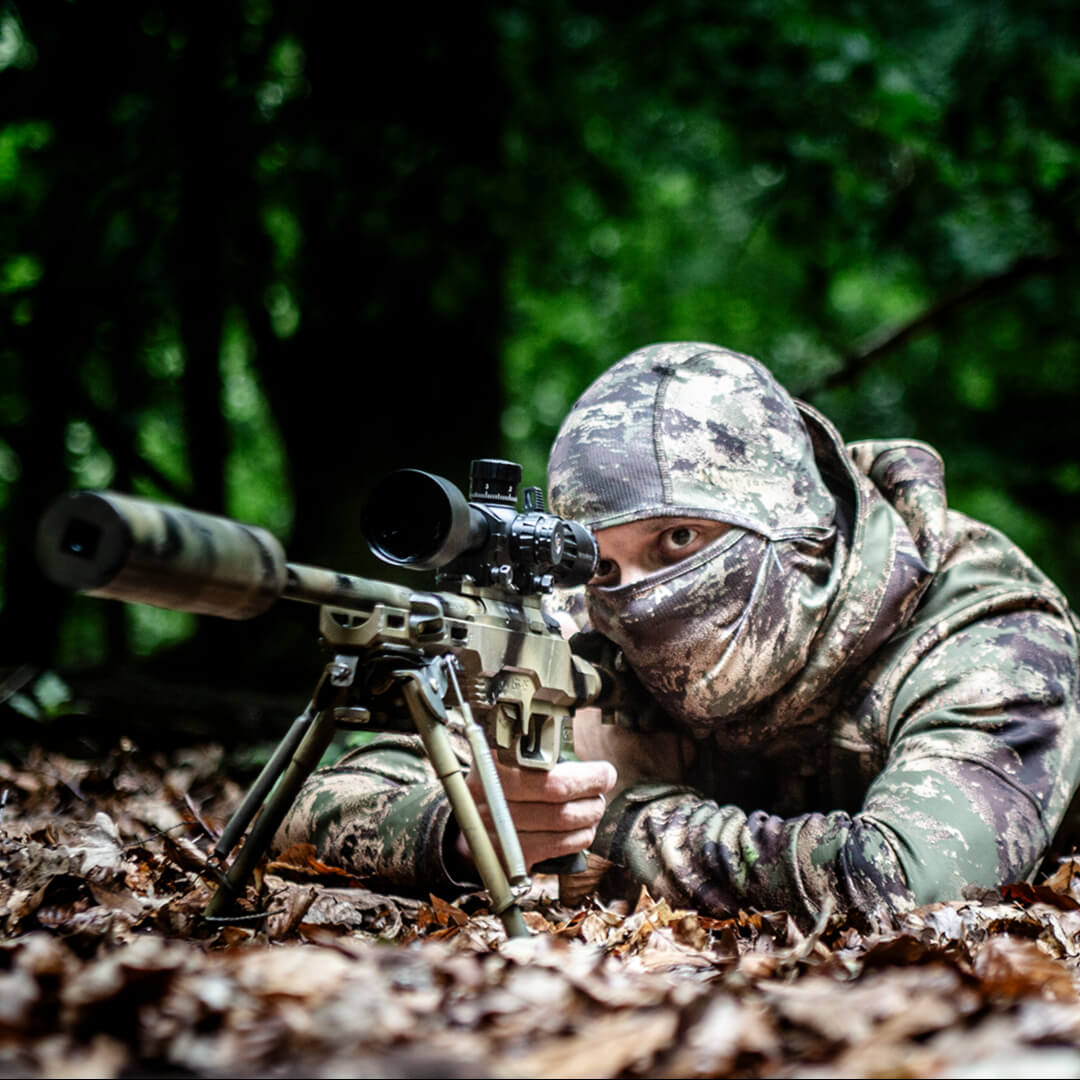
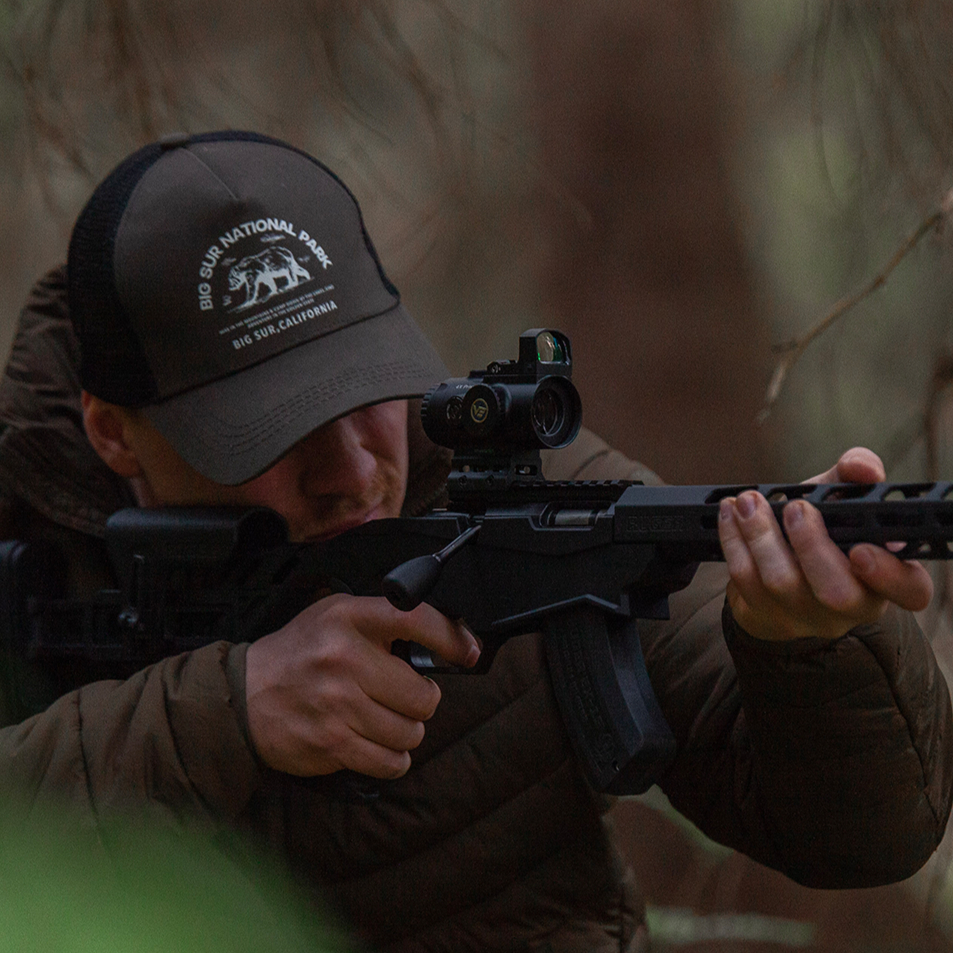
Dangerous game hunting can have fatal consequences. Even an experienced hunter cannot control every change in animal behavior, terrain, or visibility. A successful plan begins with professional guidance and clear decisions about when to proceed and when to stop. The rifle and optic support that plan; they cannot replace it.
1. Why the Professional Team Comes First?
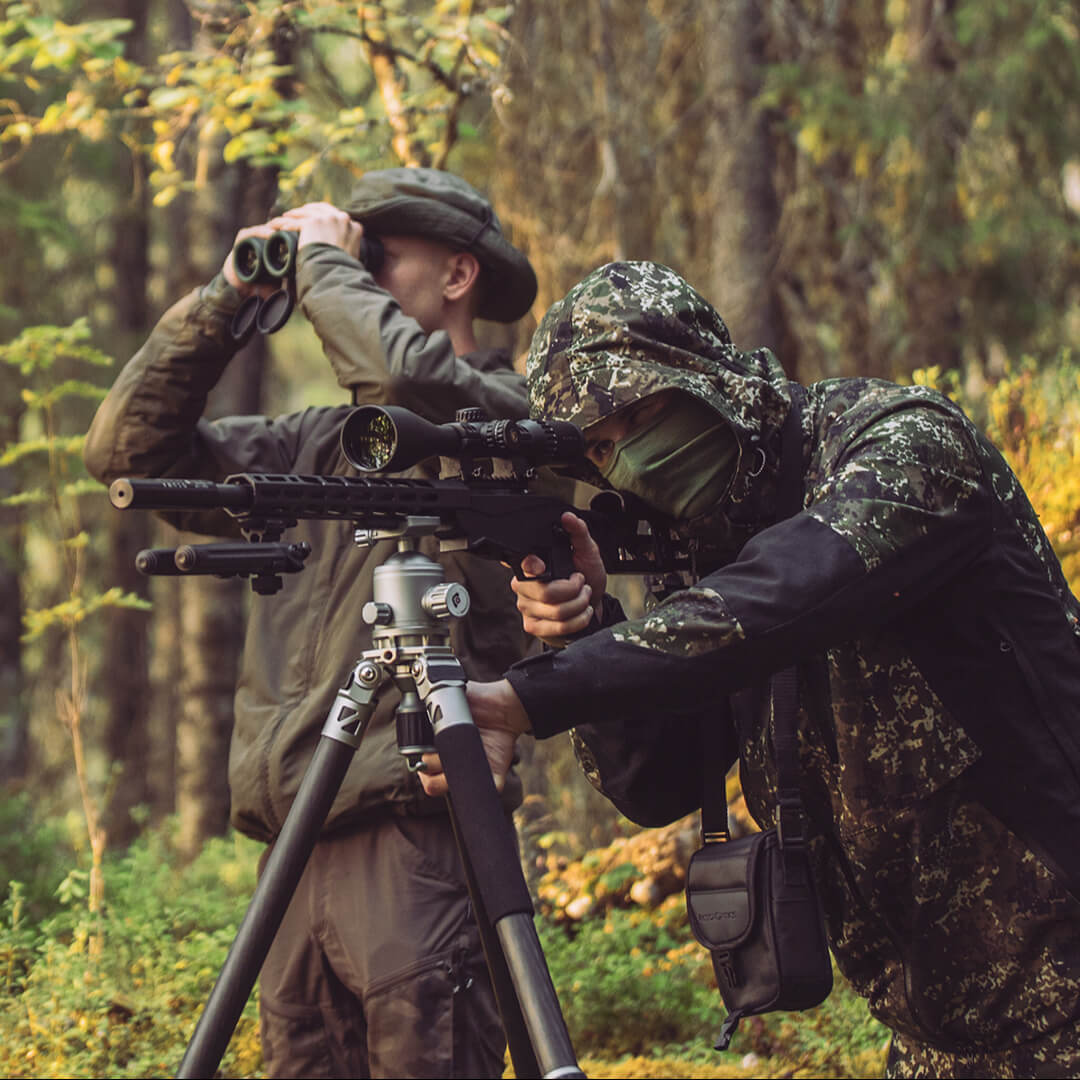
A professional hunter (PH) brings local knowledge of the area, species, and conditions. Trackers and support staff contribute experience that a visiting hunter may not have, regardless of how many hunts they have completed elsewhere.
Based on how experienced PHs commonly work, we recommend discussing a two-PH arrangement with the outfitter for a dangerous game hunt, including when the client is highly experienced. Confirm who will lead, what relevant experience each PH has, and how the team will communicate and respond to an emergency. The outfitter should also confirm the applicable permits and requirements for the destination.
The team must be free to pause or end the hunt if identification, visibility, equipment, or other conditions are in doubt. No investment in the trip changes that decision.
2. Why Does a Dangerous Game Scope Need to Be Different?
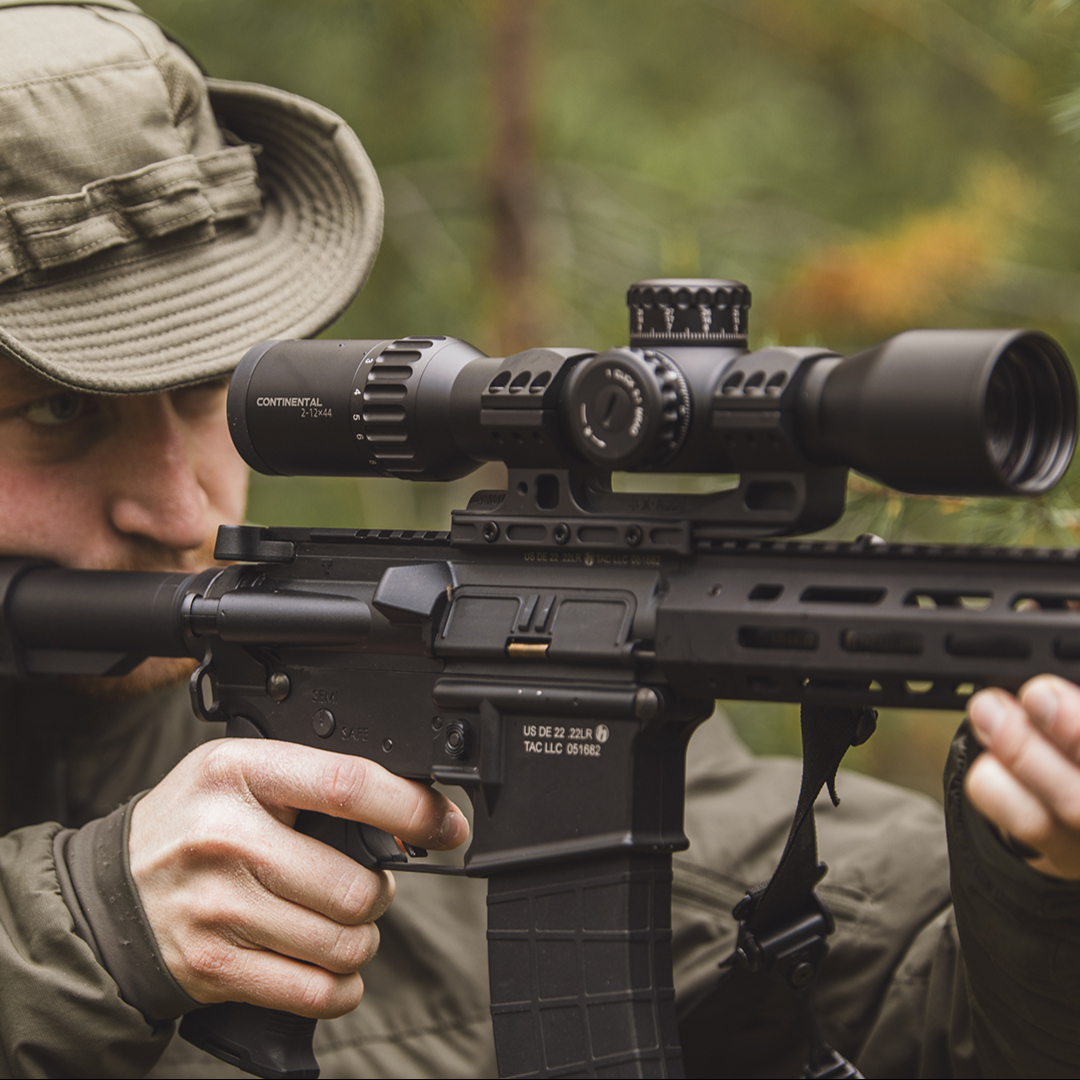
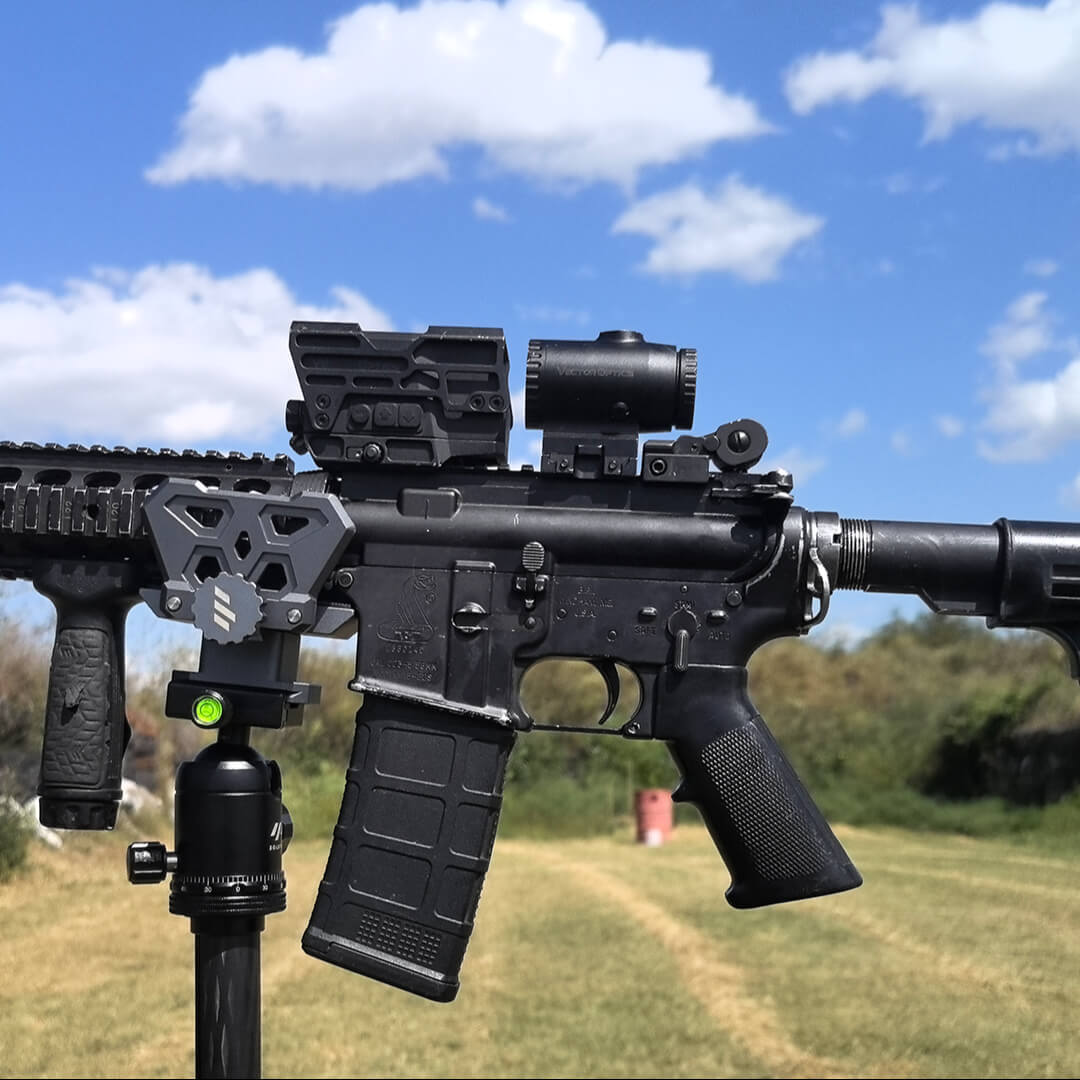
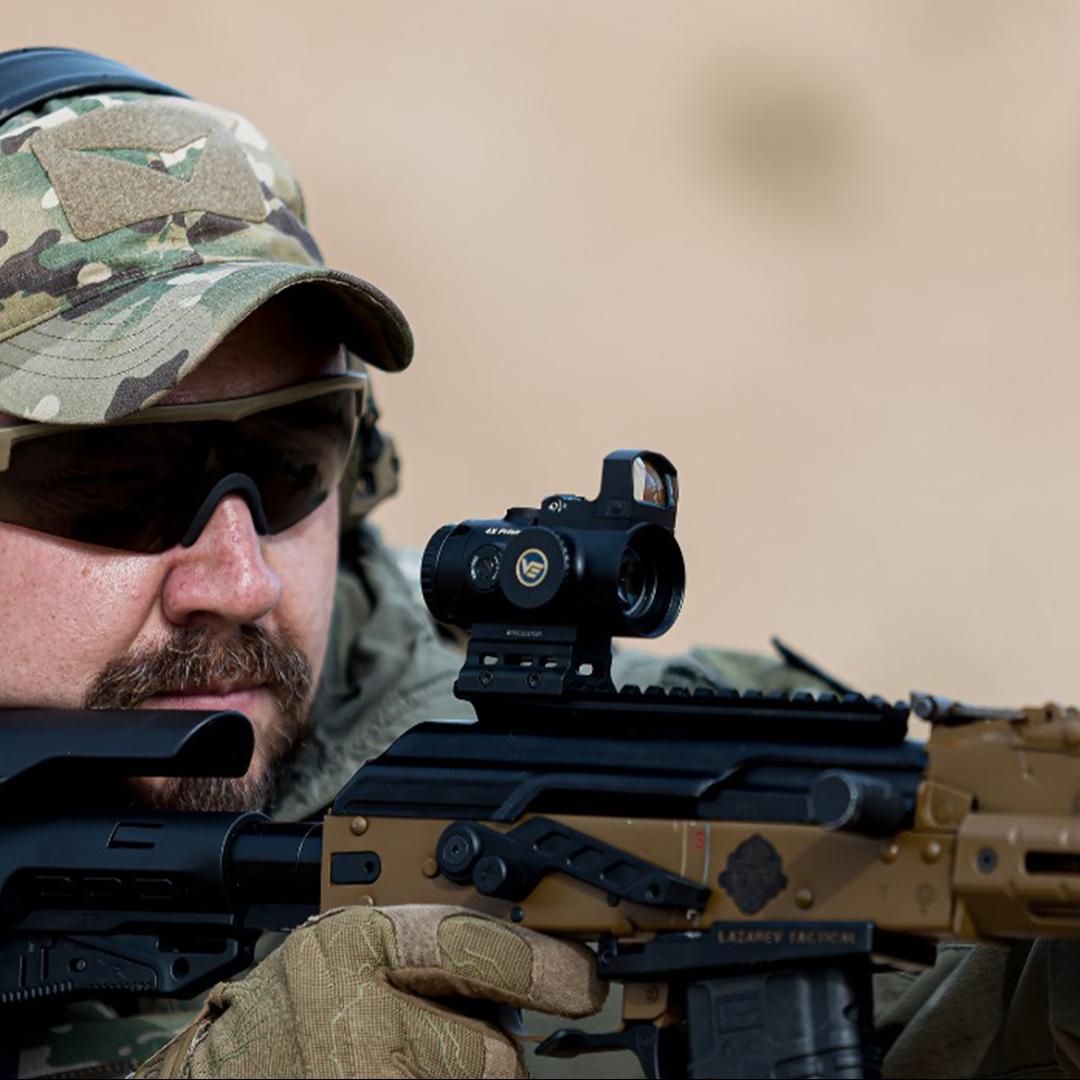
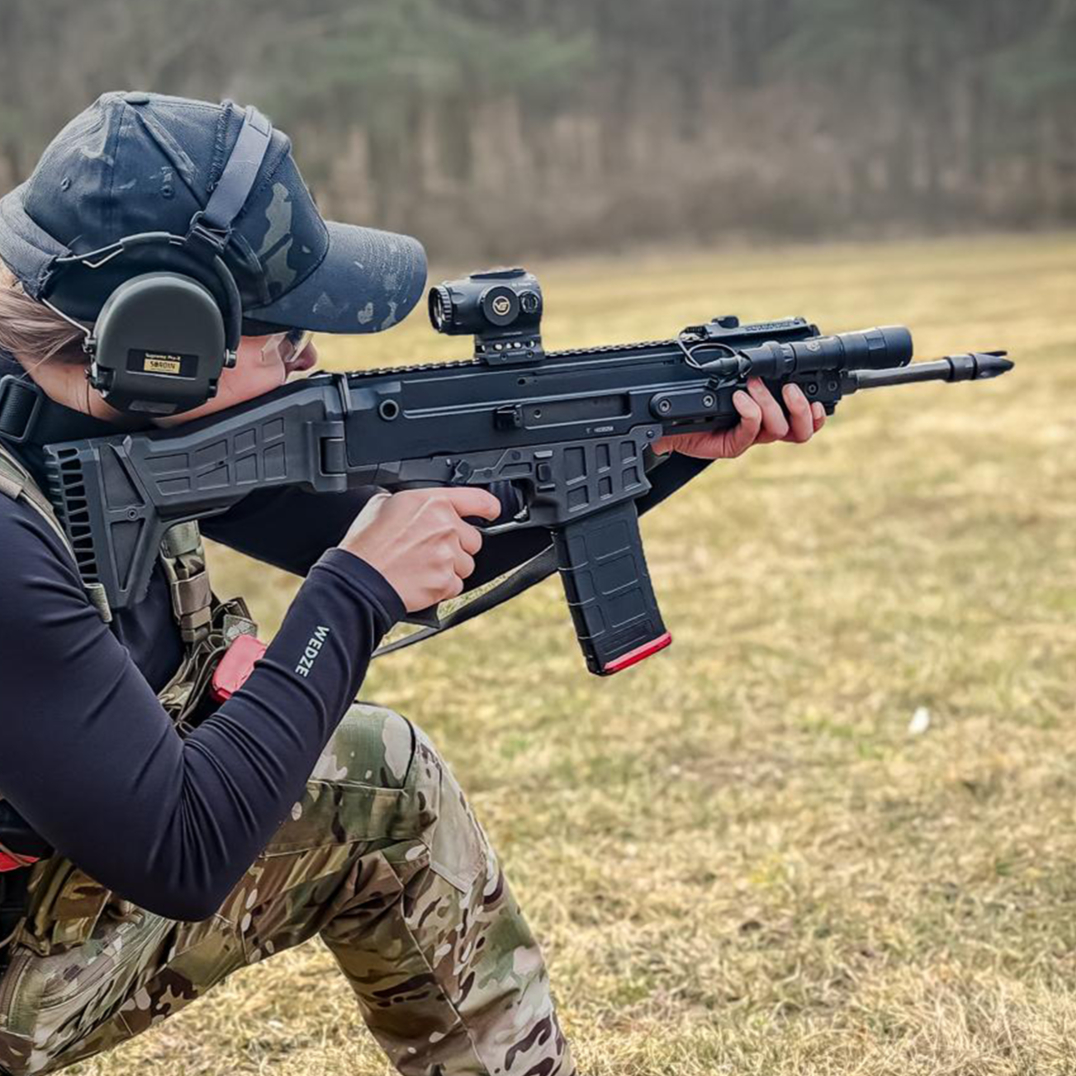
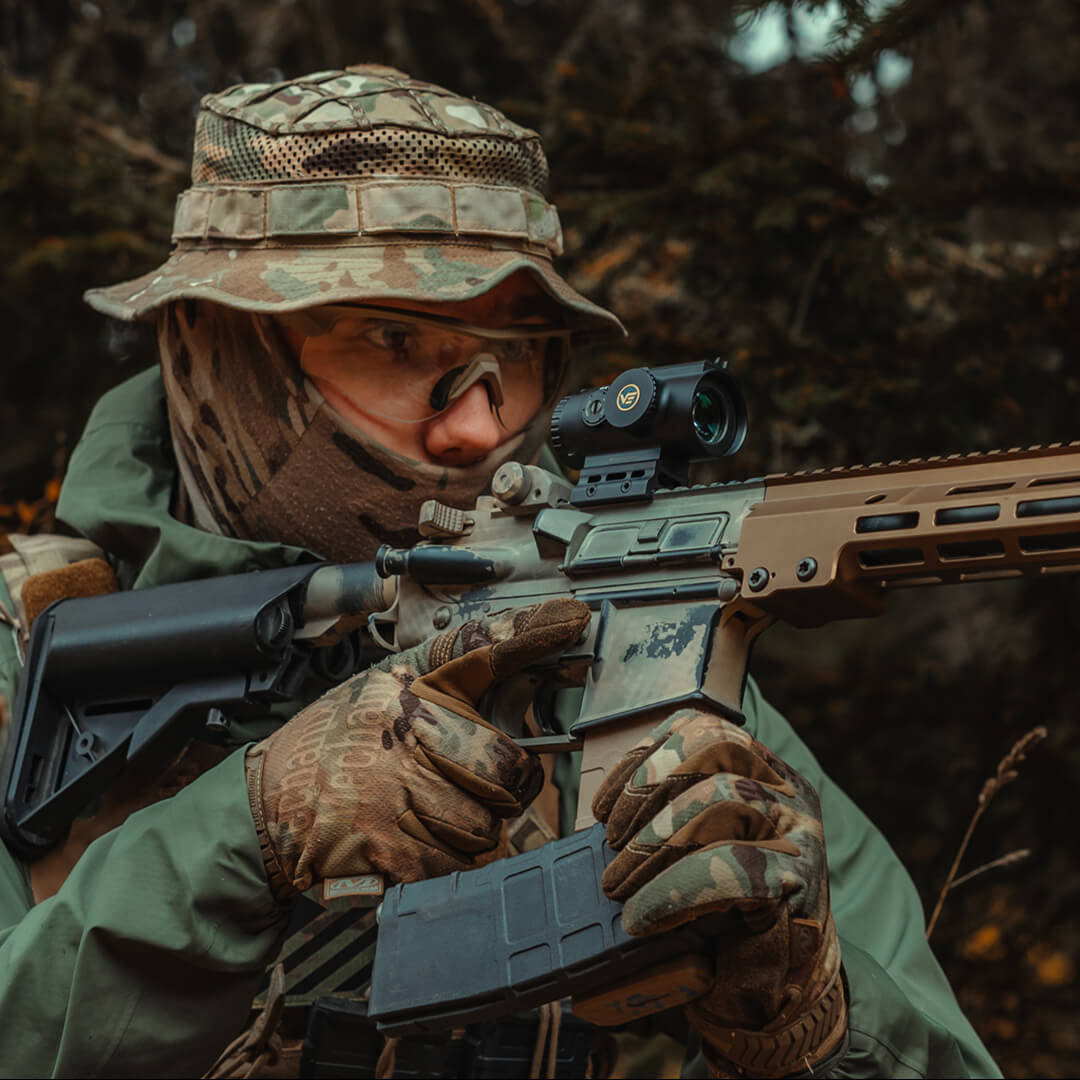
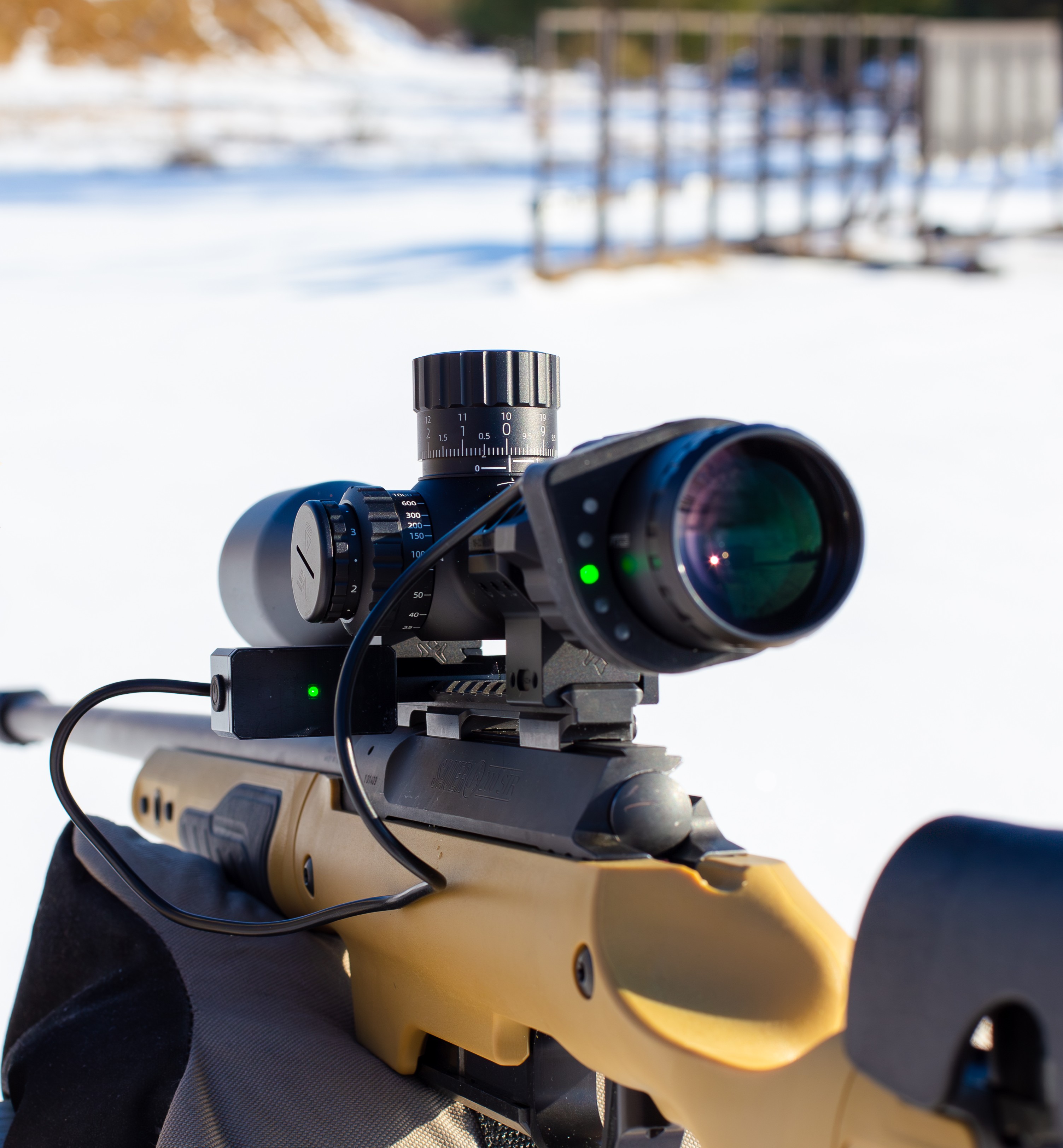
On this kind of hunt, an optic may have to work in dense cover, changing light, and on a rifle with substantial recoil. The hunter needs to see clearly, find the aiming point without struggling through a narrow view, and trust that the scope and mount will retain their settings.
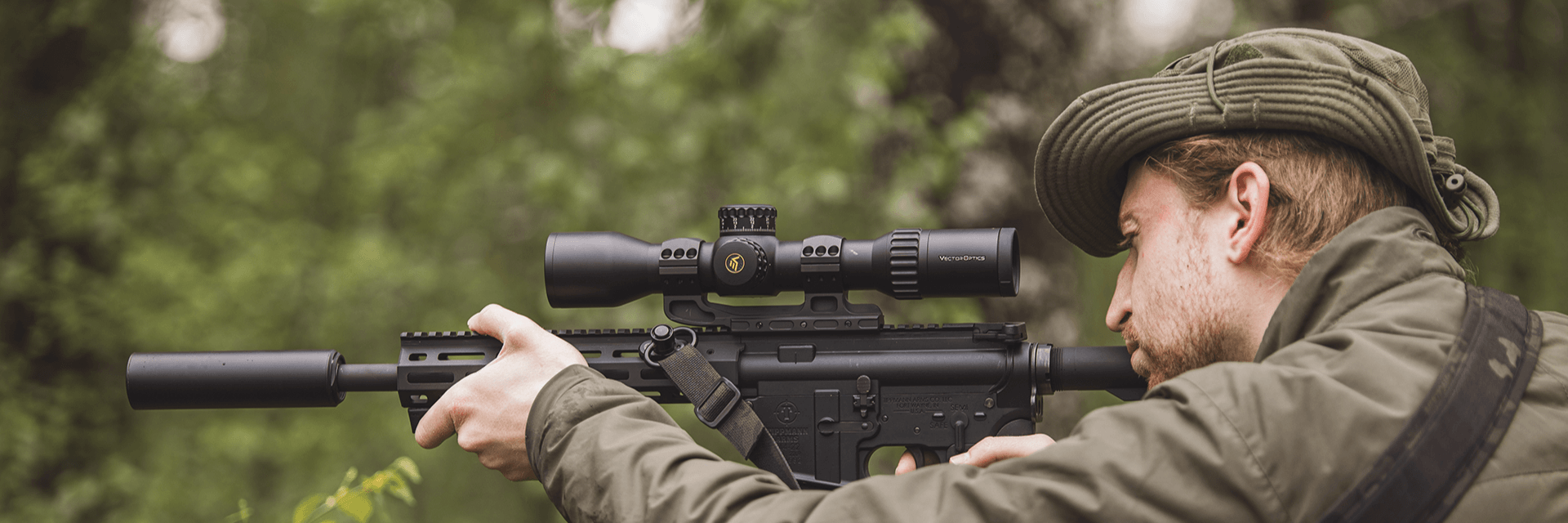
This shifts attention away from maximum magnification. A low-power variable optic (LPVO) offers a wider view at its low setting, with additional magnification available when conditions allow. Eye relief and rifle fit matter, particularly on a hard-recoiling rifle — the published figure is a starting point, so confirm comfortable clearance on the actual rifle. For how eye relief relates to the surrounding eye box, see our What Is an Eye Box and Why Does It Matter guide. A visible, uncomplicated reticle can also be easier to use against a dark or visually busy background.
These qualities make the scope useful. They do not make any optic a safety guarantee.
3. Which Features Make a Scope Suitable for Dangerous Game Hunting?
Use the following points to review a scope as part of the complete rifle setup:
● Low-end magnification and field of view: A 1–6× or 1–8× LPVO provides a broad view at 1×. Check how naturally the sight picture works for the individual hunter.
● Eye relief and fit: Check the published eye relief, then confirm comfortable clearance and a consistent sight picture on the actual rifle.
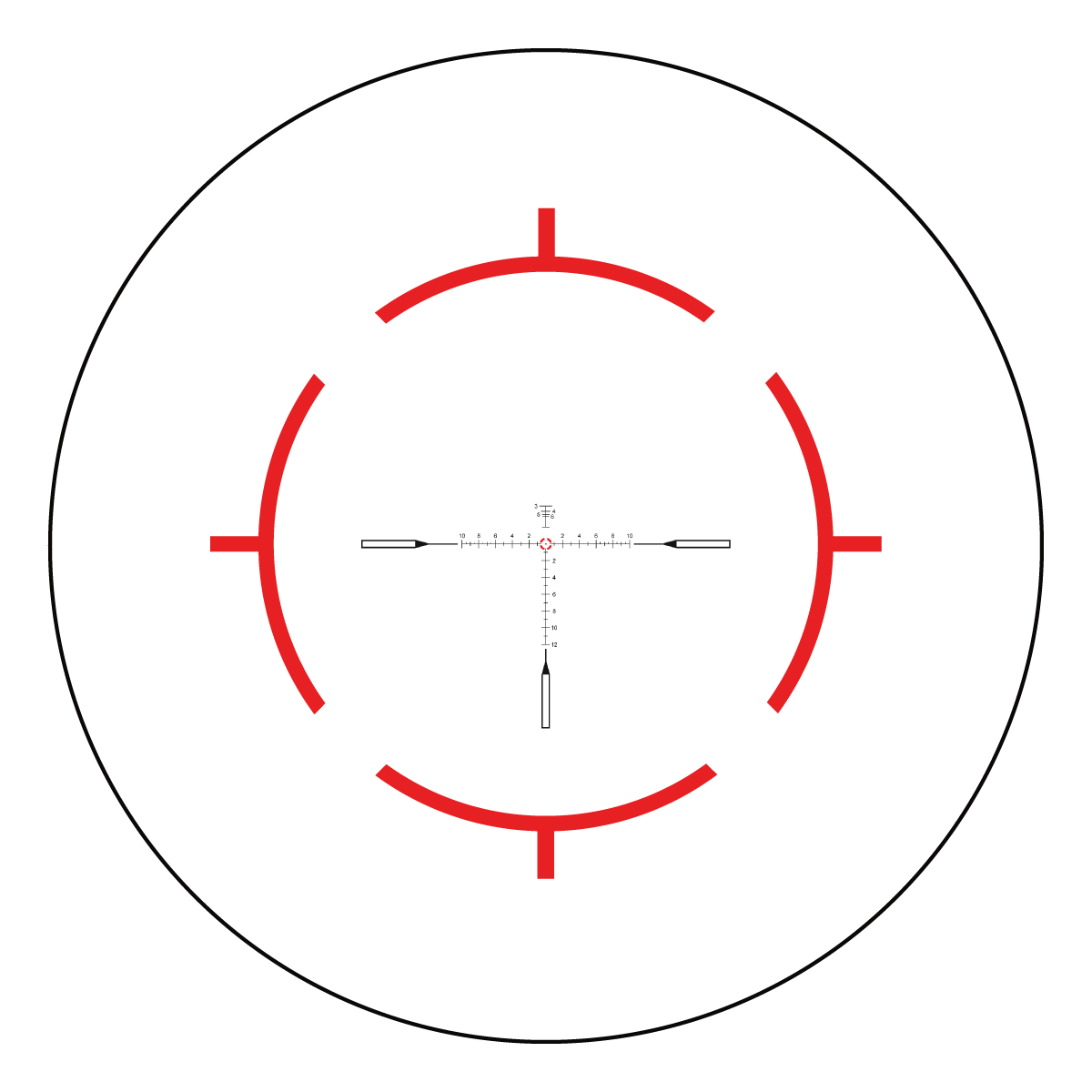
● Reticle visibility: A bold German #4 pattern or an illuminated center point can keep the aiming reference easy to identify without a crowded view. For how the aiming pattern is lit, and what changes between etched and fiber approaches, see our Wire vs Etched vs Fiber reticle guide.
● Resistance to recoil and weather: Review the model's published shock and protection ratings, along with the security of its mounts. Verify that the assembled setup maintains its settings during preparation.
A published shock rating is useful evidence for comparing products, but it does not by itself certify a scope for every rifle and ammunition combination.
4. Continental LPVO Options
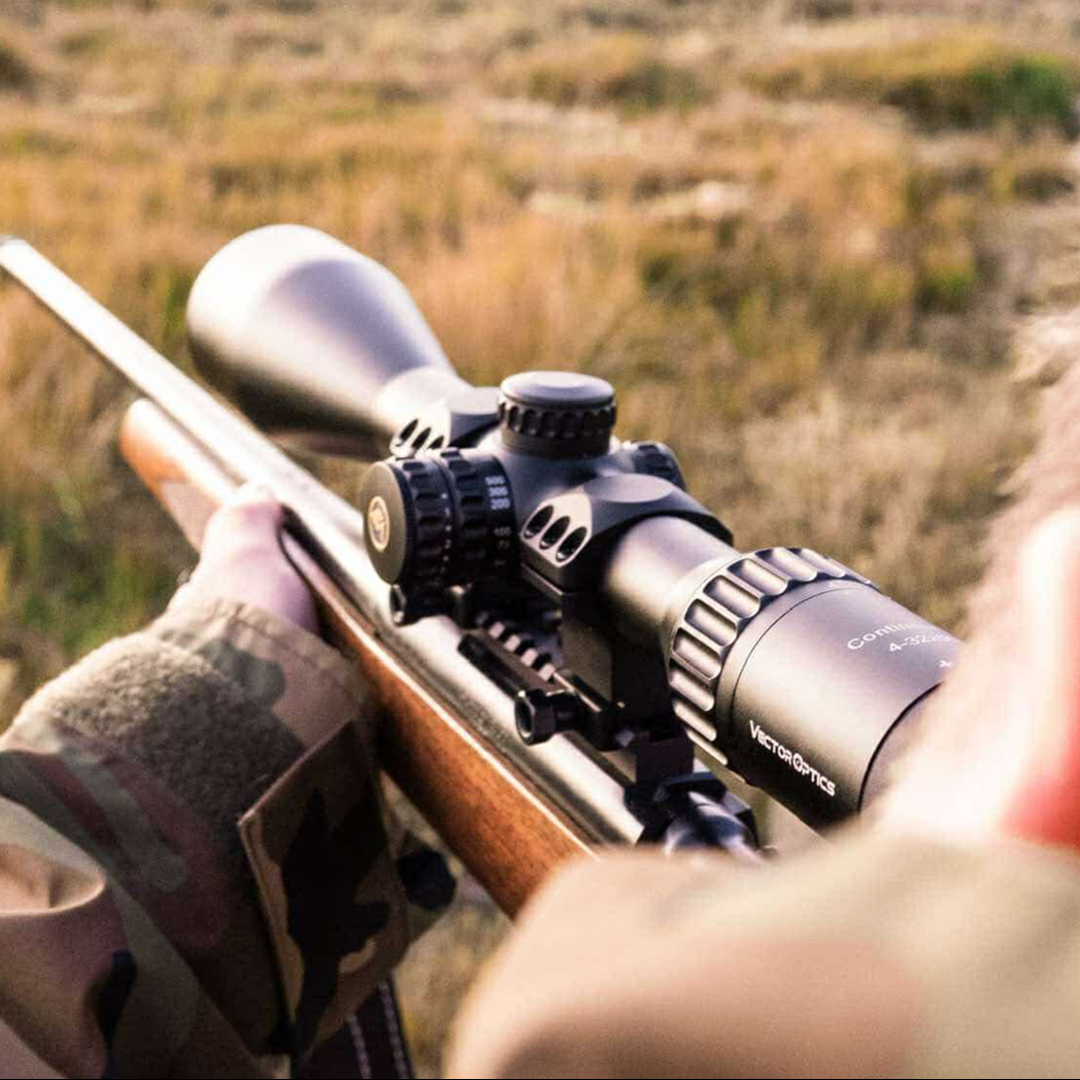
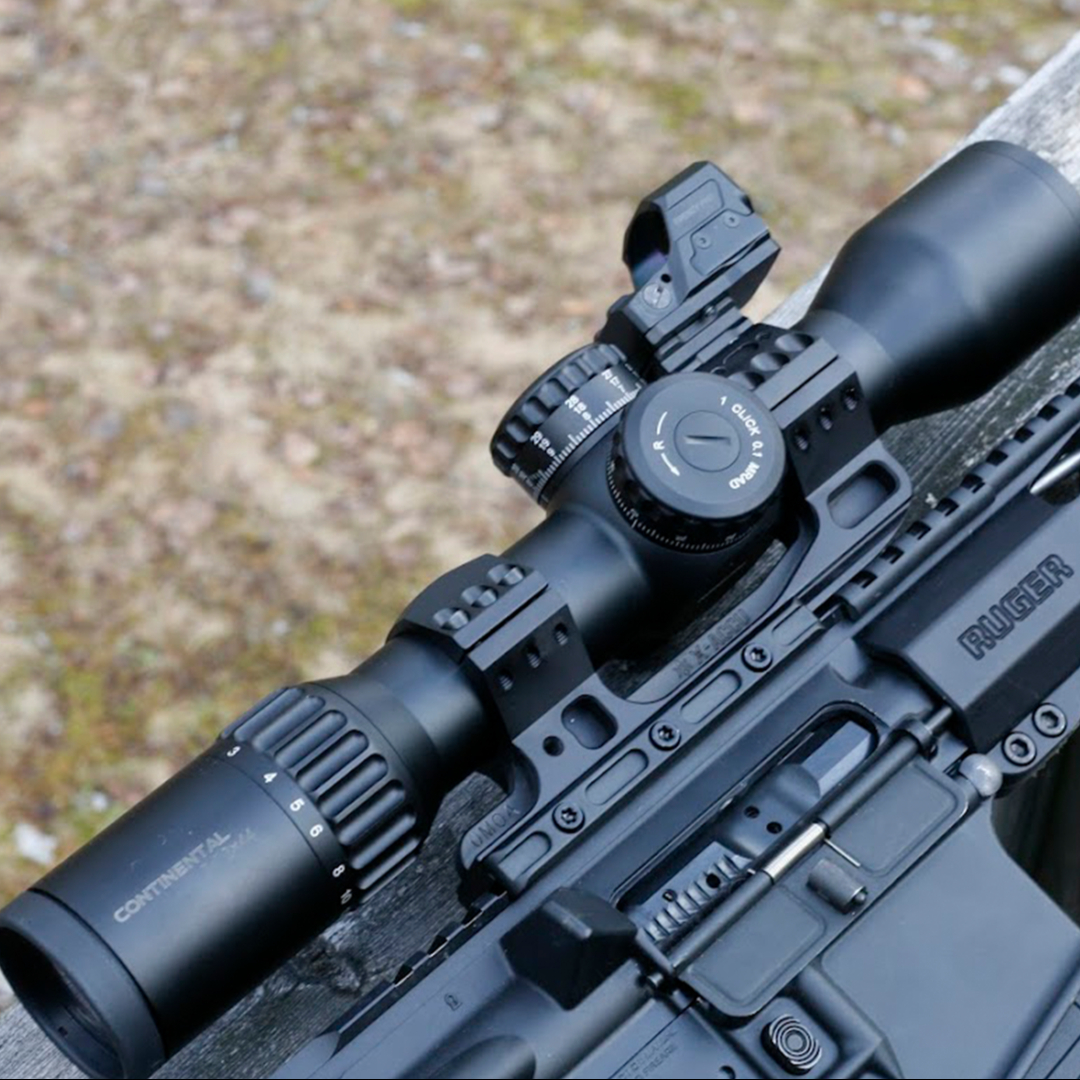
For a hunter considering a premium LPVO, two Continental hunting models merit a closer look:
Both models offer a 1× starting point and published resistance specifications relevant to a demanding hunt. The choice should still be confirmed with the PH and checked on the intended rifle, with its actual mounts and ammunition, before departure.
5. Preparation Is More Than an Equipment Check
Before the hunt, agree with the outfitter on the team, lawful hunting arrangements, communications, transport, and access to medical help. Be familiar with the equipment you will carry. Experienced clients may choose the highest quality gear available, but reliability must be established through preparation, not assumed from its price.
A confirmed zero belongs in that preparation as well — our How to Zero a Rifle Scope guide covers the process step by step.
Dangerous game hunting calls for respect for the animal and for everyone sharing the risk. Qualified guides and the judgment to stop when conditions are wrong remain more important than any single item in the kit.
FAQ
Q1. Does an experienced hunter still need two PHs?
Our recommendation is to discuss a two-PH team with the outfitter even for an experienced client. Confirm the guides' relevant qualifications and roles when planning the hunt.
Q2. Is 1–6× or 1–8× the better choice?
The 1–6× suits a hunter who wants a straightforward low-power setup. The 1–8× adds flexibility for a broader itinerary. Discuss the choice with the PH and verify the complete setup on the rifle.
Q3. Does a 1000 G rating mean a scope is "dangerous-game-proof"?
No. It is a published resistance rating. Suitability also depends on the rifle, ammunition, mounting, and how the assembled equipment performs when checked before the hunt.