Wire Reticle vs Etched Reticle vs Fiber Reticle: What’s the Difference & Which Should You Choose?
2023-10-25
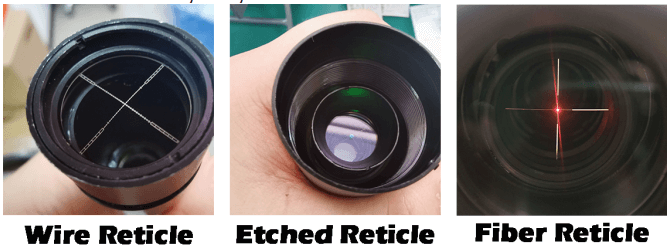
The main difference between wire, etched glass, and fiber reticles is not just how they are made, but how they behave when you actually aim through the scope.
Wire reticles offer a clean and simple sight picture. Etched glass allows detailed aiming references and remains fully visible without illumination. Fiber-reticle systems concentrate illumination into a small center point, producing a much brighter aiming reference for rapid target acquisition in daylight.
What Is the Quickest Way to Compare the Three Reticle Types?
Here is a comparison table for three reticle types:
Reticle
Main Strength
Main Limitation
Best Suited to
Wire
Simple, clean and cost-efficient
Limited pattern complexity; physical wire can be more vulnerable to damage or shift
Basic hunting and general-purpose scopes
Etched glass
Fine, durable, information-rich patterns
Higher manufacturing compexity; illumination is not always daylight-bright
Precision, long-range, BDC, MIL, MOA and many FFP scopes
Fiber / Fiber-wire / Fiber-optic
Concentrated, highly visible center point
Usually supports simpler illuminated geometry; performance vares by design
LPVO, fast target acquisition and bright backgrounds
How Does a Wire Reticle Work?
Wire reticles provide a clean, high-contrast sight picture with very little visual clutter. They are ideal when the shooter needs a simple aiming reference rather than complex ranging or holdover information.
Their main limitation is pattern complexity. Fine floating dots, detailed MIL/MOA grids and Christmas-tree holdovers are far easier to achieve with etched glass.
How Does an Etched Glass Reticle Work?
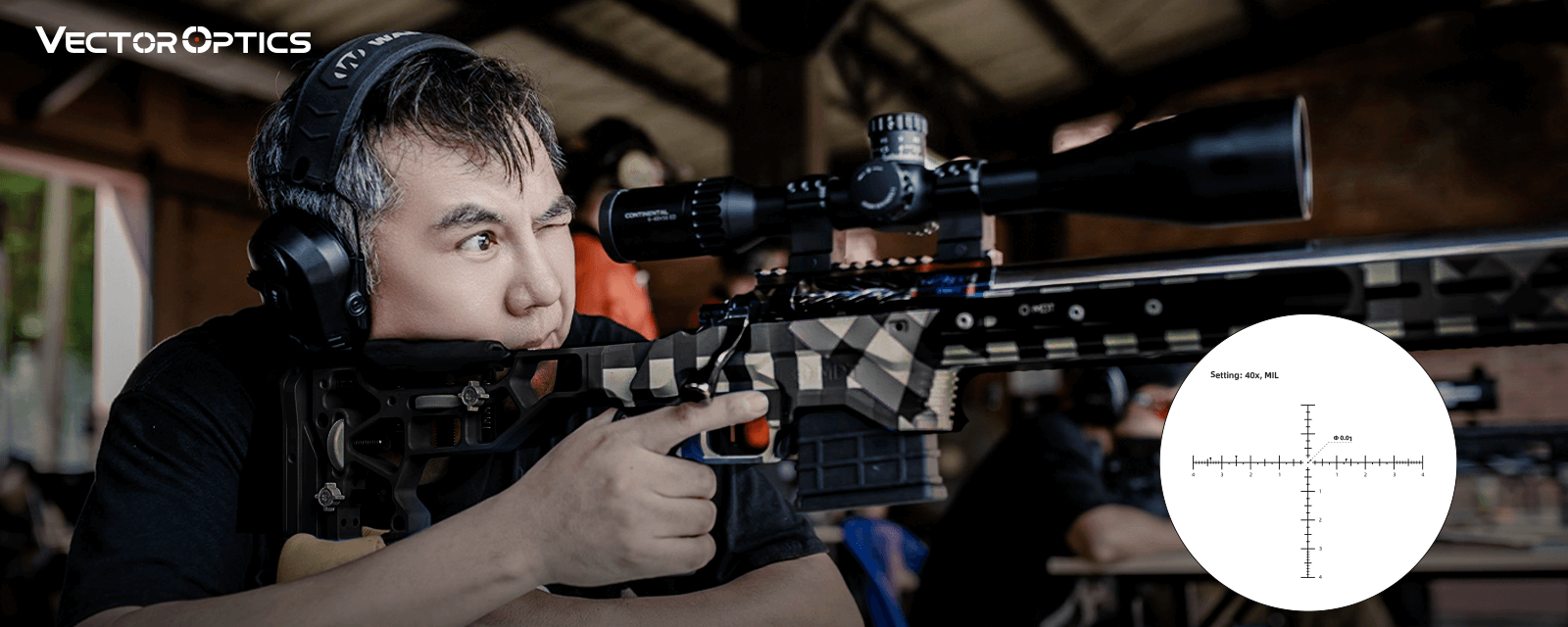
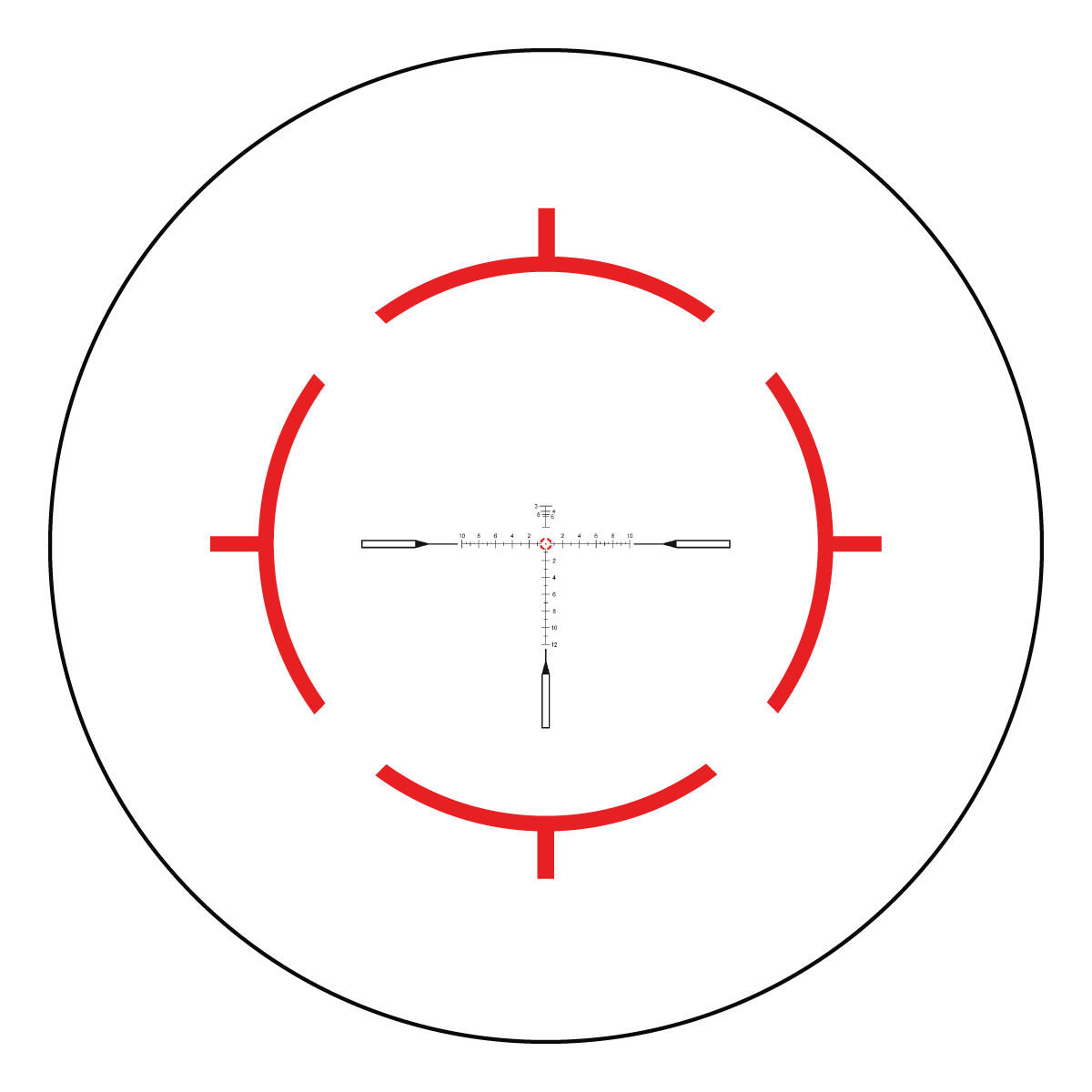
An etched reticle places the aiming pattern directly on an internal glass element. This allows thin lines, floating dots, BDC references, and detailed MIL or MOA holdovers.
The dark pattern remains visible when illumination is off or the battery is depleted, which makes etched glass especially useful when detailed aiming information matters.
In bright daylight, an unilluminated etched pattern is usually easy to see when its dark lines contrast with the target. However, its illuminated elements may appear faint or wash out against a sunlit background unless the system is specifically designed for daylight brightness.
In low light, modest illumination can restore contrast against dark targets or shadows. Use the lowest practical setting, because excessive brightness can create bloom and hide target detail.
Etched glass is excellent at displaying information. Fiber is excellent at making one critical aiming point immediately visible.
Why Does a Fiber Reticle Look Brighter?
Fiber reticle is a broad term. Some fiber-optic systems collect ambient light, while many modern Vector Optics scopes use battery-powered, LED-fed fiber-optic illumination. In a fiber-wire reticle, the LED sends light through a fineoptical fiber integrated with a wire or hybrid reticle, concentrating illumination at the center point. This can create a crisp, daylight-visible dot that is easier to acquire at low magnification. Fiber dot describes the visible result; it does not fully define the internal construction. For more detailed explanation on fiber-optic reticle, read Fiber-Optic Scopes: Precision Optics for Demanding Hunters.
In current Vector Optics fiber-reticle designs, a fine optical fiber is bonded behind the wire reticle and aligned with the center aiming point. A battery-powered LED feeds light into the fiber, which guides and concentrates that light at the fiber tip. Instead of illuminating a relatively large reticle area, the system concentrates the available light into a very small aiming point. The result is high apparent brightness and strong contrast against bright backgrounds.
It is not about lighting up more of the reticle - it is about making the most important aiming point easier to see.
Are Modern Fiber Reticles Fragile?
Modern durability comes from improvements in the complete fiber-wire assembly.
Earlier fiber-reticle designs earned a reputation for being delicate because a very fine optical fiber and wire structure had to survive repeated recoil and impact while maintaining precise alignment.
In modern fiber-wire systems, reliability depends on much more than the fiber itself. The supporting wire structure, fiber bonding area, adhesive and curing process, fiber routing and bend control, reticle fixation, assembly consistency and completed-scope recoil testing all contribute to durability.
The result is that a properly engineered modern fiber-wire reticle can be used in rifle scopes designed for repeated recoil without treating the fiber as an inherently fragile component.
The fiber is still a precision optical component—it has not become unbreakable. What has improved is the way the entire fiber-reticle assembly supports and protects it.
Which Reticle Type Should You Choose?
Each reticle type is designed around a different balance of cost, aiming precision, and center-point visibility. In short, choose the reticle that best matches your primary use case:
Simple & economical → Wire
Detailed & precision-oriented → Etched
Bright center & speed → Fiber
Here is a quick application guide to help you make a informed choice among different reticle types in a specific use scenario:
Use Scenario
Recommended Reticle
Why
Bright outdoor hunting
Fiber
Bright center point is easy to see against vegetation and sunlit backgrounds
Driven hunting / moving targets
Fiber
Faster center acquisition
LPVO near 1x
Fiber
Red-dot-like center visibility helps rapid aiming
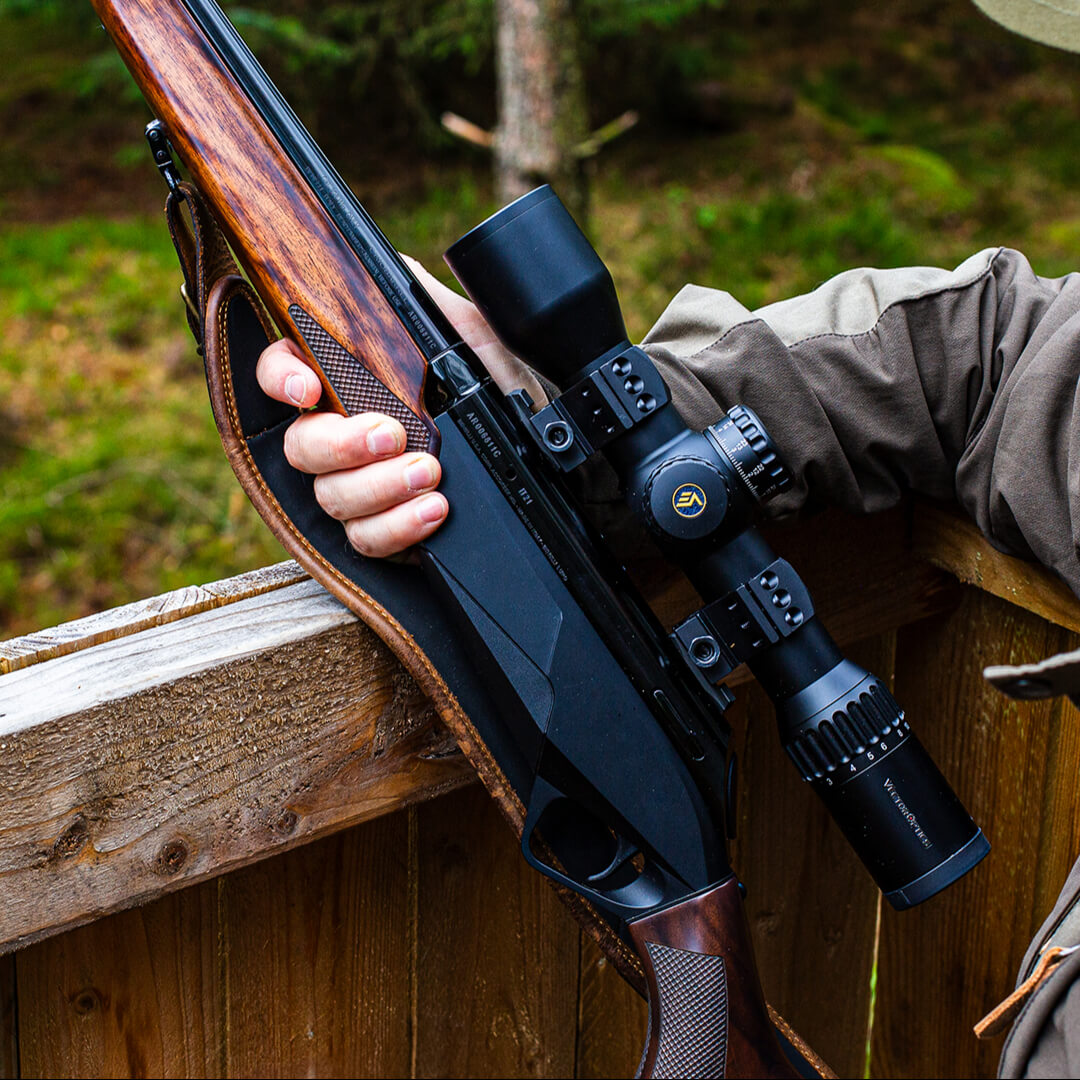
General hunting
Fiber or Wire
Fiber for speed; wire for simplicity
PRS / long-range precision
Etched Glass
Detailed MIL/MOA holds and complex reticle references
FFP precision scope
Etched Glass
Best suited to scalable ranging and holdover references
Benchrest / target shooting
Etched Glass
Precise and information-rich aiming references
Budget / simple hunting scope
Wire
Clean, simple and economical
Low-light hunting
Fiber or Illuminated Etched Glass
Both can improve reticle contrast against dark backgrounds
Fast shooting with minimal visual clutter
Fiber
Concentrated center point without a heavily illuminated reticle
Today, fiber-reticle illumination is used across multiple Vector Optics product levels—from premium Continental hunting scopes to compact Veyron models and value-focused VictOptics scopes. While these products may differ significantly in optical systems, reticle specifications, mechanical construction and quality-control standards, the broad adoption of fiber illumination reflects how mature the technology has become.
Which Fiber-Optic Scope Should You Consider?
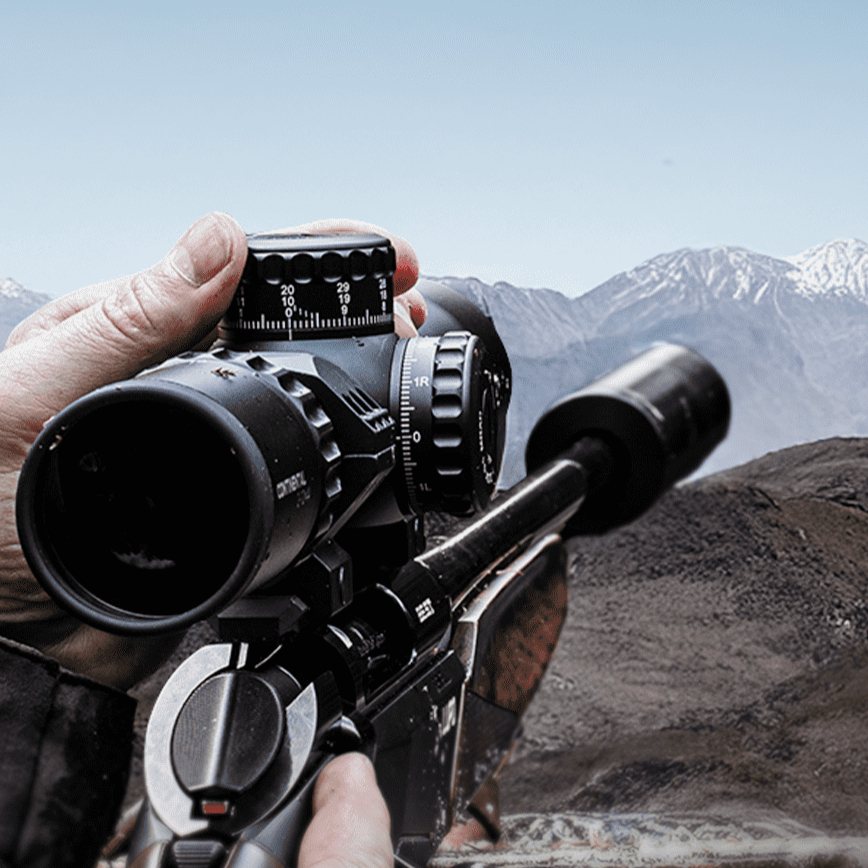
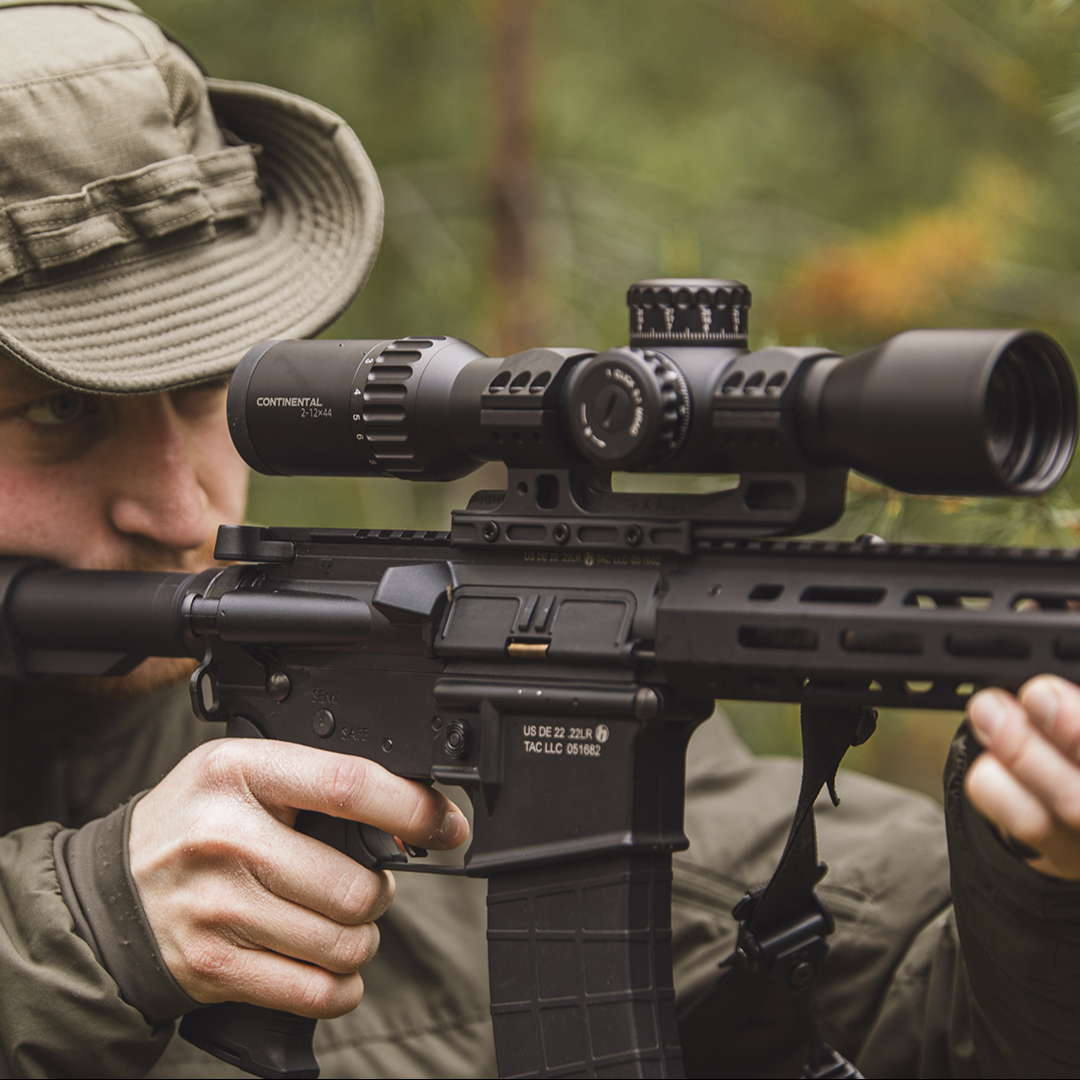
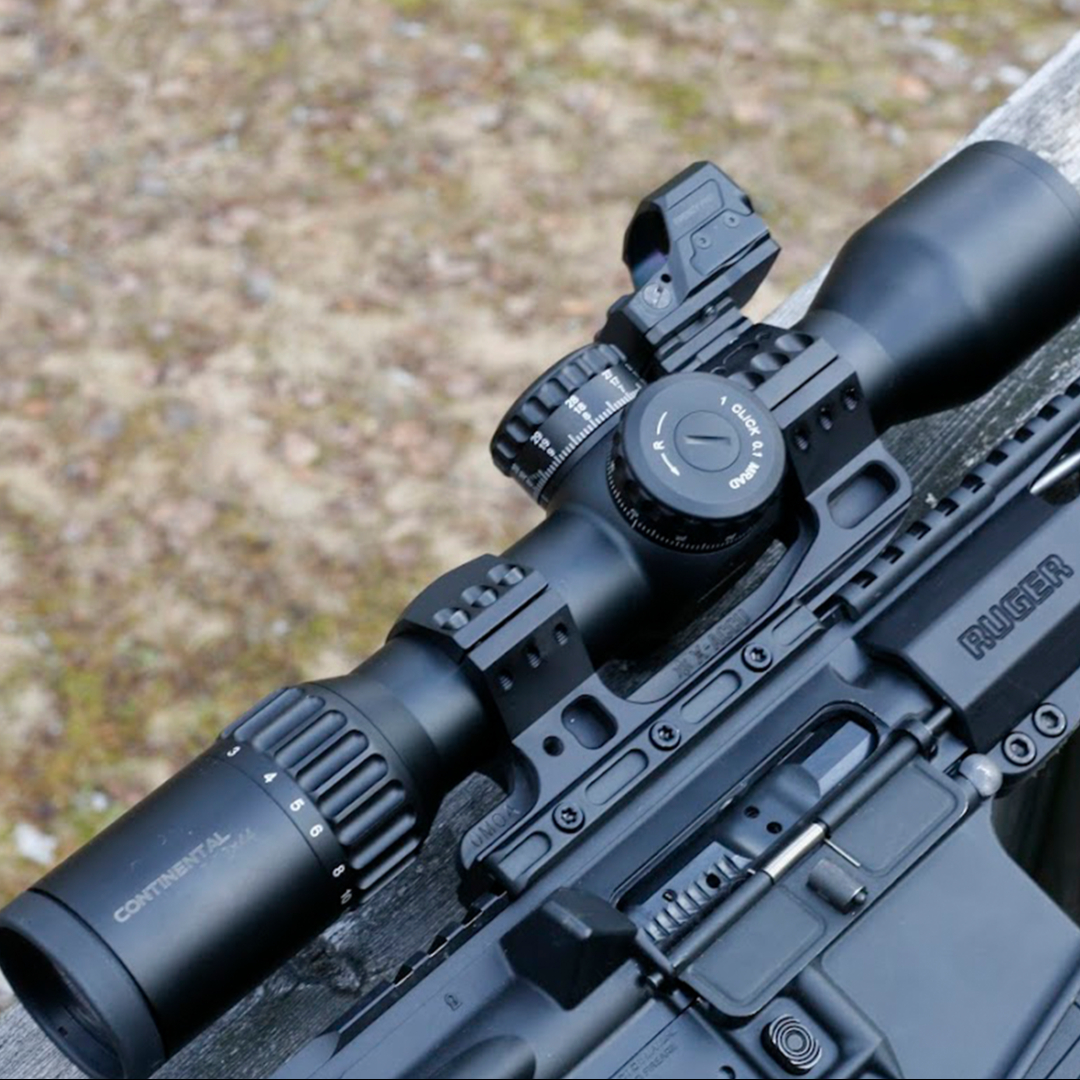
VE's top line series, Continental uses a finer, German-designed fiber solution intended to produce a more refined center-dot presentation.
Besides Continental series, Grizzly, Constantine, Veyron, Forester, Matiz, Hugo and value-focused sub-brand VictOptics fiber-optic scope are also highly recommended.
Final Thought
Wire reticles remain useful for simple, cost-conscious scopes. Etched glass reticles offer the greatest freedom for precise, information-rich patterns and remain visible without power. Fiber-optic reticles form a broader family: passive systems collect ambient light, while LED-fed fiber-wire systems actively deliver light to a concentrated center point. For LPVO users seeking adjustable, daylight-visible aiming, the LED-fed fiber-wire subtype is the relevant comparison with illuminated etched glass.
If bright-light speed is your deciding factor, start by confirming that the product uses the fiber-reticle subtype you expect. Then verify the complete scope around it: reticle geometry, focal plane, optical quality, eye box, light source, brightness controls, durability specifications, and unpowered usability. The best reticle is the one that stays clear, fast, and useful in the conditions where you actually shoot.
FAQ
1. Does daylight-bright illumination really matter on an LPVO?
It matters most when the LPVO is the primary aiming system at 1x and the center must stand out quickly against a bright or visually busy background. It matters less when higher magnification is the main use or a secondary red dot is available.
2. Why can an illuminated etched reticle look dim outdoors?
Many etched systems are optimized for low-light contrast rather than red-dot-like brightness in full sun. That can be normal, but a sudden change in output should prompt a battery and control check.
3. Is paying extra for illumination worth it?
It is more valuable for low-light use, dark targets, fine FFP reticles at low power, or faster center acquisition. For controlled daytime target shooting with a clear black reticle, the benefit may be smaller.
4. Are modern fiber reticles still fragile?
Modern fiber reticles are much more reliable than many older designs, but the improvement does not come from the fiber alone.
In current Vector Optics fiber-wire systems, the optical fiber is bonded and supported together with the wire reticle. Reliability depends on the complete assembly, including the bonding method, adhesive, fiber routing, bend control, reticle fixation, assembly tolerance, and completed-scope recoil testing.
The fiber is still a precision optical component, but a properly engineered fiber-wire assembly is designed to withstand repeated recoil and normal field use.
5. Is a fiber reticle more durable than an etched glass reticle?
Not necessarily.Etched glass is inherently well suited to complex and mechanically stable reticle designs. Modern fiber-wire systems can also provide excellent recoil resistance when properly assembled and tested.
The main reason to choose fiber is not that it is stronger than etched glass, but that it can provide a highly visible illuminated center point in bright daylight.
6. Is fiber better than etched glass?
They are optimized for different priorities. Choose fiber when fast center acquisition and daylight visibility are most important. Choose etched glass when detailed MIL/MOA references, complex holdovers, FFP capability, or long-range precision are the priority. Neither technology is universally better.
7. Does the fiber dot still work if the battery dies?
The illuminated fiber point requires power in current LED-fed systems. However, the underlying wire reticle remains visible without illumination, allowing the scope to continue functioning as a conventional reticle.
8. Can fiber reticles handle hot and cold environments?
Fiber itself is not necessarily the limiting component. Environmental reliability depends on the complete assembly, including the fiber, adhesive, LED, battery, mechanical support, sealing, and thermal expansion of surrounding components.
The safest reference is always the specified operating-temperature and environmental-test standard of the individual scope.
9. Are fiber reticles suitable for high-recoil rifles?
They can be, provided the complete scope and reticle assembly are designed and tested for the intended recoil level. Customers should check the actual recoil or shock specification of the specific scope rather than judging durability only from the word “fiber.”
10. Do all Vector Optics fiber scopes use exactly the same internal construction?
No. The basic LED-fed fiber-wire principle may be similar, but different product series can use different optical systems, fiber dimensions, bonding processes, LED specifications, assembly tolerances, recoil standards, and QC requirements.
This is why two fiber-reticle scopes can deliver different levels of brightness, dot refinement, durability, and overall optical performance.
11. Why is fiber now available from Continental to Veyron and VictOptics?
The wider use of fiber illumination reflects the maturity of the technology and manufacturing process.
Fiber illumination is no longer limited to premium scopes. It can now be integrated into different product levels while each series maintains its own optical, mechanical, durability, and price positioning.