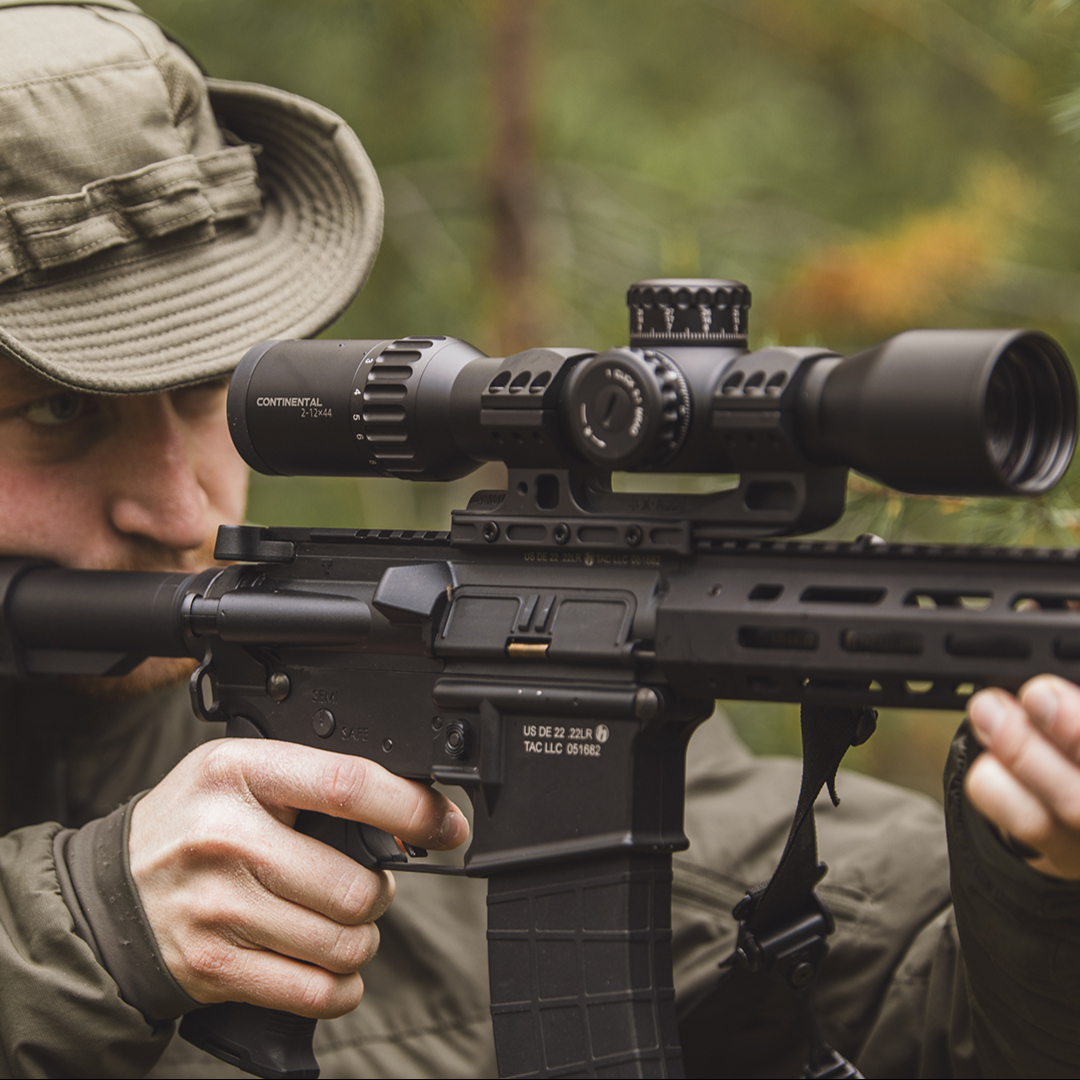
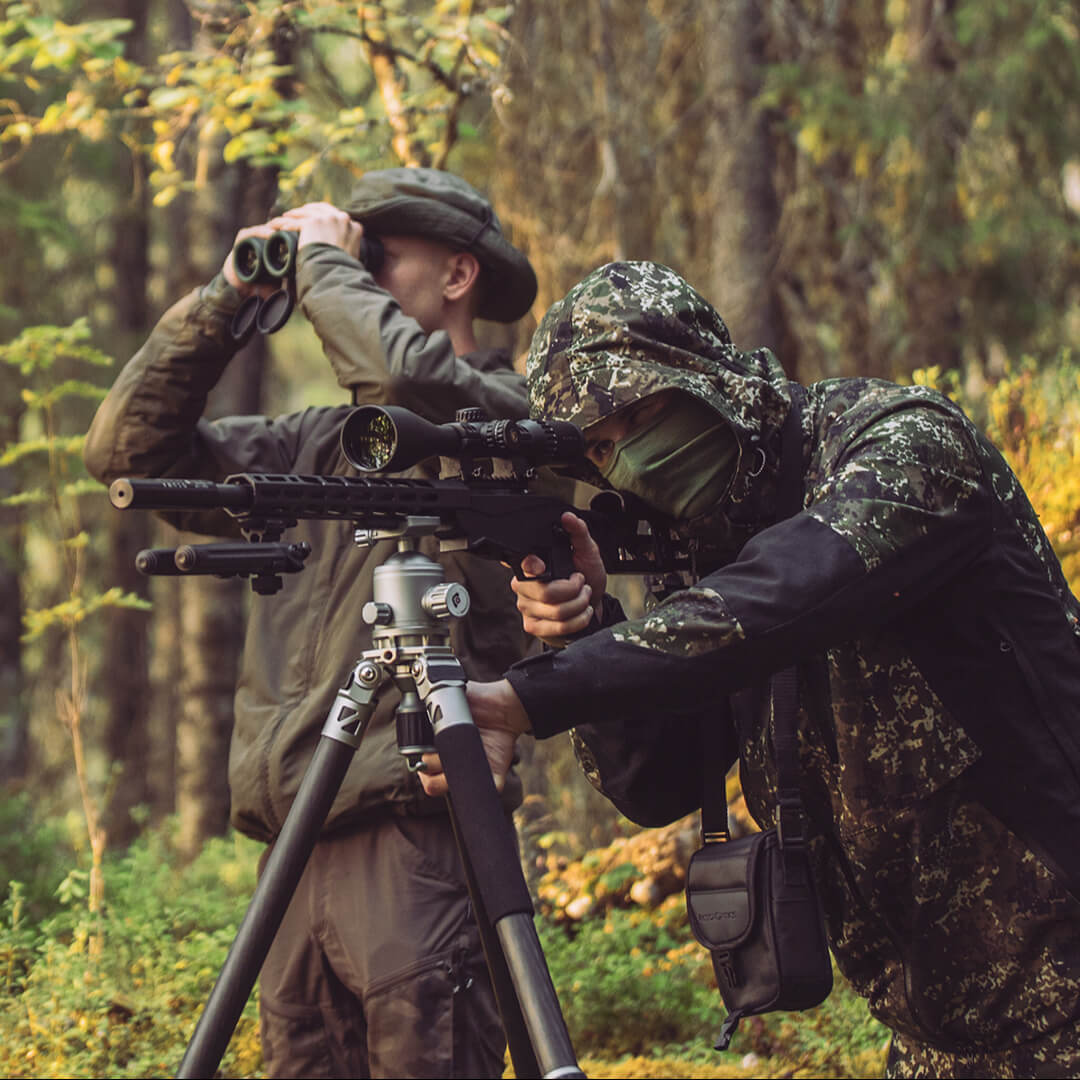
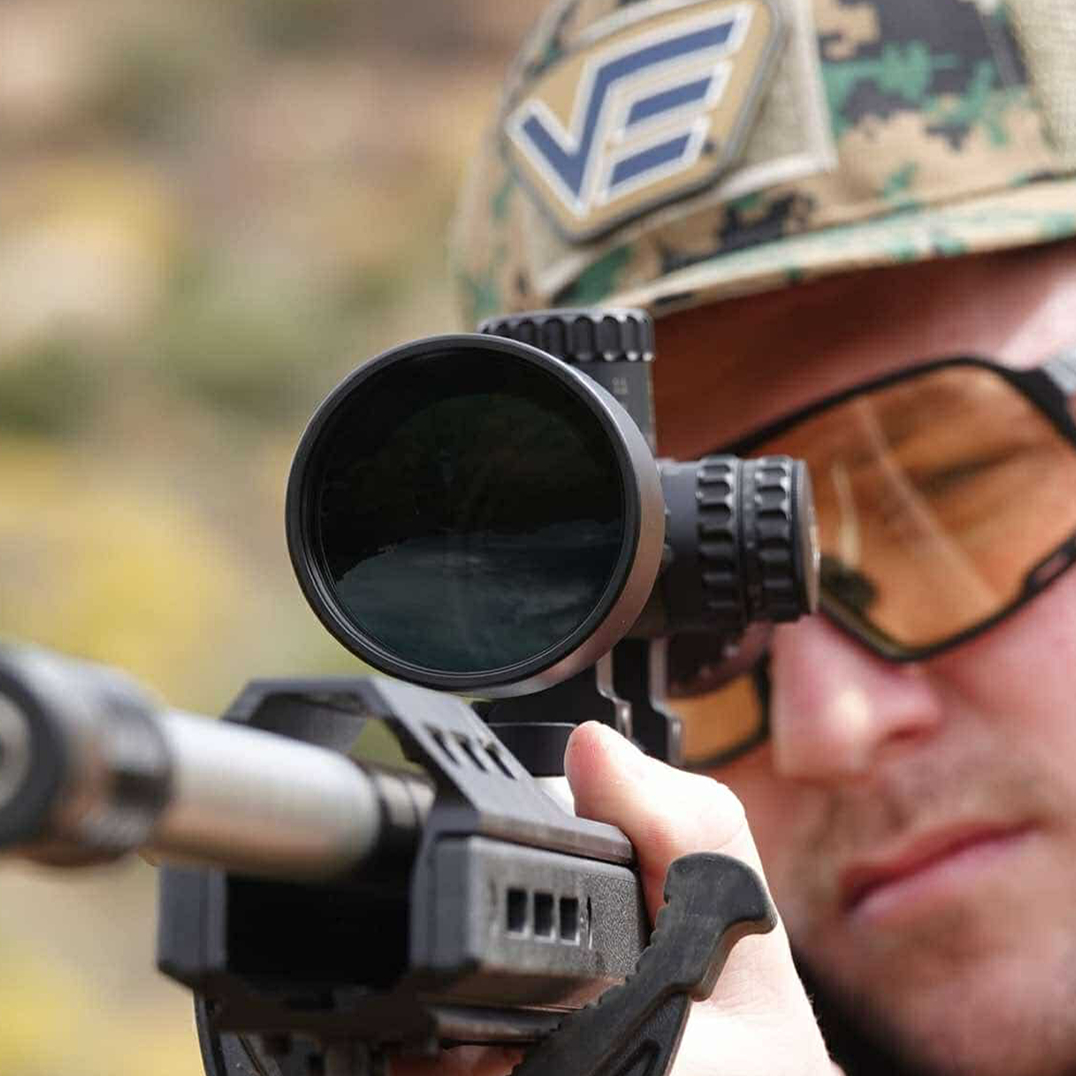
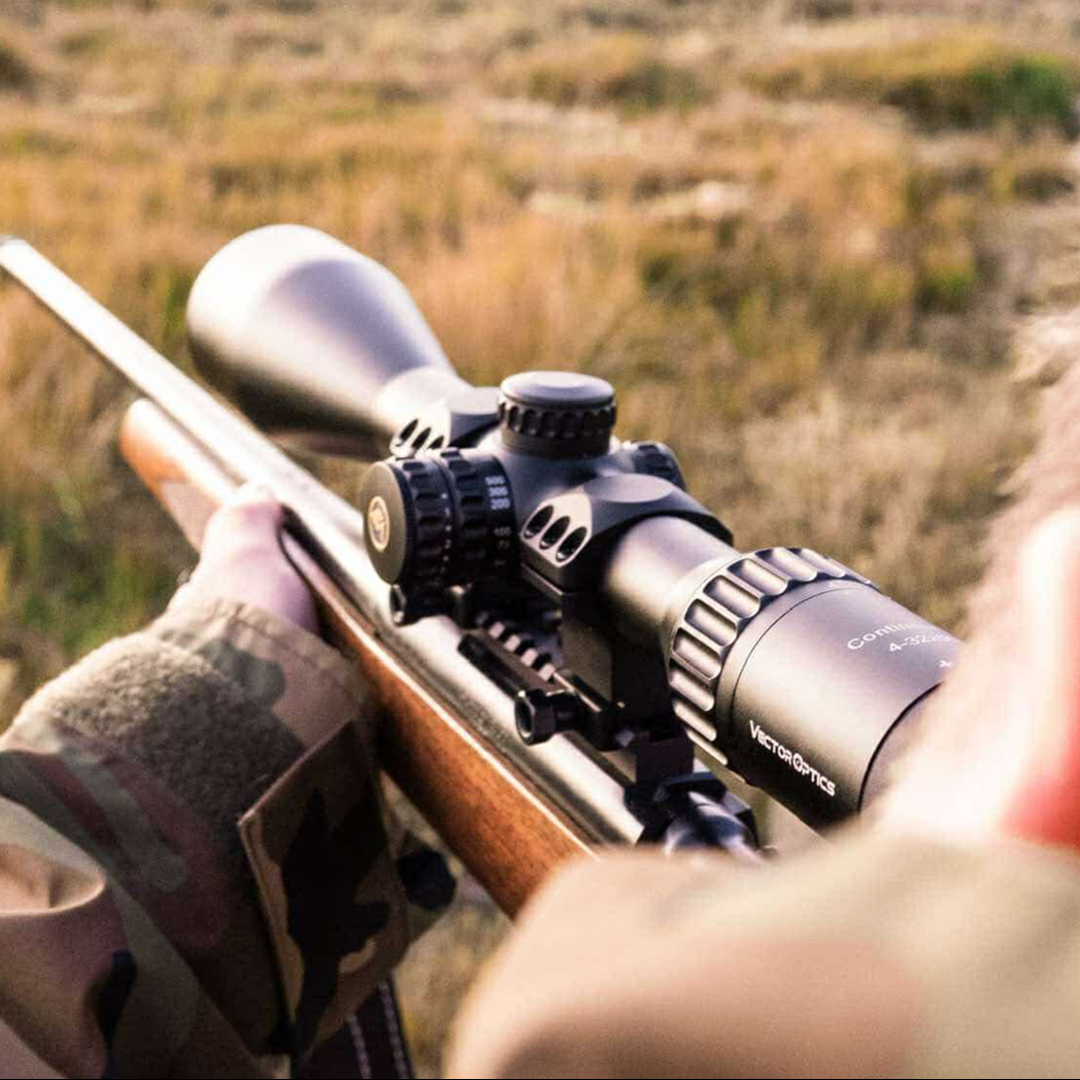
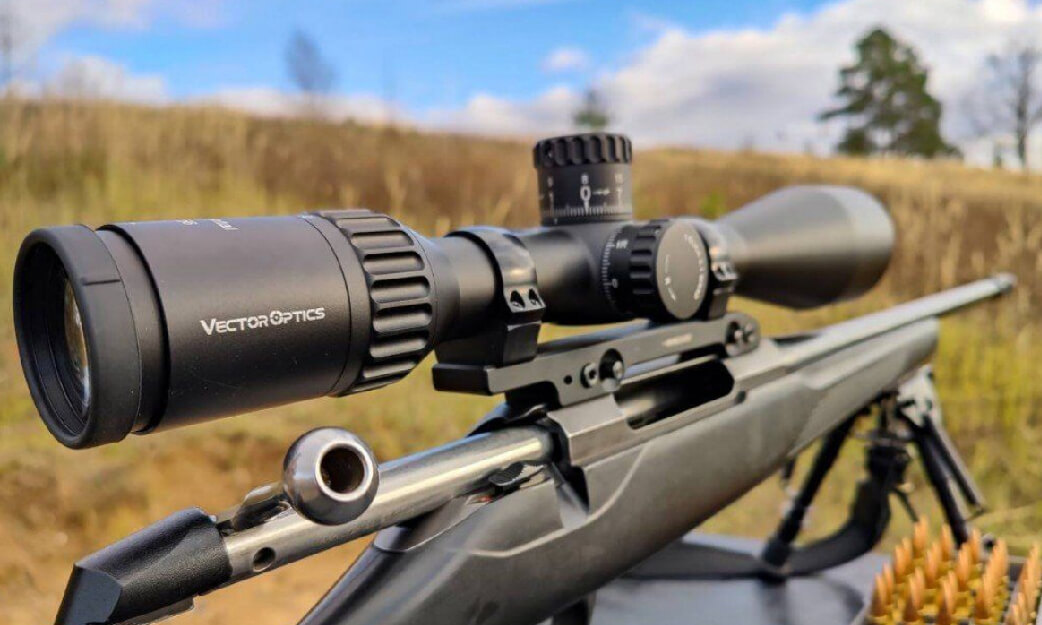
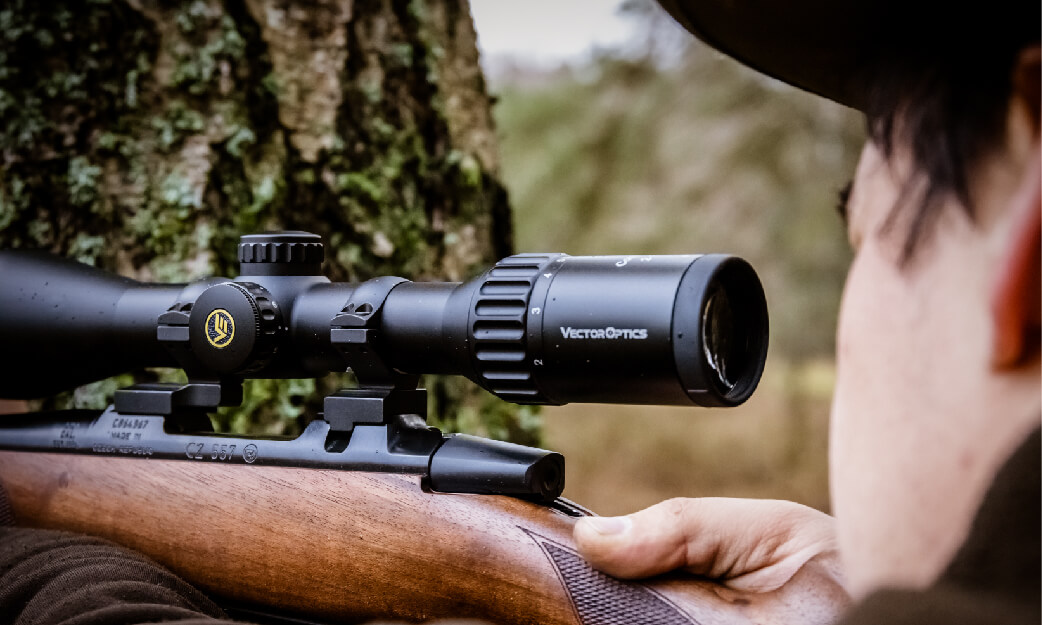
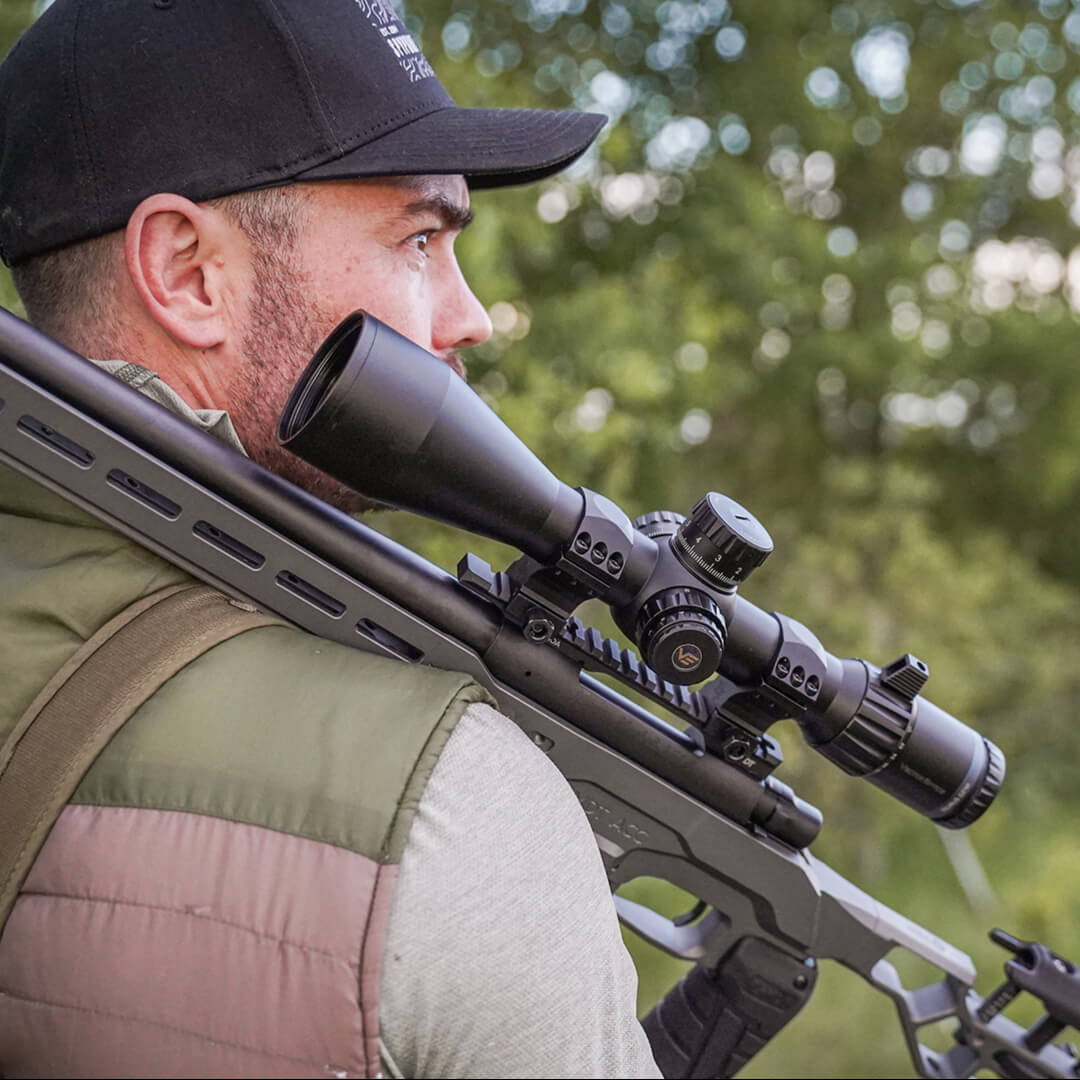
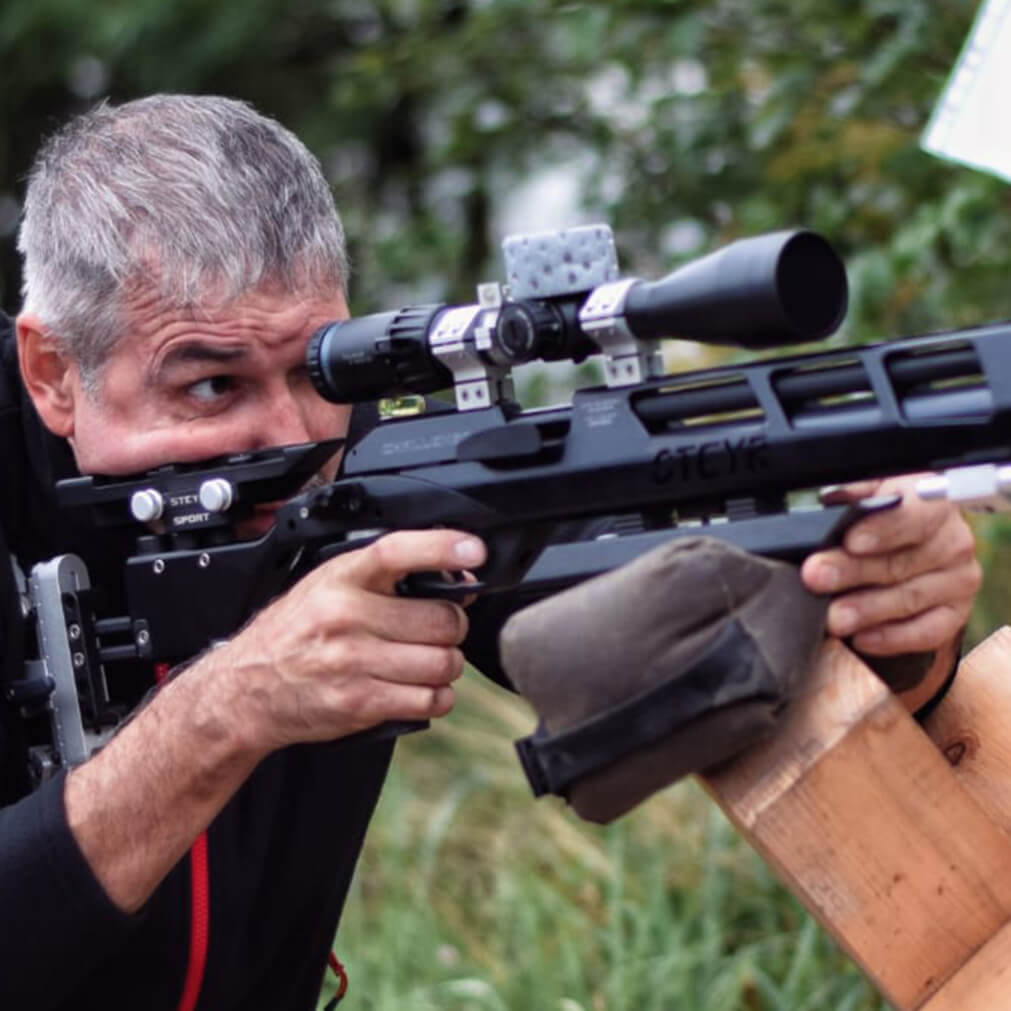
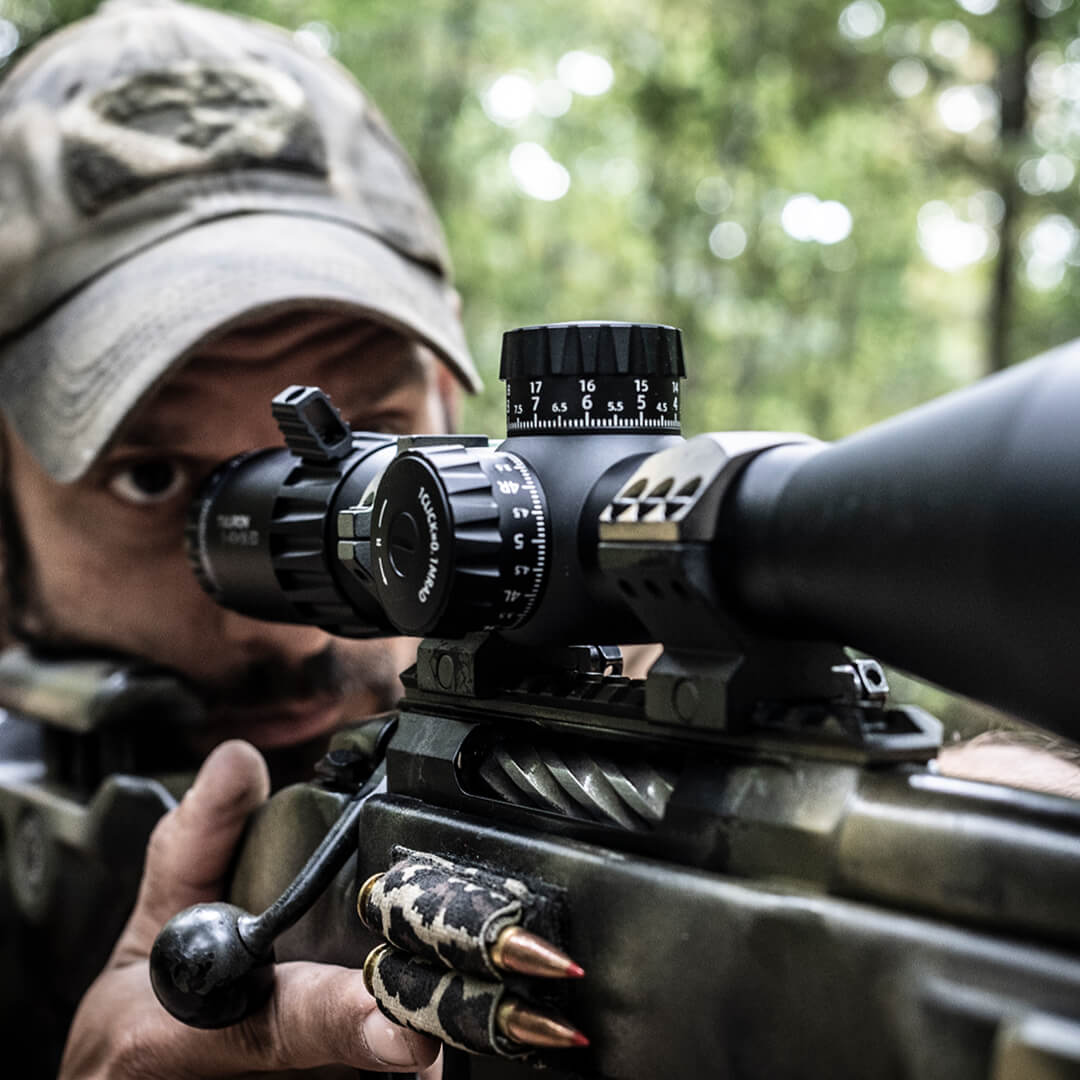
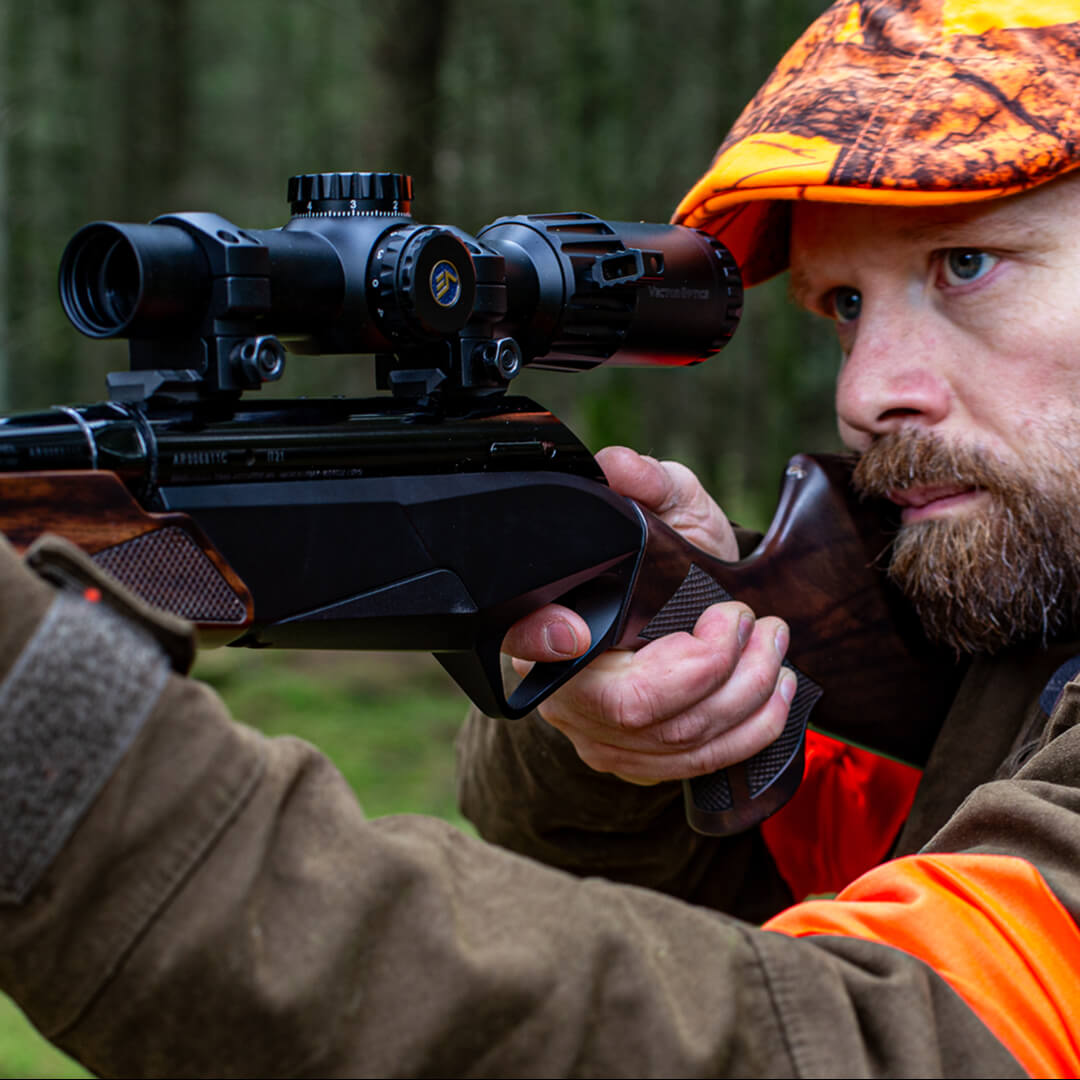
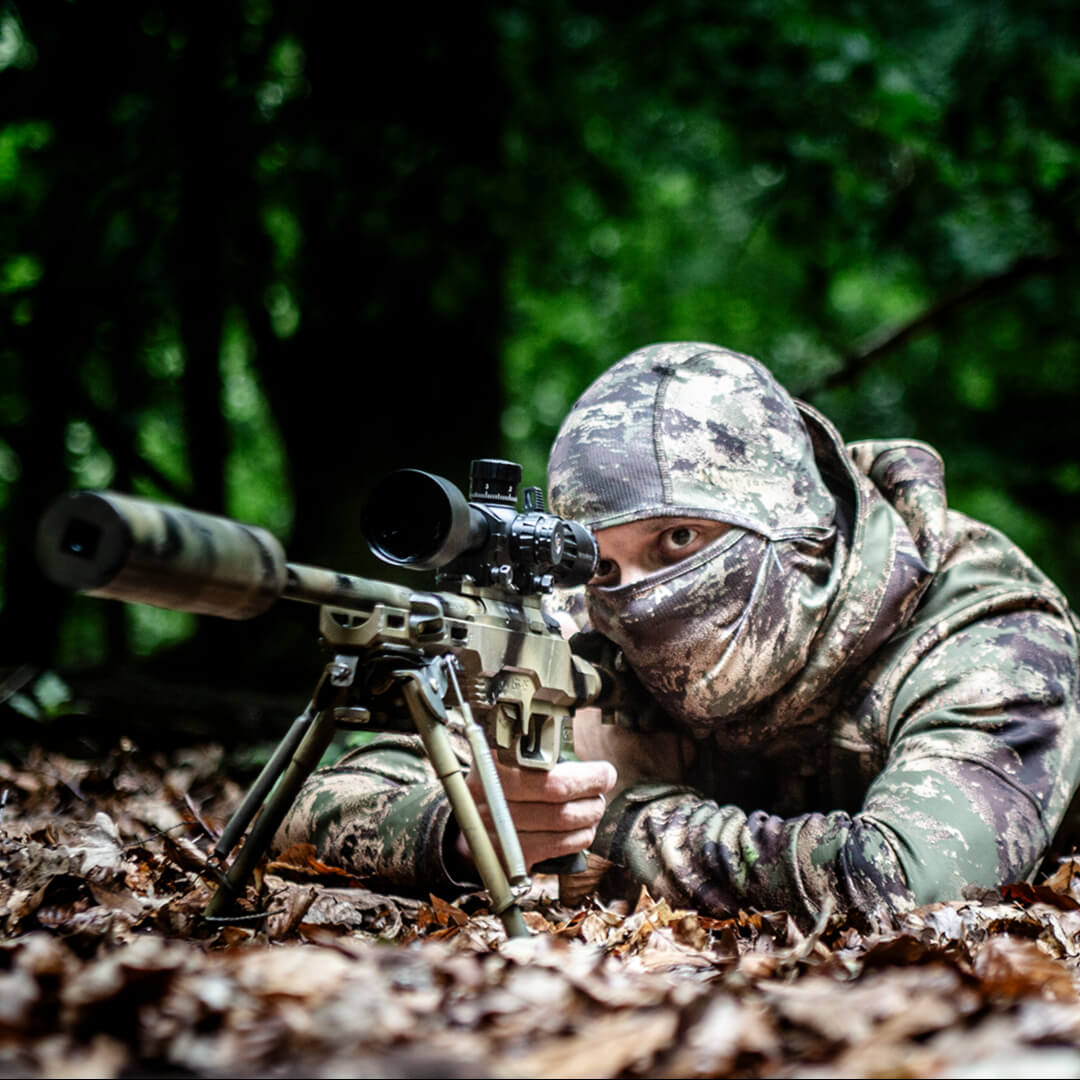
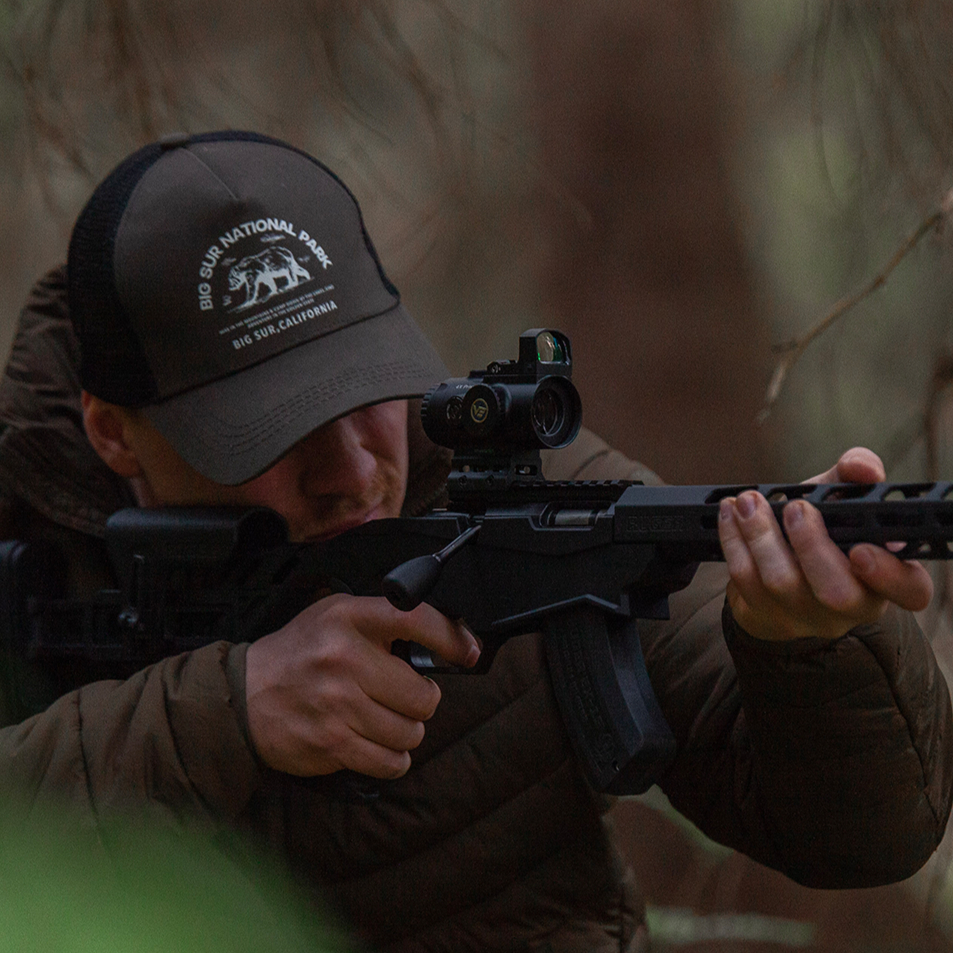
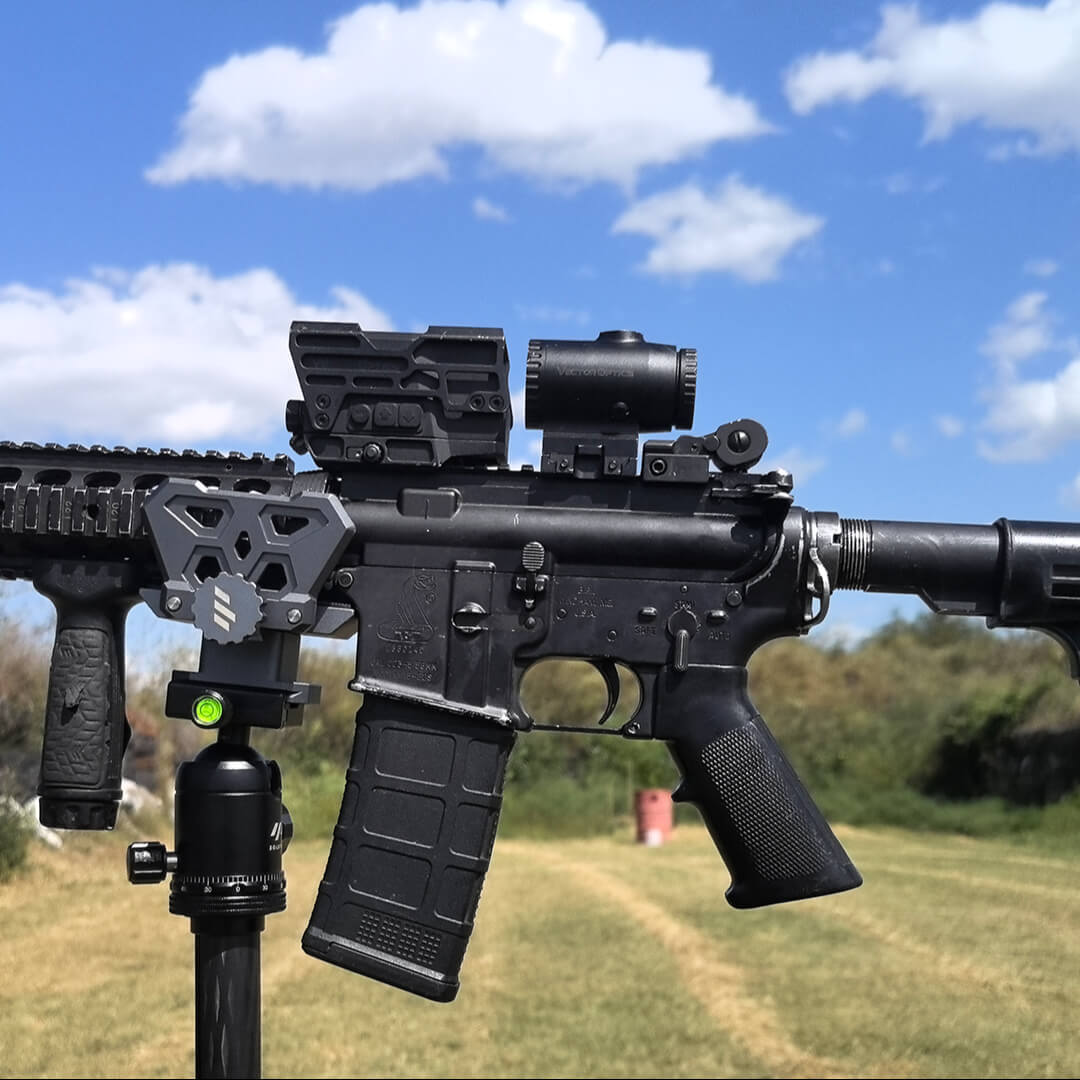
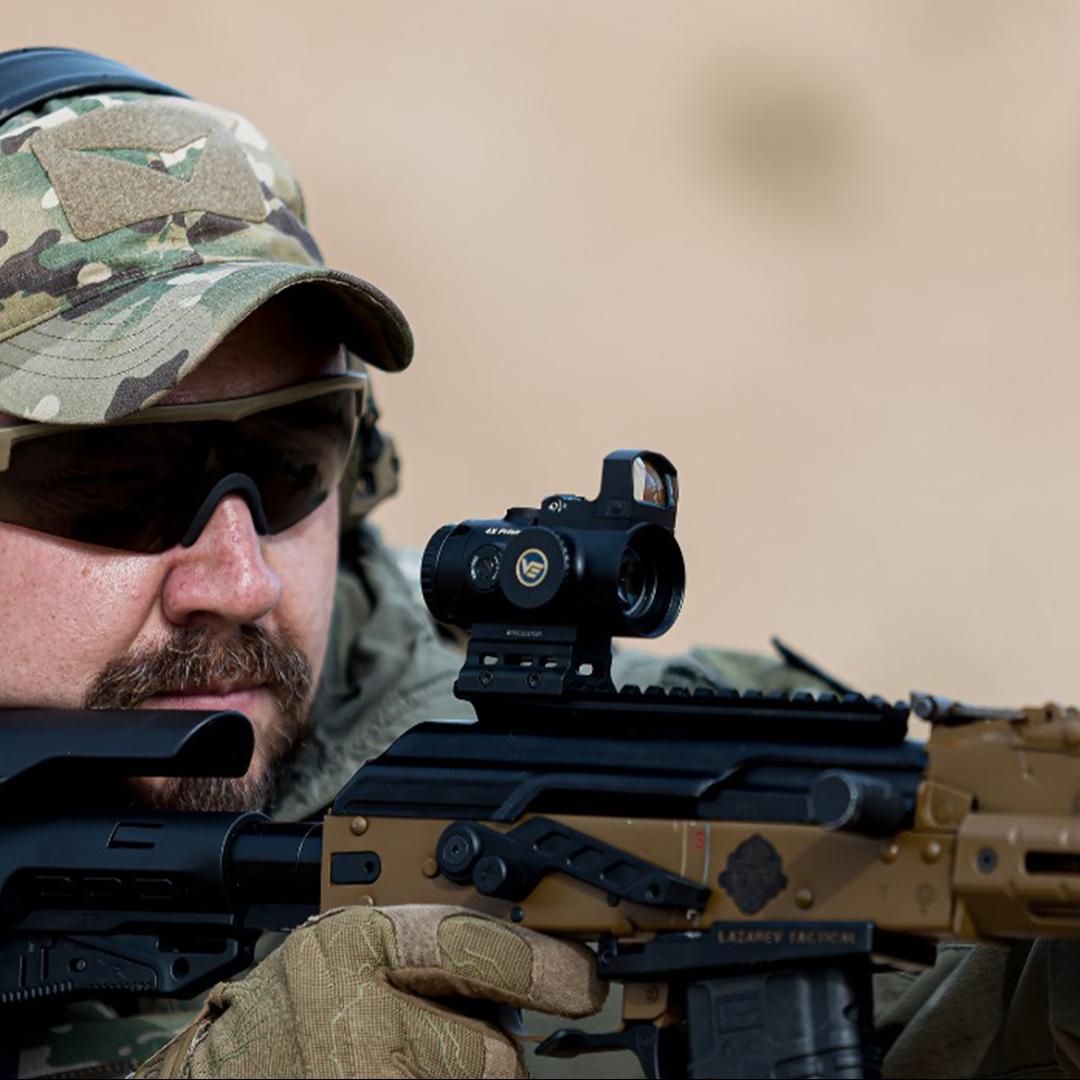
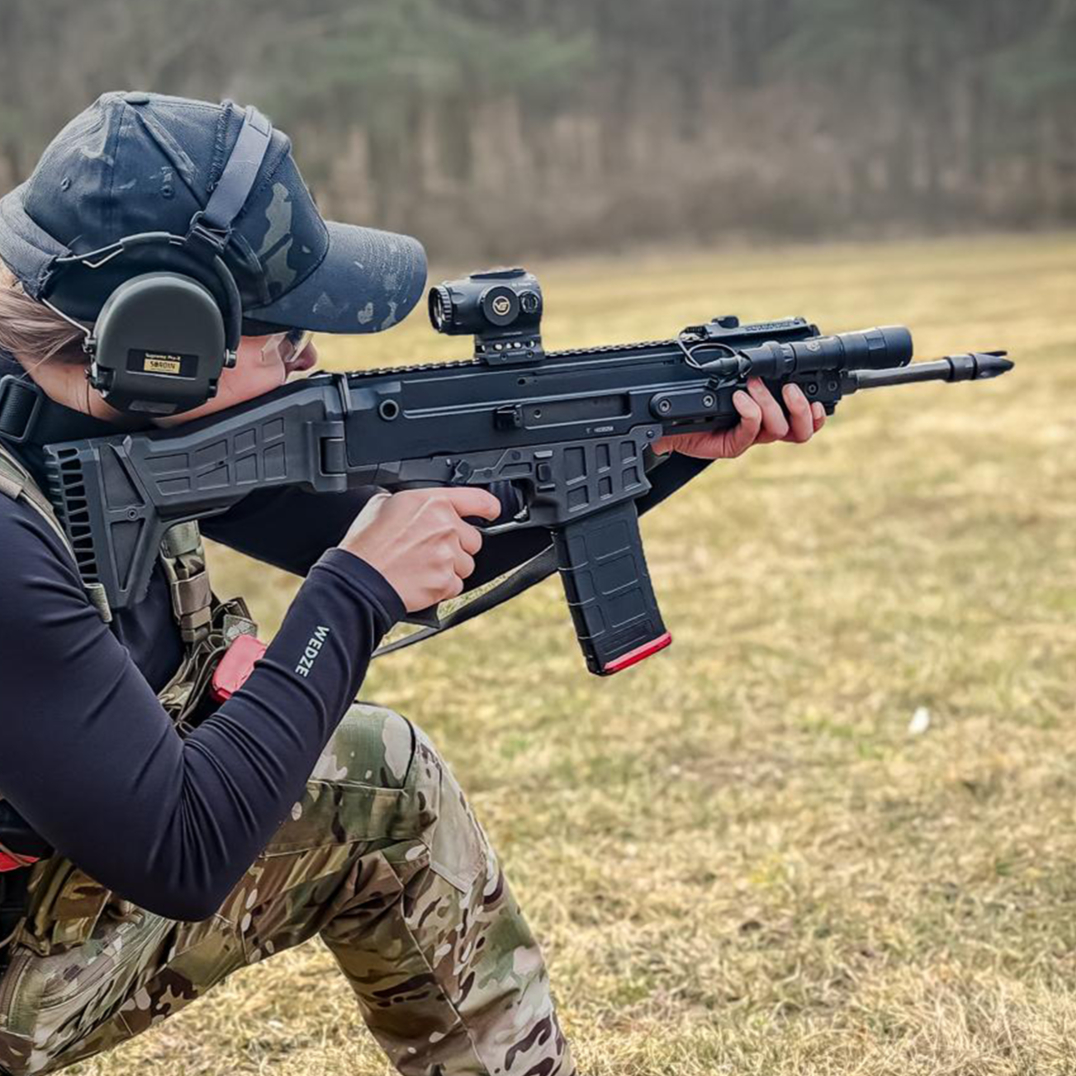
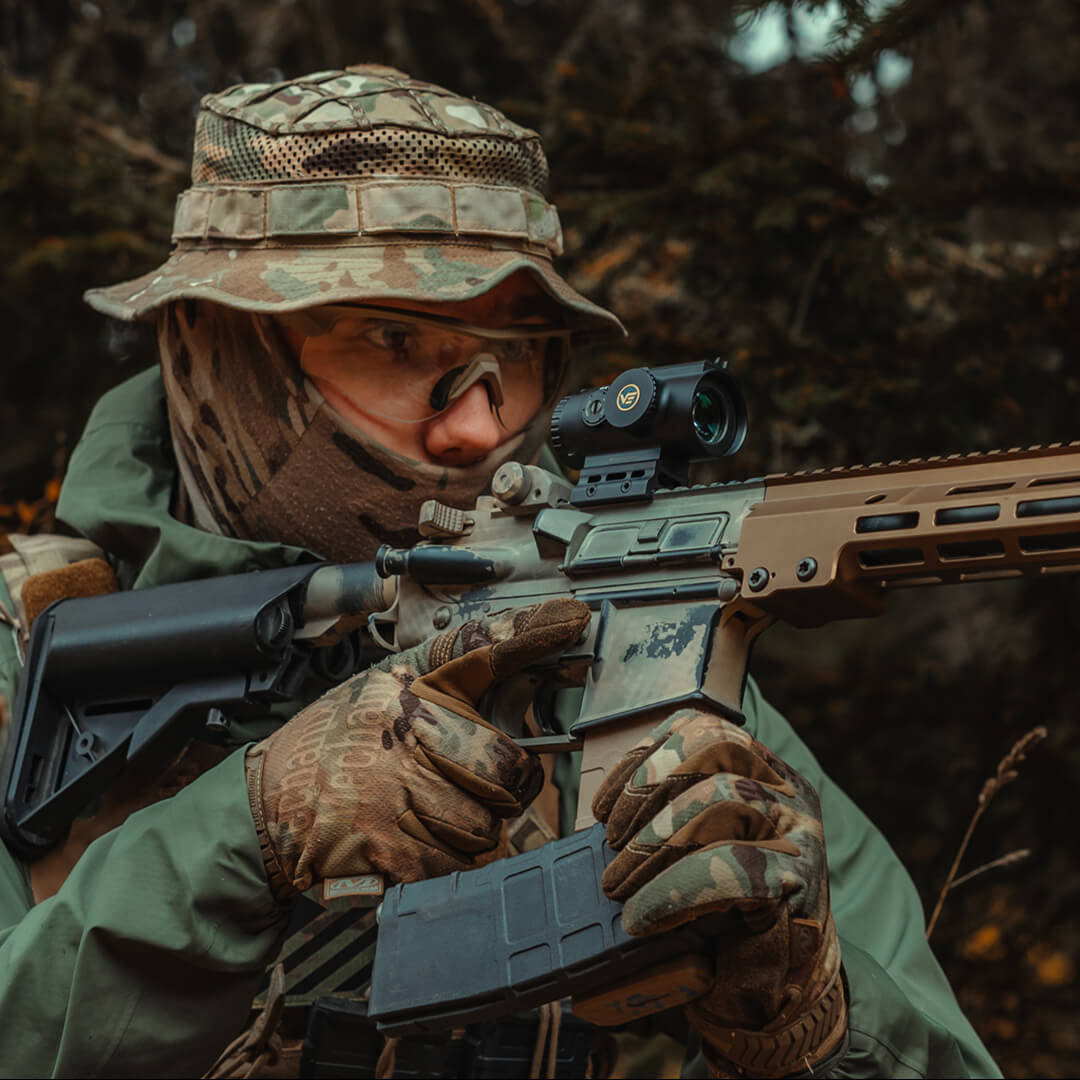
From whitetail deer in dense woods to mule deer in open country, discover the best deer hunting scopes, magnification ranges, and reticles for different terrains.
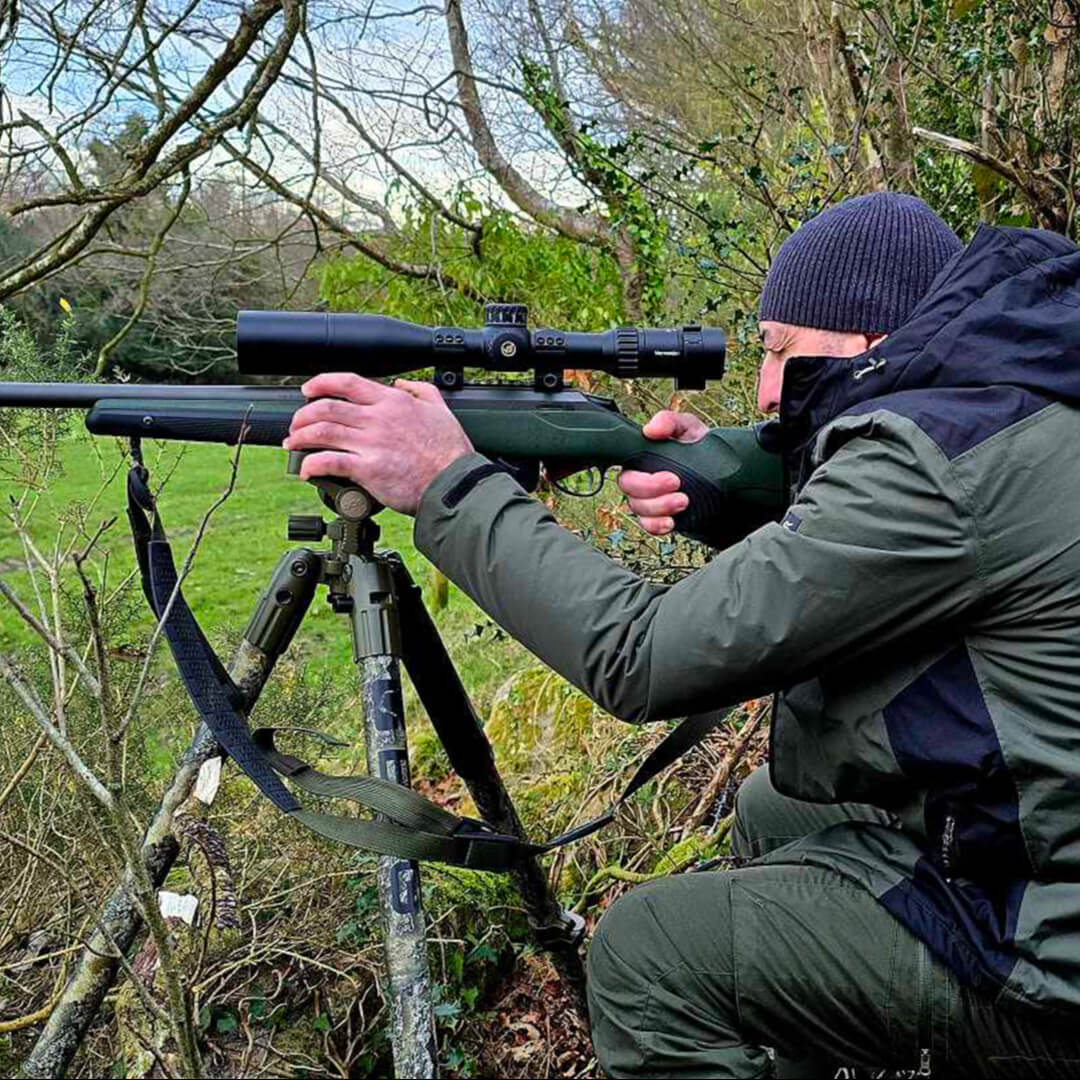
From roe deer in European woodlands to mule deer across North American mountains, hunting environments vary widely. Choosing the right deer hunting rifle scope and binoculars helps you adapt to different terrains, lighting conditions, and hunting methods.
This guide covers essential scope features, recommended optics, and practical considerations for woodland, farmland, and open-country hunting.
1. How Do Deer Species and Hunting Environments Differ by Region?
Deer hunting varies across regions, with different species, landscapes, and hunting traditions shaping the choice of optics.
Europe — Roe, Red & Fallow Deer: European deer hunting takes place across woodlands, farmland edges, rolling hills, and uplands. Roe and fallow deer are commonly found around forests and agricultural areas, while red deer also inhabit open hills and mountainous terrain.
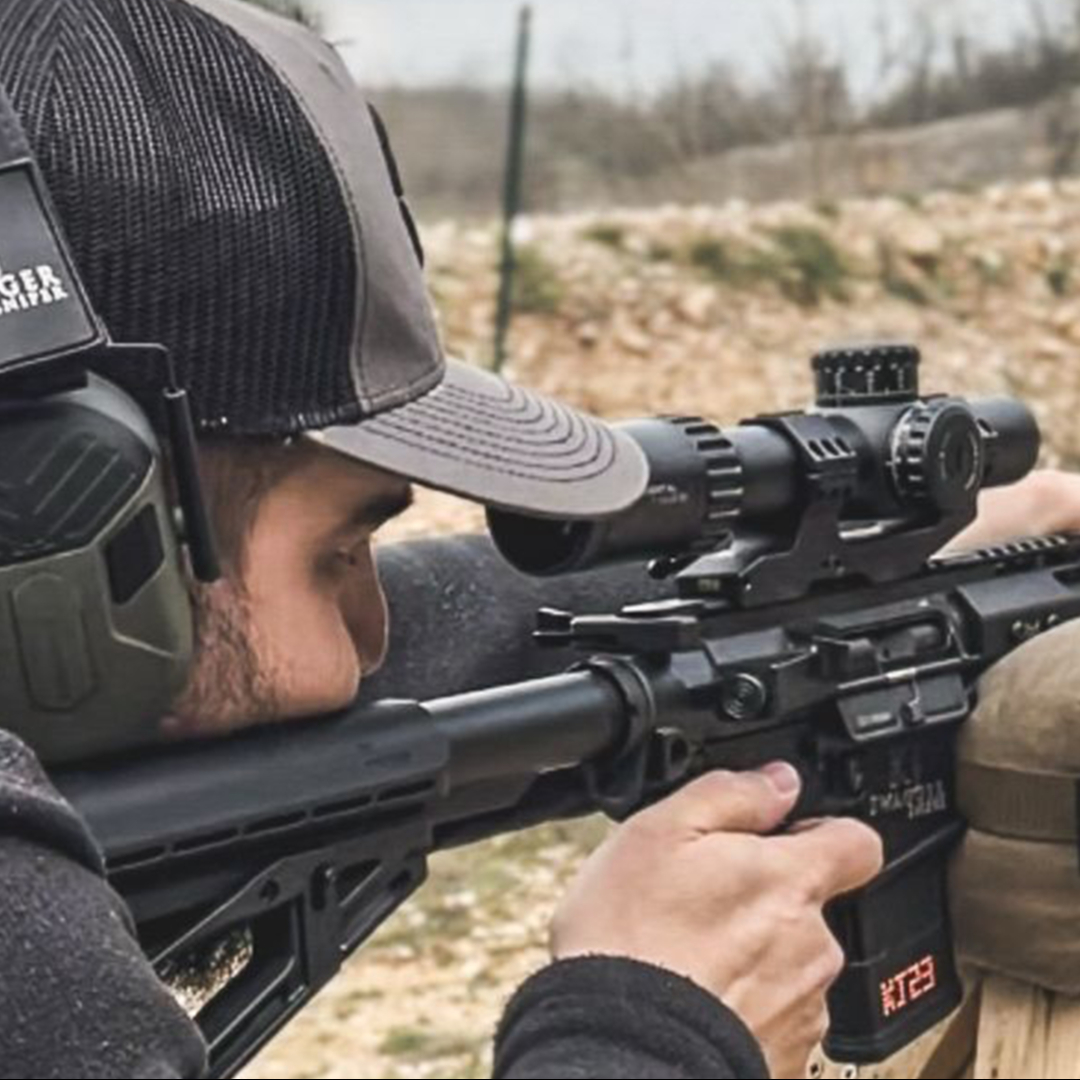
North America — Whitetail & Mule Deer: Whitetails are widespread in forests, brushlands, and farmland, while mule deer are commonly associated with western mountains, shrublands, and open country. Both species occupy varied habitats, so optics should match the actual hunting environment.
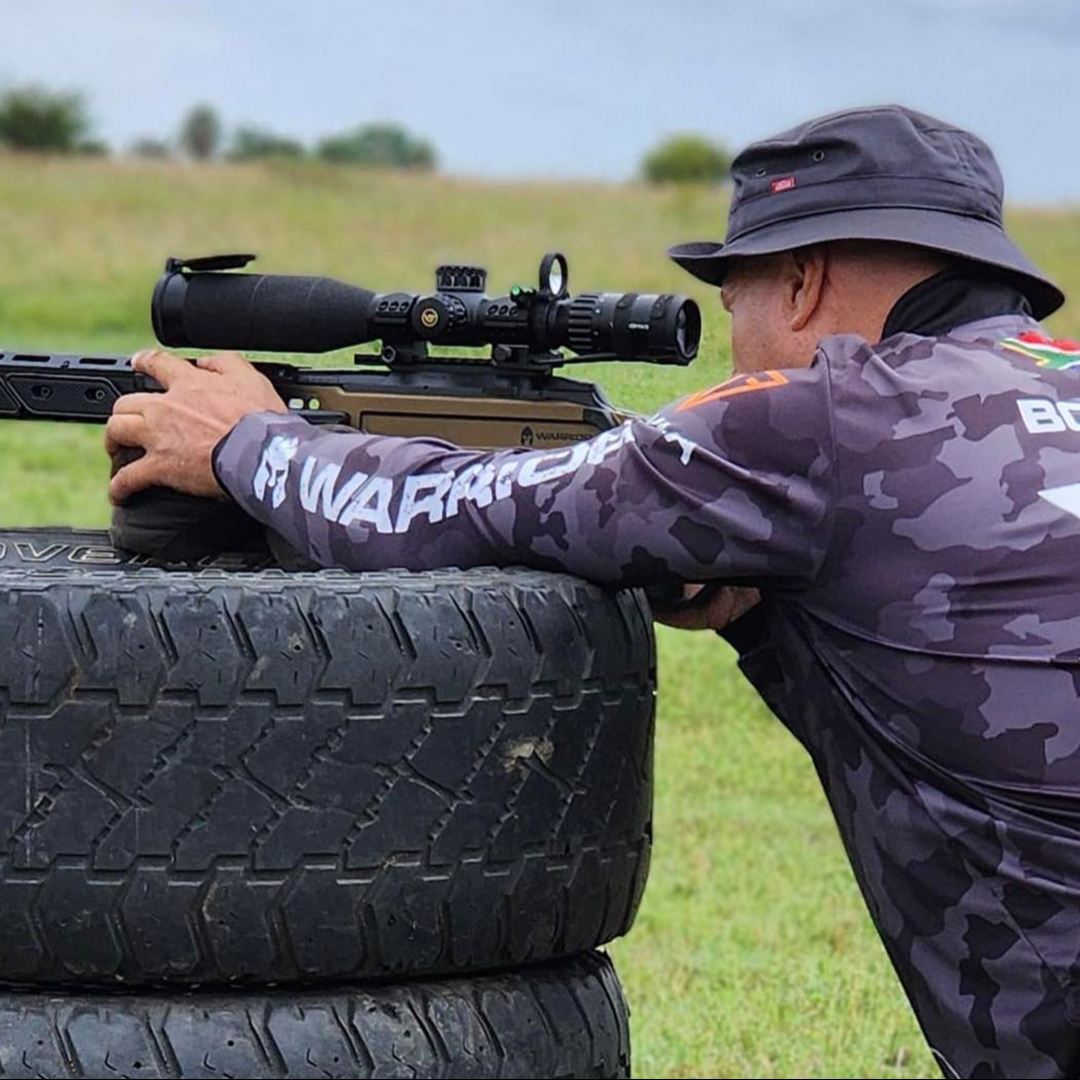
South Africa — Fallow Deer & Plains Game: Fallow deer hunting is available in certain areas, while hunting more commonly involves plains game such as kudu, impala, and springbok. These antelope are not deer, but their hunting environments share similar optical requirements, from dense bushveld to open grasslands.
Across these regions, woodland, farmland, and open-country hunting each present different visibility, distance, and handling requirements. Choosing optics based on the terrain and hunting method is often more useful than focusing on species alone.
2. How Do You Choose the Best Scope for Deer Hunting?
The right hunting scope should balance magnification, field of view, optical clarity, and reliable zero retention. Weight, size, and compatibility with additional equipment also matter, especially when using a front-mounted thermal clip-on.
2.1 Practical Magnification
A 2–12× or 3–12× scope is a versatile starting point for mixed hunting terrain. Other practical options include:
1–6× / 1–8×: Low starting magnification and a wide field of view for woodland hunting and close encounters.
2–12× / 3–12×: Versatile magnification for farmland, woodland edges, and mixed terrain.
3–18× / 4–16×: Higher magnification for observing finer details across open country.
Higher magnification isn't always better. Choose a magnification that provides a clear, stable aiming image without unnecessarily restricting your view. When using a thermal clip-on, lower magnification may also help preserve the device's usable field of view and display detail.
2.2 Wide Field of View
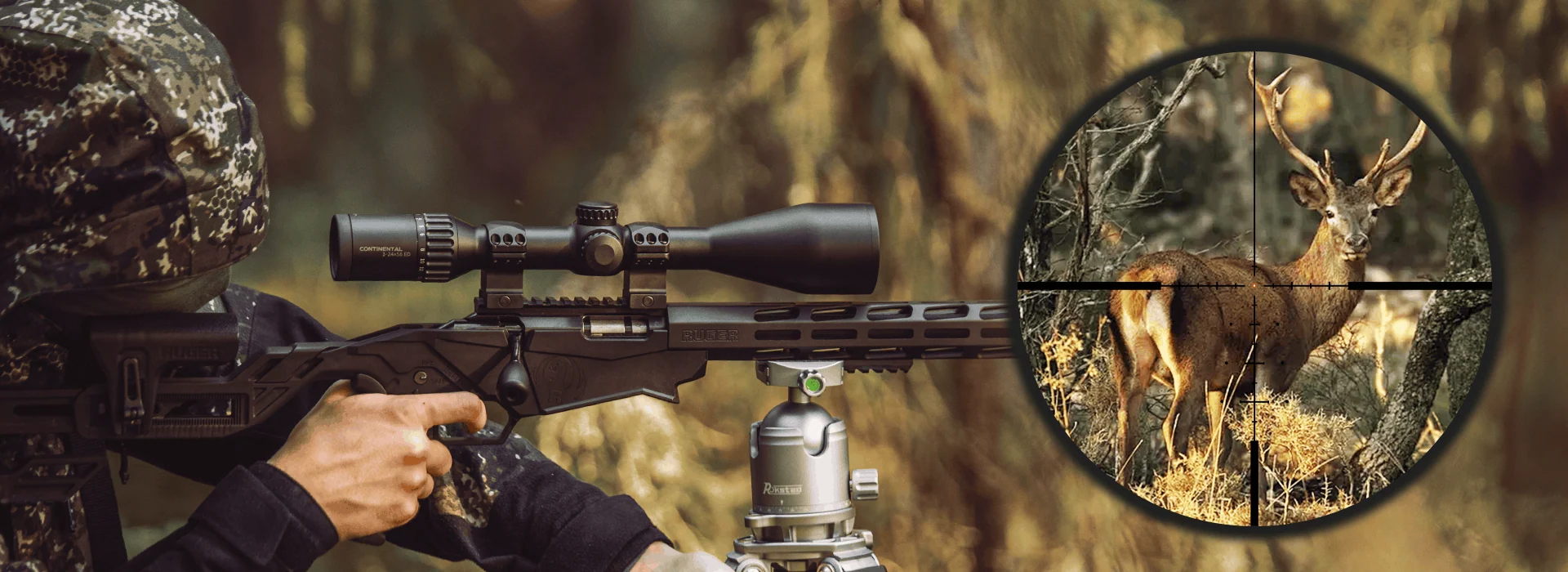
For woodland deer hunting, prioritize a wide FOV at the scope's lowest magnification to spot whitetails quickly, track their movement between trees, and maintain awareness of the surrounding terrain.
For scopes starting at 1–2×, a FOV of 60–100 ft or wider at 100 yards is a practical reference. A wider view is especially useful for close-range hunting within 100 yards, where deer may appear suddenly from dense cover. For scopes starting at 3×, prioritize options with a generous FOV for their magnification to maintain quick target acquisition.
2.3 Clear Glass & Low-Light Performance
Deer are often active at dawn and dusk, when fading light makes them harder to spot. Sharp details, strong contrast, accurate colors, and high light transmission help hunters identify deer in challenging conditions.
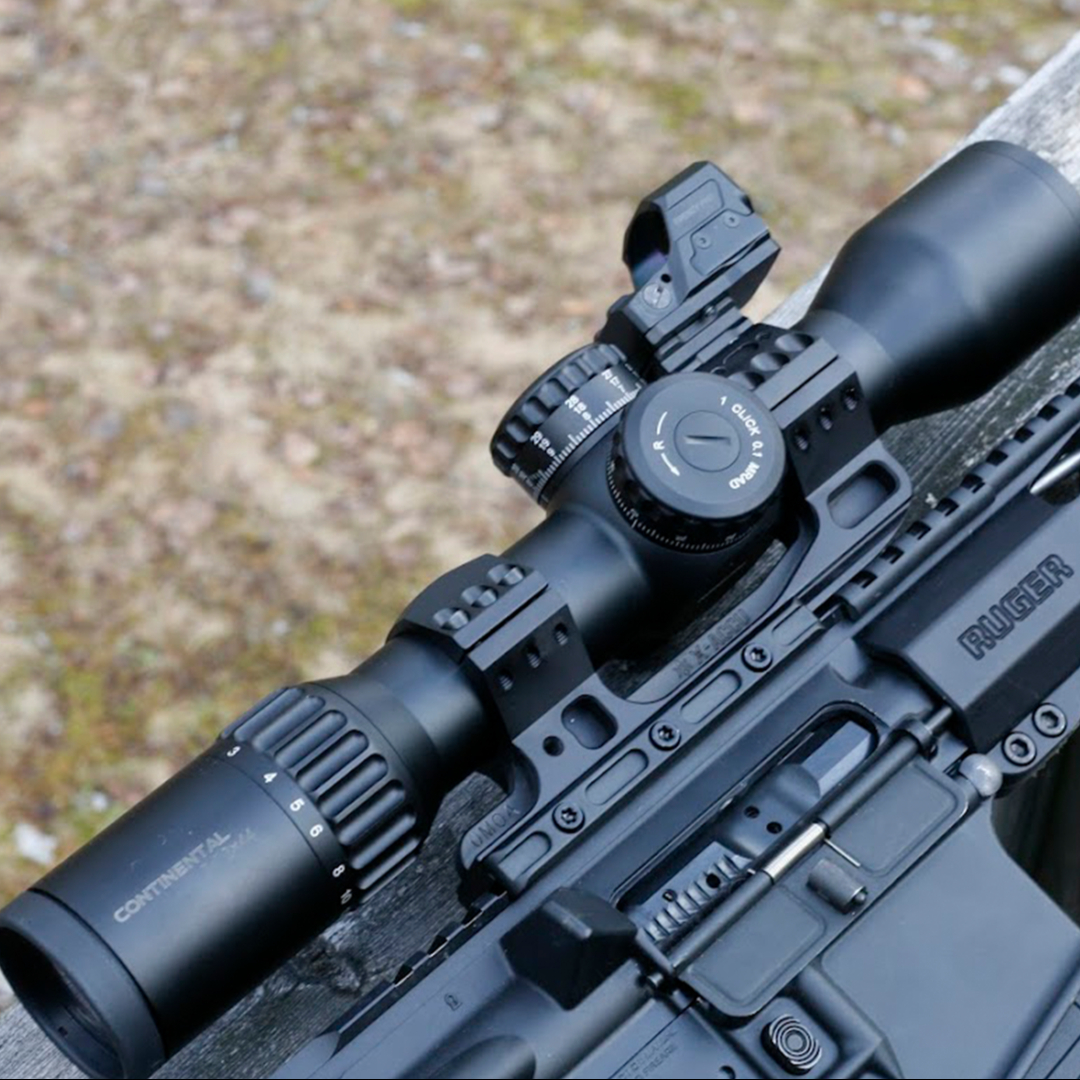
Different optical technologies contribute to these qualities. ED (Extra-Low Dispersion) glass reduces chromatic aberration and color fringing, while the LaREE HD lens system supports sharper image details and clarity. German Schott HT glass helps improve light transmission in selected Continental rifle scopes, particularly when combined with effective anti-reflective coatings. These benefits apply across hunting environments rather than to specific deer species. To understand these optical technologies and their benefits, read this guide.
Beyond glass quality, fully multi-coated (FMC) lenses feature multi-layer anti-reflective coatings on every glass surface to cut reflections and improve light transmission. Premium optical systems with 90%+ light transmission are worth considering for maintaining visibility and contrast in shaded woods and low-light conditions.
A 44 mm objective offers a practical balance of size and viewing capability. Larger 50 mm or 56 mm objectives may be worth considering when twilight viewing is the priority, while 24 mm LPVOs emphasize a wide low-power view and handling. Brightness also depends on magnification and the overall optical design.
2.4 Hunting Reticle Selection
For most deer hunting, prioritize a clean, easy-to-see reticle that allows quick target acquisition without covering important target details.
Reticle Pattern
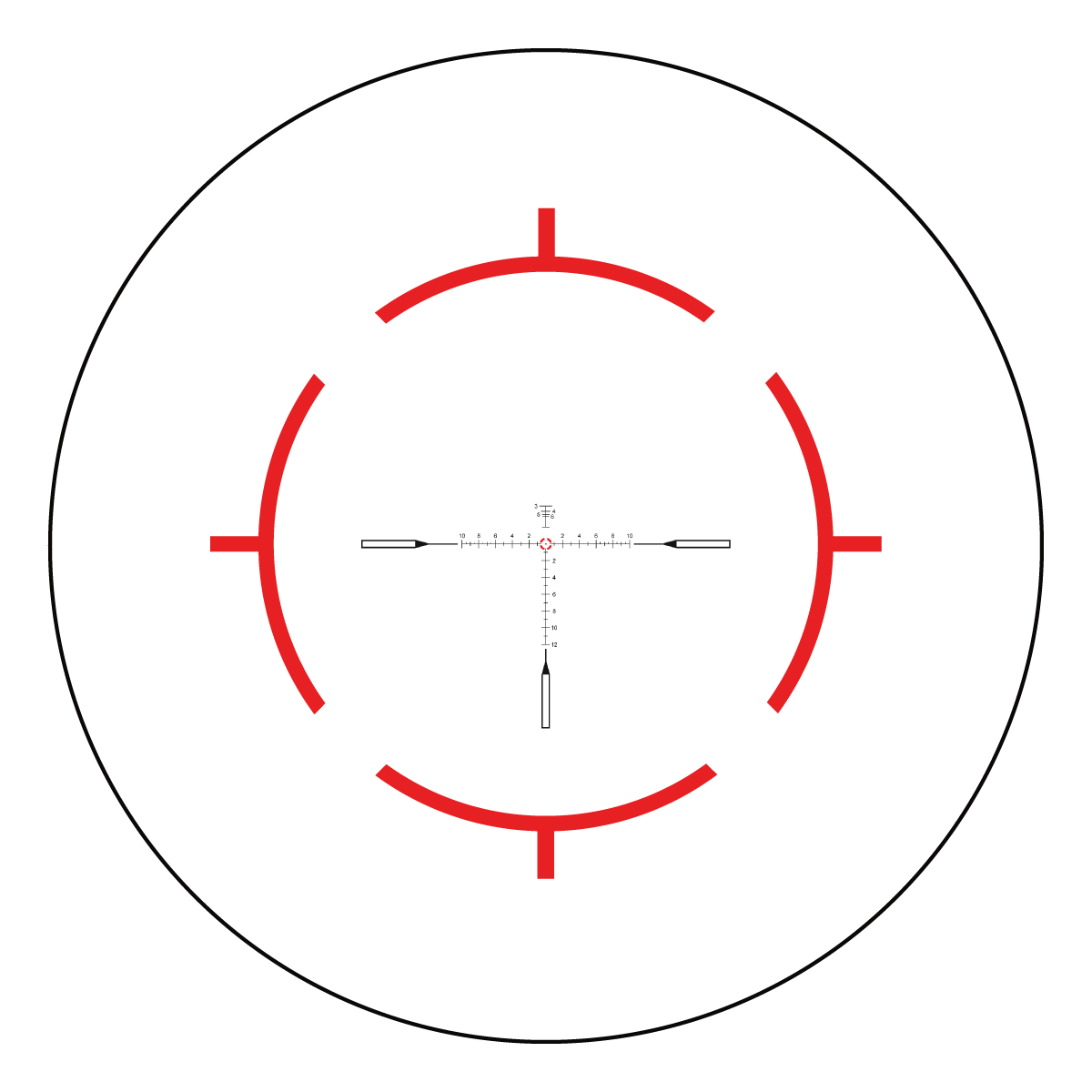
G4 Reticle — Best for General Deer Hunting: Bold outer posts guide the eye toward a fine center, supporting quick aiming in woodland and mixed terrain.
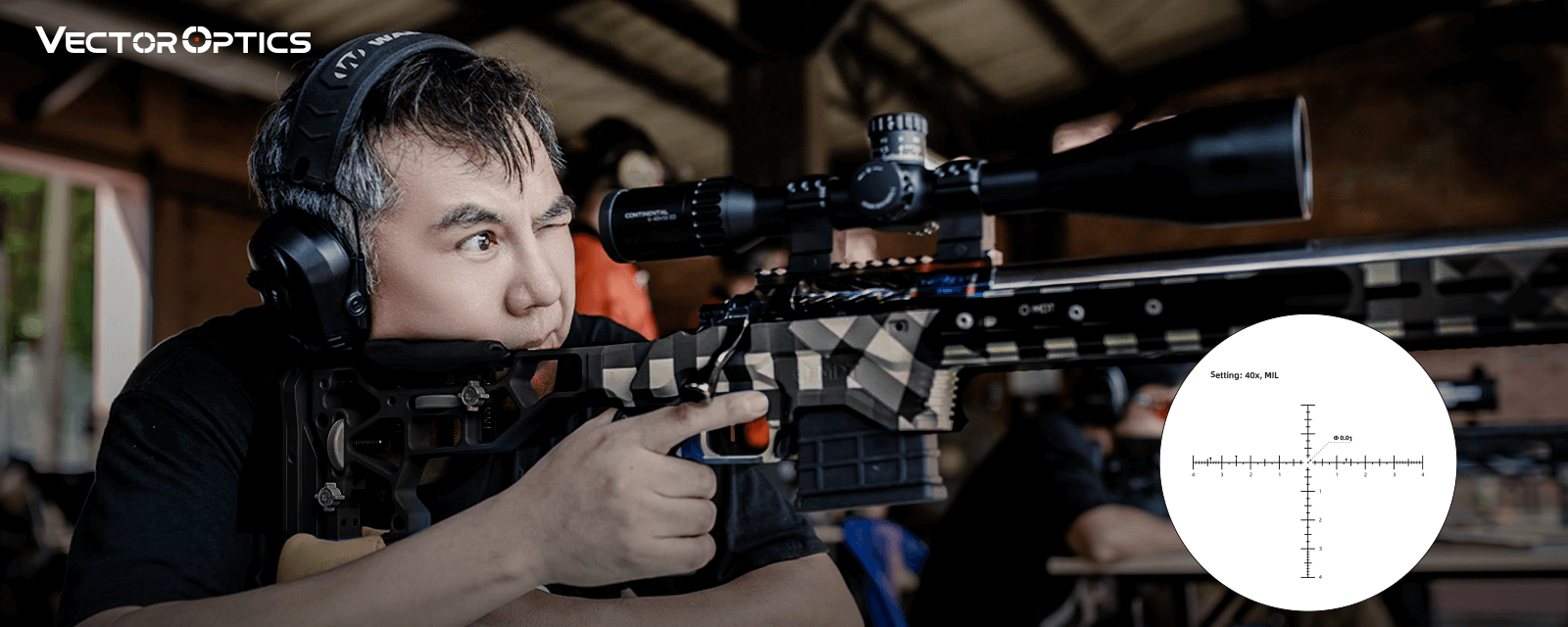
BDC / MIL Reticle — Best for Longer Distances: Additional aiming references help with elevation and windage holds in open-country hunting when properly matched to the rifle's ballistics.
Reticle Type
Illuminated Etched Reticle — Best for Versatility: Adjustable illumination improves aiming-point visibility against dark backgrounds, while the etched pattern remains visible without power.
Fiber-Optic Reticle — Best for Bright Daylight: A highly visible center dot helps with fast target acquisition in sunny conditions and when following moving deer.
For a closer comparison of daylight visibility, reticle clarity, and practical hunting applications, explore our reticle comparison guide.
2.5 Capped & Locking Turrets
Both capped and exposed locking turrets are popular choices for hunting. The better option depends on the environment and how often adjustments are needed in the field.
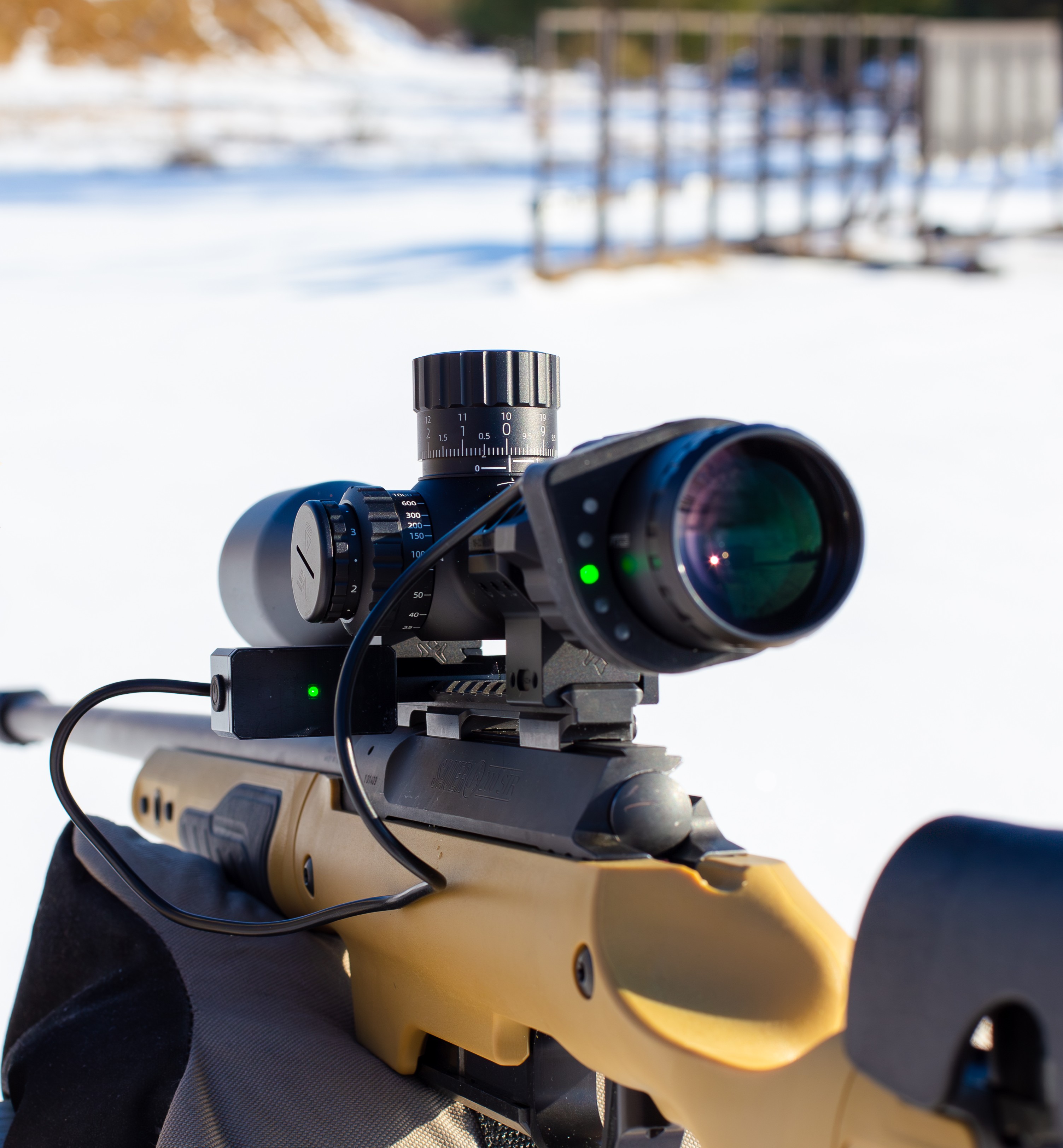
Capped turrets provide additional protection against mud, snow, rain, and debris, making them particularly practical for wet woodland hunting and hunters who prefer to maintain a fixed zero.
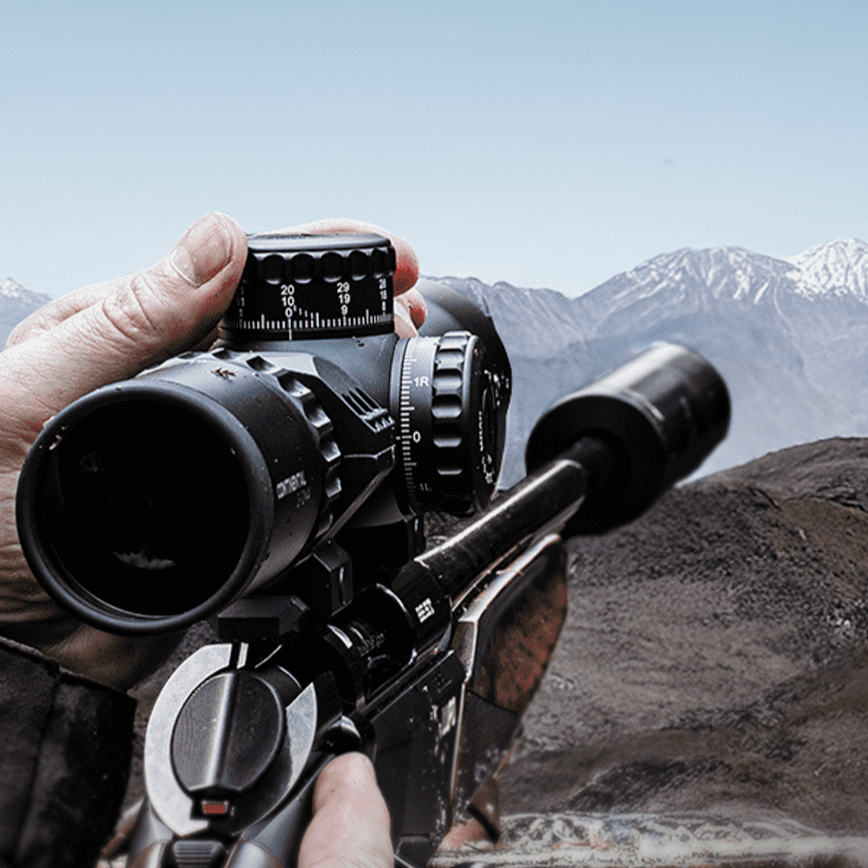
Exposed locking turrets allow quicker access to elevation and windage adjustments for different distances and ballistic requirements. Their locking mechanism helps prevent accidental changes, while effective weather sealing supports reliable performance in demanding conditions.
Whichever design you choose, prioritize reliable zero retention, repeatable adjustments, and weather resistance. For a closer look at turret designs and their applications, explore our rifle scope turret guide.
2.6 Lightweight & Compact Design
For hunting that involves long walks or steep terrain, a scope weighing approximately 450–650 g (16–23 oz) can help reduce carrying fatigue. A compact body around 300 mm (11.8 in) or shorter is also worth considering for easier handling.
Compact dimensions become especially useful with a front-mounted thermal clip-on, as the device and adapter extend the overall optical setup. A shorter day scope can help limit the combined length, provided there is sufficient mounting space and the components are compatible.
For example, the Veyron GenII 3–12×44i Rifle Scope (SCOM-54) measures just 242 mm (9.5 in), while the Veyron GenII 4-16x44i Rifle Scope (SCOL-73) measures 251 mm (9.9 in). Their compact designs make them worth considering when planning a compatible thermal clip-on setup, particularly where overall length and handling matter.
3. Which Rifle Scope Should You Consider?
Based on the key factors above, we've selected the following deer hunting rifle scopes to suit different hunting terrains, lighting conditions, and budgets.
Series | Recommended Model | Optical Configuration | Best For | Key Features |
Continental x8 | Continental x8 1-8×24i ED Fiber (SCOC-51) | ED + SCHOTT HT + VePRO FMC | Woodland & Close Encounters | True 1×, wide low-power field of view and a bright G4 fiber center dot; 8× zoom range for versatile daytime hunting. |
Continental x8 | Continental x8 2-16×50 ED (SCOM-45) | ED + SCHOTT HT + VePRO FMC | Mixed Terrain & Open Country | A versatile 2–16× range, 50 mm objective, illuminated VET-10 BDC reticle and side focus. |
Continental x6 | Continental x6 1-6×24i Fiber (SCOC-48) | SCHOTT HT + VePRO FMC | Woodland Hunting | True 1× and a bright G4 fiber center dot support quick target acquisition; a practical option when a wide low-power view matters. |
Continental x6 | Continental x6 2-12×50 (SCOM-15) | SCHOTT HT + VePRO FMC | General Deer Hunting | Low 2× starting magnification, a 50 mm objective, illuminated VET-10 BDC reticle and capped turrets for mixed hunting terrain. |
Continental x6 | Continental x6 2.5— 15×56i Fiber (SCOM-47) | SCHOTT HT + VePRO FMC | Twilight & Field-Edge Hunting | A 56 mm objective, illuminated G4 fiber center dot and side focus provide a practical combination for changing light conditions. |
Continental x6 | Continental x6 3- 18×50i Fiber (SCOL-65) | SCHOTT HT + VePRO FMC | Open-Country Hunting | Additional daytime magnification, a 50 mm objective, G4 fiber center dot and capped ¼ MOA turrets. |
Veyron Gen II | Veyron Gen II 3-12×44i HD G4 Fiber (SCOM-54) | LaREE HD + FMC | Compact & Thermal Clip-On Setups | Ultra-short 242 mm body, G4 fiber center dot, side focus and 0.1 MIL locking turrets; worth considering for a compatible thermal clip-on combination. |
Veyron Gen II | Veyron Gen II 4-16×44i HD G4 Fiber (SCOL-73) | LaREE HD + FMC | Compact & Open-Country Hunting | A short 251 mm body combines a 4–16× range with a G4 fiber center dot, side focus and 0.1 MIL locking turrets. |
Grizzly HD | Grizzly 1.7-10×40i HD Fiber (SCOM-53) | LaREE HD + FMC | Woodland & Mobile Hunting | Low 1.7× starting magnification, a 276 mm body, G4 fiber center dot, side focus and capped turrets |
Grizzly HD | Grizzly 2.5-15×50i HD (SCOM-48) | LaREE HD + FMC | Mixed-Terrain Hunting | A 2.5–15× range, 50 mm objective, G4 fiber center dot, side focus and capped 0.1 MIL adjustments. |
Grizzly | Grizzly 3-12×56i Fiber (SCOM-49) | FMC | Low-Light & General Hunting | 3–12× magnification, 56 mm objective, G4 fiber center dot, capped 0.1 MIL turrets, 315 mm, 709 g. |
Grizzly HD | Grizzly 3-18×56i HD (SCOL-67) | LaREE HD + FMC | Field-Edge & Open-Country Hunting | A 56 mm objective, 3–18× range, G4 fiber center dot, side focus and capped turrets for hunters prioritizing a larger objective and flexible magnification. |
Matiz | Matiz 3-9×50 Fiber (SCOM-36) | FMC | Budget-Friendly Deer Hunting | A straightforward 3–9× range, 50 mm objective, illuminated fiber center dot and capped ¼ MOA turrets. |
4. Which Compact Binoculars Are Worth Considering for Deer Hunting?
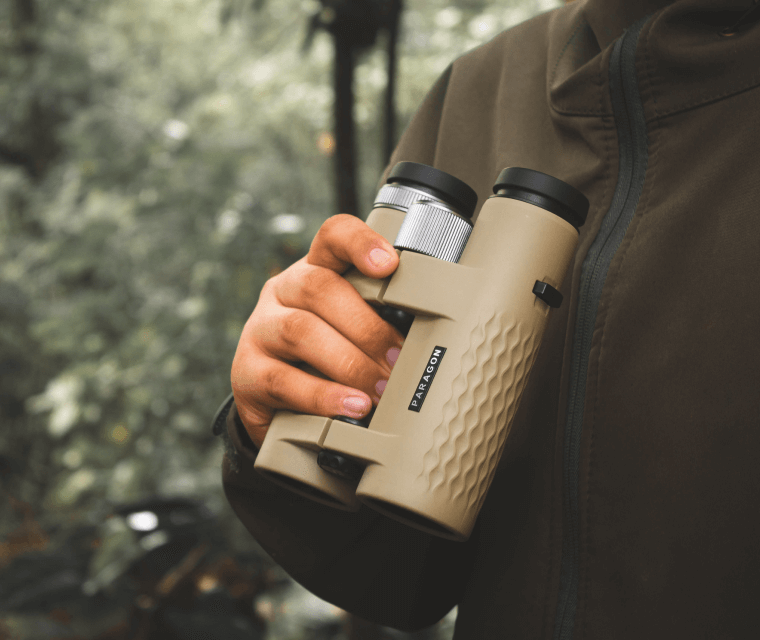
Beyond rifle scopes, binoculars help hunters spot and identify deer before taking a shot. Whether you're hunting whitetails in dense woods or mule deer in open country, 8×32 and 10×32 binoculars offer a great balance of clarity, magnification, and portability, while 7×42 and 10×42 models provide practical options for different hunting conditions.
Here are our recommended binoculars for different deer hunting conditions and budgets.
Recommended Binoculars | Best For | Key Features |
Continental 8x32 ED Binocular (SCBO-25) | Woodland Whitetail Deer Hunting | ED glass for clear, high-contrast views; wide 8.1° FOV for spotting deer through trees; 90% light transmission; IP67 waterproof |
Continental 10x32 ED Binocular (SCBO-26) | Open-Country Mule Deer Hunting | 10× magnification for spotting distant mule deer; ED glass and dielectric prism coatings for detailed views; lightweight magnesium-alloy body |
Paragon 8x32 GenII HD Binocular (SCBO-23) | Mobile Deer Hunting | Wide 426 ft FOV at 1,000 yards for scanning woodland; fully multi-coated lenses for clear views; lightweight 496 g design for easy carrying |
Paragon 10x32 GenII HD Binocular (SCBO-24) | Open-Field Deer Hunting | 10× magnification for identifying deer at a distance; phase-correction coatings for improved contrast; compact 502 g design; IP67 waterproof |
VictOptics X2 7X42 Binocular (BOSL03) | Budget Woodland Deer Hunting | 7× magnification and wide 7.5° FOV for steady woodland scanning; 42 mm objective for comfortable viewing in changing light; budget-friendly design |
VictOptics X2 10×42 Binocular (BOSL04) | Budget Open-Field Deer Hunting | 10× magnification for spotting deer across open fields; 42 mm objective for brighter viewing at equal magnification; multi-coated optics; lightweight 500 g body |
Want to learn more about binoculars? Check out this guide.
Final Thoughts
The right hunting rifle scope and binoculars help you spot game clearly and aim with confidence. Whether hunting in woodland, farmland, or open country, prioritize optical clarity, reliable performance, and a setup that suits your hunting conditions.
Explore More Hunting Guides
Looking to improve your hunting skills or find the right optics for different hunting conditions? Explore more guides here:
FAQ
1. Does Parallax Adjustment Really Matter for Deer Hunting?
For typical whitetail deer hunting distances, a scope with fixed parallax can work well. However, adjustable parallax becomes more useful when hunting across varied distances, especially in open-country mule deer hunting.
Parallax error occurs when the reticle appears to shift against the target as your eye moves behind the scope. A side-focus adjustment helps reduce this error, making it easier to maintain a consistent aiming point.
2. Should You Dial Your Turrets or Use Reticle Holdovers When Deer Hunting?
For most close- to medium-range deer hunting situations, a verified zero and familiar reticle holds are often more practical than making frequent turret adjustments. Dialing elevation can be useful for longer-distance shots when you have enough time, a reliable range measurement, and confirmed ballistic data.
3. How Much Eye Relief Do You Need for a Deer Hunting Rifle Scope?
Eye relief is especially important when using rifles with noticeable recoil or shooting from awkward field positions. Many hunters prefer around 3.5–4 inches of eye relief, although the ideal amount depends on the rifle, scope, and shooting position.
More importantly, check that you can see a full image without stretching your neck or moving your head unnaturally. Test your setup at both low and high magnification.
4. Can Cold Weather Affect Rifle Scope Performance During Deer Hunting?
Yes. Cold temperatures can affect battery performance, adjustment feel, and how easily you operate a scope while wearing gloves.
Rapid temperature changes may also cause condensation on external lenses. A properly sealed, nitrogen- or argon-purged scope helps prevent internal fogging when its seals remain intact.
For late-season deer hunting, check your scope's operating temperature range, battery condition, and turret operation before heading into the field.