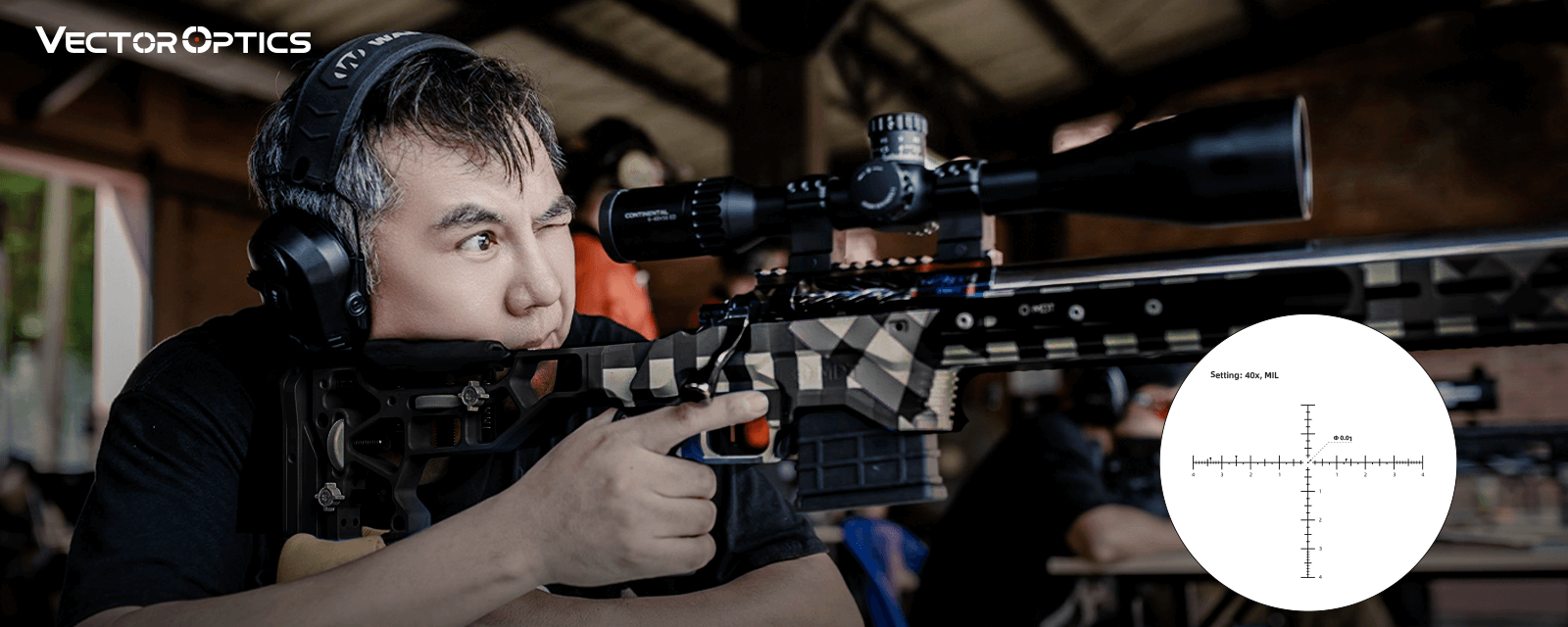
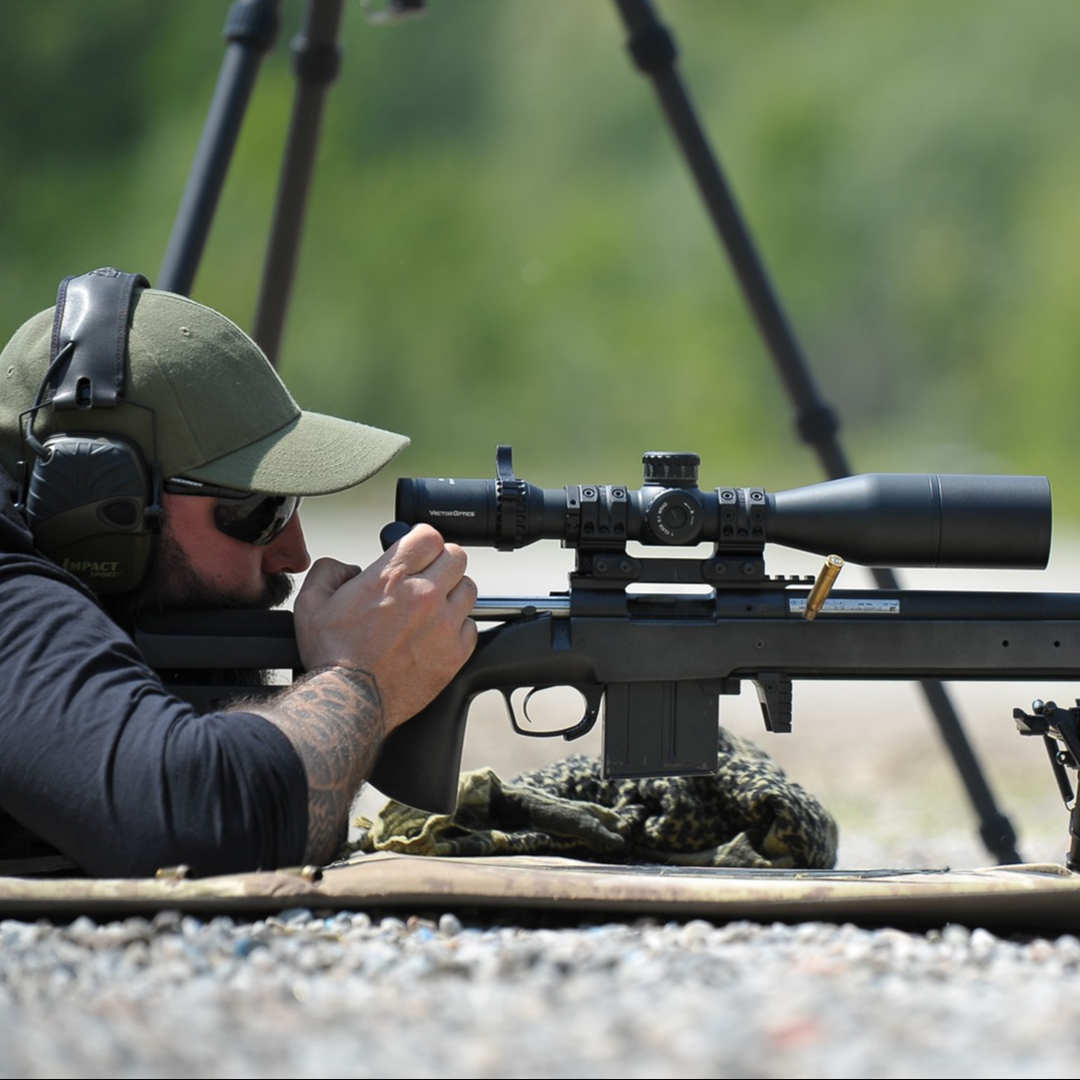
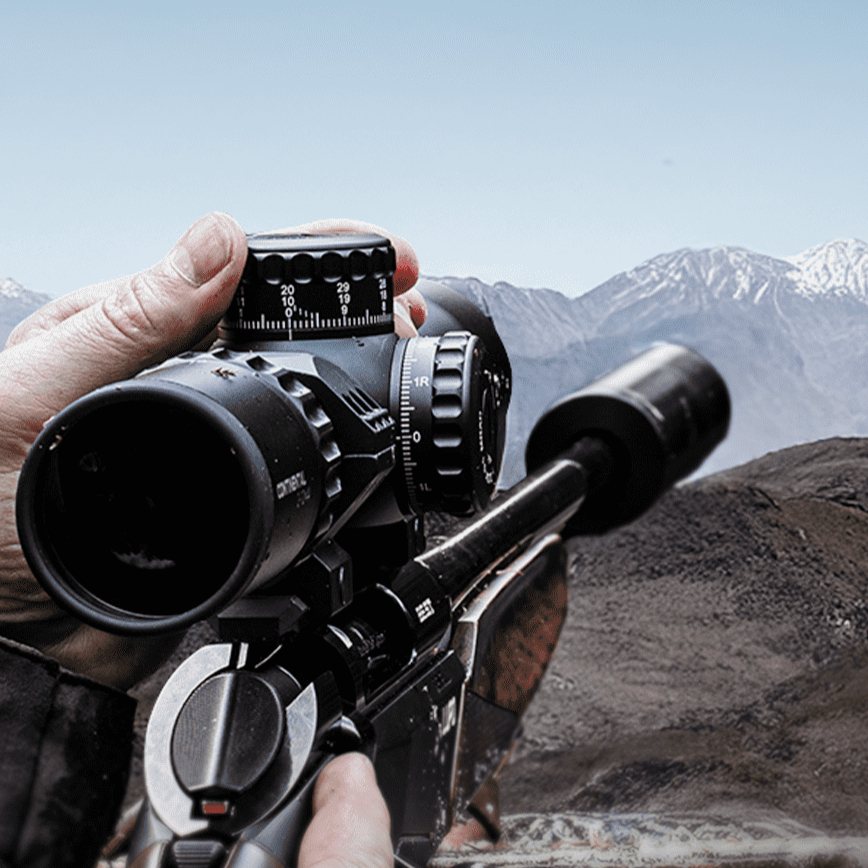
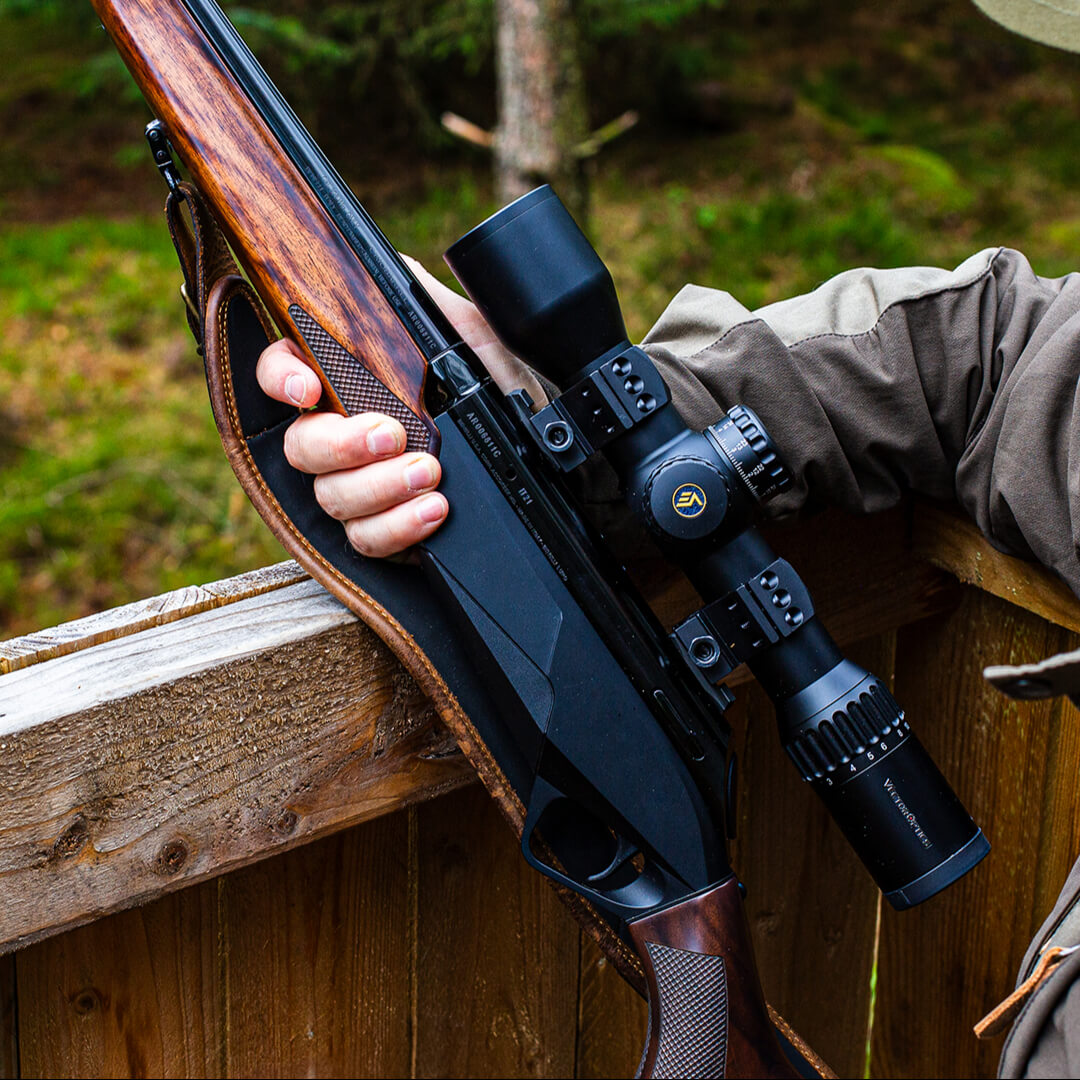
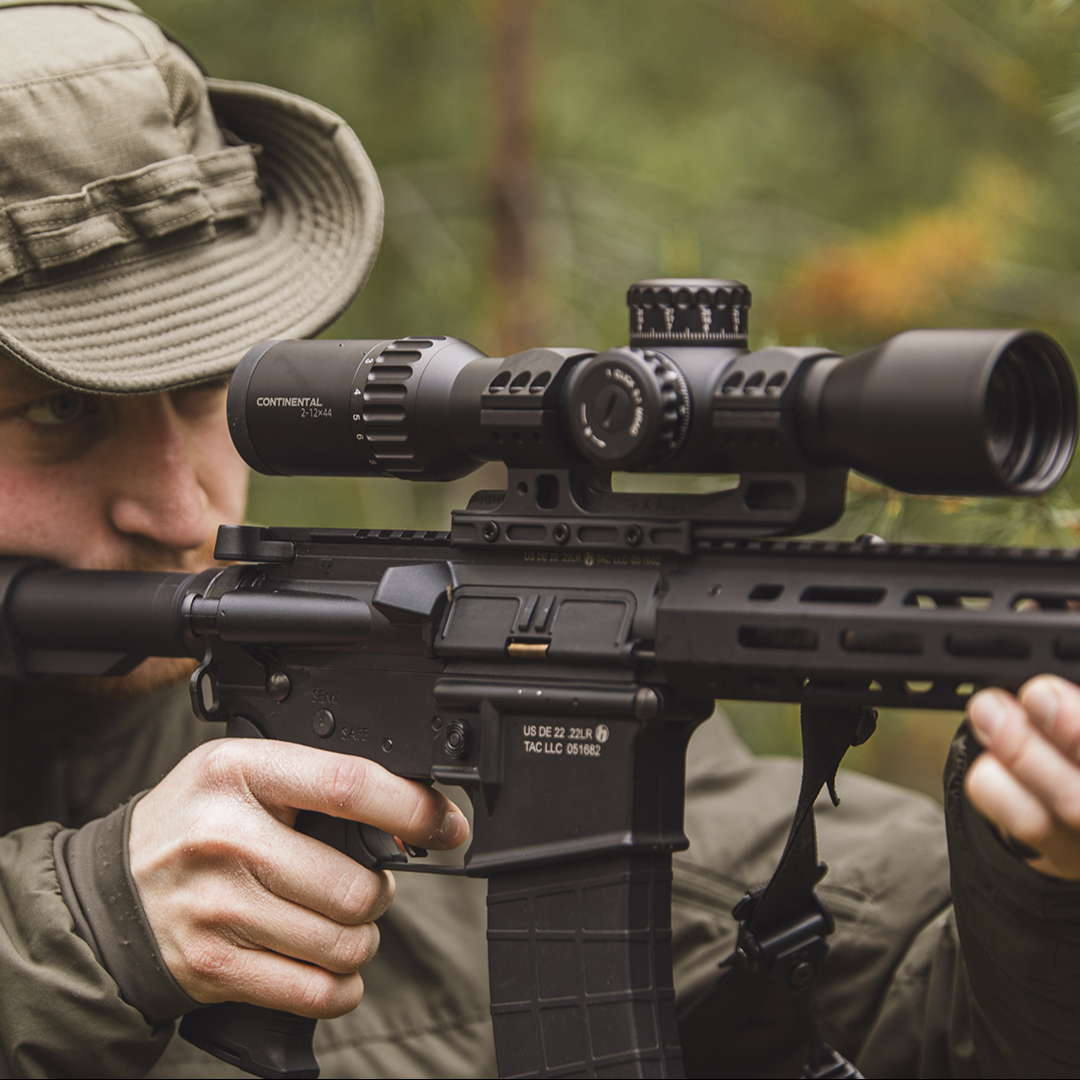
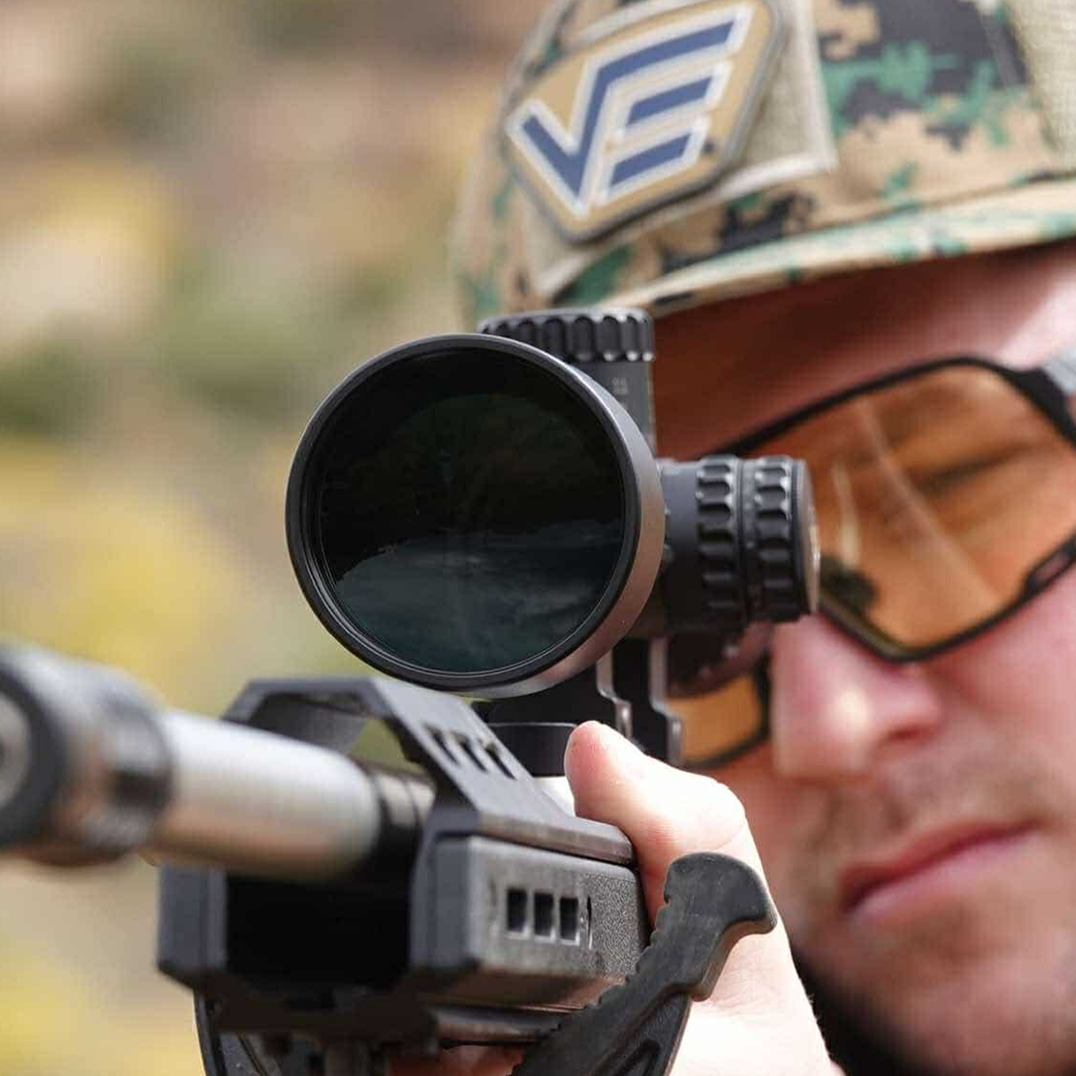
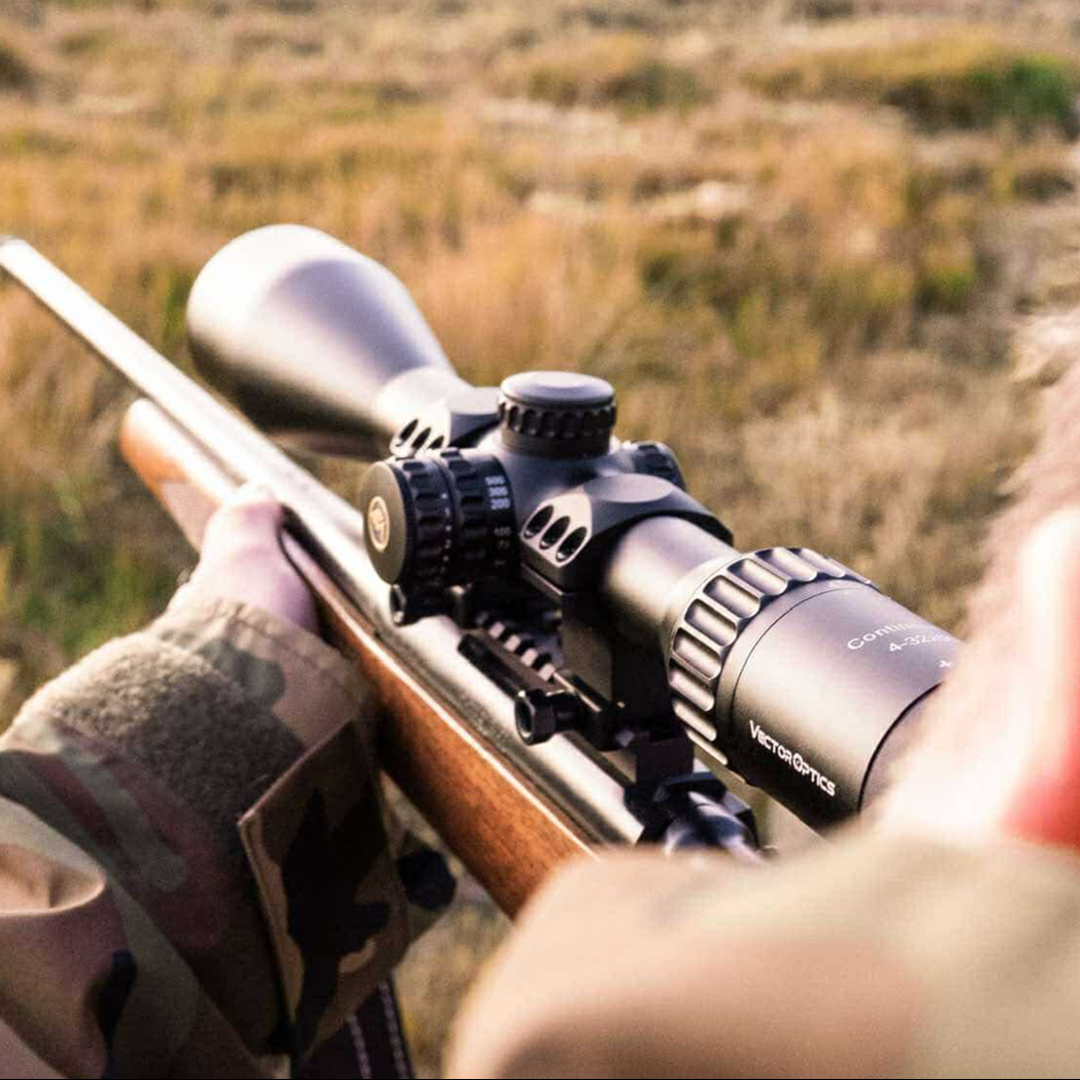
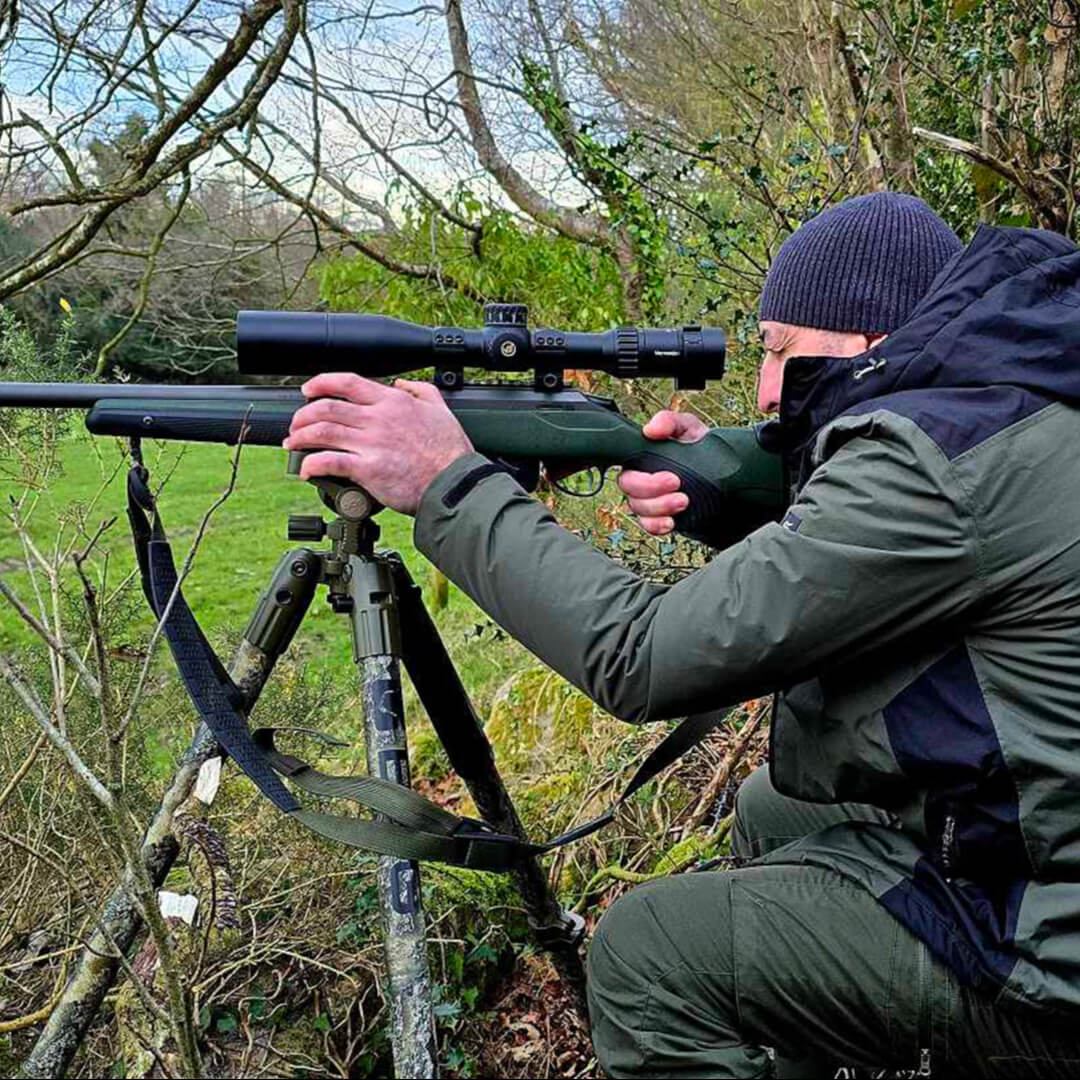
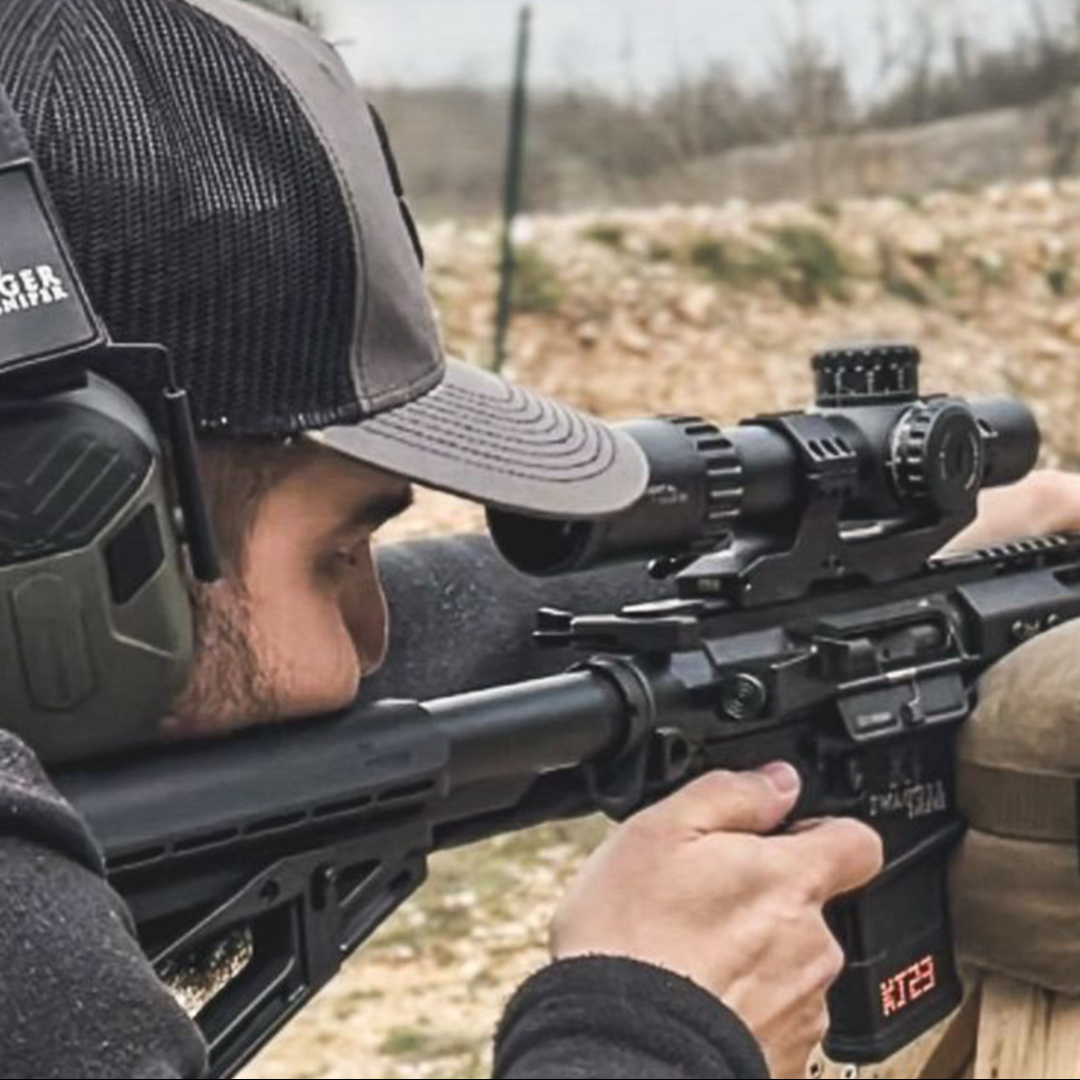
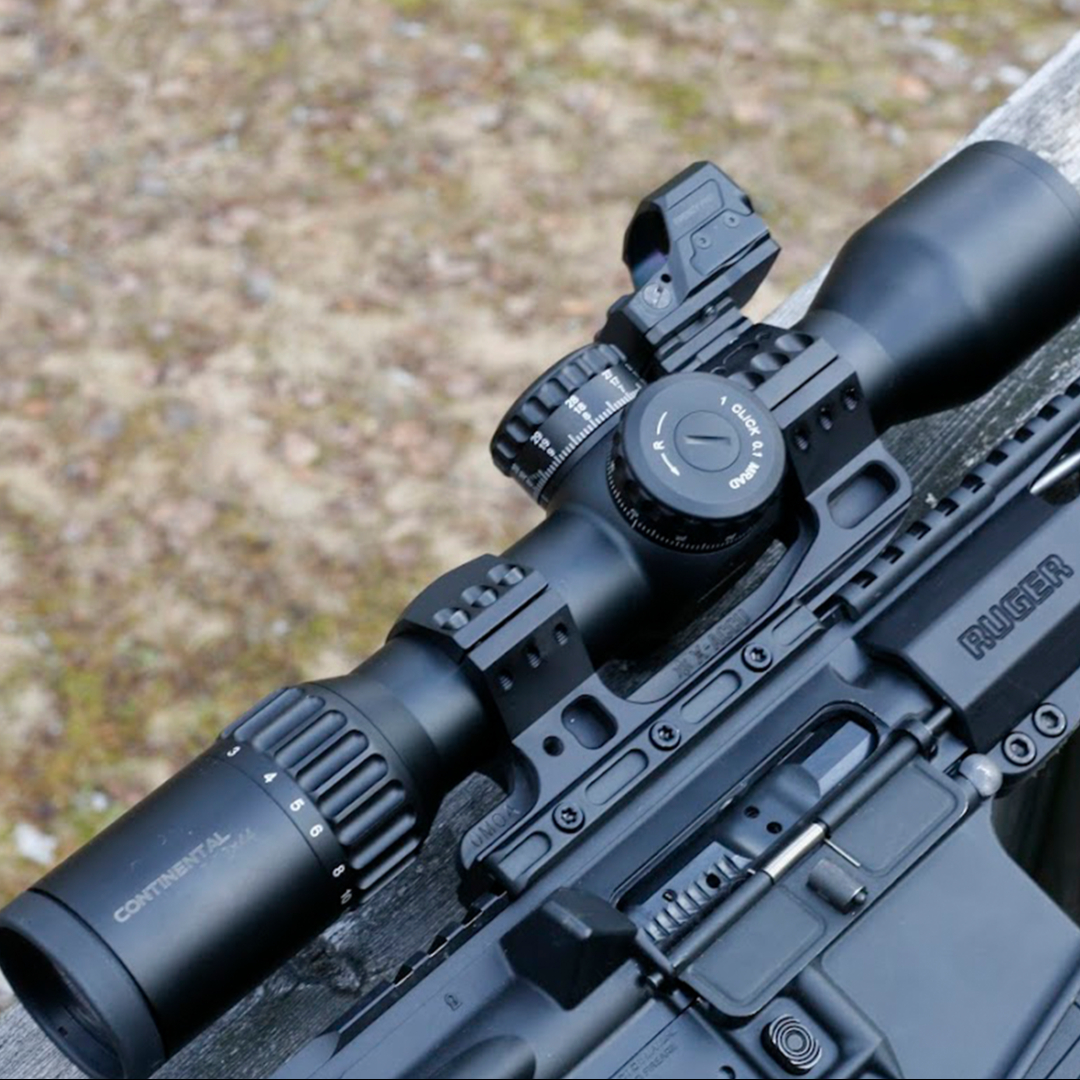
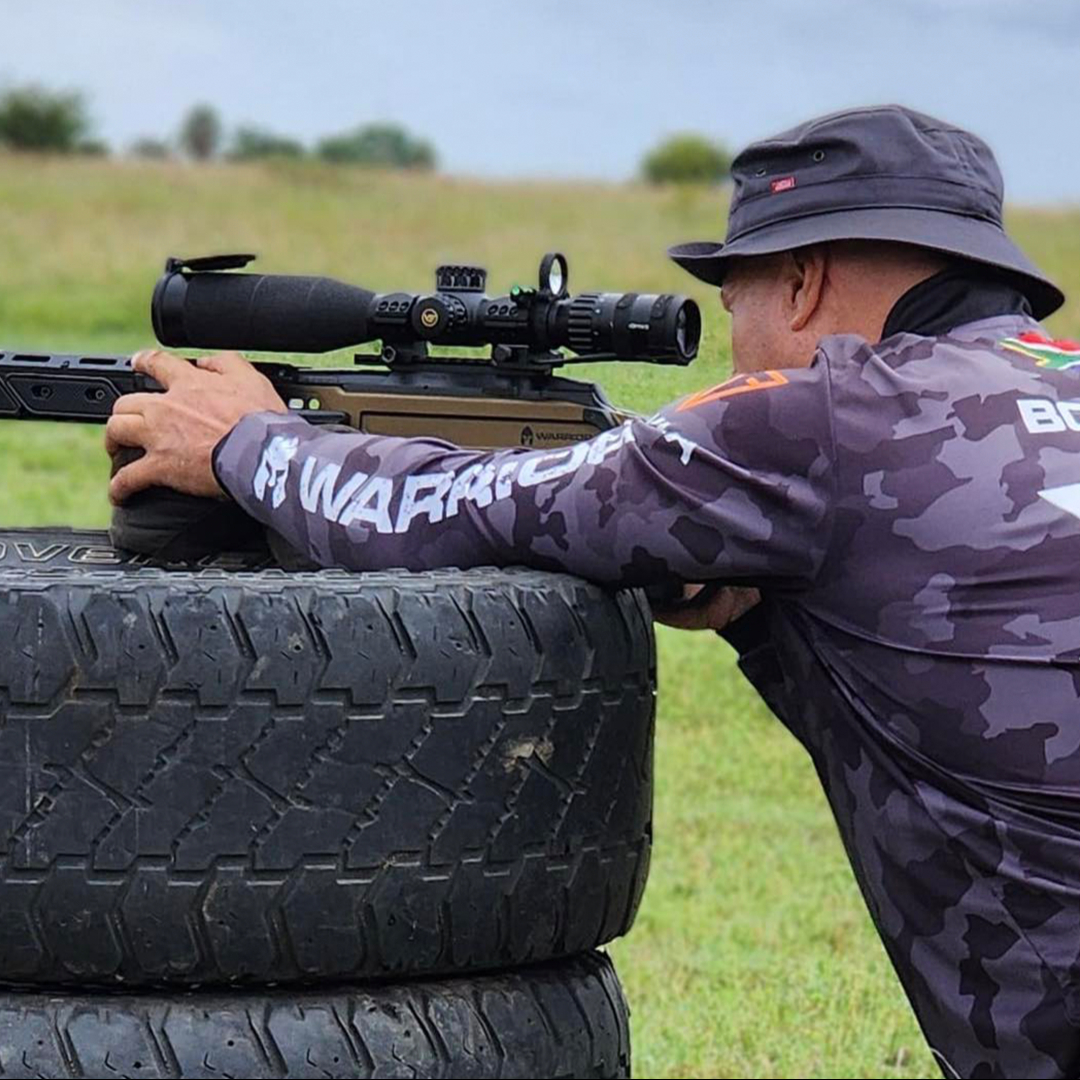
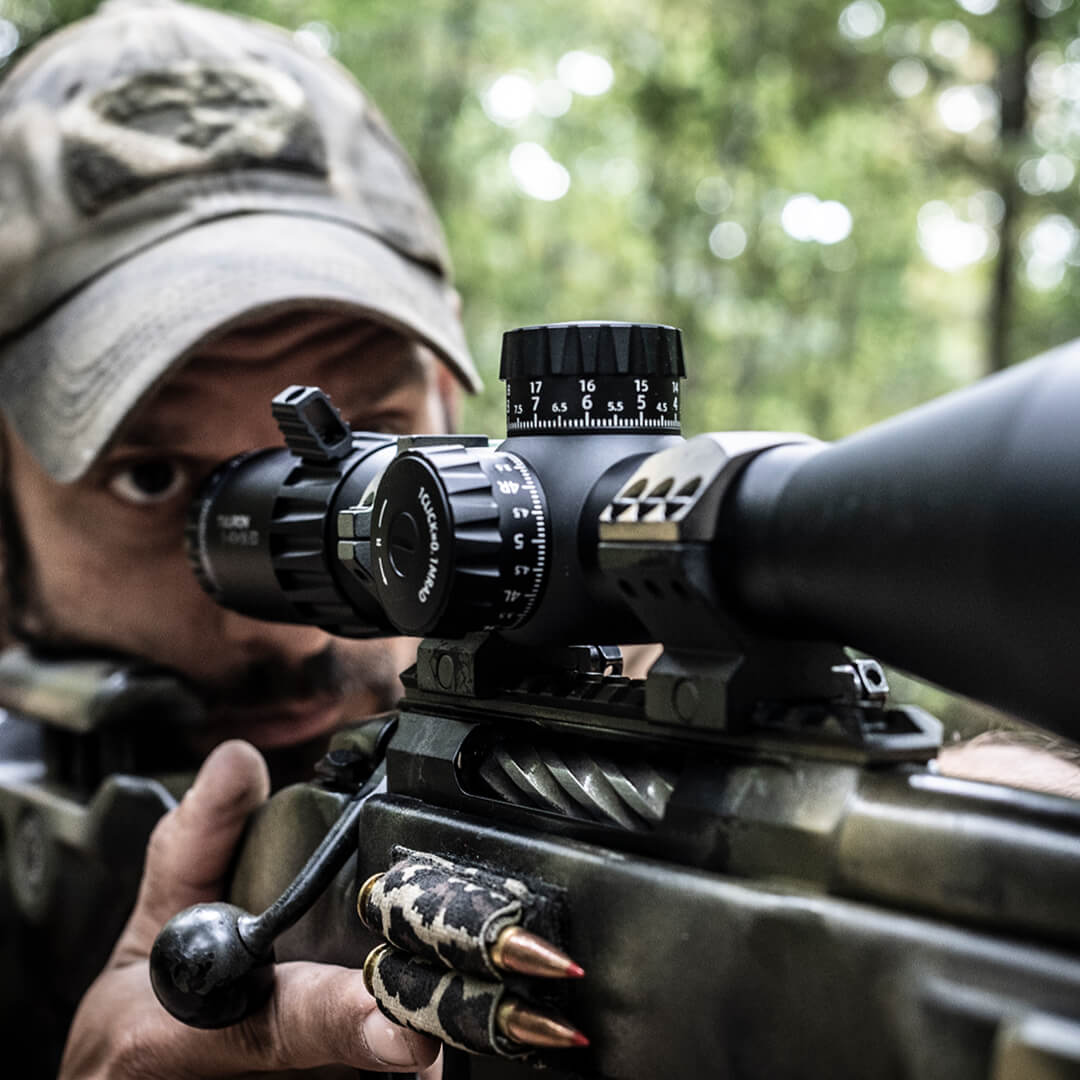
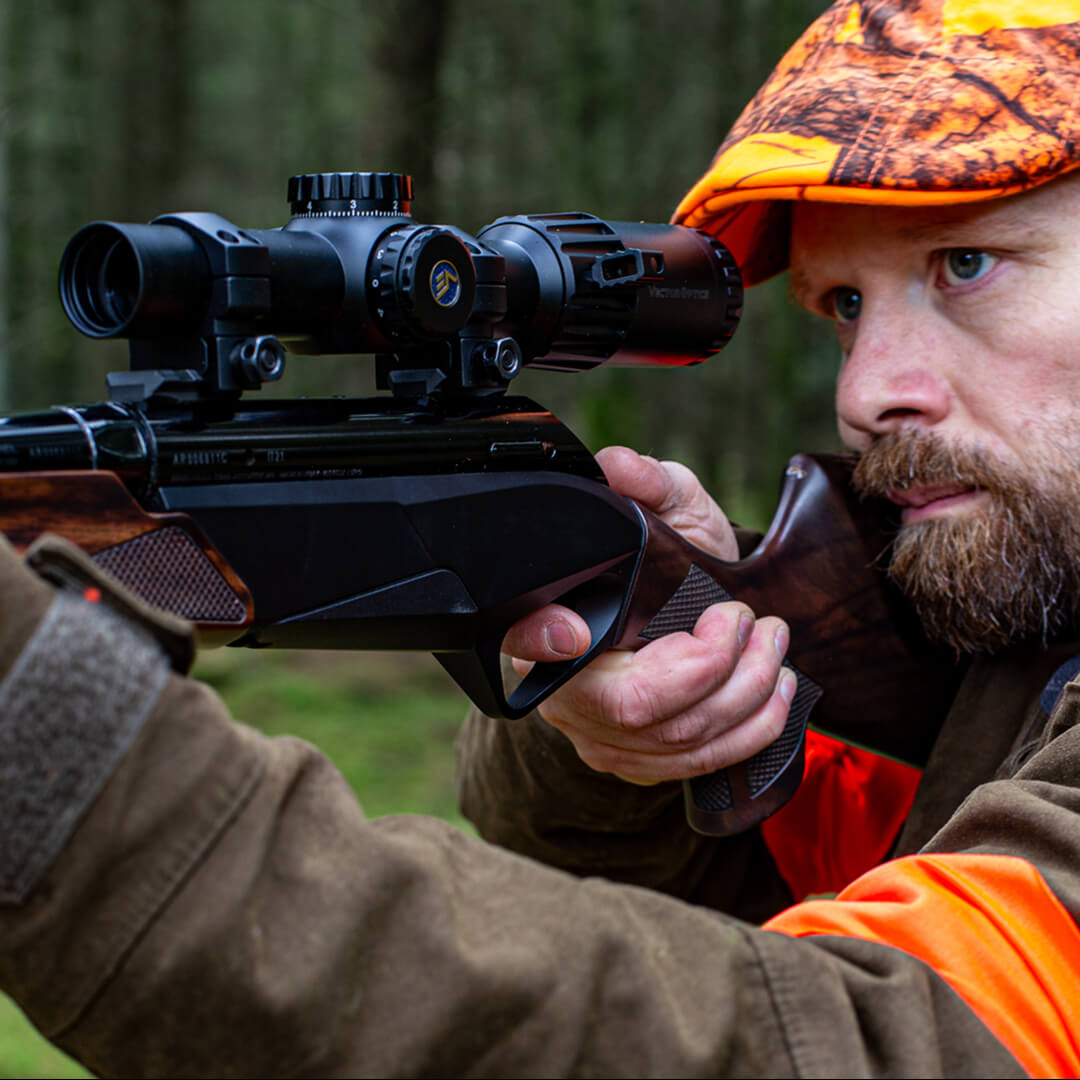
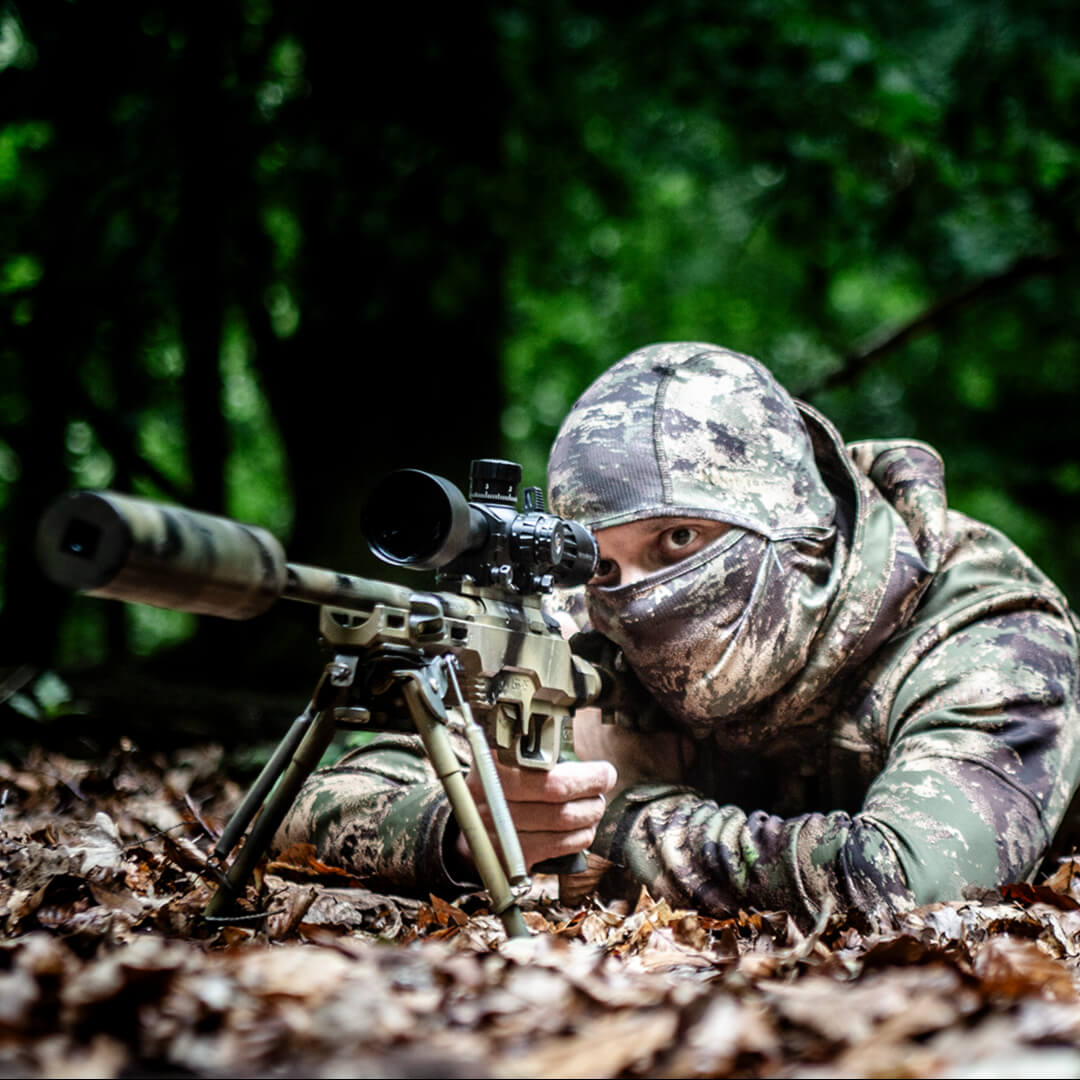
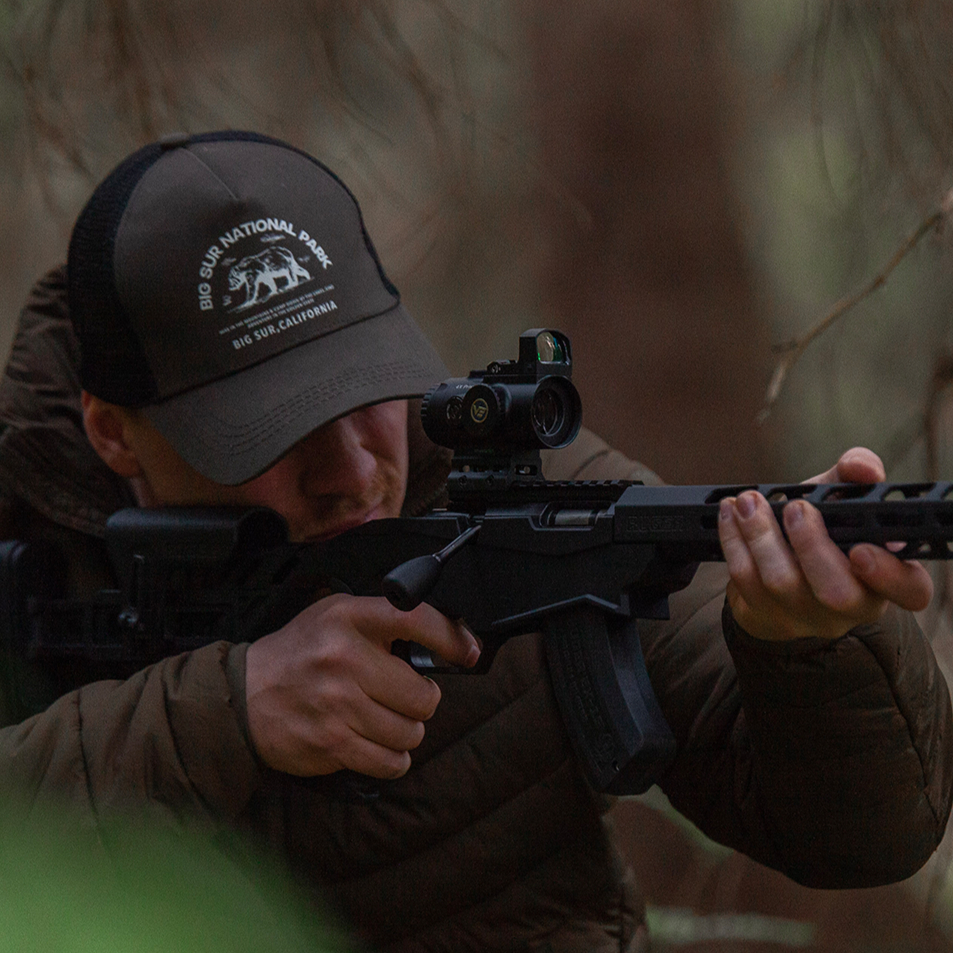
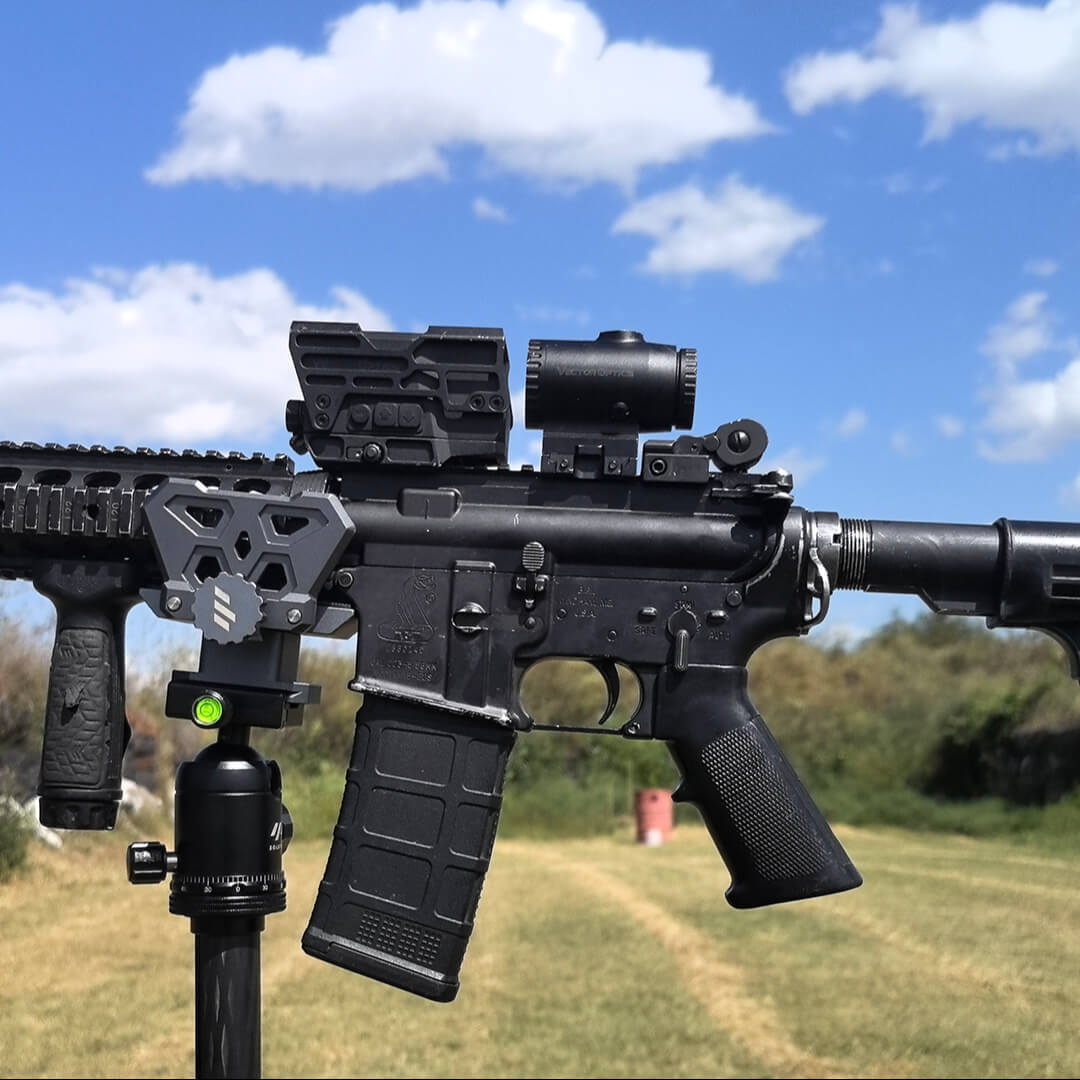
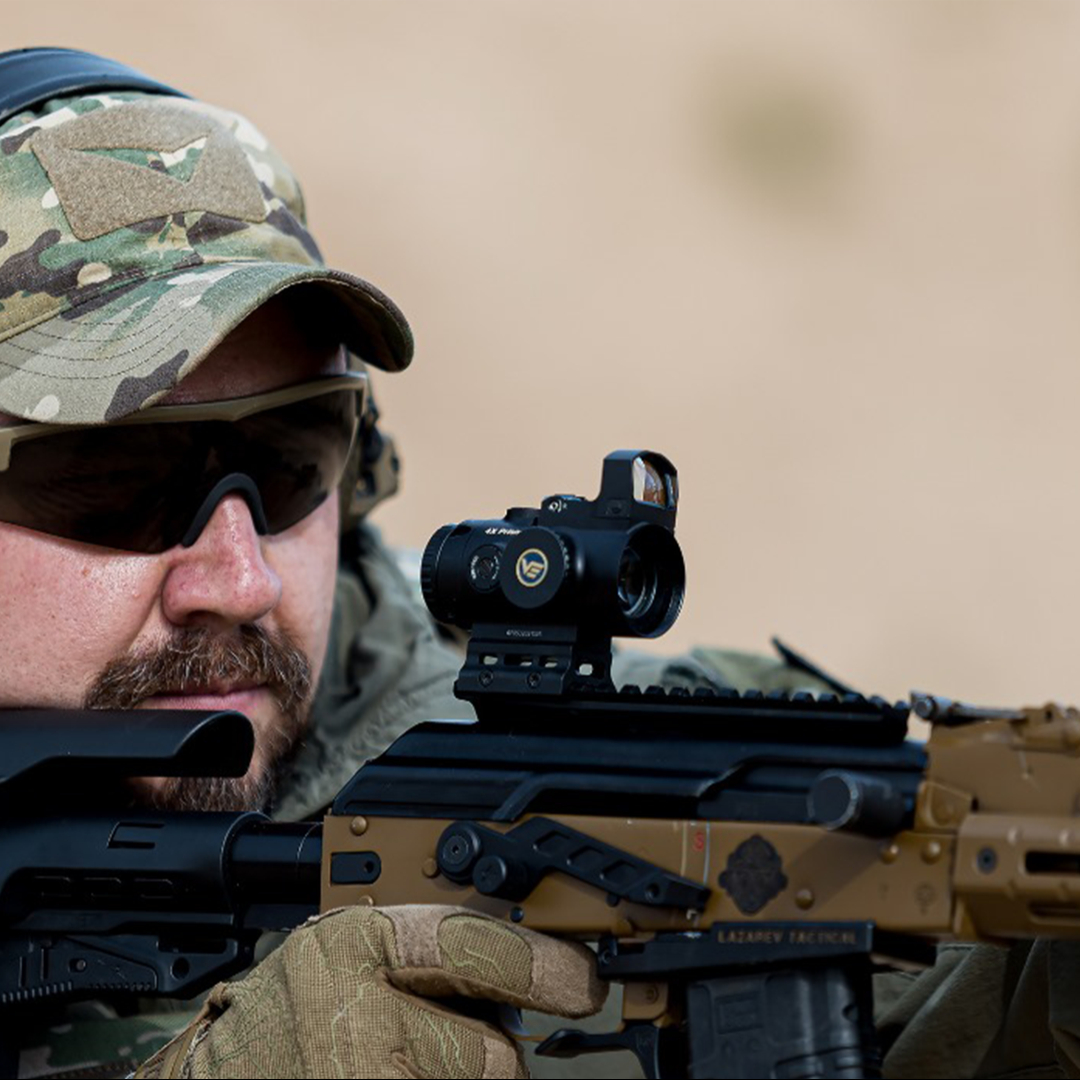
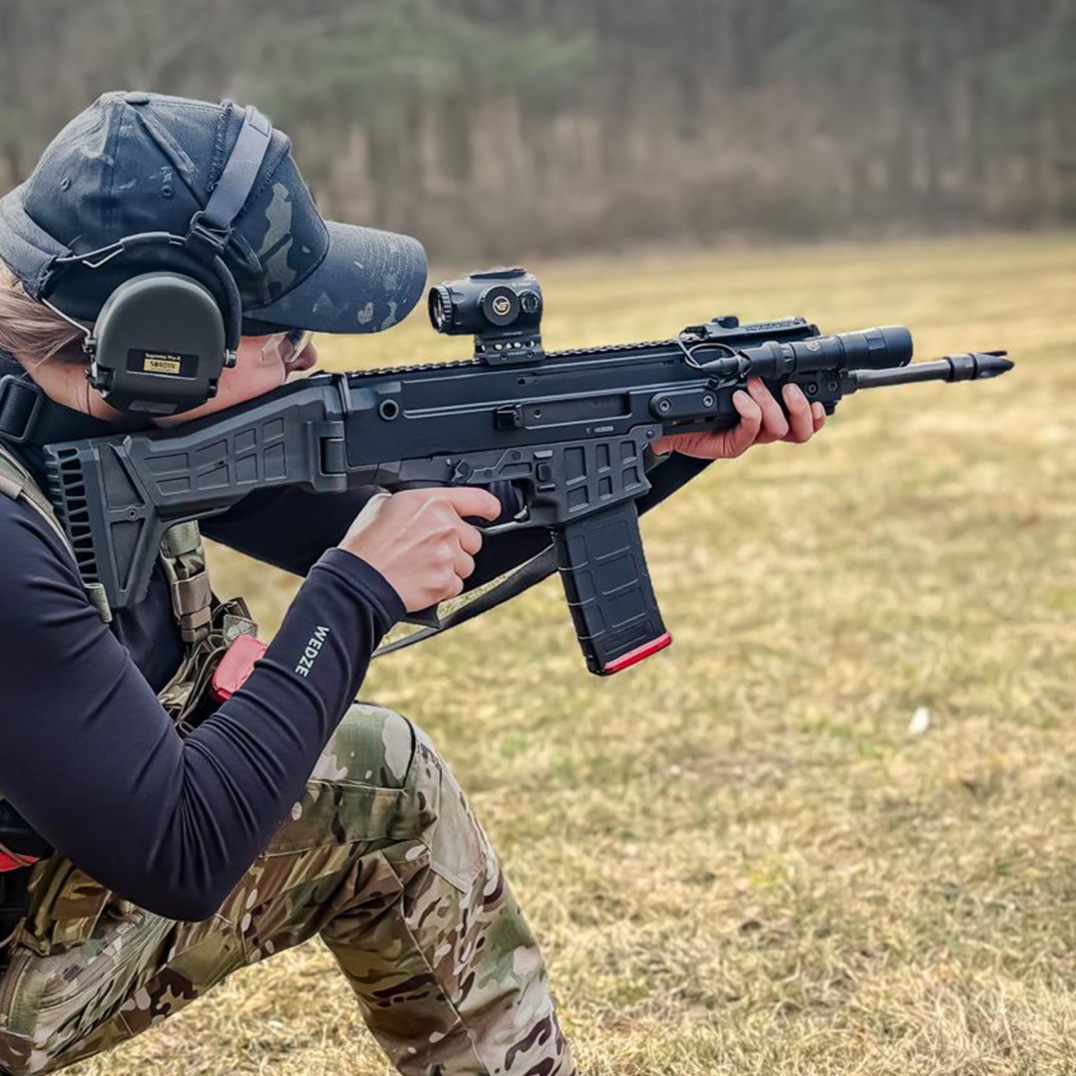
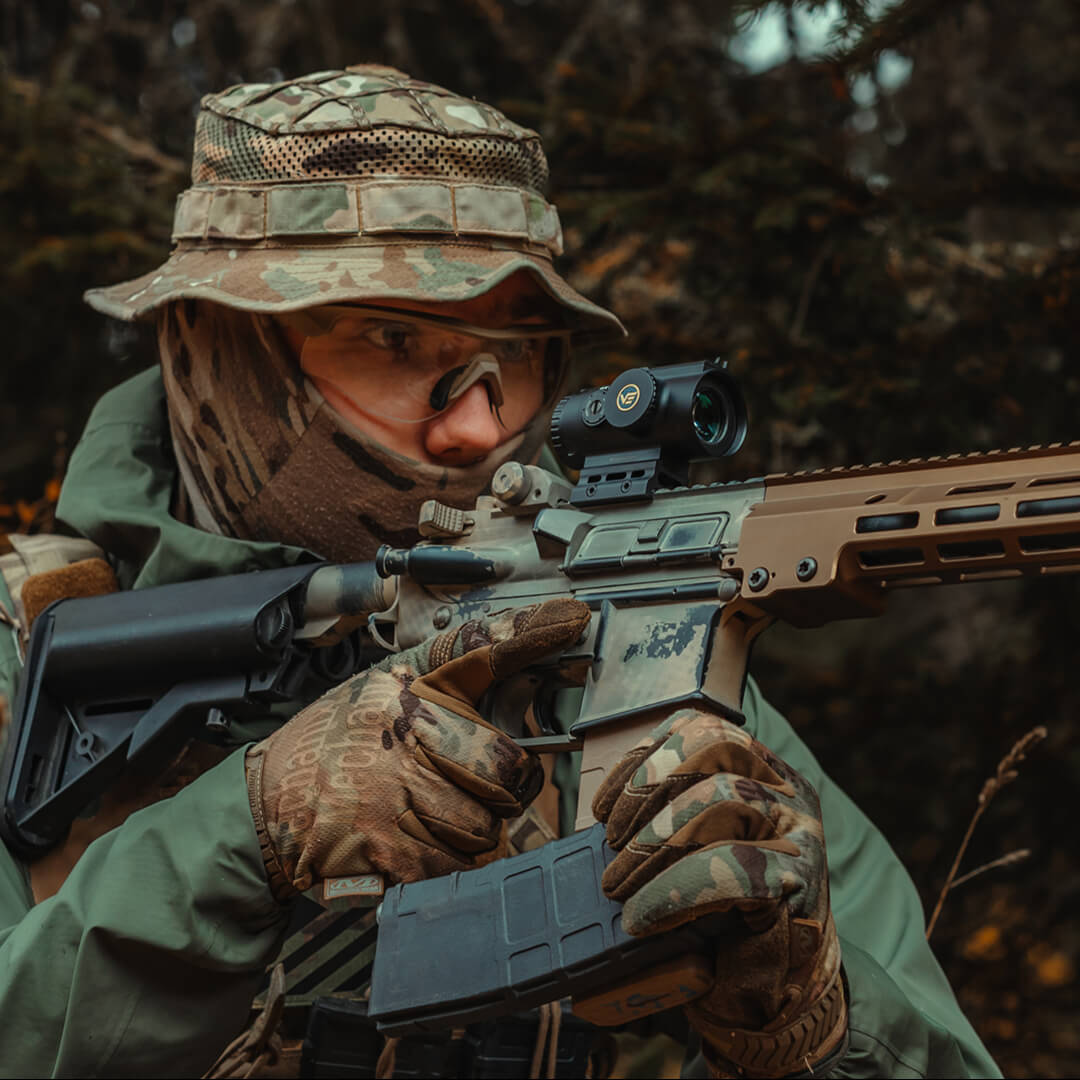
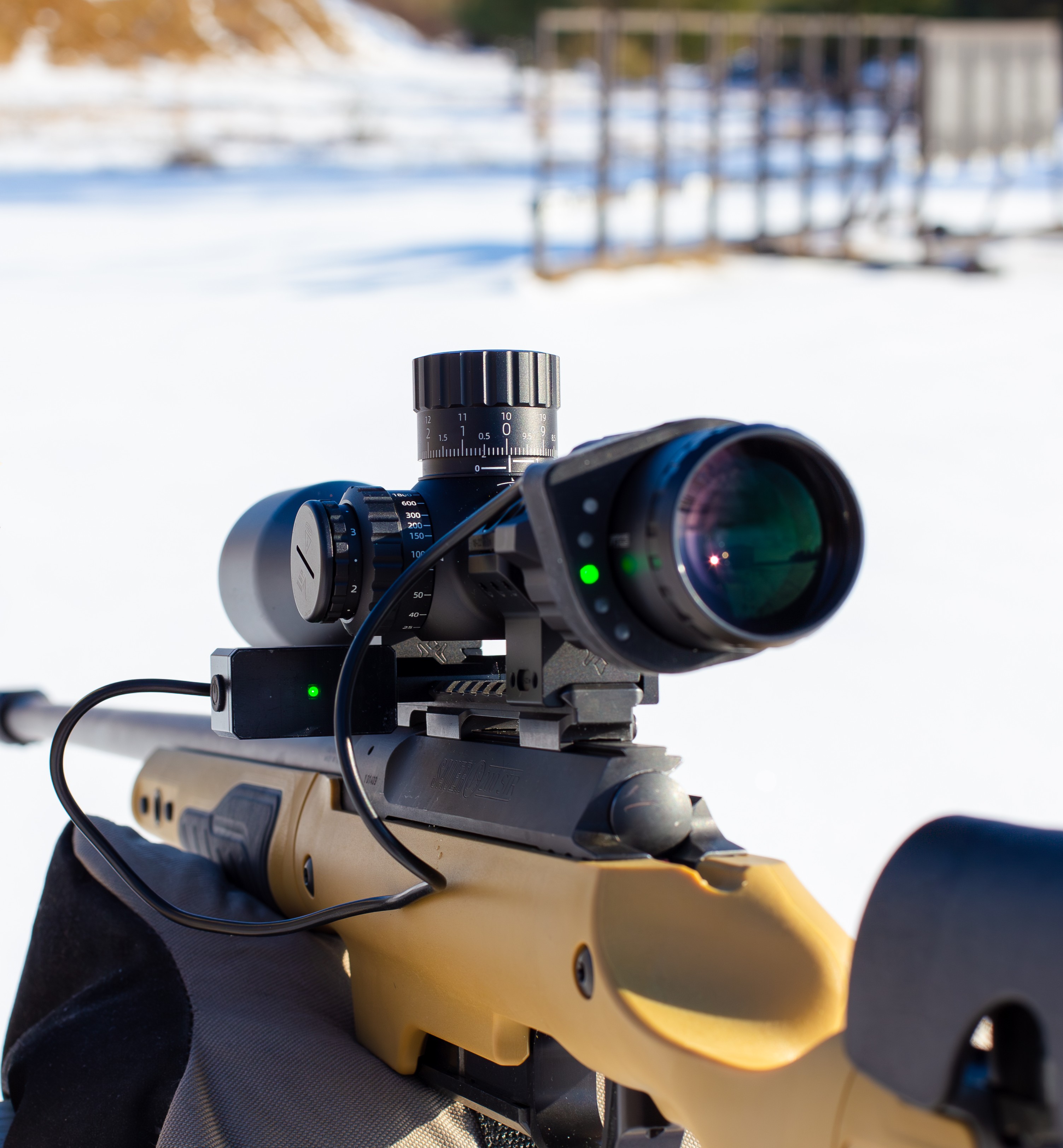
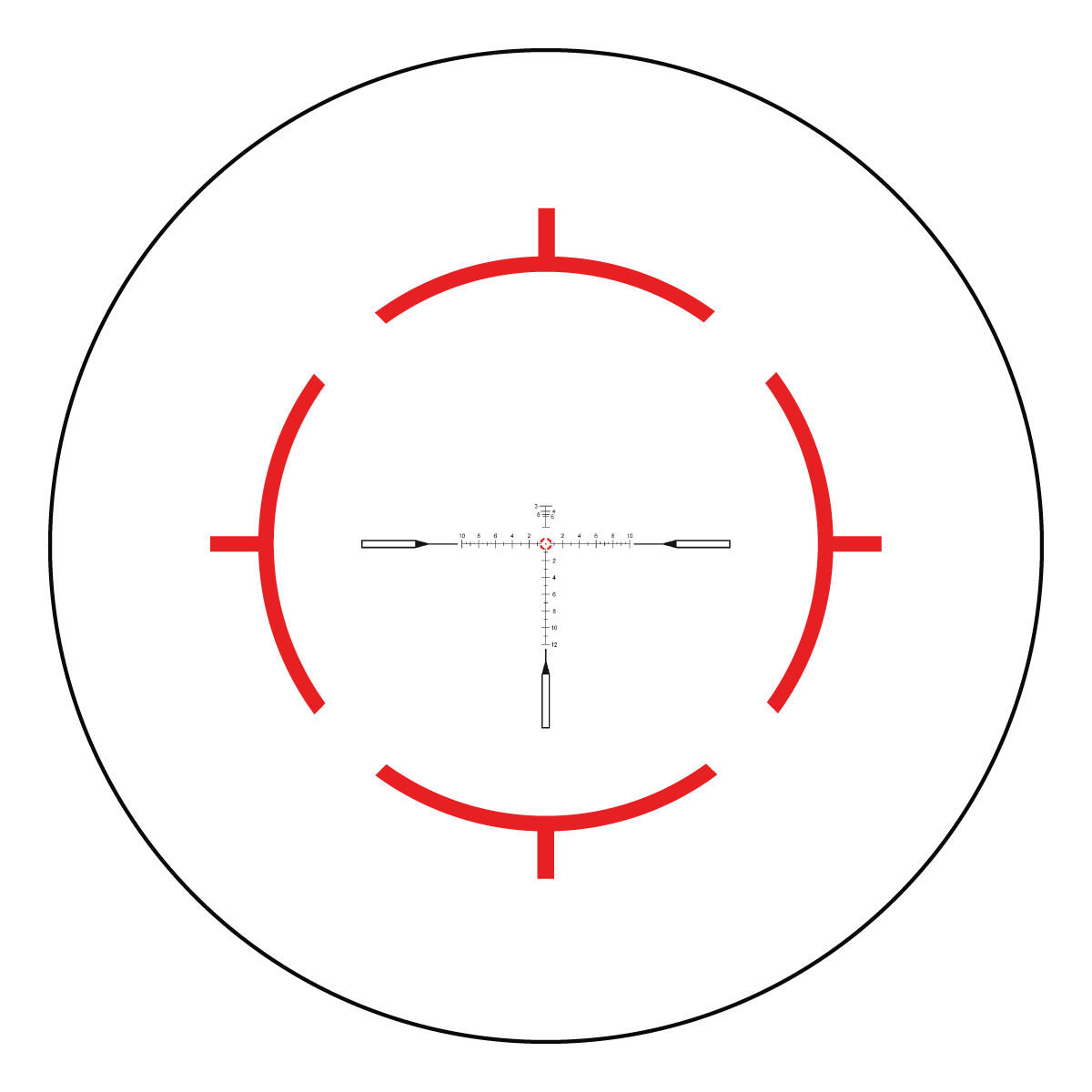
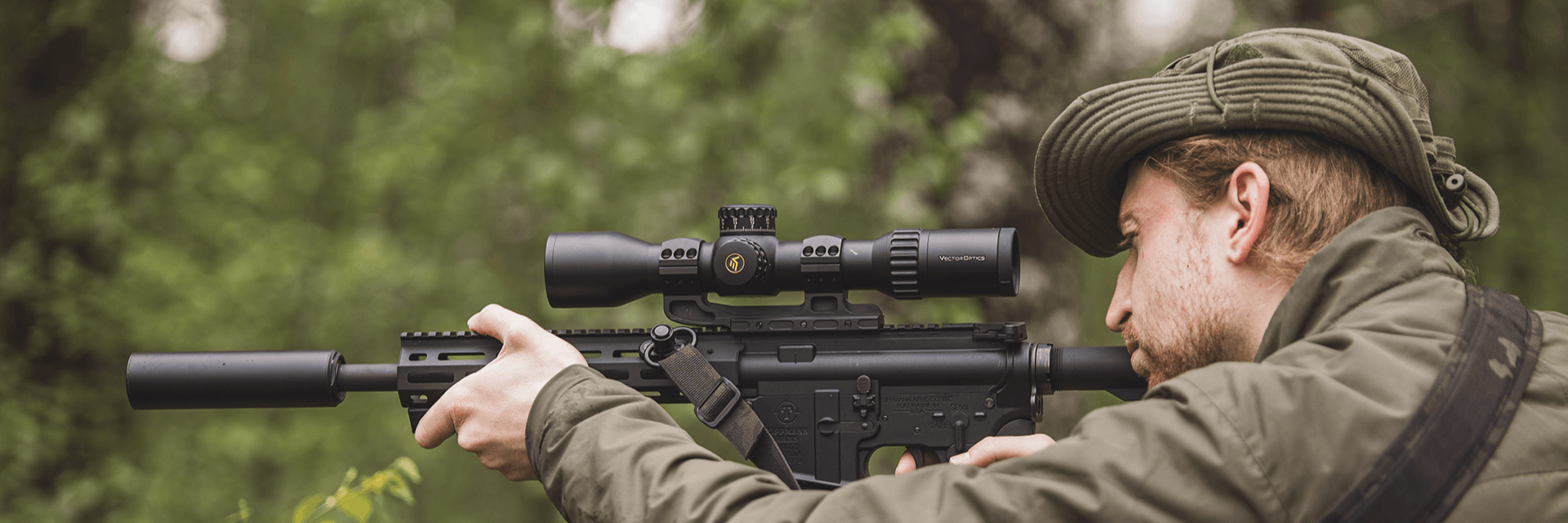
Eye box is a key factor in how easy a scope is to use. A good eye box lets you see a full sight picture without perfect alignment, while a tight eye box requires more precise head position. In real use, eye box often matters more than magnification alone.
1.What Is an Eye Box?
If you've ever looked through a scope and immediately seen a clear image, you've experienced a good eye box.
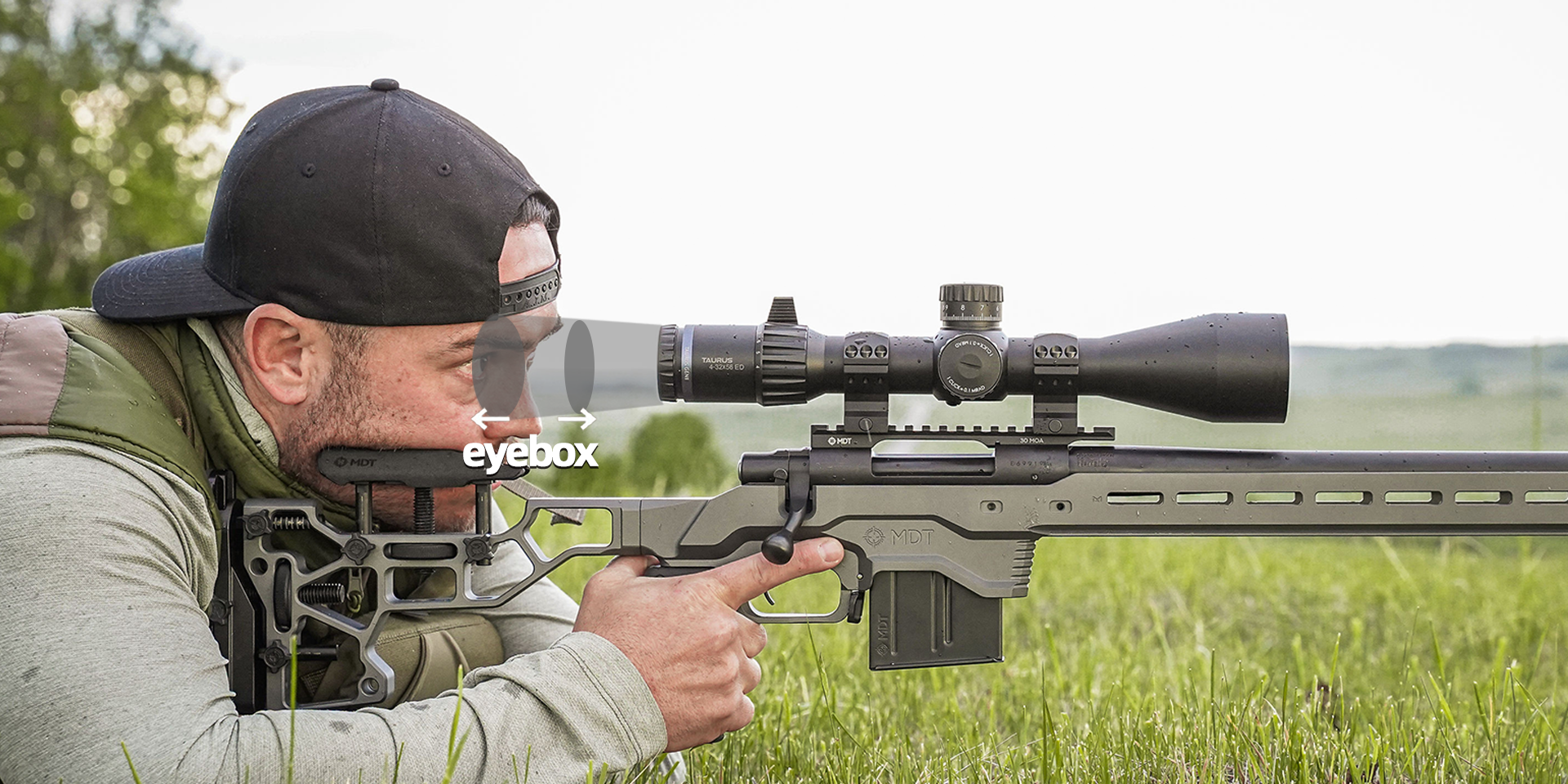
An eye box is the three-dimensional area behind a riflescope where your eye can move while still maintaining a full sight picture. When your eye moves outside this area, shadowing, vignetting, or complete image blackout can occur.
Simply put:
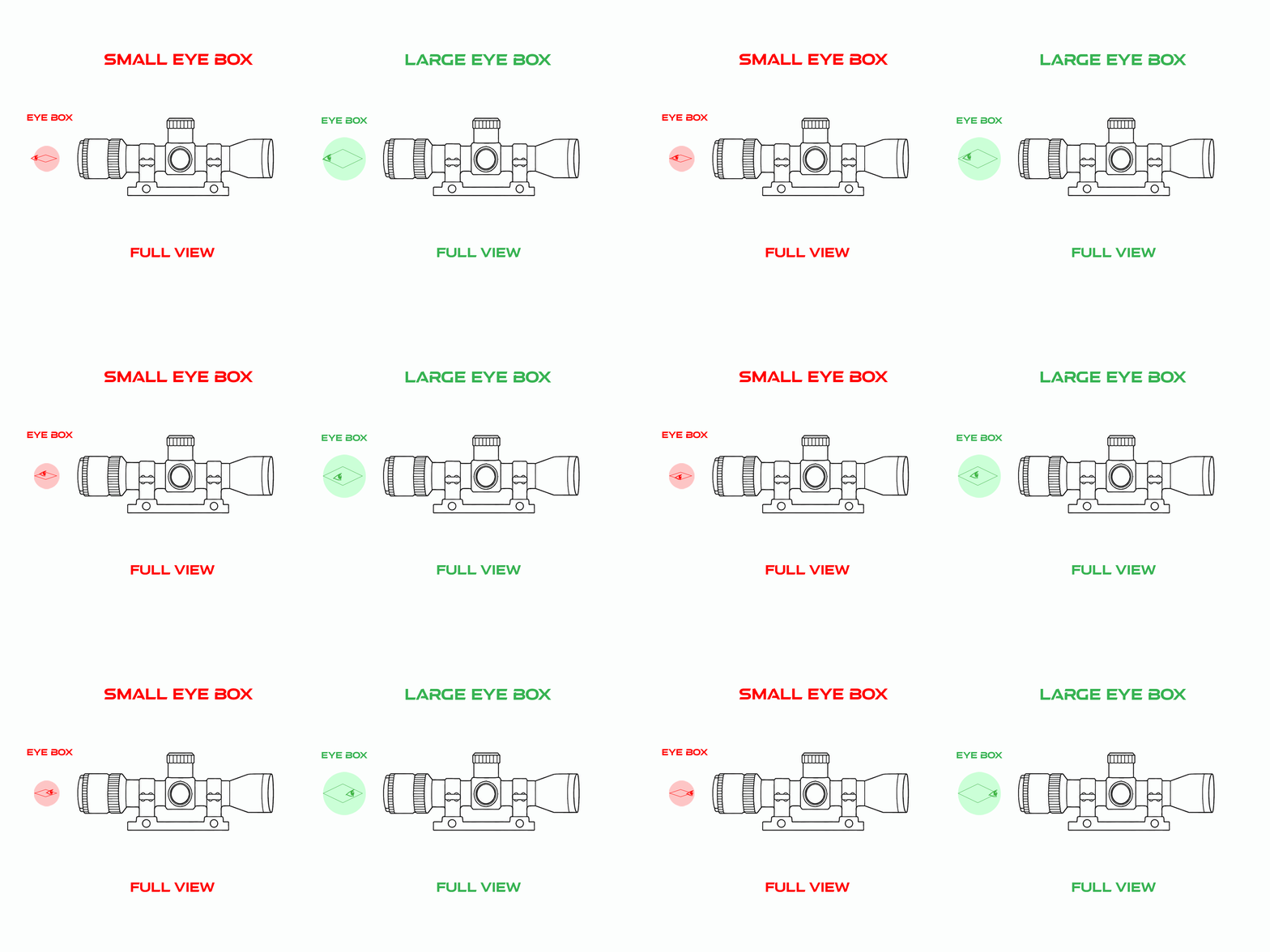
● Large eye box = more forgiving head position
● Small eye box = more precise eye alignment required
This is why shooters often describe a scope as having either a "forgiving" or "tight" eye box.
And, a forgiving eye box helps shooters:
● Acquire targets faster
● Maintain a natural shooting position
● Minimize shadowing that obstructs peripheral vision
● Stay comfortable during extended shooting sessions
For hunting, competition, and tactical applications, eye box performance often has a greater impact on real-world usability than a small increase in magnification.
A scope with excellent glass can still feel difficult to use if the eye box is restrictive.
2.What Affects Eye Box Size?
Although eye box is rarely listed as a specification, several optical characteristics influence it.
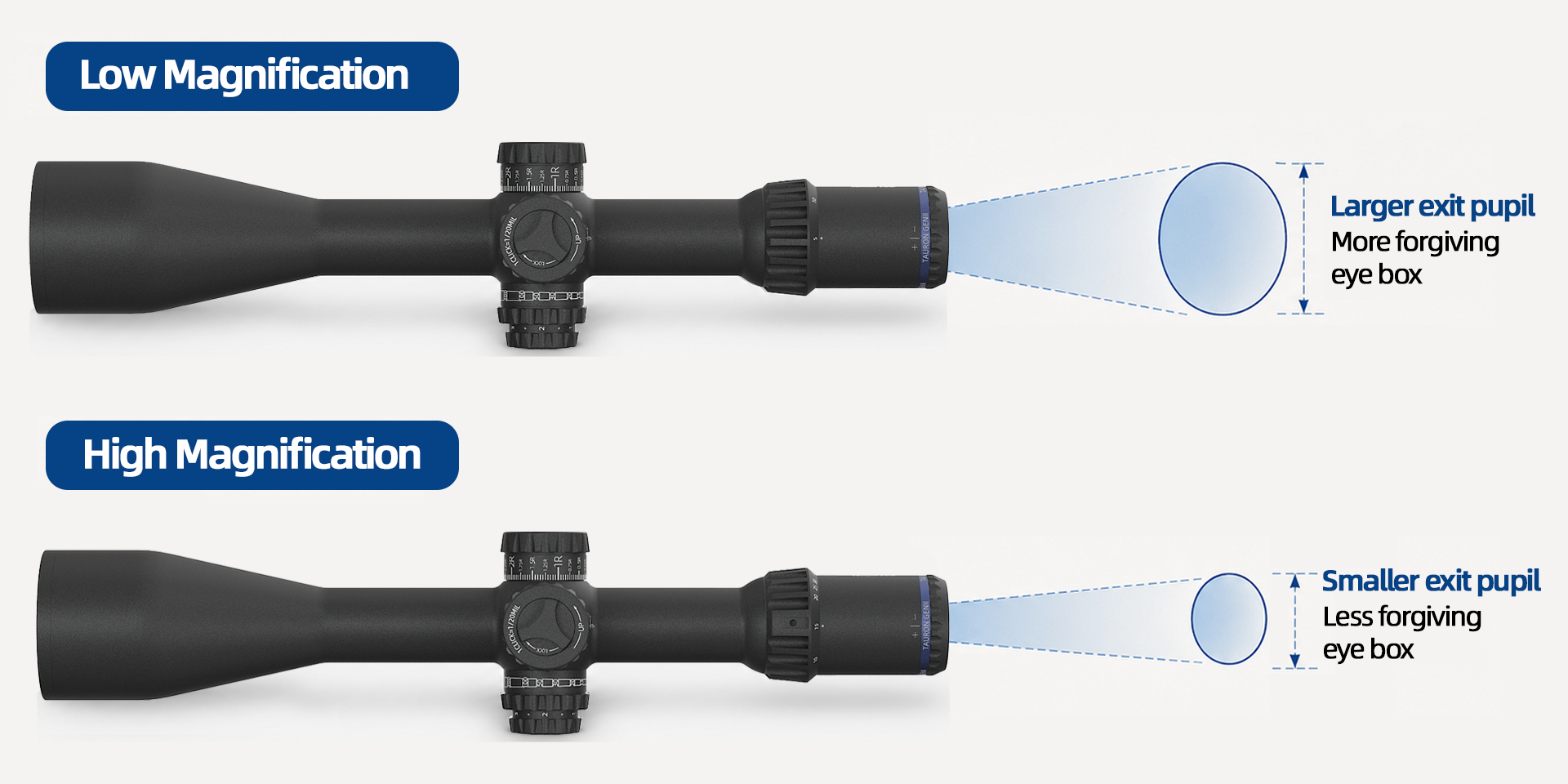
● Exit Pupil
One common question is: What is exit pupil? Exit pupil refers to the diameter of the light beam leaving the eyepiece.
In general, lower magnification produces a larger exit pupil, allowing more freedom in eye placement and resulting in a more forgiving eye box.
● Eye Relief
Another frequently asked question is: What is eye relief on a scope? Eye relief is the distance between your eye and the eyepiece where the full image is visible.
While eye relief determines how far back your eye should be, the eye box describes how much movement is allowed within that viewing position.
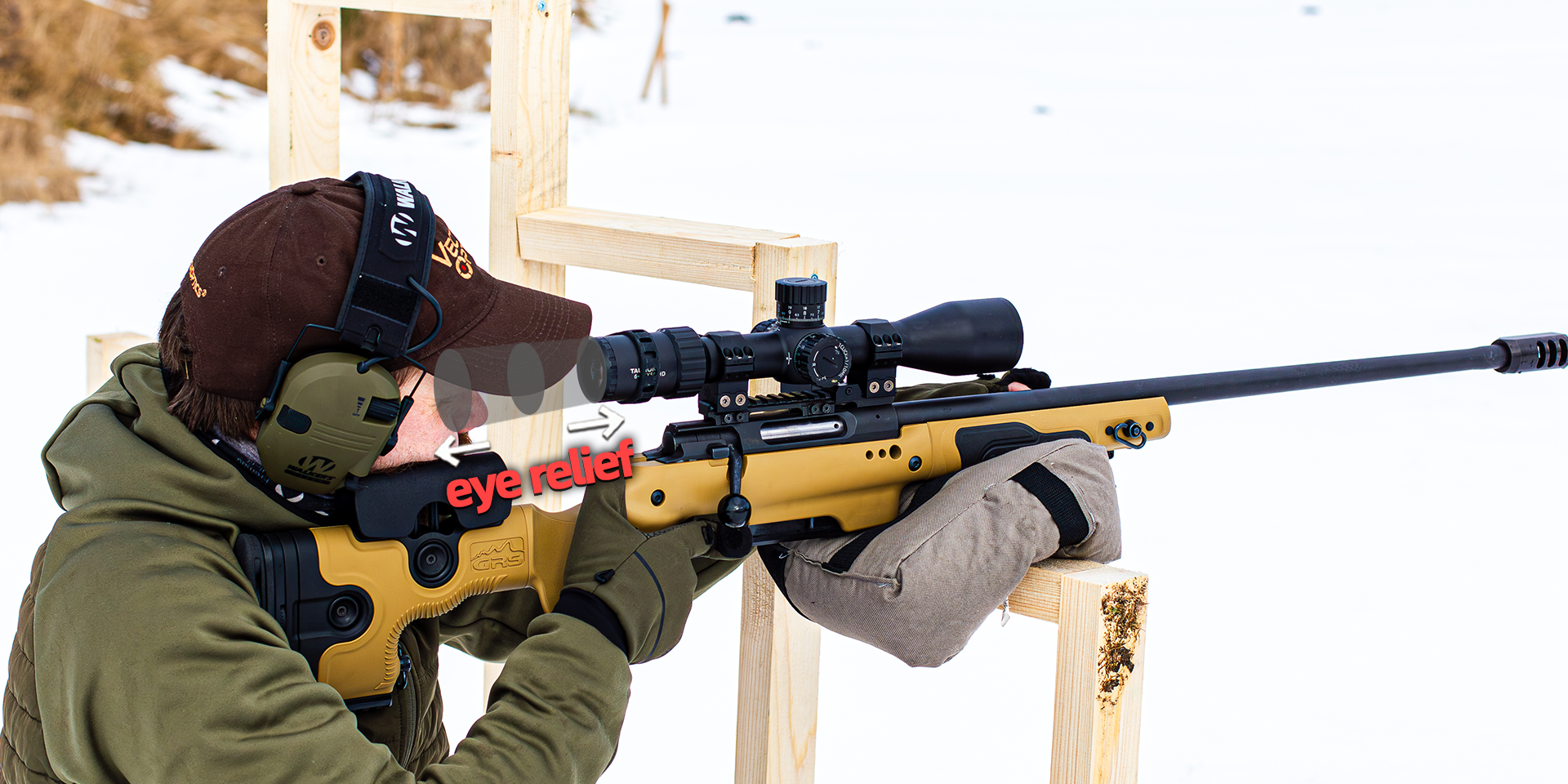
Together, exit pupil, eye relief, and overall optical design determine how forgiving a scope feels behind the rifle.
3.Why Does the Eye Box Get Smaller at Higher Magnification?
One of the most common observations among shooters is: "The scope feels great at low power but difficult at maximum magnification."
This happens because increasing magnification typically reduces exit pupil size and narrows the acceptable eye position.
As a result:
● Head placement becomes more critical
● Scope shadow becomes more noticeable
● Target acquisition may slow down
Even premium optics experience this effect to some degree.
4. Eye Box in LPVO, MPVO & Prism Scopes
Eye box discussions are especially common when comparing LPVOs, MPVOs and prism scopes. While all three optic types rely on proper eye alignment, their intended applications place different demands on eye box performance.
| Optic Type | Typical Use | Eye Box Priority |
LPVO | Fast target transitions, close-to-medium-range shooting | Quick and forgiving sight acquisition, especially at low magnification |
| MPVO | Precision shooting, hunting, and extended-range engagements | Stable and comfortable eye box performance at higher magnification |
| Prism Scope | Compact carbines, backup optics, and shooters with astigmatism | Consistent eye alignment and fast target acquisition in a compact package |
In short, LPVOs prioritize fast and forgiving sight acquisition, MPVOs emphasize stable eye box performance at higher magnification, and prism scopes balance compactness with consistent eye alignment.
5.Examples of Optics with a Comfortable Eye Box
Here are a few optics that deliver a forgiving eye box and a comfortable viewing experience across different shooting applications:
● Continental Series Rifle Scope
● Forester Series Rifle Scope
● Paragon Mini 1x18 Prism Scope (SCPS-M10)
● VictOptics S6 LPVO Rifle Scope
6.Why Eye Box Matters?
So, what is an eye box? An eye box is the usable viewing space behind a riflescope that allows your eye to see a full image without shadowing or blackout. While factors such as exit pupil and eye relief influence eye box performance, the ultimate measure is simple: how easily you can mount the rifle and immediately see a clear sight picture.
Whether you're using an LPVO, MPVO, or prism scope, a forgiving eye box can make a noticeable difference in real-world shooting performance.
FAQ
1.Does mounting position affect eye box performance?
Yes. Even a high-quality optic can feel restrictive if it is not mounted correctly. Scope position, stock alignment, and cheek weld height all influence how naturally your eye aligns with the eye box, and small adjustments can make a noticeable difference in consistency and comfort.
2.Why do two scopes with similar specs have completely different eye box performance?
Eye box is influenced by optical design, not just magnification or objective size. Lens design, internal geometry, and optical quality all affect how forgiving a scope feels.
3.Is Eye Box the Same as Eye Relief?
No. Eye relief is the distance between your eye and the scope where you see a full image. Eye box is the area behind the scope where you can move your eye and still keep a full sight picture.
4.Does a Larger Objective Lens Create a Bigger Eye Box?
Not directly. A larger objective lens can increase exit pupil size at a given magnification, which may contribute to a more forgiving eye box. However, eye box performance depends on multiple factors, including magnification, eye relief, and overall optical design.