Red dot sights and green dot sights have become essential aiming optics for hunters, competitive shooters, and tactical users. Designed to improve aiming speed and target acquisition, both sight types use illuminated reticles to help shooters engage targets quickly and accurately. While they share the same core function, their different wavelengths can offer distinct advantages depending on the environment and lighting conditions.
1. Understanding the Difference
The main difference between red dot sights and green dot sights is the reticle color. Red dot sights use a red aiming point, while green dot sights use a green one.
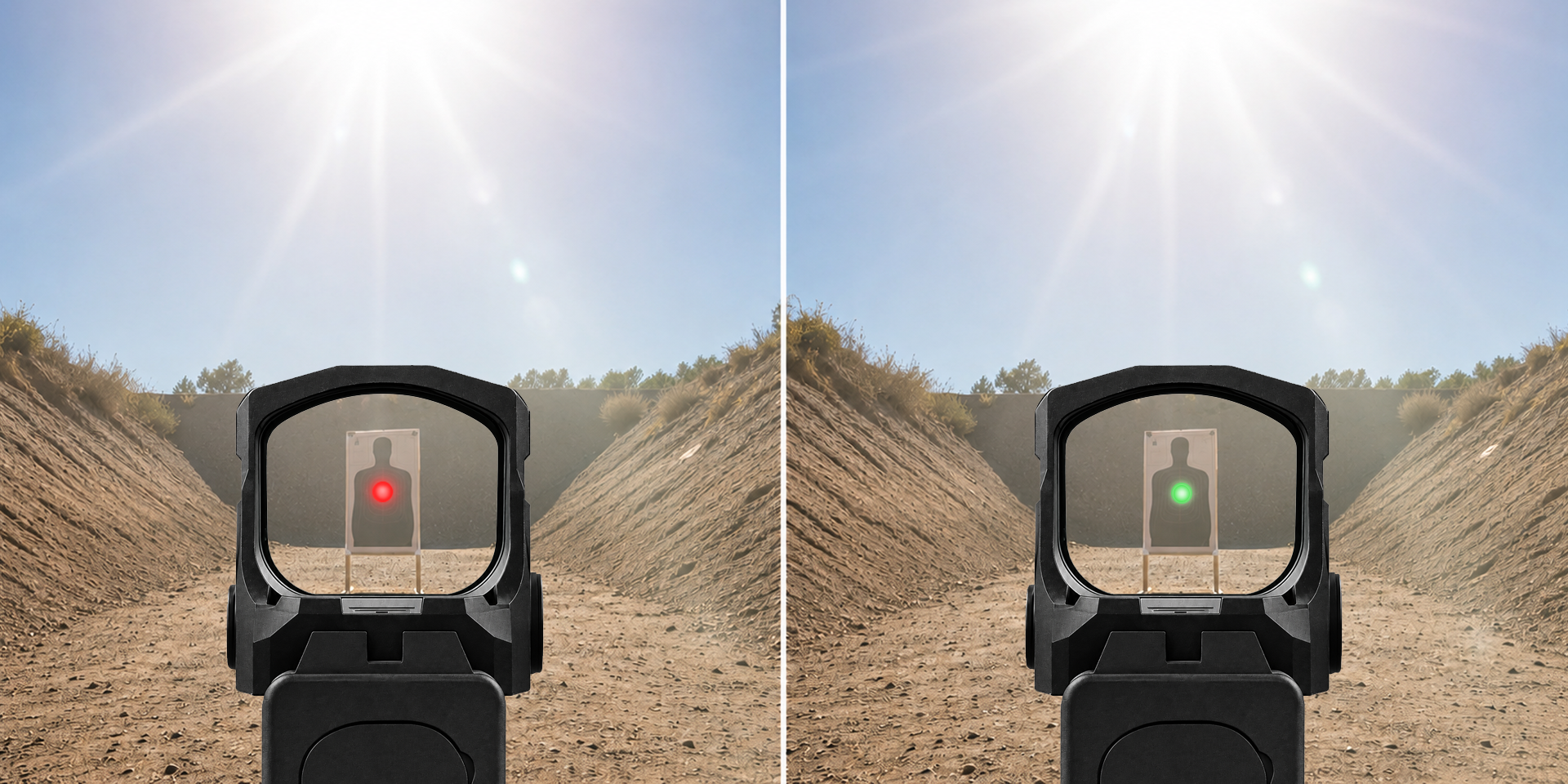
Both are made to help shooters aim faster and find the target more easily. Because the human eye is more sensitive to green light, a green dot may look brighter and easier to see in bright outdoor conditions.
While green dots often stand out better in bright outdoor settings, the right choice still depends on the lighting, background, shooting environment, and what feels clearer to your eyes.
2. Why Some Shooters Prefer Green Dot Sights?
2.1 Superior Daylight Visibility
Green dot sights tend to perform exceptionally well in bright sunlight. The reticle often remains clearer and more visible against complex outdoor backgrounds.
2.2 Reduced Visual Fatigue
Because the human eye is highly sensitive to green wavelengths, green dots can feel more natural to track over long periods, especially in bright conditions where red reticles may appear less vivid.
2.3 Astigmatism Consideration
Some shooters with astigmatism may find green dots appear slightly cleaner or easier to focus on than red dots, but this varies individually and is not guaranteed.
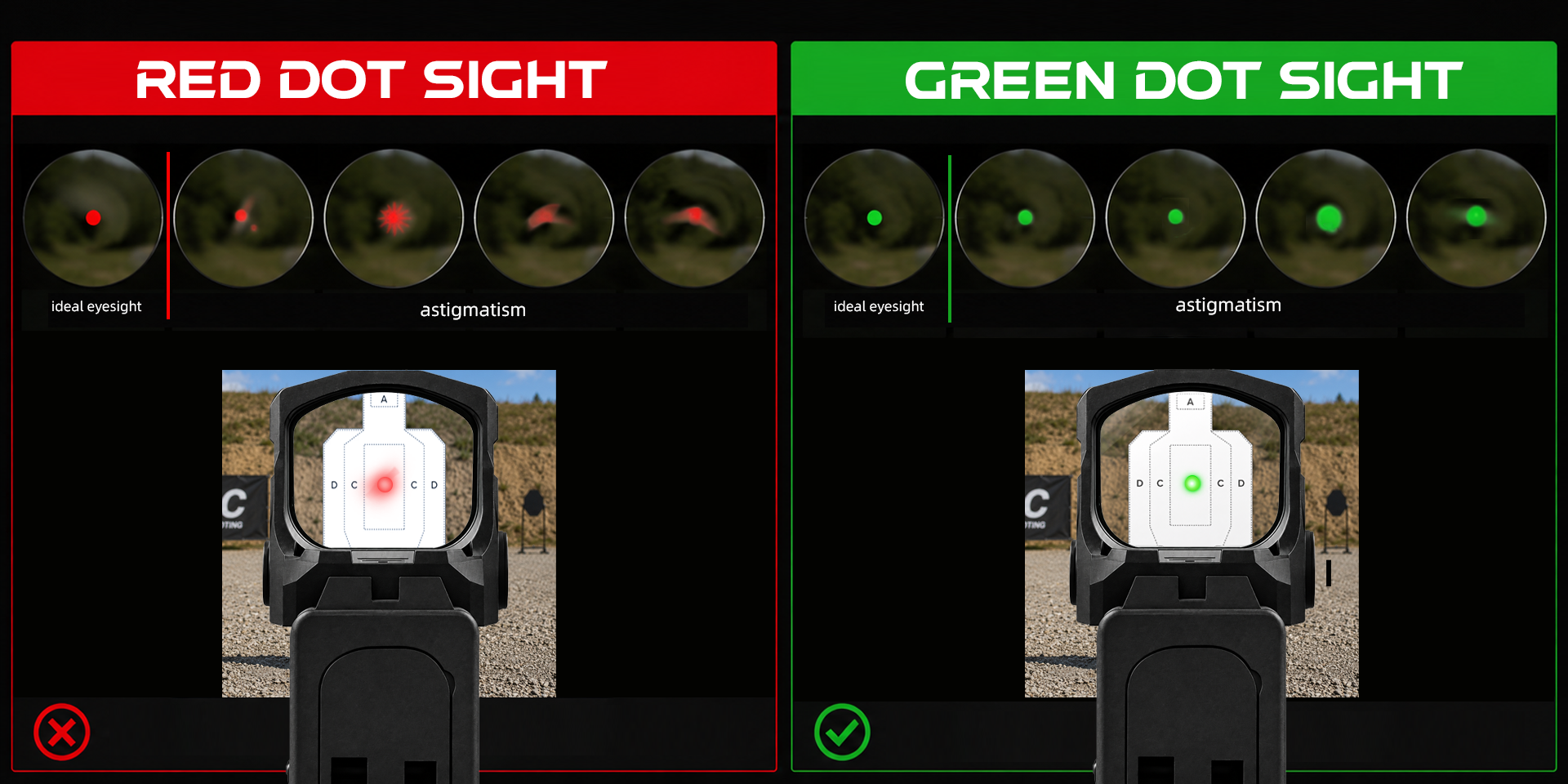
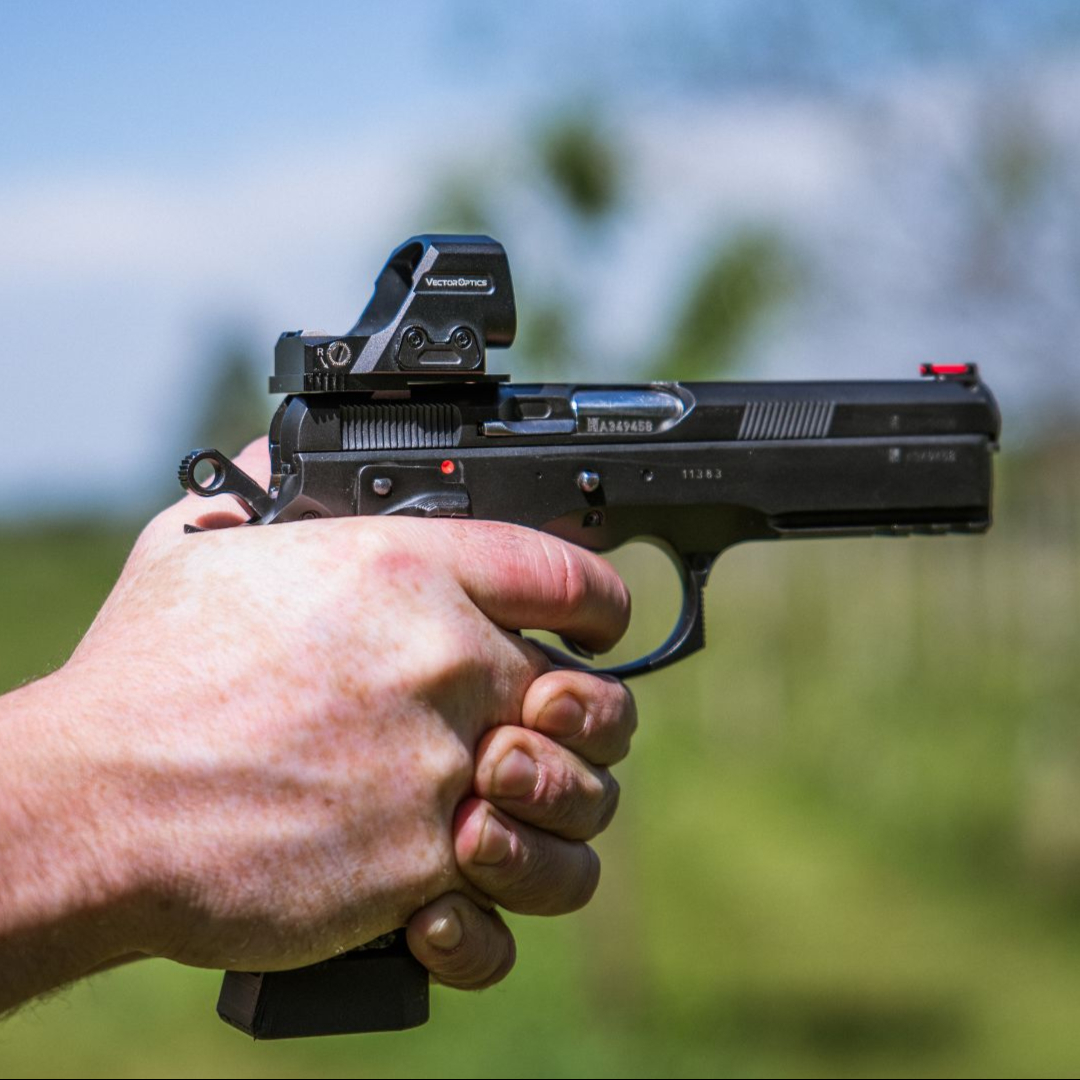
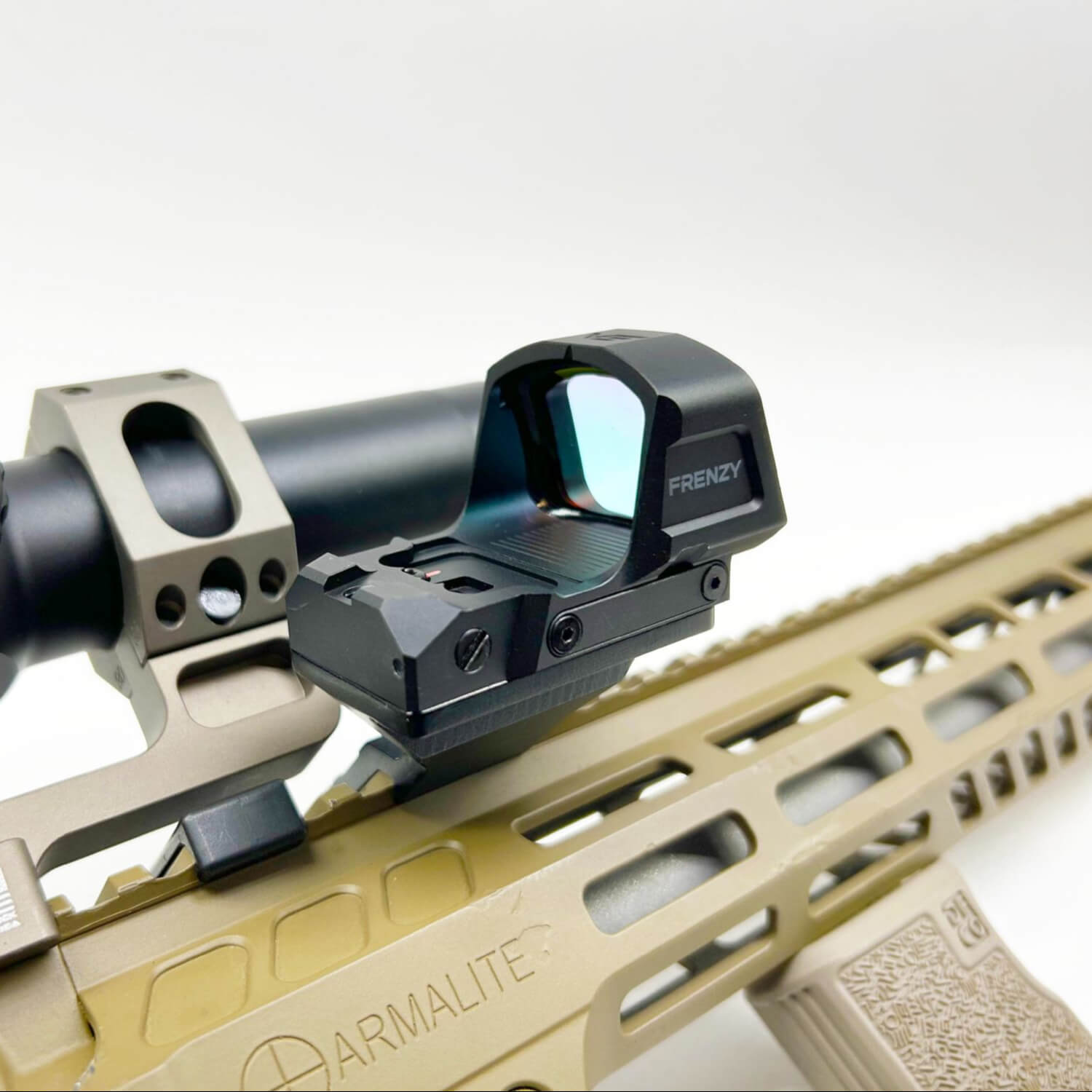
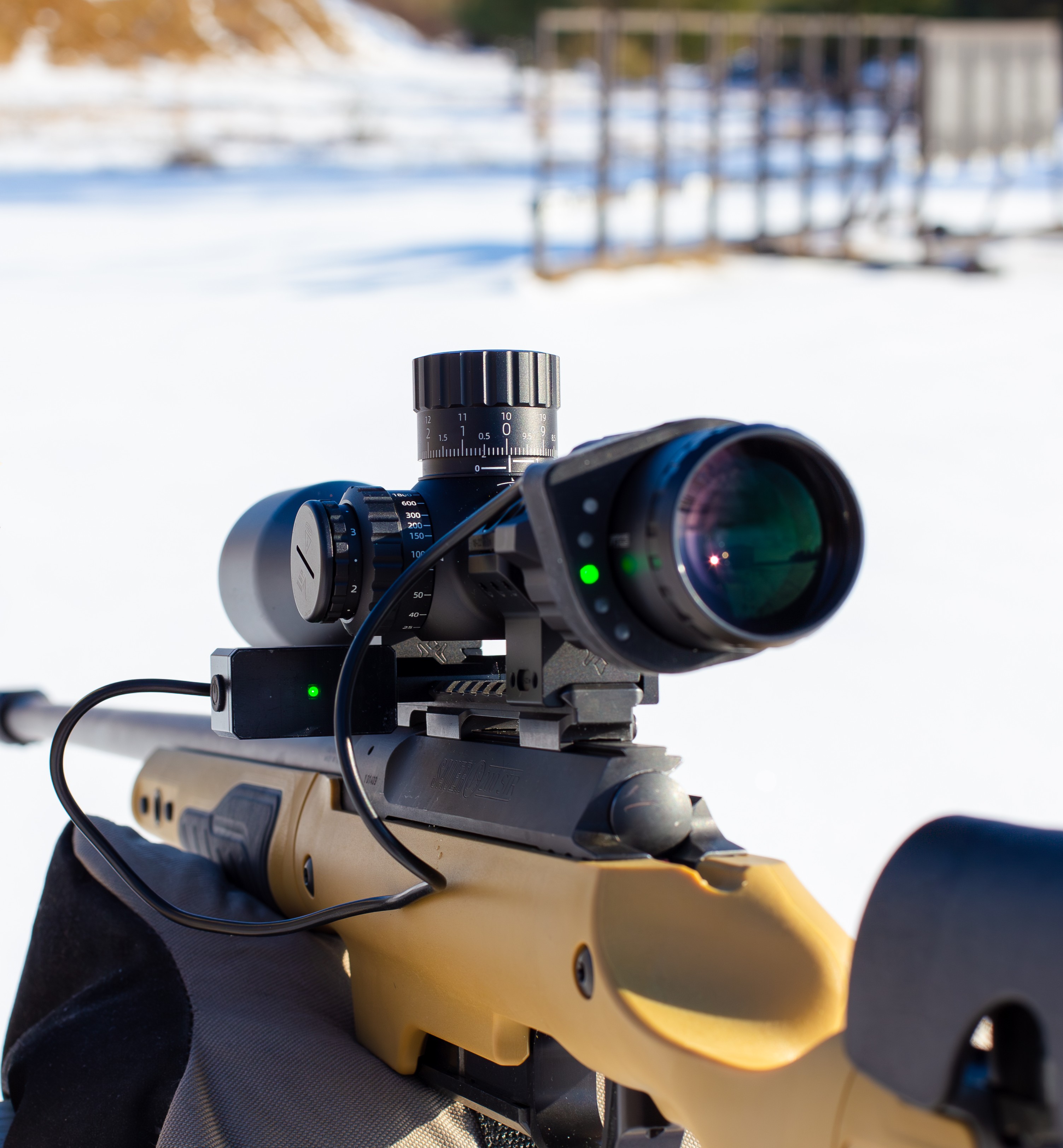
The following green dot sights offer superior visibility and dependable performance across in a wide range of shooting conditions.
3. Why Red Dot Sights Are Still Used?
Red dot sights remain popular for their strong performance in low-light, indoor and nighttime environments. They also provide excellent contrast against green backgrounds, making them effective in shaded or wooded areas, and they are often preferred for use with night vision devices.
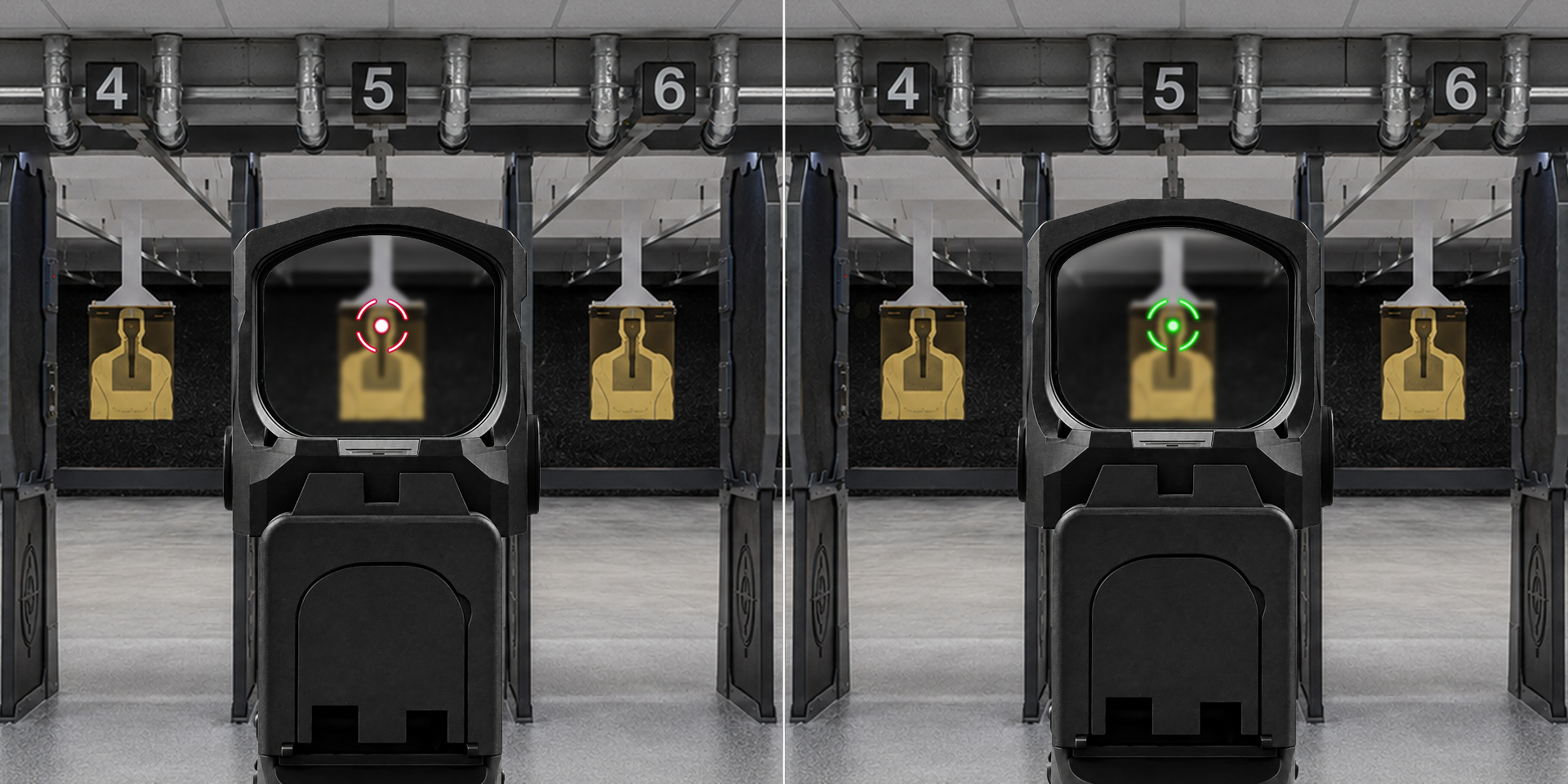
Their well-rounded performance across a wide range of shooting applications has contributed to their widespread adoption among shooters. Additionally, red dot sights benefit from highly efficient LED technology, often delivering longer battery life and dependable performance during extended use. Thanks to mature technology and large-scale production, red dot sights remain relatively affordable.
4. Which Sight Is Right for You?
Feature | Red Dot | Green Dot |
Bright Daylight | Good | Excellent |
Low-Light | Excellent | Good |
Eye Sensitivity | Good | Often Appears Brighter |
Astigmatism | User Dependent | User Dependent |
Market Adoption | Widely used | Growing |
Cost | Usually Lower | Sometimes Higher |
Battery Life | Typically longer, depends on model | Usually slightly shorter, depends on model |
Battery Efficiency | Generally higher | Slightly lower in some designs |
For shooters who operate mostly outdoors, green dot sights often provide a more noticeable advantage due to their brightness, clarity, and ease of tracking in daylight conditions. Red dot sights remain a solid, dependable option for mixed or low-light environments, but green dots are increasingly favored for daylight-focused shooting such as hunting or open-range practice.
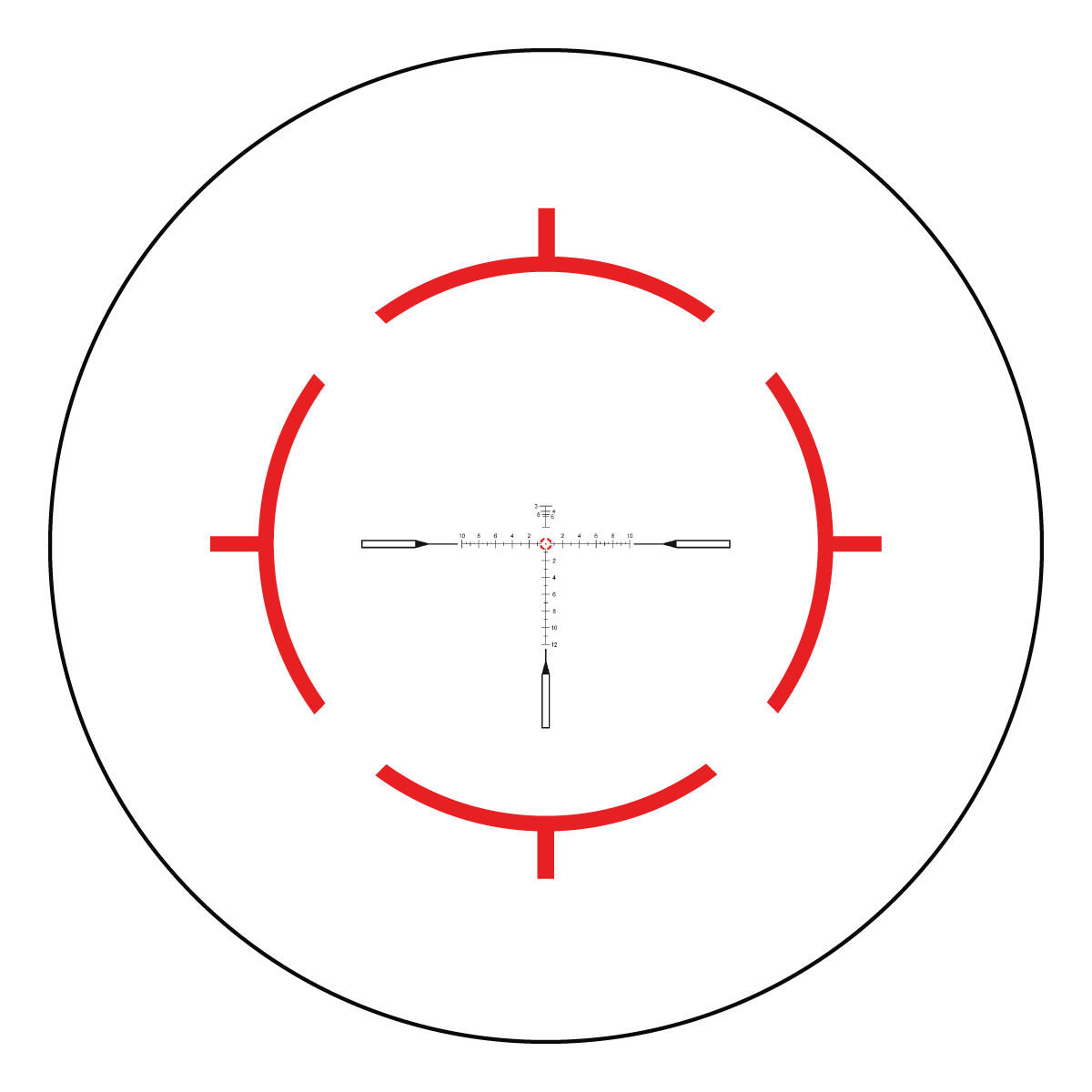
Besides choosing between red and green illumination, shooters should also consider dot size and reticle pattern, as these factors can influence speed, precision, and overall sight picture. Learn more in our complete guide to red dot reticle types.
5. Why Does Green Dot Sight Look Brighter than Red Dot Sight?
Green light is near the peak of human photopic vision sensitivity (around 555nm). In bright daylightconditions, the human eye is more responsive to green wavelengths, which is why a green dot canoften appear brighter than a red dot at the same brightness setting.
6. Why Do Some Sights Offer Both Red and Green Dots?
Some sights offer both red and green dots to make the optic more flexible and easier to use. Instead of limiting shooters to one reticle color, a dual-color sight allows users to choose the option that feels clearer and more comfortable through the lens.
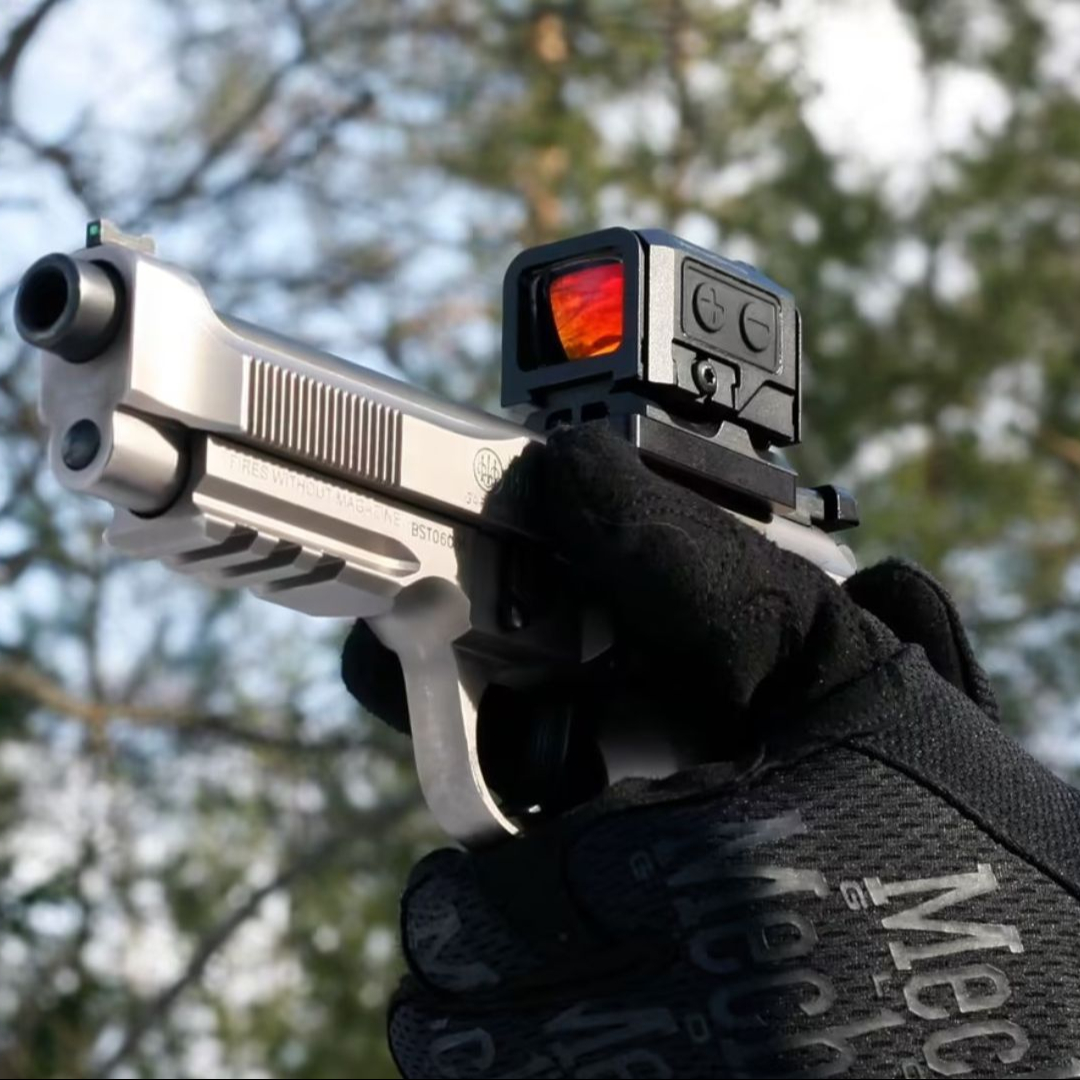
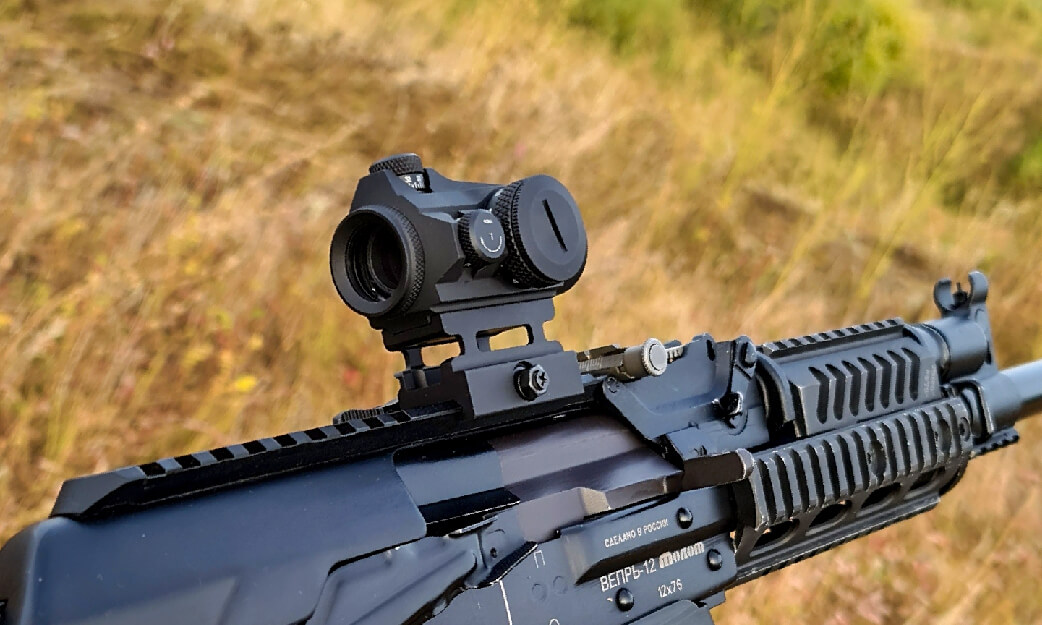
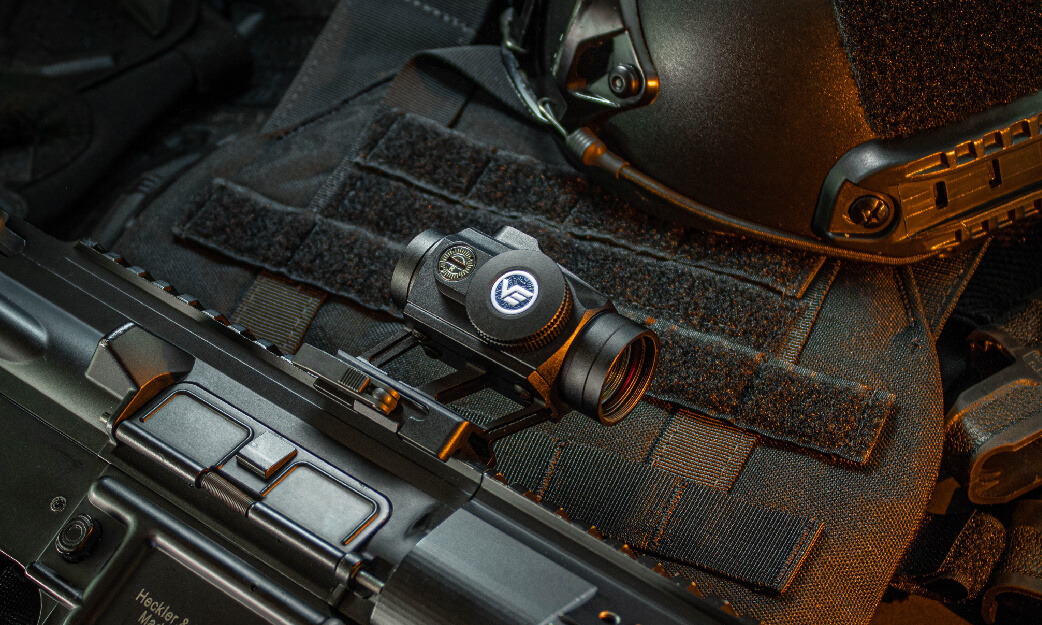
Lower-cost reflex sights, such as the following models, usually use a simple LED emitter that reflects off a coated lens to form the reticle:
In contrast, high-end holographic systems, such as EOTech, rely on a laser diode illuminating a holographic diffraction grating, which reconstructs the reticle pattern in the viewer’s line of sight, providing a more complex and precise optical solution.
7. Final Thoughts
The choice between red and green dot sights goes beyond color, affecting visibility, comfort, and overall performance. The best option depends on your shooting style, firearm setup, and environment. By understanding the strengths of each, shooters can choose the right optic to improve accuracy, comfort, and consistency in different scenarios.
FAQ
Q1. Do green dot sights use more battery power?
In general, green LEDs require slightly more power than red LEDs to achieve the same brightness level. However, modern green dot optics are designed with efficient power management, so battery life remains reliable for everyday hunting, tactical, or recreational shooting.
Q2. Should beginners choose red or green dot sights?
Red dot sights are often recommended for beginners because they are widely used and easy to adapt to. However, shooters who experience eye strain or mild astigmatism may find green dot optics more comfortable during extended use.
Q3. Are green dots better for hunting?
It depends on the environment. In green backgrounds such as forests and grass, red dots usually provide better contrast and are easier to pick up. Green dots, on the other hand, tend to stand out more in bright daylight and open hunting environments.
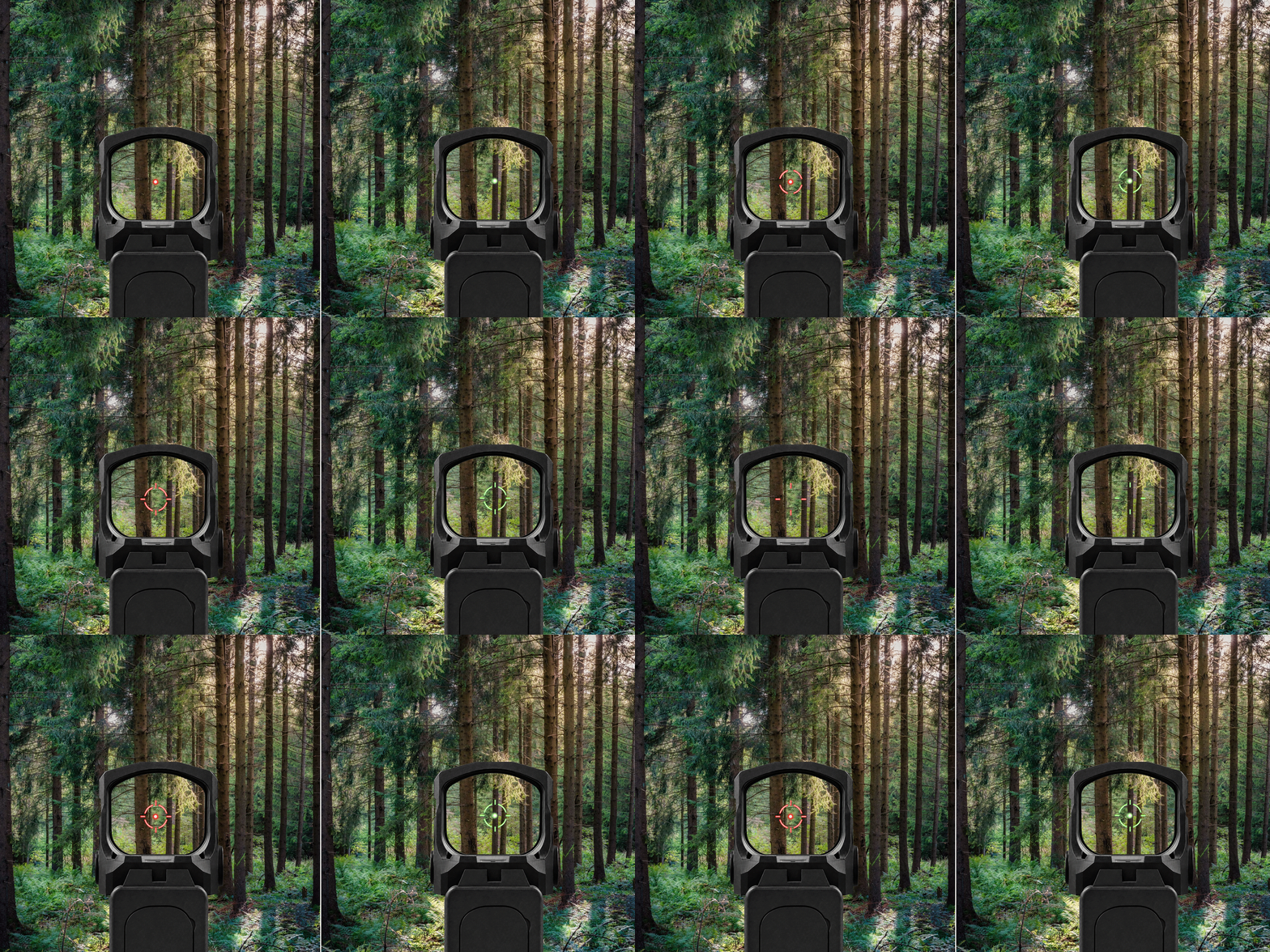
Q4. Can I use a green dot sight at night?
Yes, green dot sights can be used in low-light conditions, but performance depends on the lowest brightness setting of the optic. For night vision use, compatibility varies by model, and the reticle brightness must be adjustable low enough to avoid overpowering the NV image.
Q5. Is a green dot or red dot better for everyday carry?
For handguns carried daily, green dots often appear brighter in daylight and can be easier to pick up for shooters with astigmatism or other visual sensitivities. Red dots provide strong contrast in low-light or urban environments and are generally more common. The choice should be based on environmental conditions and individual visual preference.