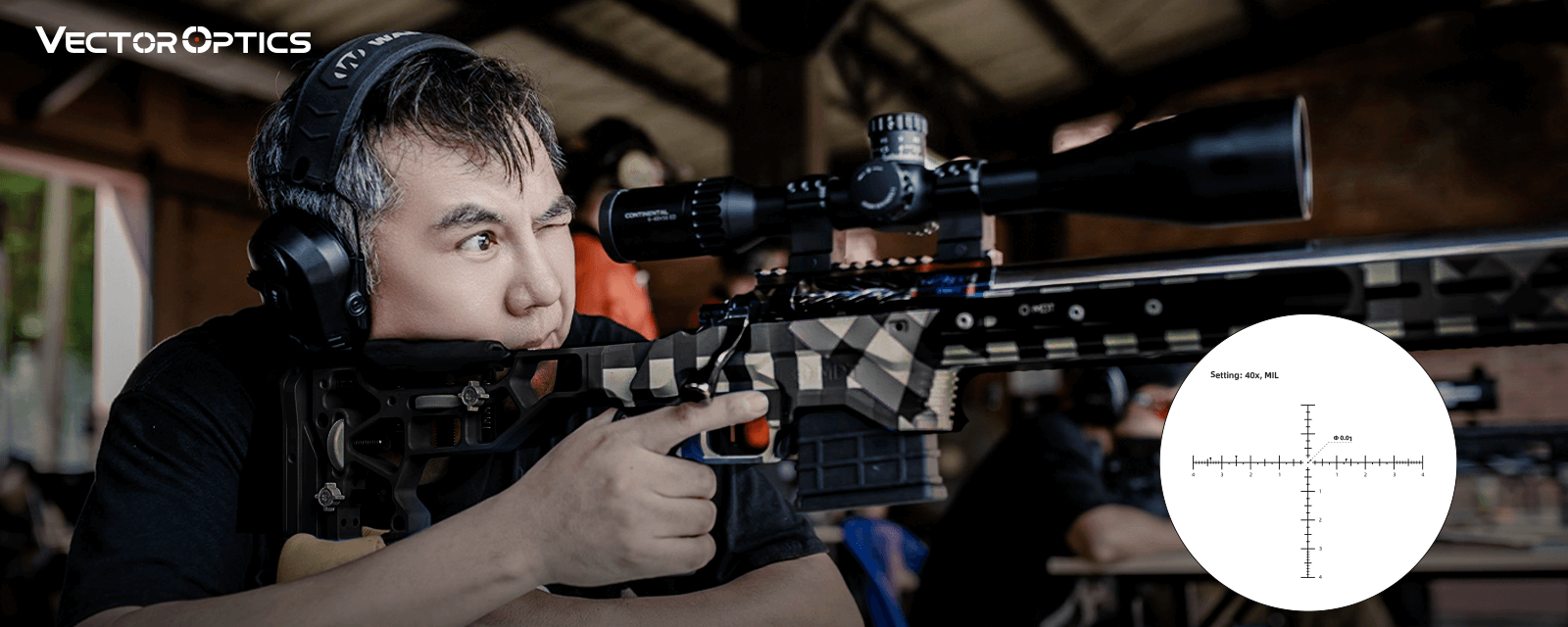
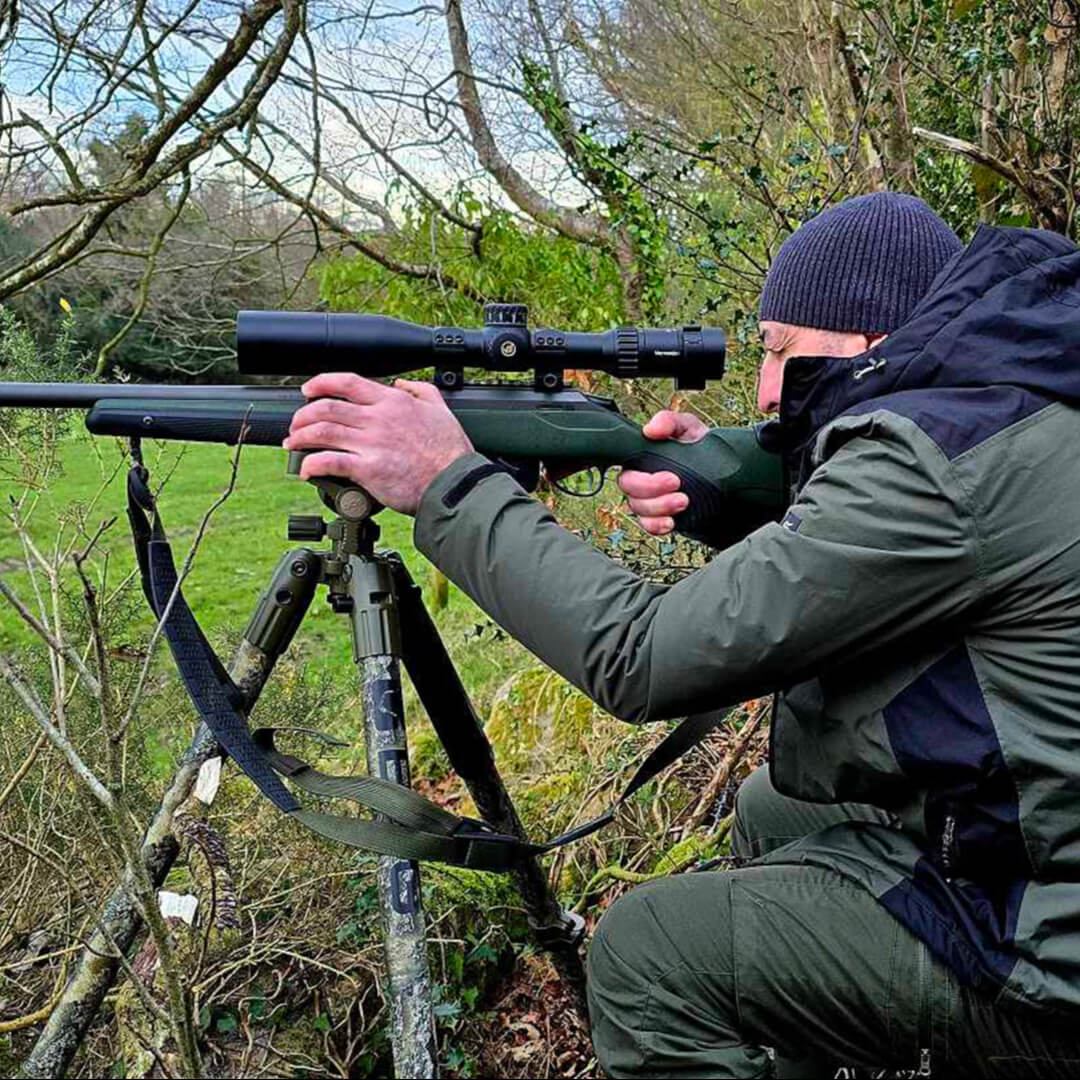
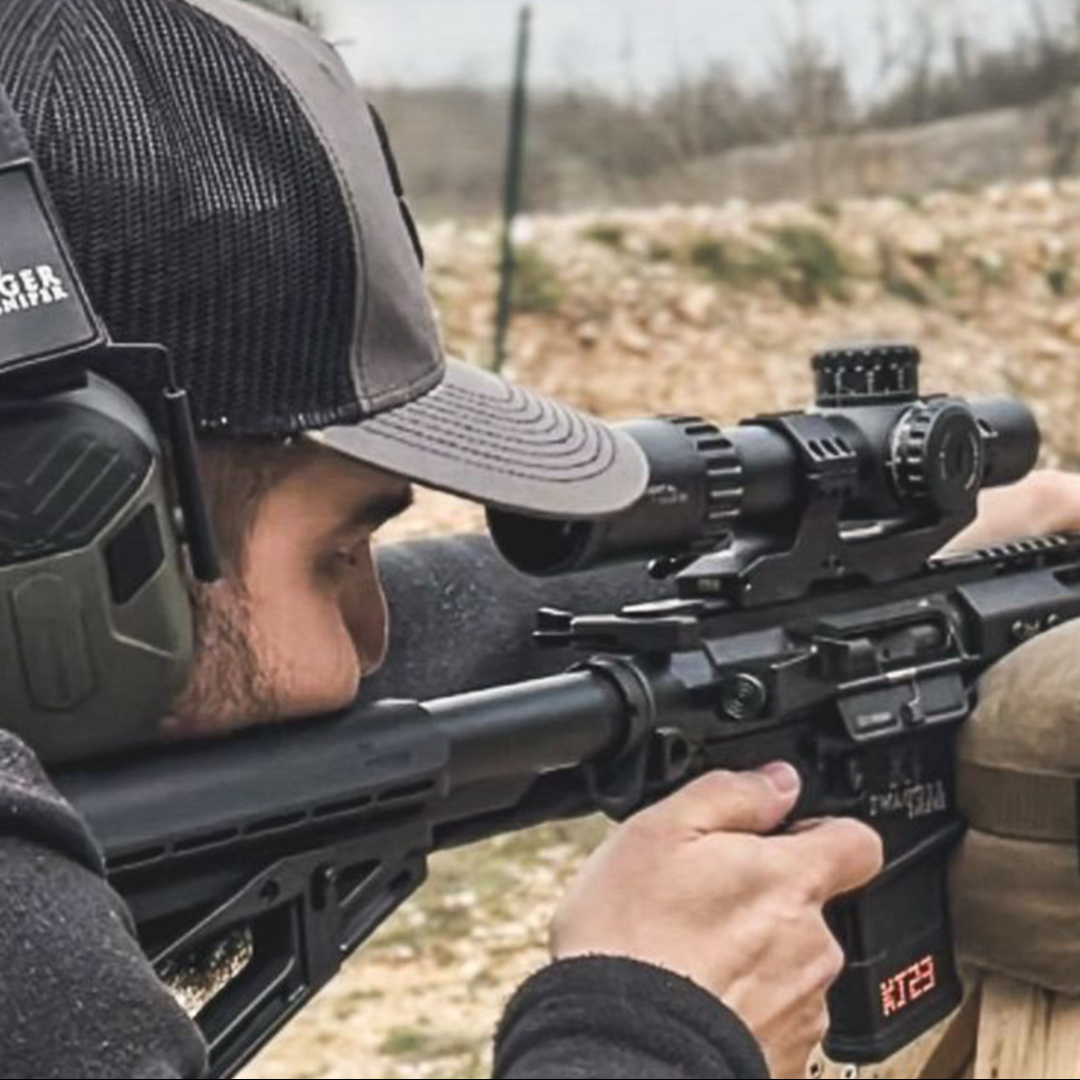
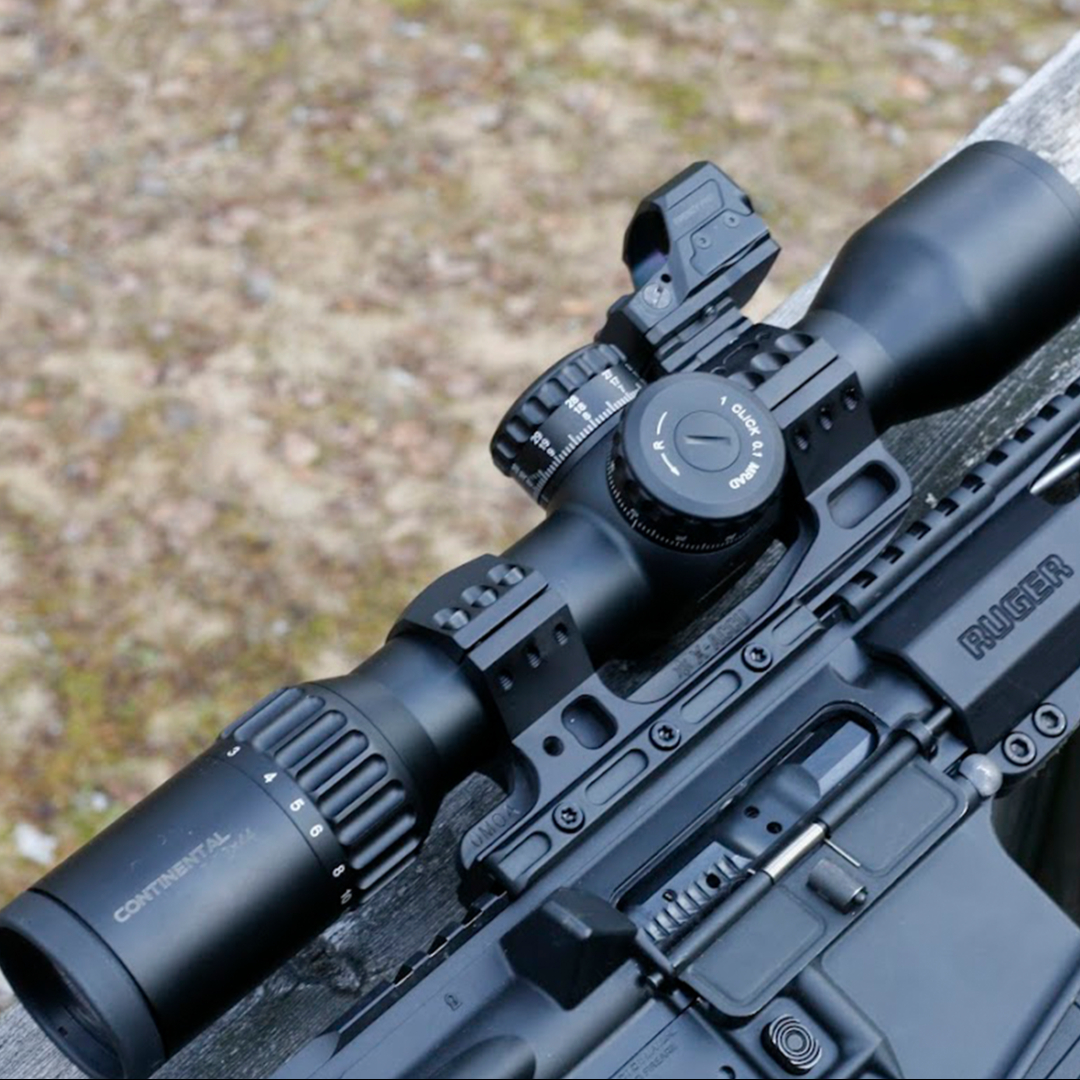
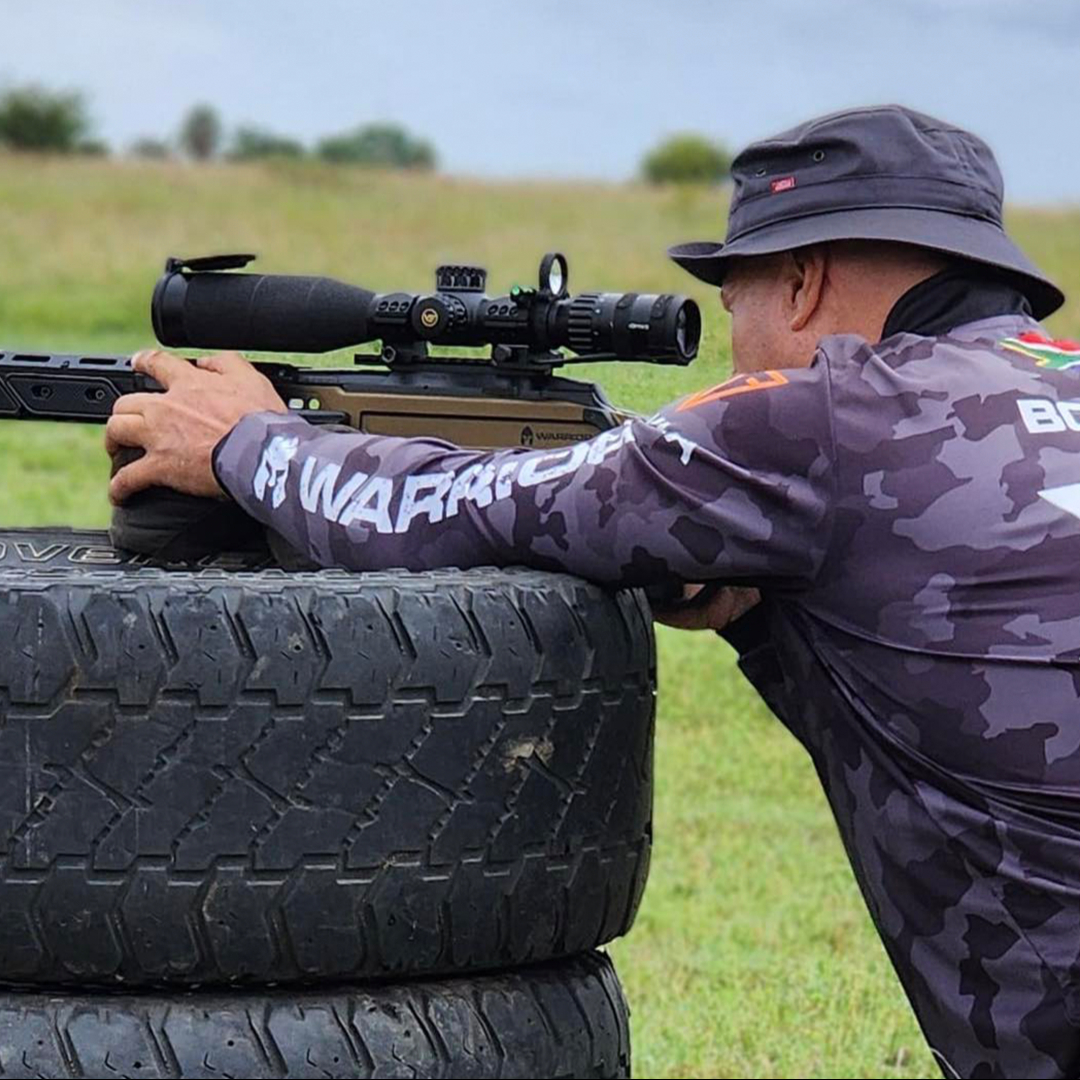
F-Class shooting is one of the most technical forms of long-range competition. Originally developed in Canada in the 1990s by George Farquharson — the “F” in F-Class — the discipline combines precision rifles, optical sights, wind-reading skill, and meticulous ammunition tuning to achieve extreme accuracy at extended distances.
1. What Is F-Class Shooting?
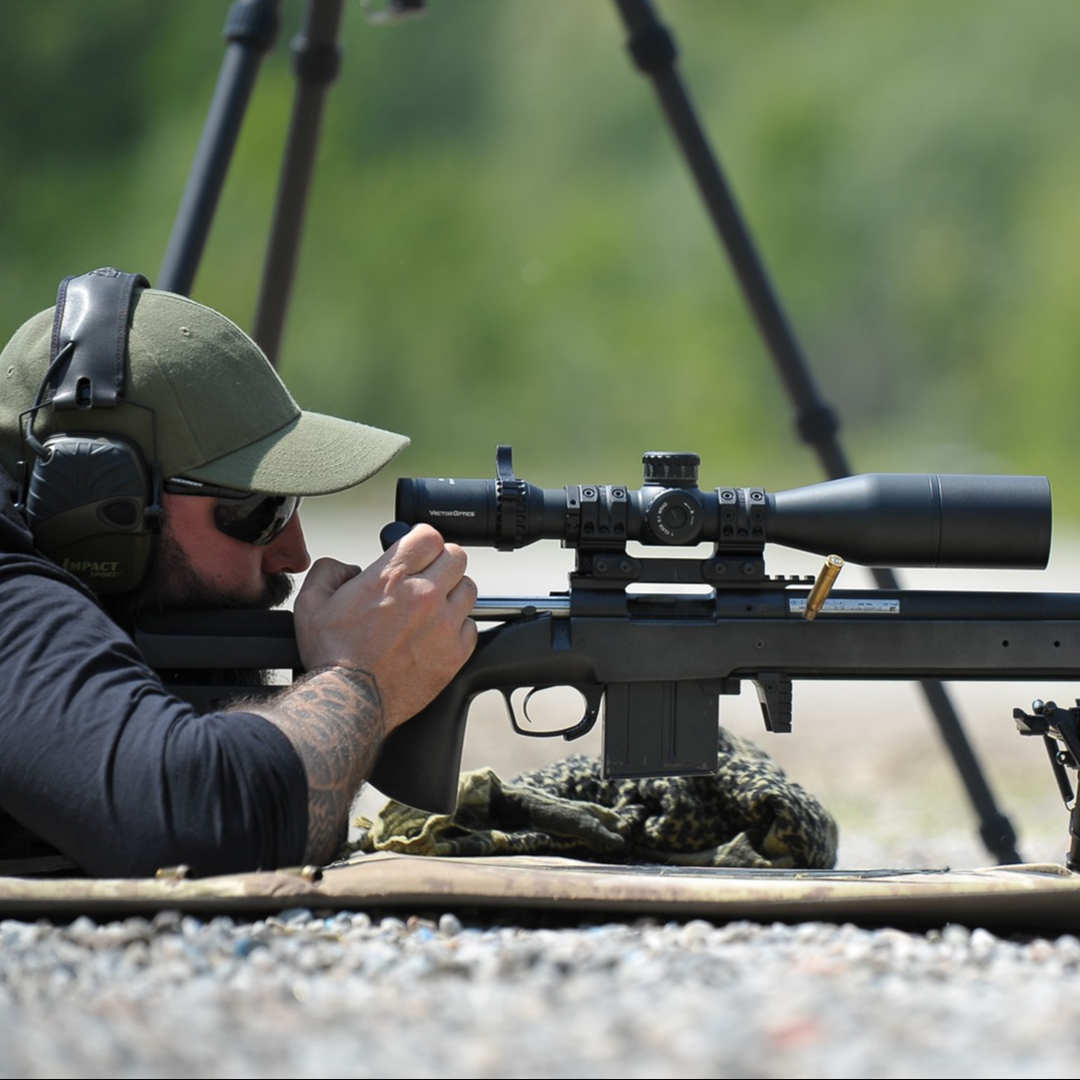
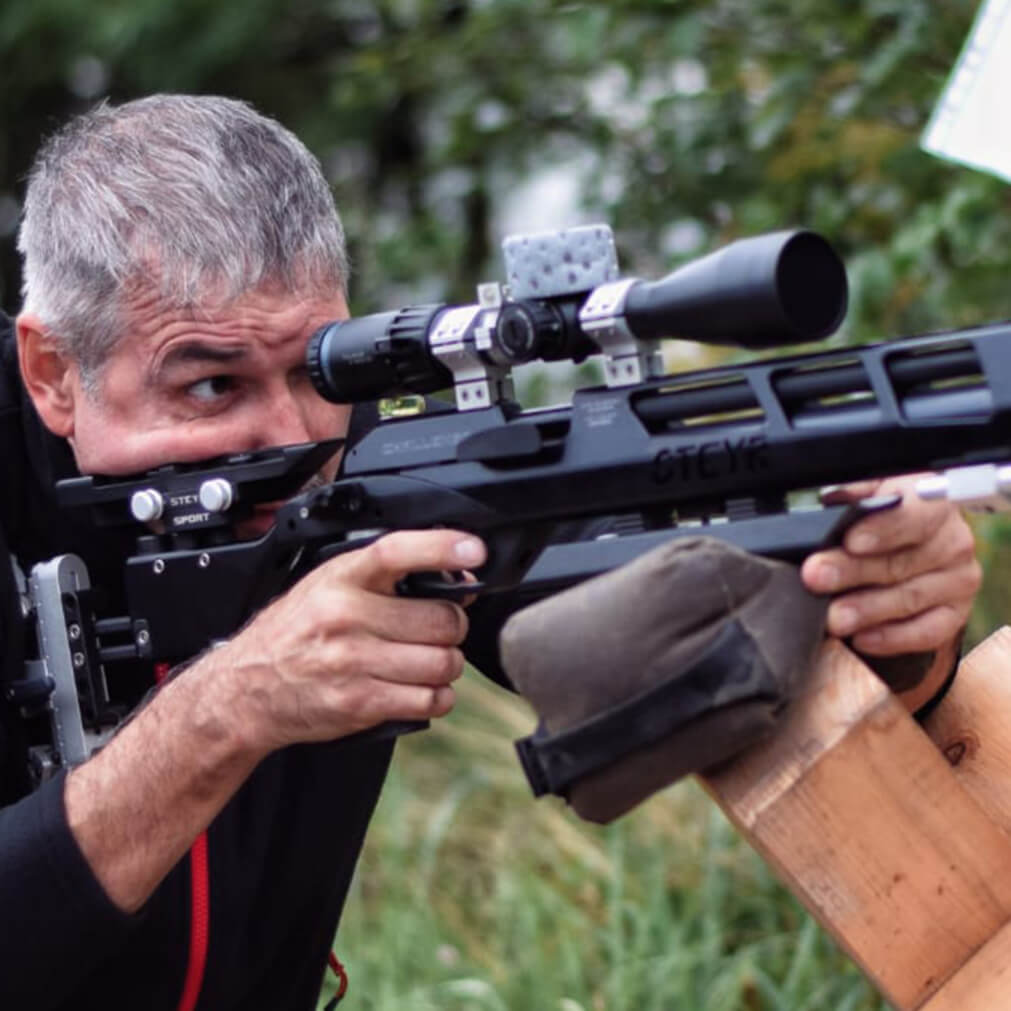
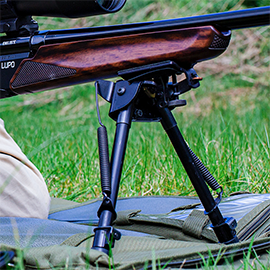
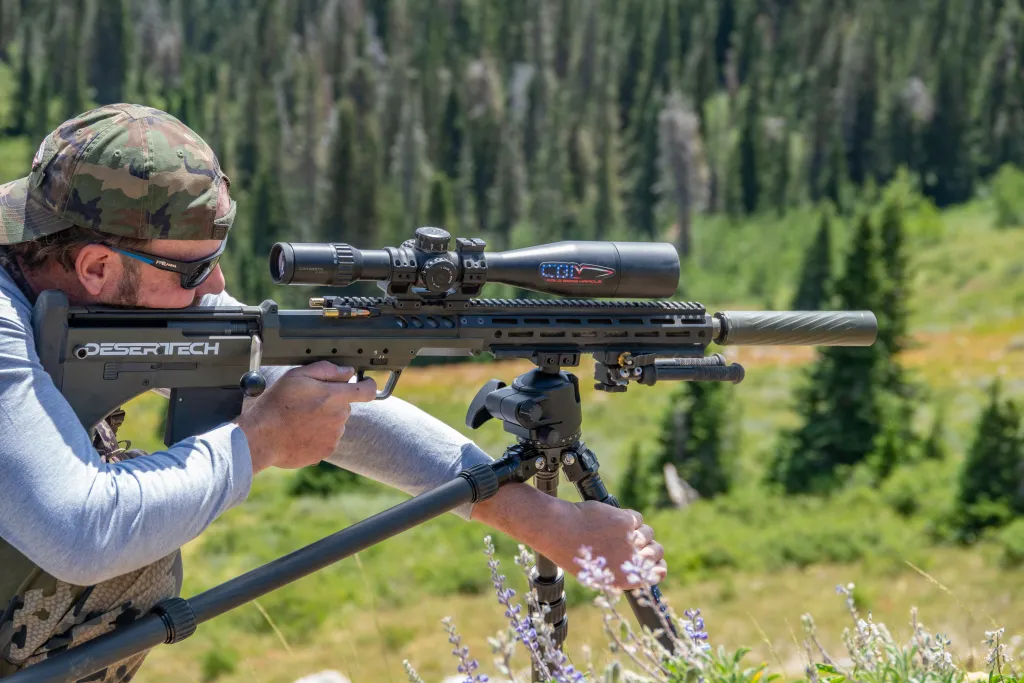
F-Class is a prone precision rifle competition shot at long range, typically from 300 to 1,000 yards. Shooters fire from the ground using either a bipod or front rest while aiming through magnified optics.
The sport is divided into two main categories: F-Open and F-TR.
1.1 F-Open
F-Open, considered the “unlimited” category of F-Class, allows a wide range of rifle setups and cartridges, with competitors commonly using specialized low-recoil rounds such as 6mm BR, 6 Dasher, 6XC, and 6.5mm cartridges for their excellent ballistic performance and reduced wind drift.
Rifles typically feature heavy barrels, ultra-light triggers, wide competition stocks, and front rest support, with a maximum rifle weight of 22 lb including optics.
1.2 F-TR (F-Target Rifle)
F-TR is a more restricted class limited to .223 Remington or .308 Winchester cartridges, using only a bipod and rear bag for support. Maximum rifle weight is limited to 18.18 lb including optics, making F-TR a more accessible and budget-friendly entry point into F-Class competition.
F-Class targets use extremely small scoring zones, with modern targets featuring 1 MOA 10-rings and 1/2 MOA X-rings. At 1,000 yards, the X-ring measures roughly 5 inches across, requiring shooters to maintain exceptional precision while managing wind, mirage, barrel harmonics, and ammunition consistency.
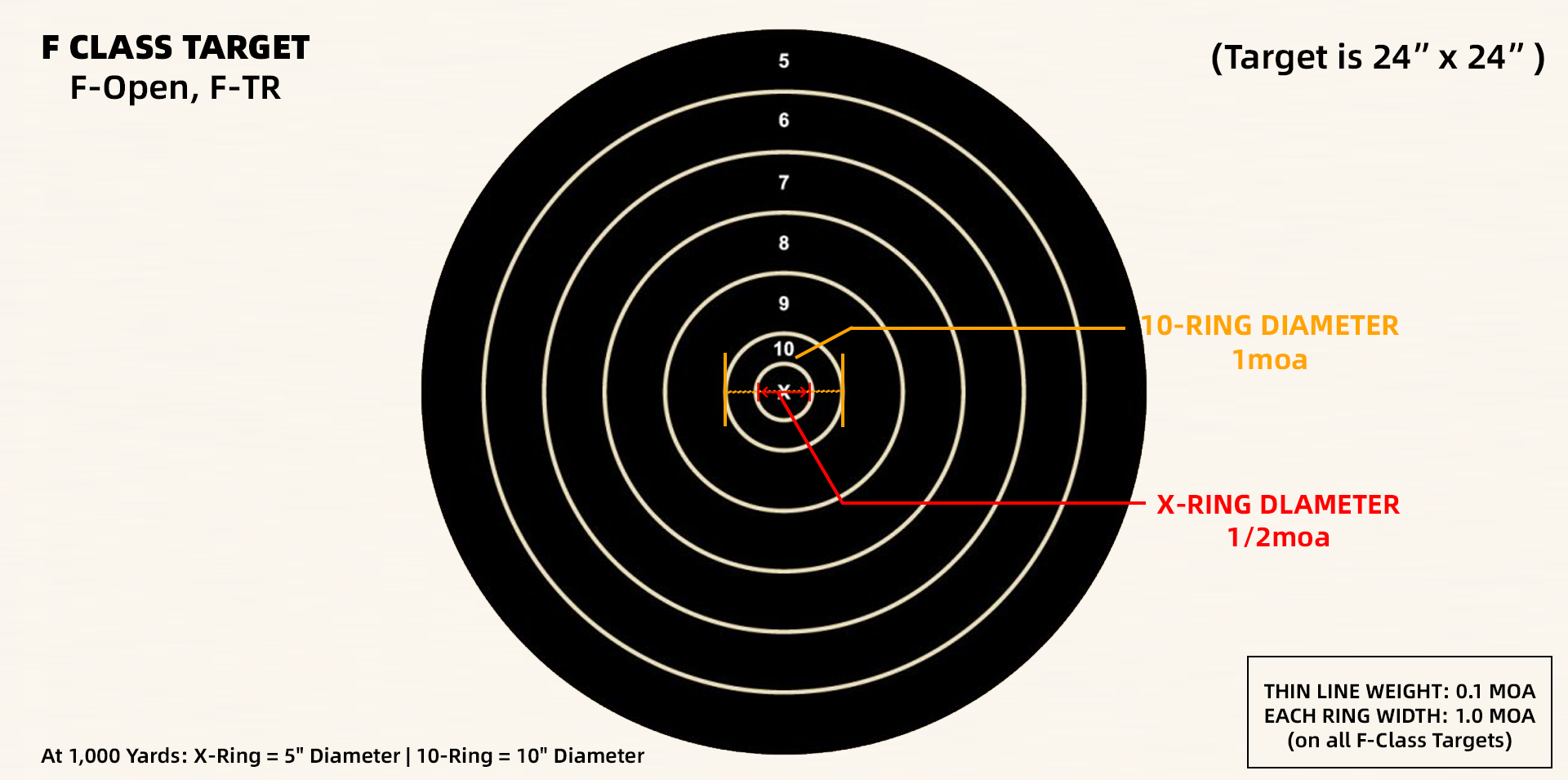
F-Class Shooting Target
2. What Rifles and Equipment Are Used in F-Class?
F-Class shooting relies on carefully selected equipment designed for stability, consistency, and precision. Below is a quick breakdown of the key components in a typical setup. Optics are especially important and will be covered separately later in the guide.
● Rifles & Cartridges
Bolt-action rifles with heavy barrels, match triggers, and precision chassis for stability
F-Open: high-BC, low-recoil cartridges for flatter trajectory
F-TR: limited to .223 Remington or .308 Winchester
● Support Equipment
F-Open: precision front rests or sandbags for maximum stability
F-TR: bipods paired with rear bags for controlled support
● Common Accessories
Wind meters for real-time wind reading
Bubble levels for cant control
Spotting scopes for impact tracking
Barrel tuners for fine-tuning accuracy and harmonics
3. Why Wind Reading Matters So Much?
Wind reading is one of the most important skills in F-Class.
At 1,000 yards, a relatively mild crosswind can move a bullet several feet off target. Even highly aerodynamic bullets cannot completely resist wind drift.
Experienced competitors constantly observe:
●Mirage (the visible heat-wave distortion) through the scope
●Wind flags along the range
●Grass and environmental movement
●Changing light conditions
One of the biggest misconceptions in long-range shooting is that wind affects bullets most near the target, after they slow down. In reality, small directional changes early in the bullet’s flight often create the largest downrange deviations.
This is why F-Class shooters place such heavy emphasis on timing shots during consistent wind conditions.
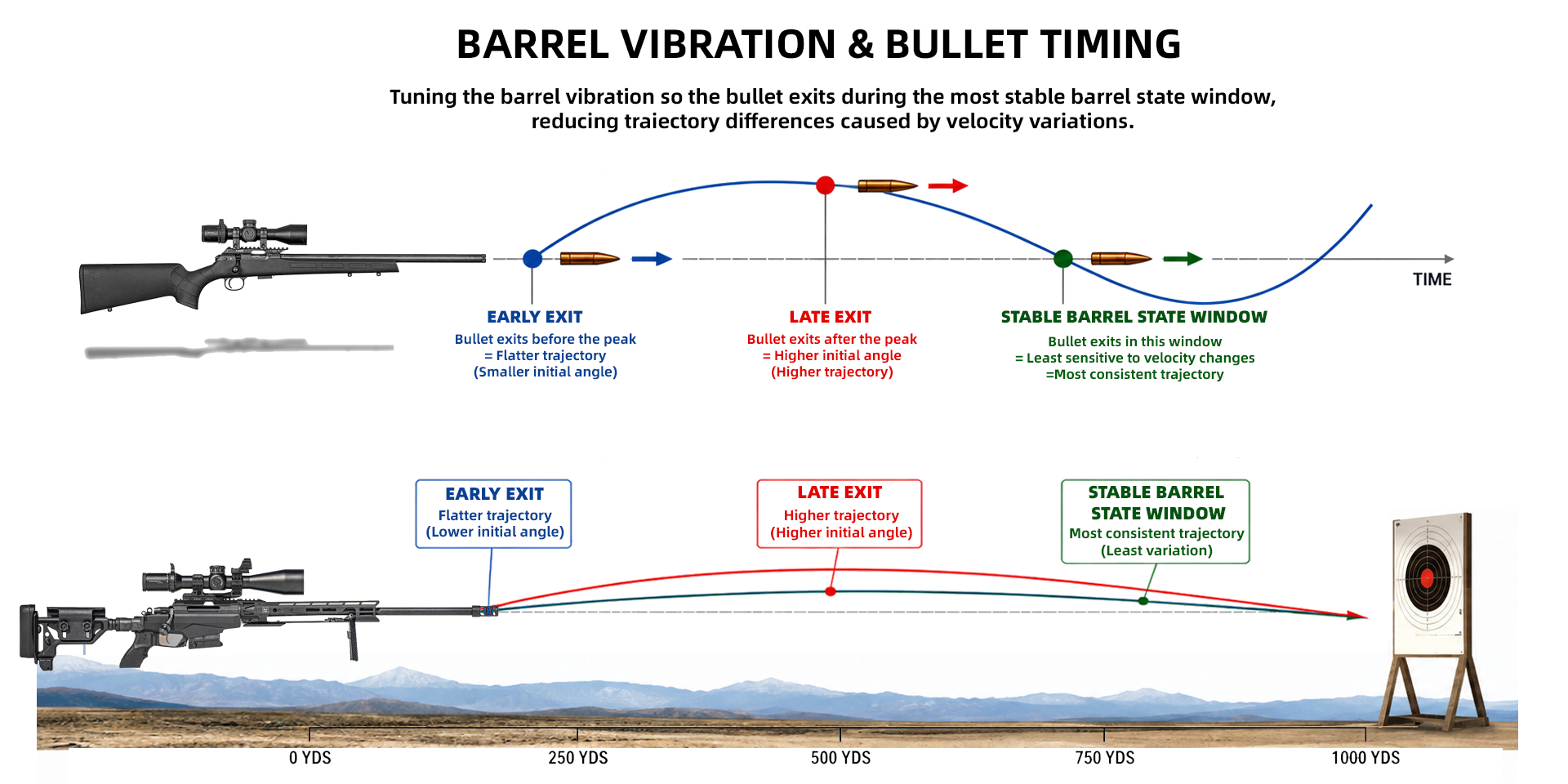
F-Class Barrel Vibration and Bullet Timing
At elite levels, competitors also tune barrel harmonics and ammunition loads so bullets exit the muzzle during optimal points in the barrel’s vibration cycle, helping reduce vertical dispersion.
F-Class is as much a science experiment as it is a shooting sport.
4. How to Choose a Rifle Scope for F-Class?
Optics are one of the most important components in an F-Class setup.
Because targets are extremely small at long distance, shooters typically prefer high magnification, precise tracking, and large elevation adjustment ranges.
4.1 Key Scope Requirements
Most F-Class shooters prefer scopes in the following ranges:
Magnification: 8–32x, 10–40x, or up to 12–42x for 1,000-yard matches
Fixed high-power options (20x–36x) are also used in benchrest-style setups
Tube diameter: 30mm or 34mm for better elevation travel
Elevation adjustment: at least ~40 MOA (or equivalent MIL range)
SFP optics with fine reticles are often preferred because they remain visually cleaner and less obstructive at maximum magnification.
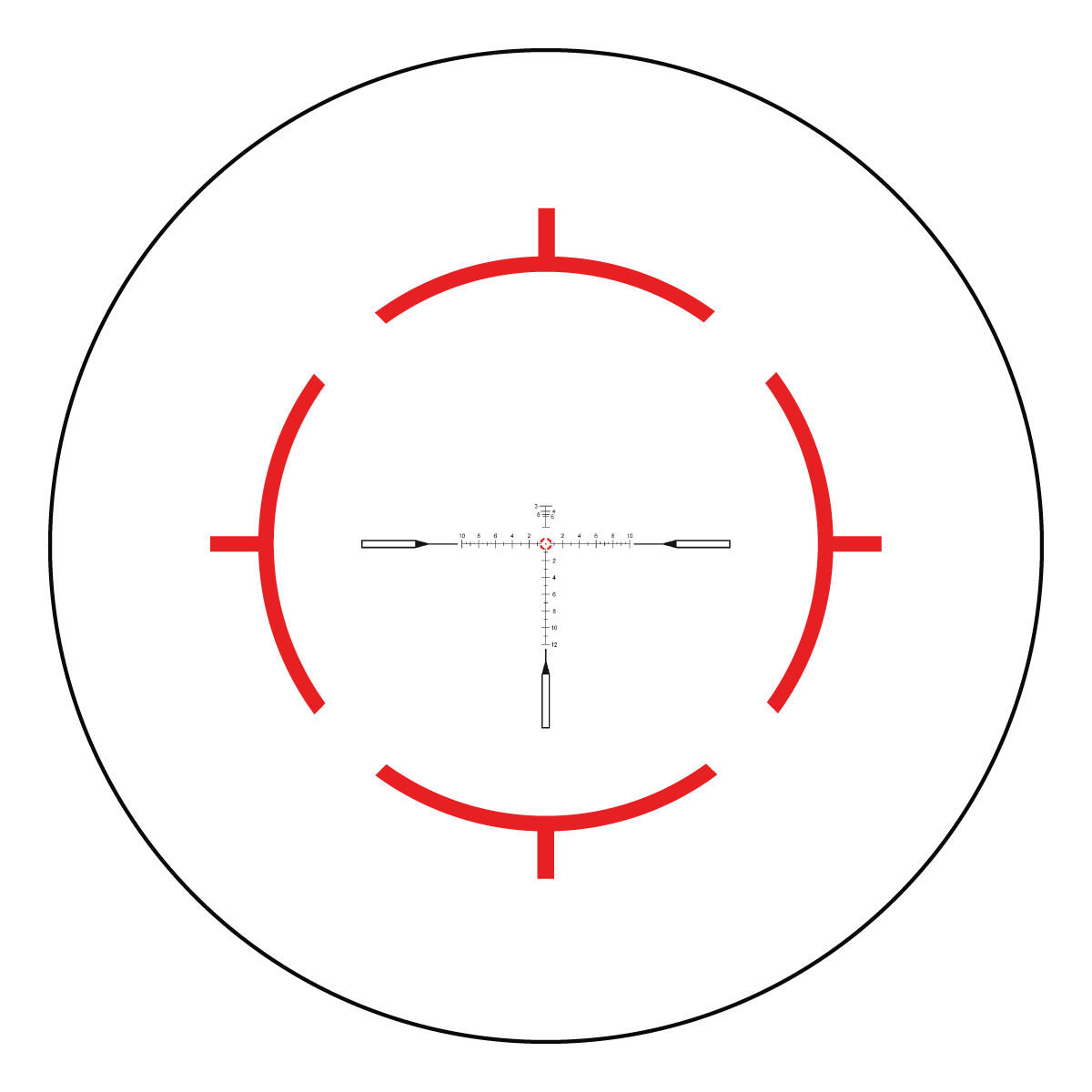
Popular reticle styles include fine crosshairs, floating center dots, and minimal MOA/MIL hash-mark designs optimized for precise aiming.
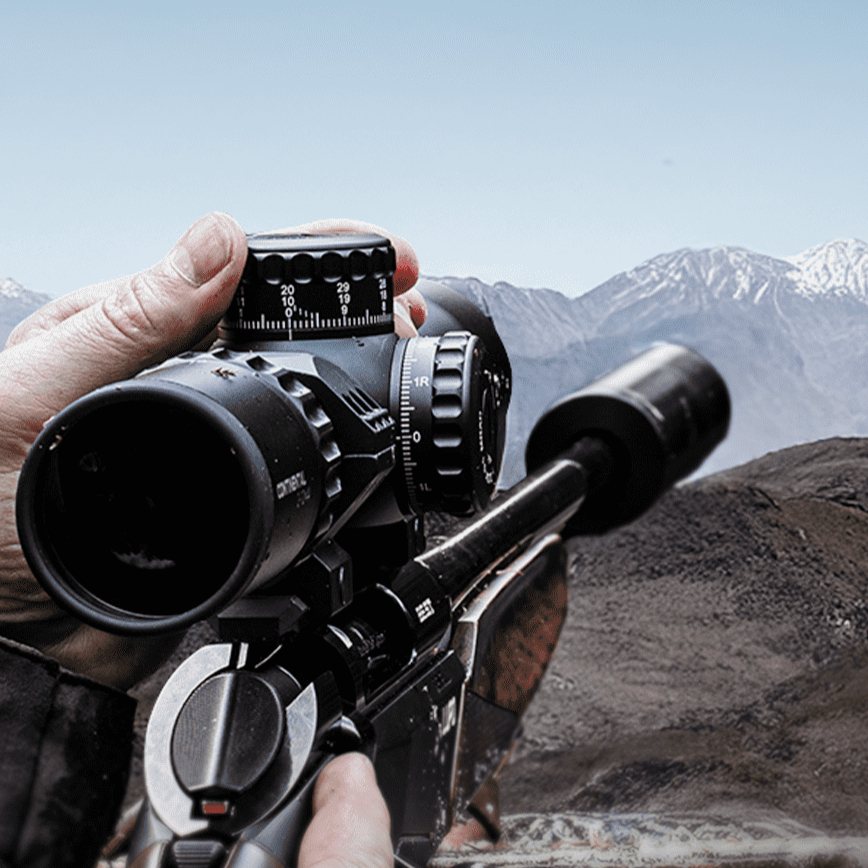
A quality F-Class scope should also offer accurate tracking, reliable return-to-zero, crisp turret clicks, and clearly legible adjustment markings.
4.2 What F-Class Shooters Look For?
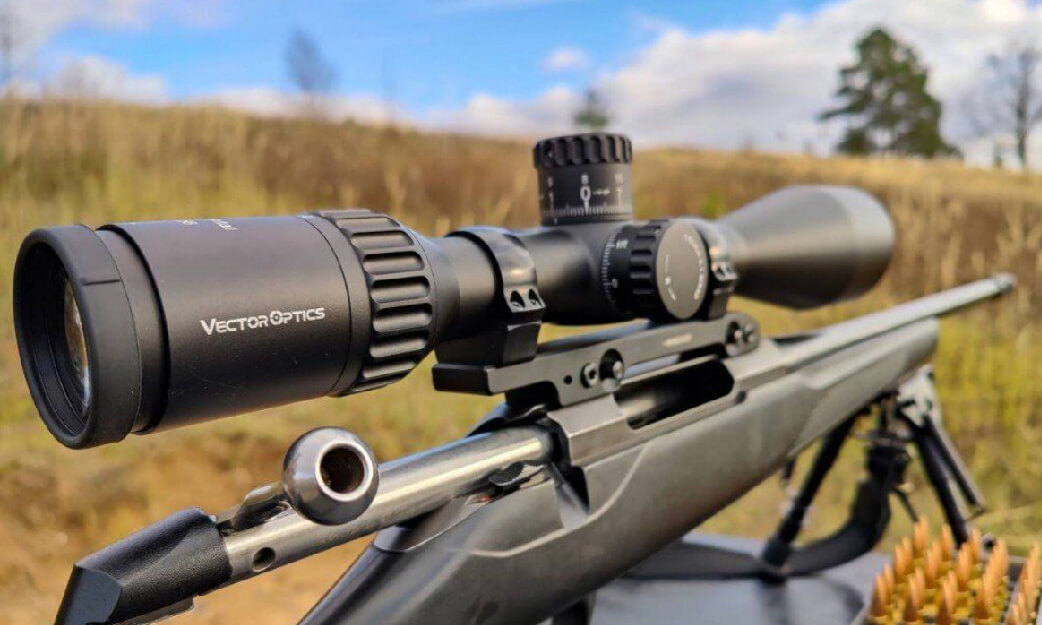
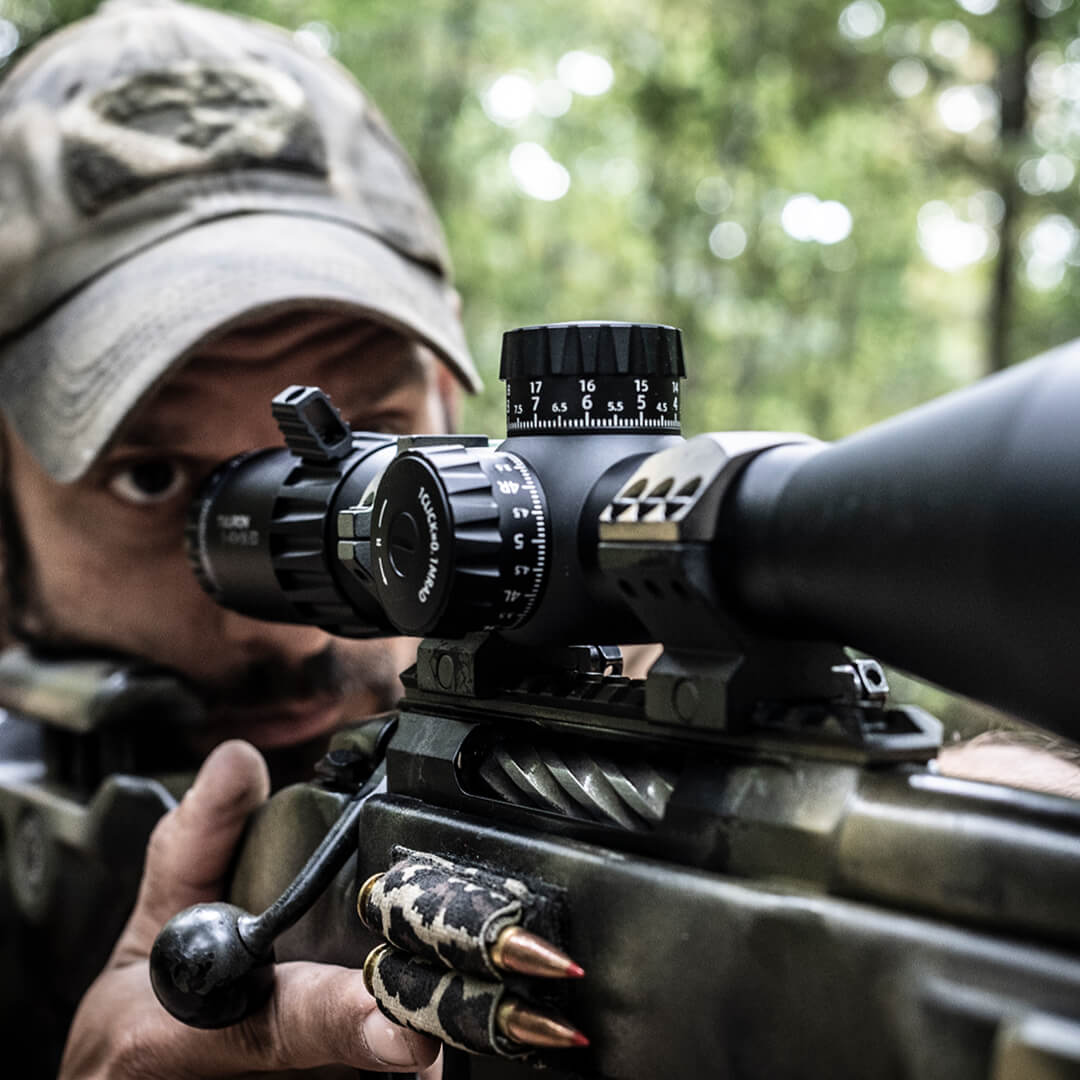
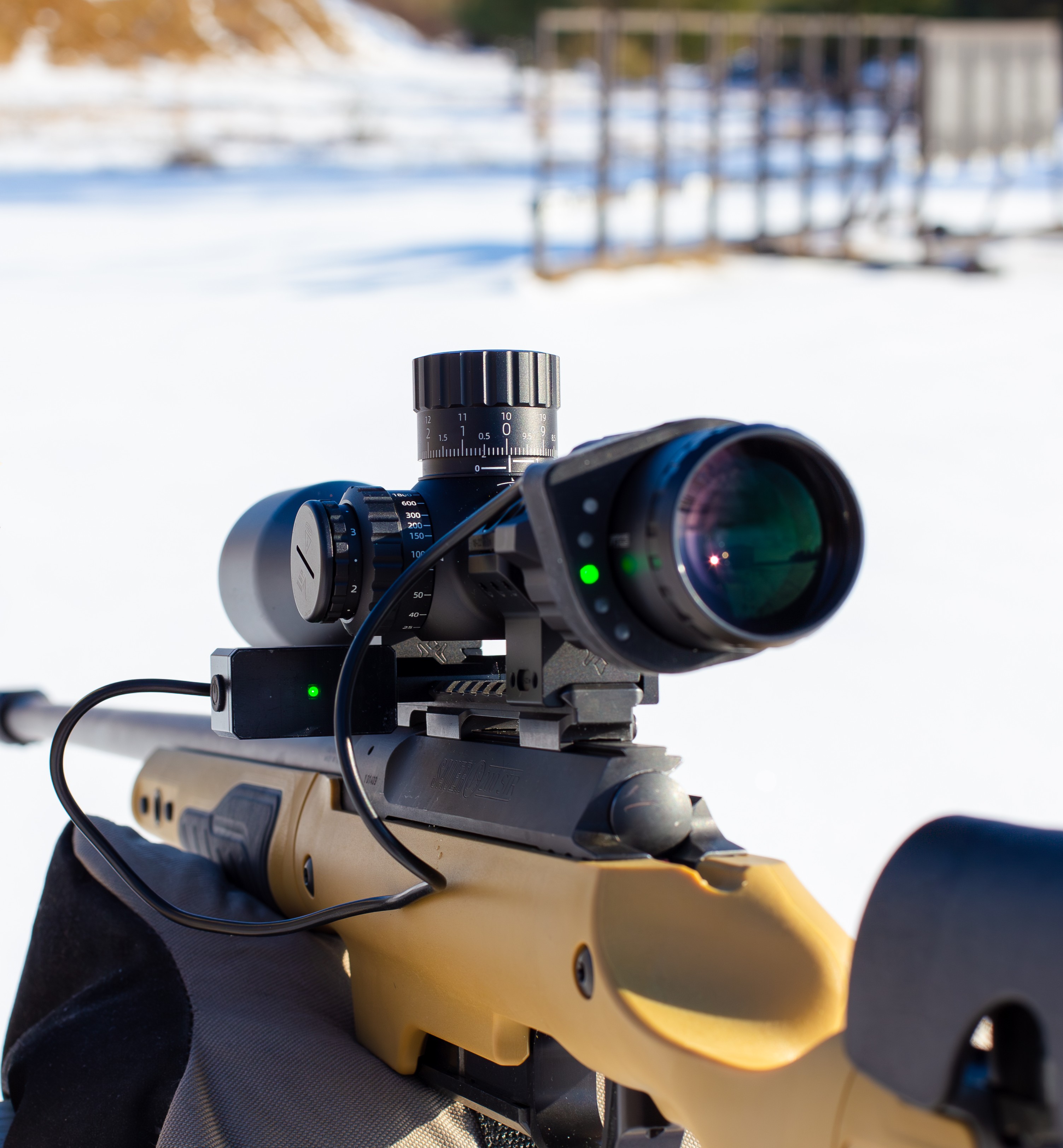
Premium options like Nightforce Competition or Leupold FX-3 are common, but newer optics like the Tauron 5-50x60 ED SFP Rifle Scope (SCOL-69) compete directly with extreme magnification (5–50x), a 34mm tube for 120+ MOA elevation, and a 0.05 mil illuminated center dot — ideal for X-ring precision.
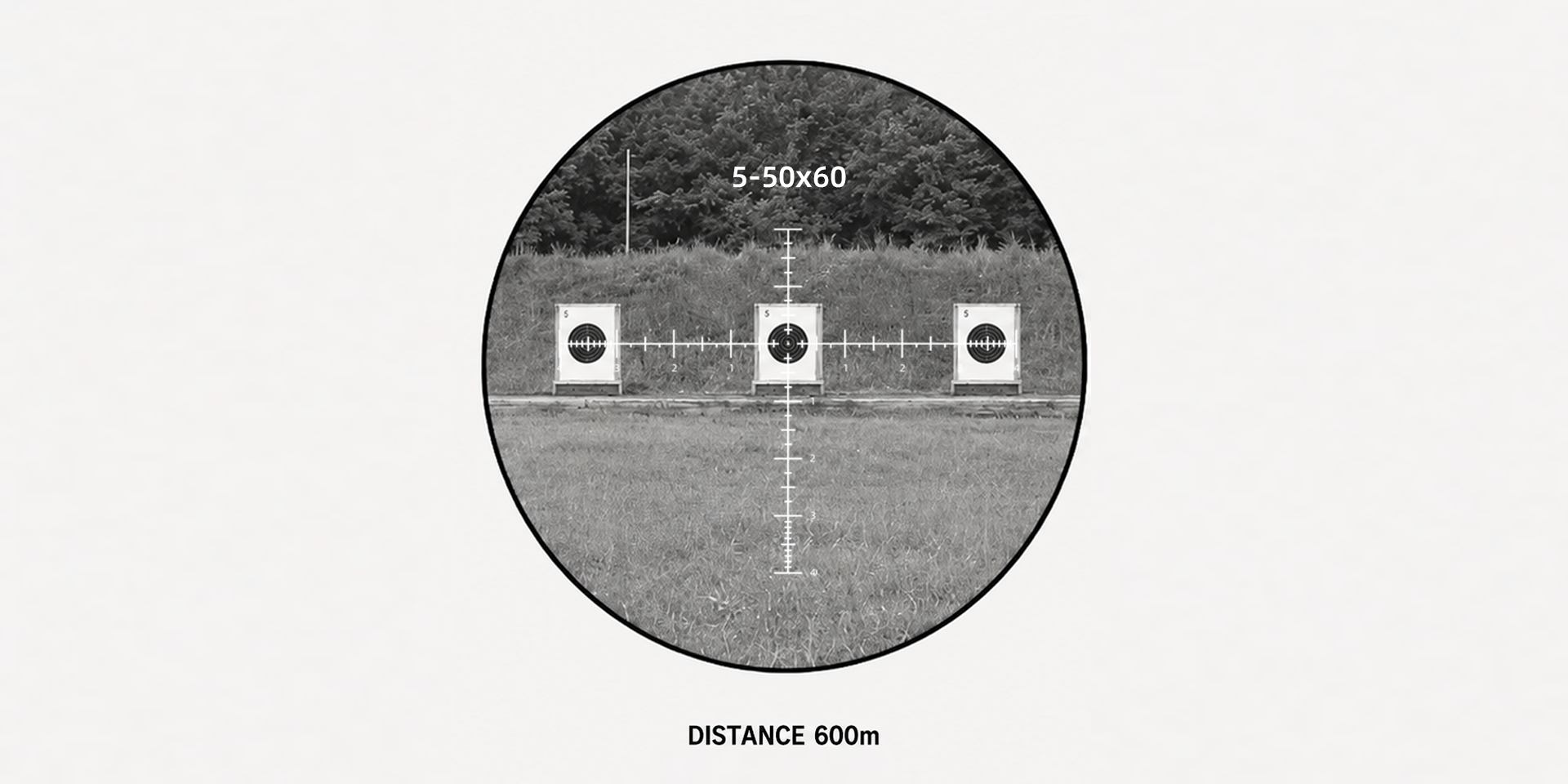
Key Features:
●Ultra-wide 5–50x magnification for both spotting and precision work
●34mm tube system for extended elevation adjustment
●Fine SFP reticle with 0.05 mil center dot for minimal target obstruction
Besides, the Continental x8 6-48x56 ED MOA DCR Rifle Scope (SCOL-TE52) and Continental x8 6-48x56 ED MIL DCR Rifle Scope (SCOL-TM52) offer another high-magnification option for F-Class shooters. Below is a quick comparison to highlight their key differences in real use.
| Product Name | Tauron 5-50x60 ED SFP Rifle Scope | Continental x8 6-48x56 ED MIL DCR Rifle Scope | Continental x8 6-48x56 ED MOA DCR Rifle Scope |
| Magnification | 5-50x | 6-48x | 6-48x |
| Focal Plane | SFP | SFP | SFP |
| Objective Lens | 60 mm | 56 mm | 56 mm |
| Linear Field of View @ 100 yd | 24.6-2.46 ft @ 100 yards | 20.5-2.57 ft @ 100 yards | 20.5-2.57 ft @ 100 yards |
| Linear Field of View @ 100 m | 8.2-0.82 m @ 100 meters | 6.8-0.85 m @ 100 meters | 6.8-0.85 m @ 100 meters |
| Angular Field of View ° | 4.7-0.47° | 3.89-0.48° | 3.89-0.48° |
| Tube Size | 34 mm | 30 mm | 30 mm |
| Elevation Travel | ≥23 MIL | 14 MIL | 48 MOA |
| Click Value | 0.05 MIL | 0.05 MIL | 1/8 MOA |
| Reticle |  |  |  |
| Center Dot | 0.05 MIL | 0.01 MIL | 0.1 MOA |
| Side Focus | 10 m to infinity | 10 yds to infinity | 10 yds to infinity |
| Waterproof | IP67 | IP67 | IP67 |
| Shockproof | 1000 G | 1000 G | 1000 G |
| Weight | 951 g / 33.55 oz | 807 g / 28.5 oz | 807 g / 28.5 oz |
5. What Makes F-Class So Addictive?
F-Class is one of the purest forms of precision shooting. It rewards patience, preparation, consistency, and the ability to interpret constantly changing environmental conditions. Whether using a factory .308 with a bipod or a fully custom F-Open rifle, every competitor faces the same challenge:
Place tiny groups on distant targets while battling gravity, wind, and physics.
And that challenge is exactly what makes F-Class so addictive.
FAQ
Q1. Do You Need an Expensive Rifle to Start F-Class?
No.
While elite competitors often use highly customized rifles, many shooters begin with factory heavy-barrel rifles from manufacturers such as Remington, Ruger, Savage, or Tikka.
A reasonably accurate rifle paired with quality ammunition and good wind-reading skills can absolutely be competitive at local matches.
In many cases, shooter skill matters more than equipment.
Q2. What’s the Difference Between F-Class and Benchrest Shooting?
Both disciplines focus heavily on precision, but they are very different shooting sports.
Benchrest shooting is typically fired from a bench using highly specialized front and rear rests at relatively shorter distances.
F-Class, however, is shot from the prone position at extended distances — often 600 to 1,000 yards — where wind reading becomes dramatically more important.
Many shooters describe F-Class as a combination of precision rifle shooting, ballistic science, and environmental analysis.