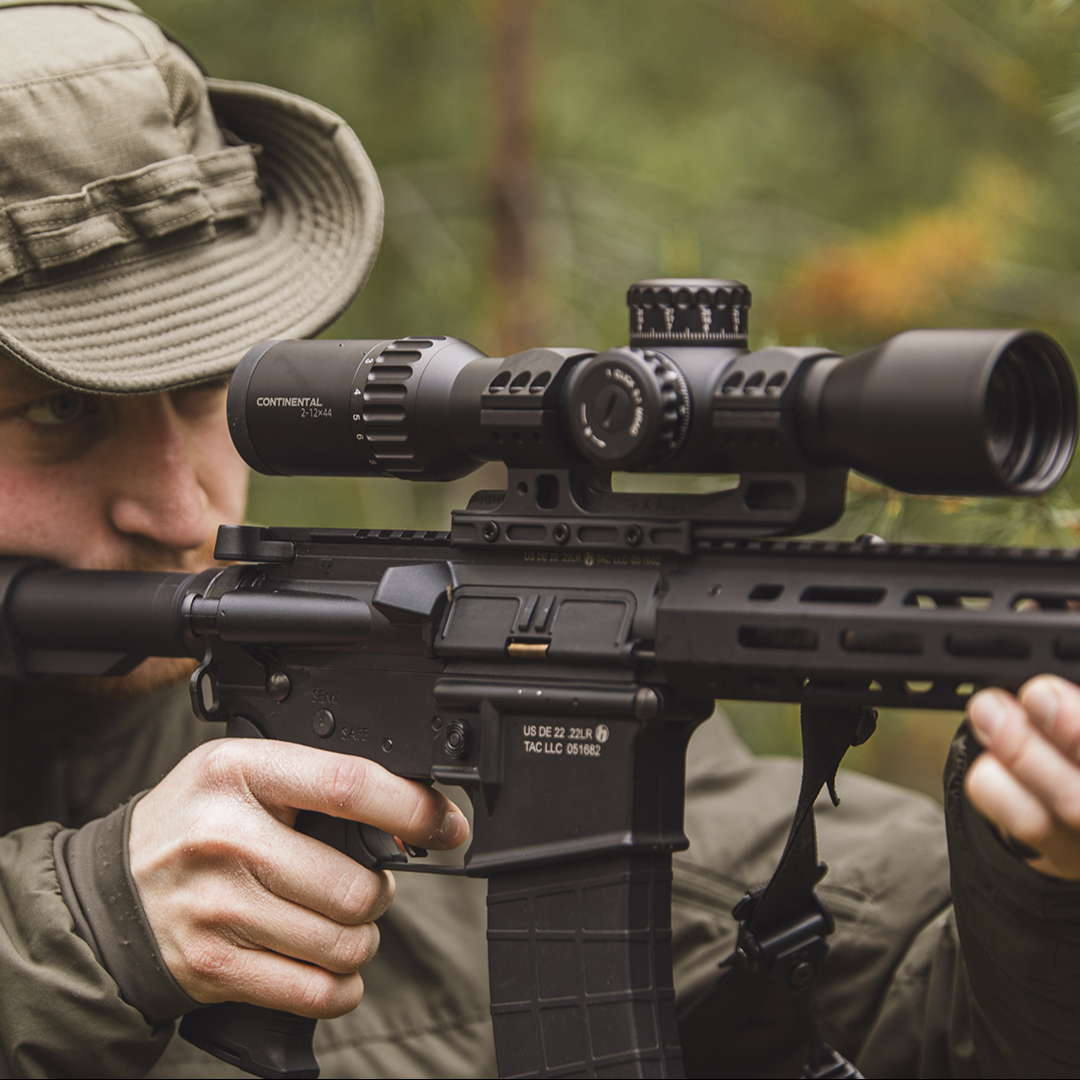
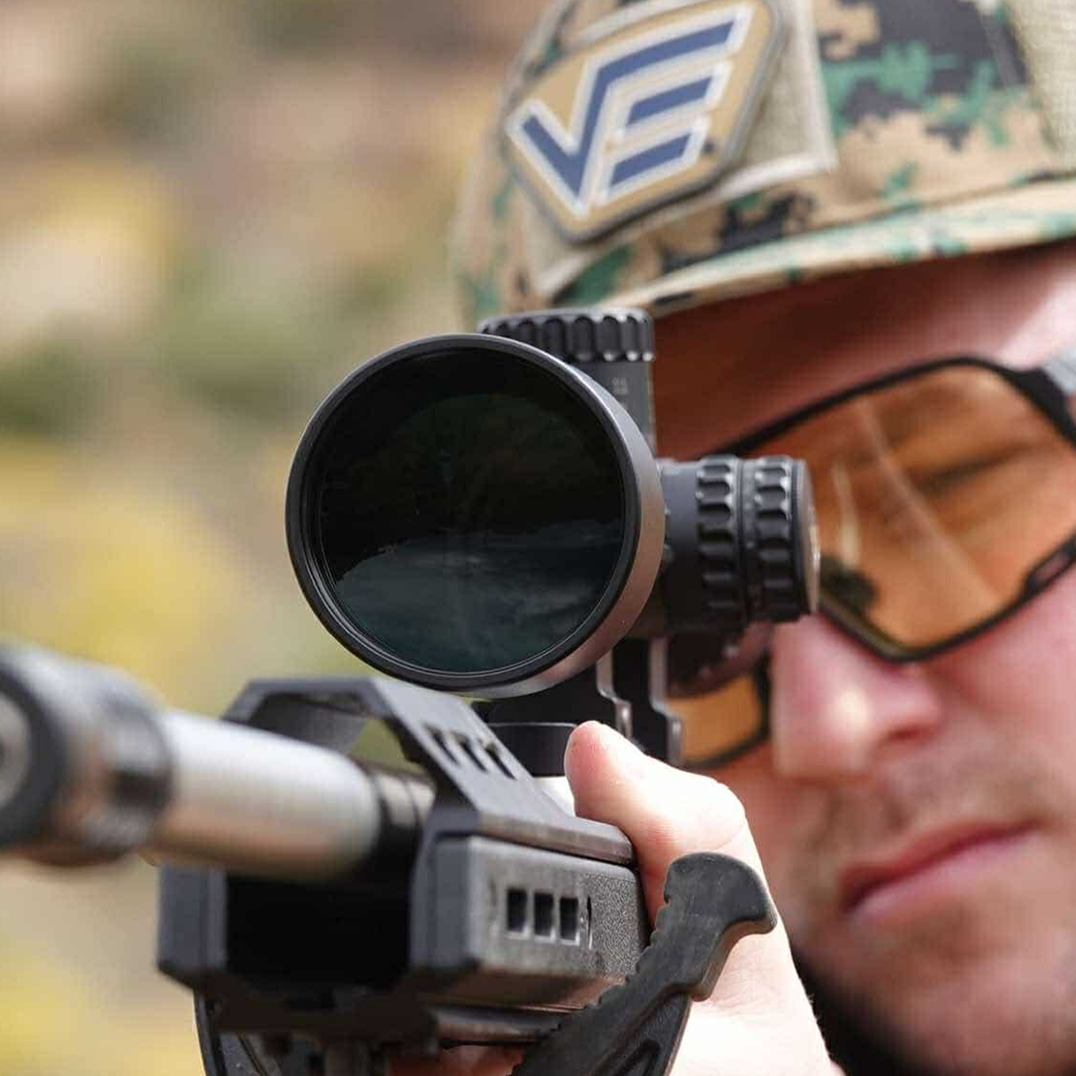
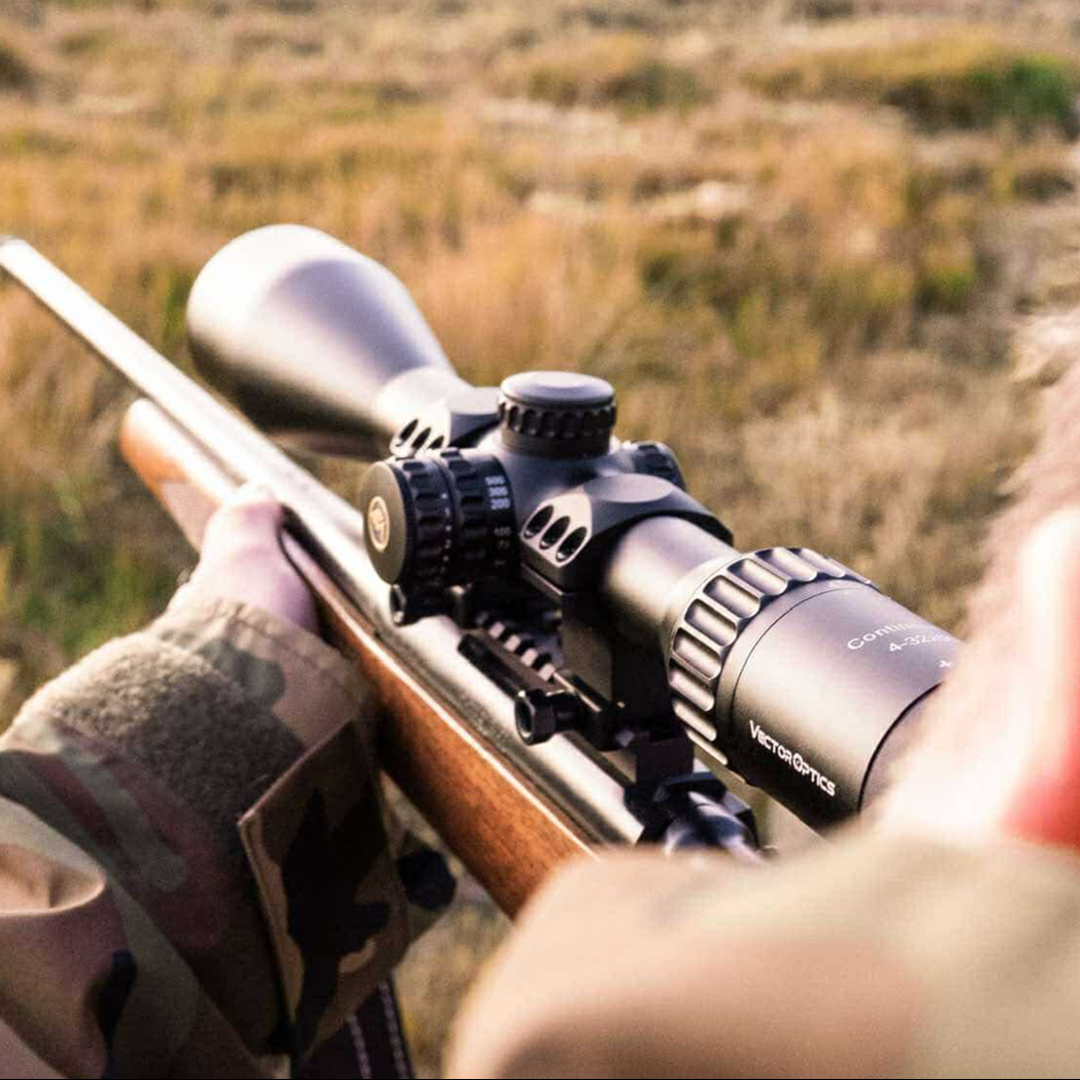
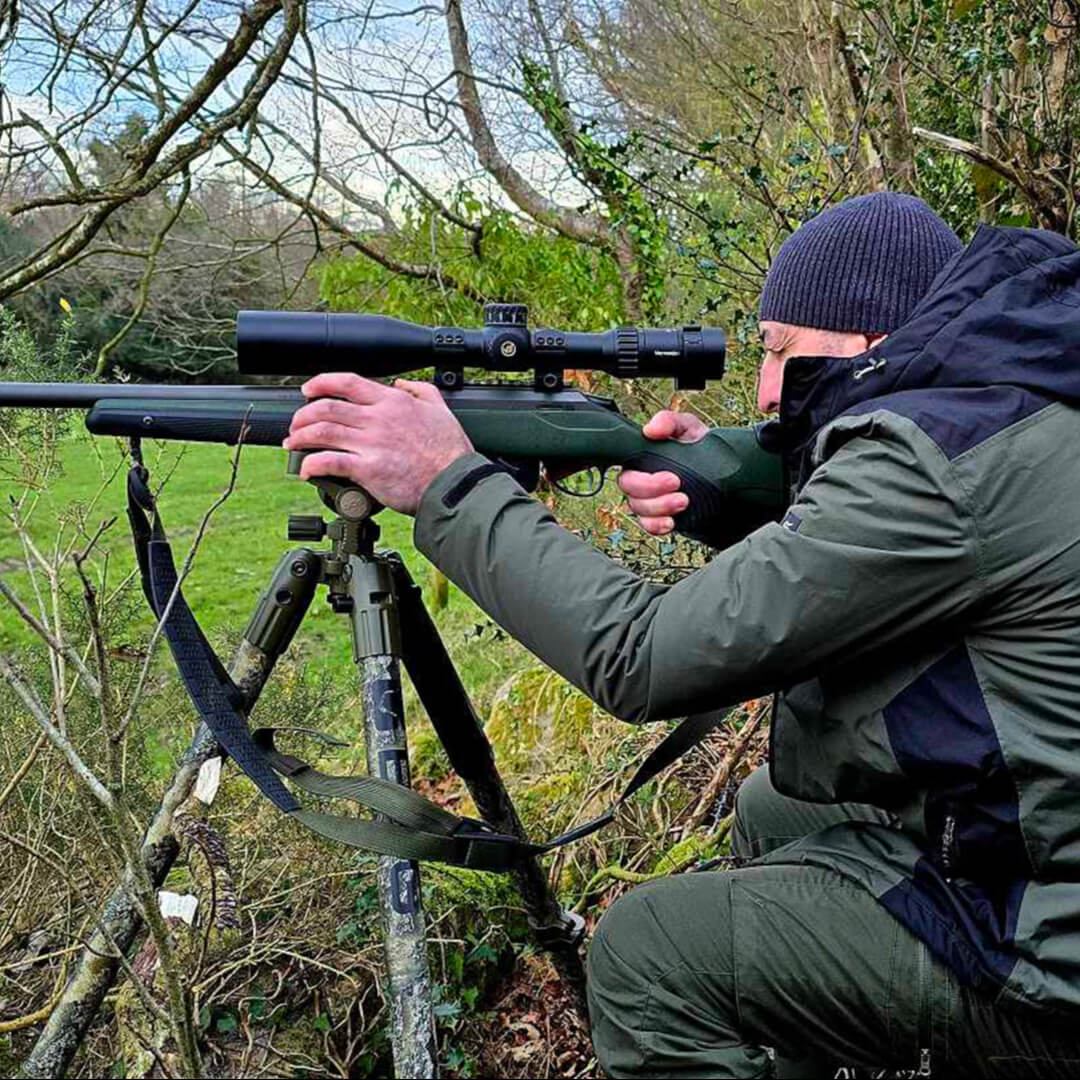
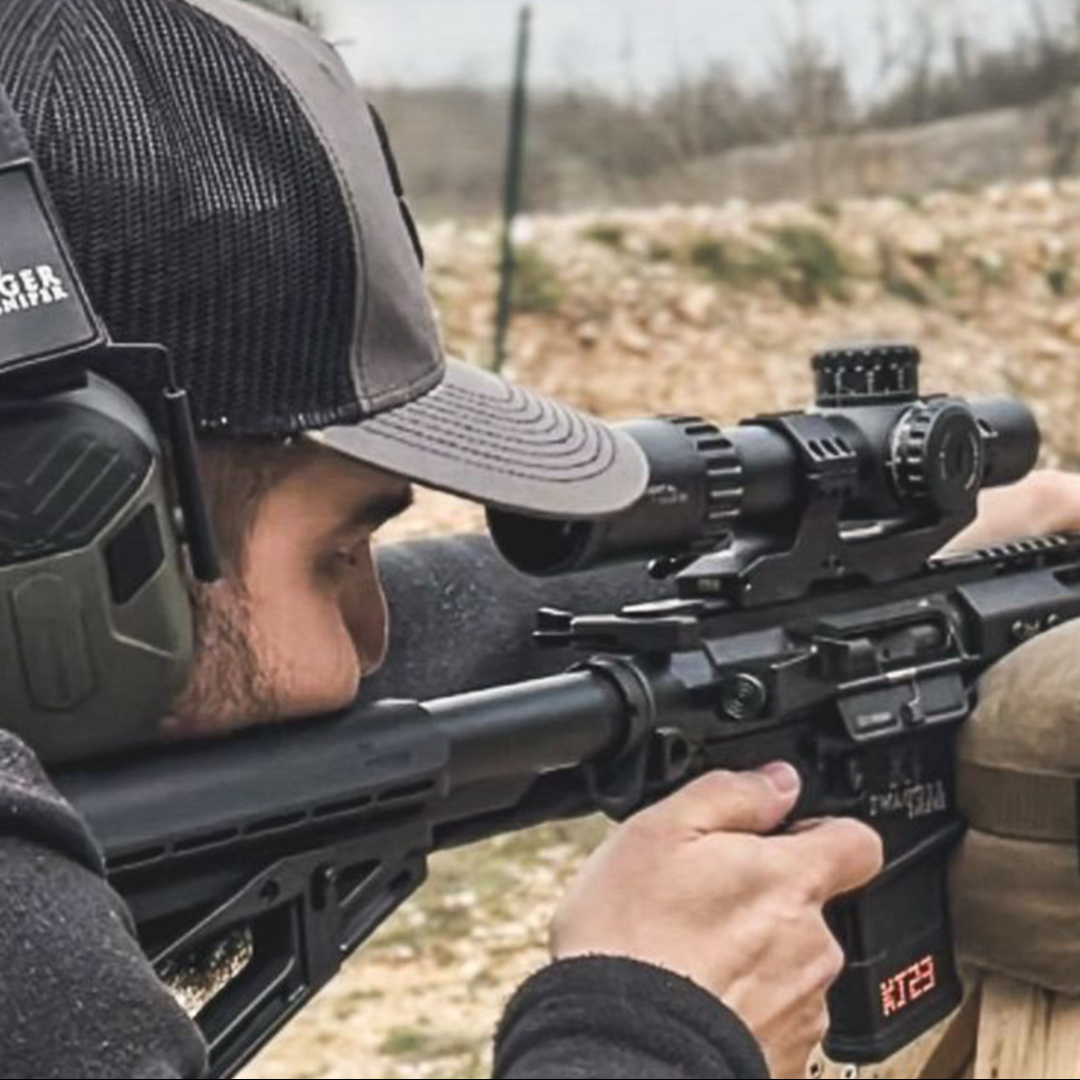
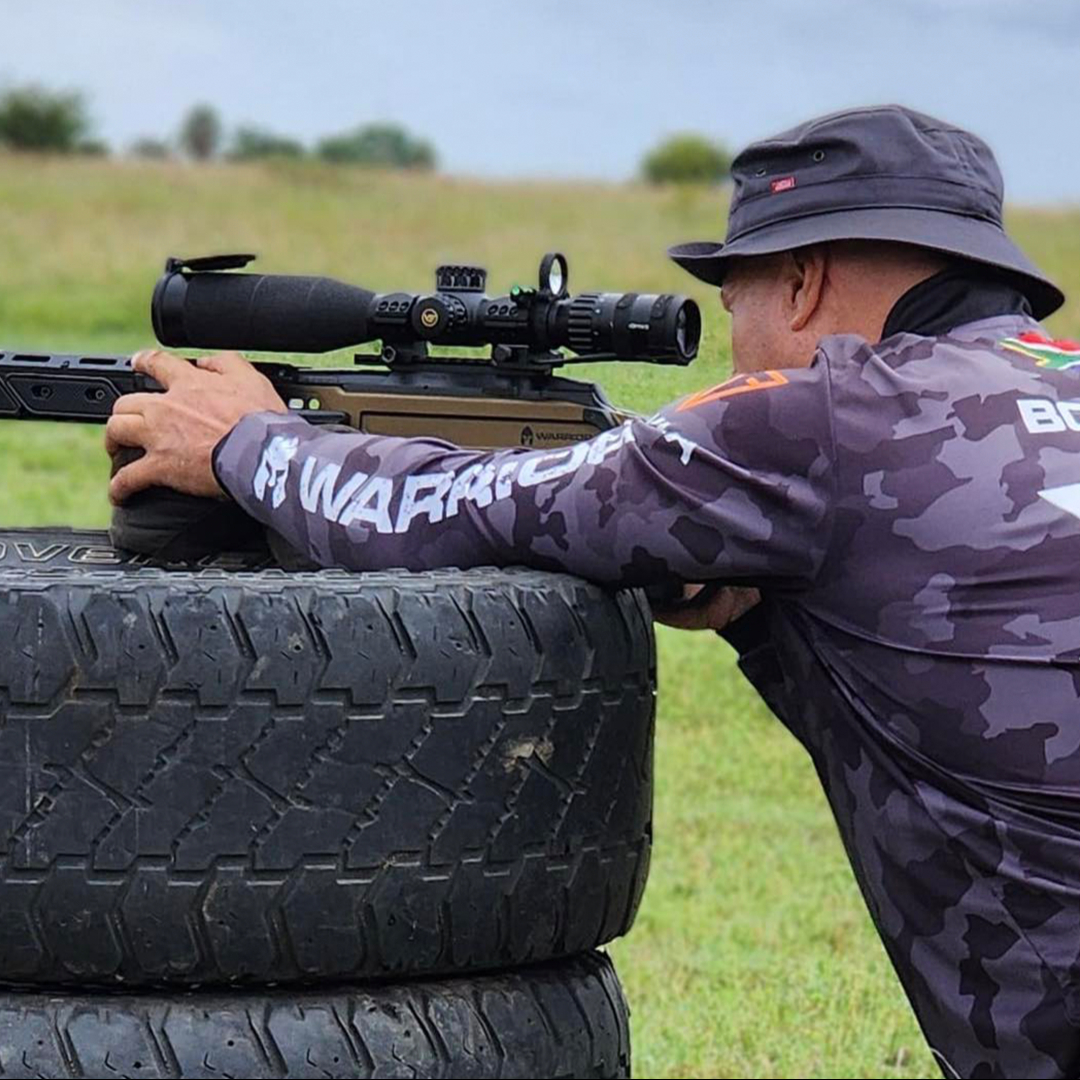
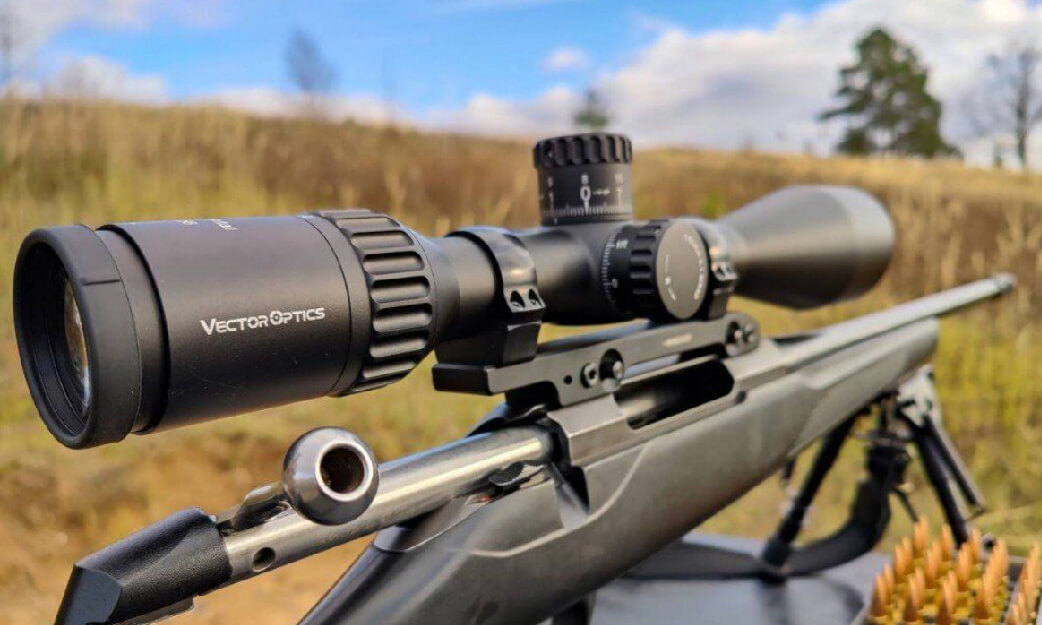
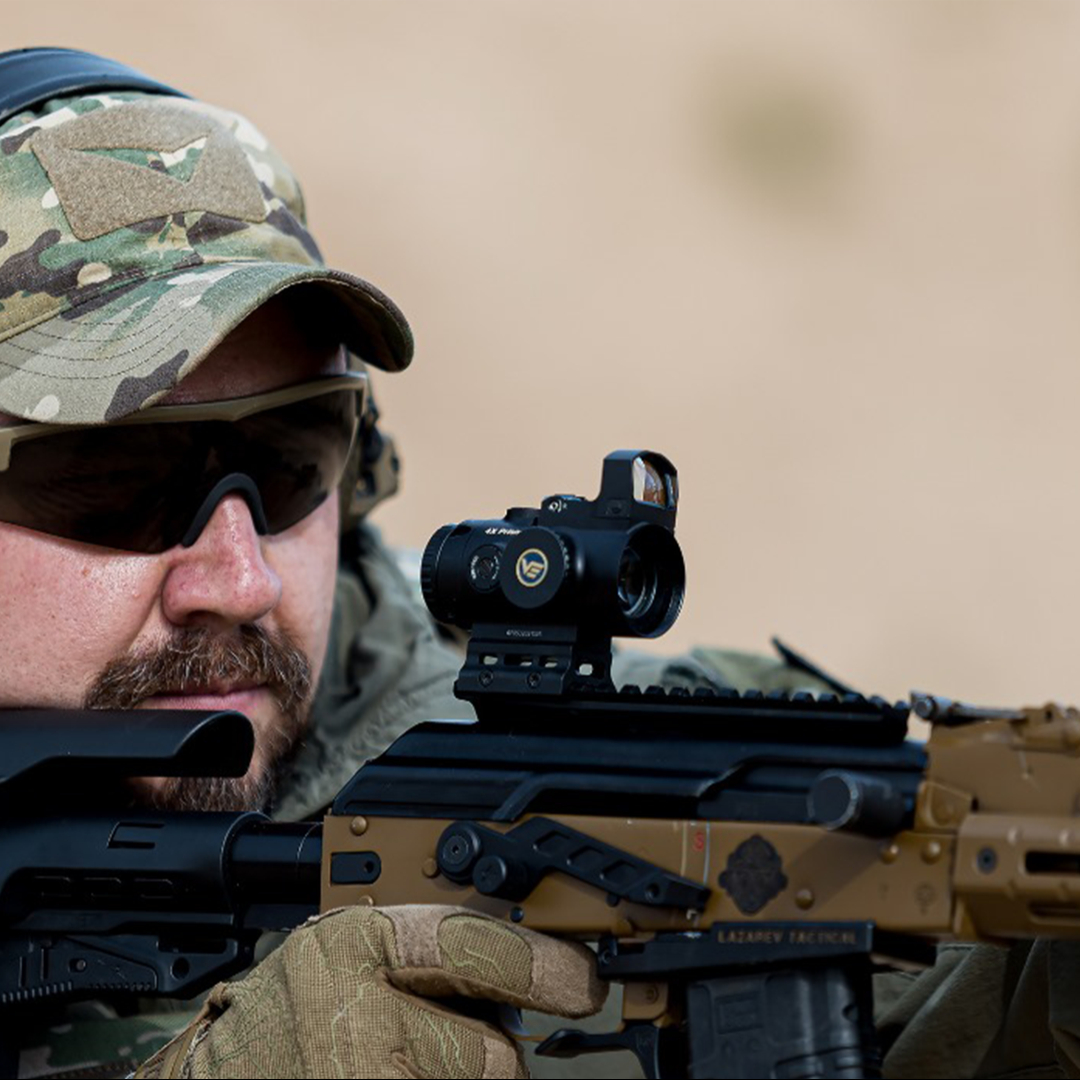
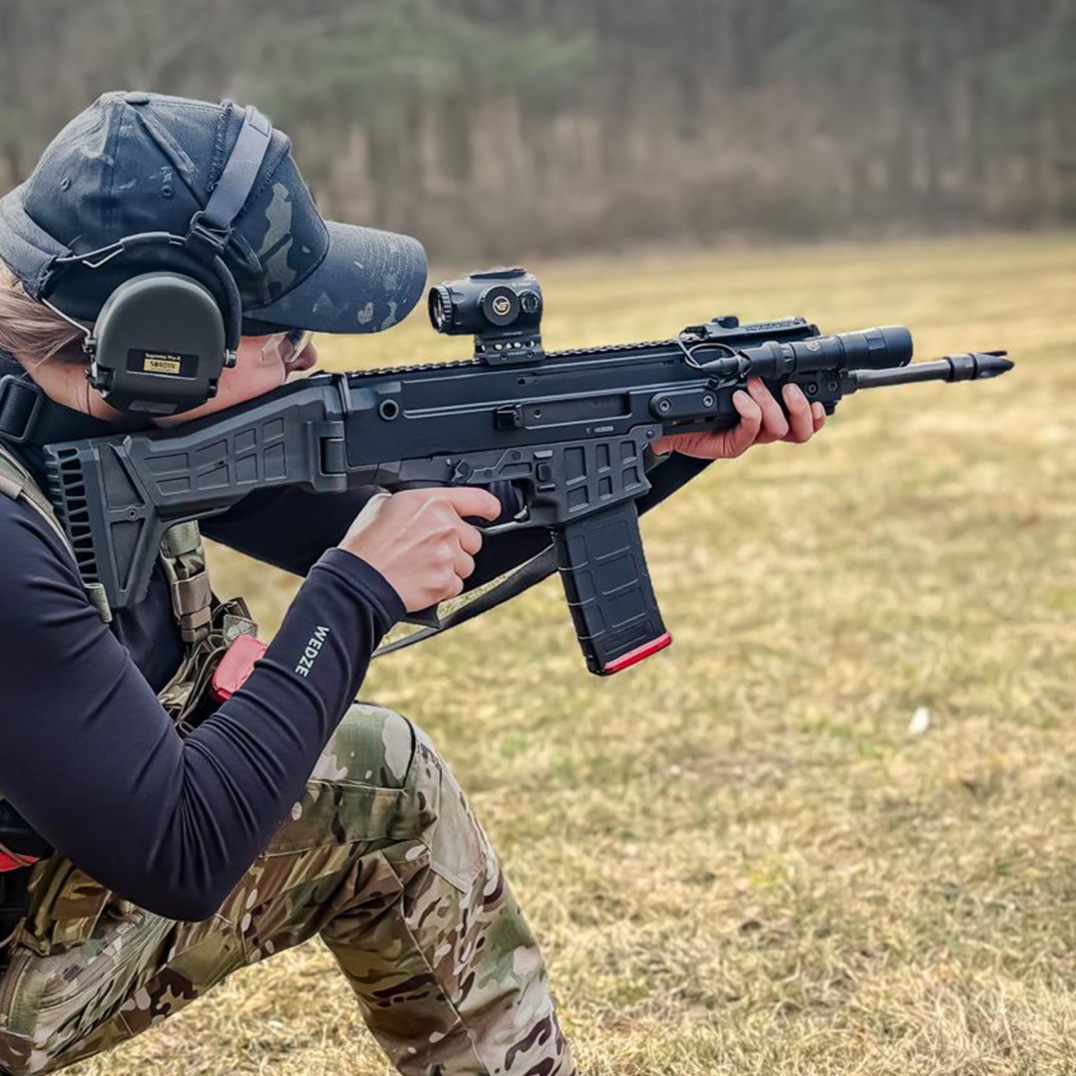
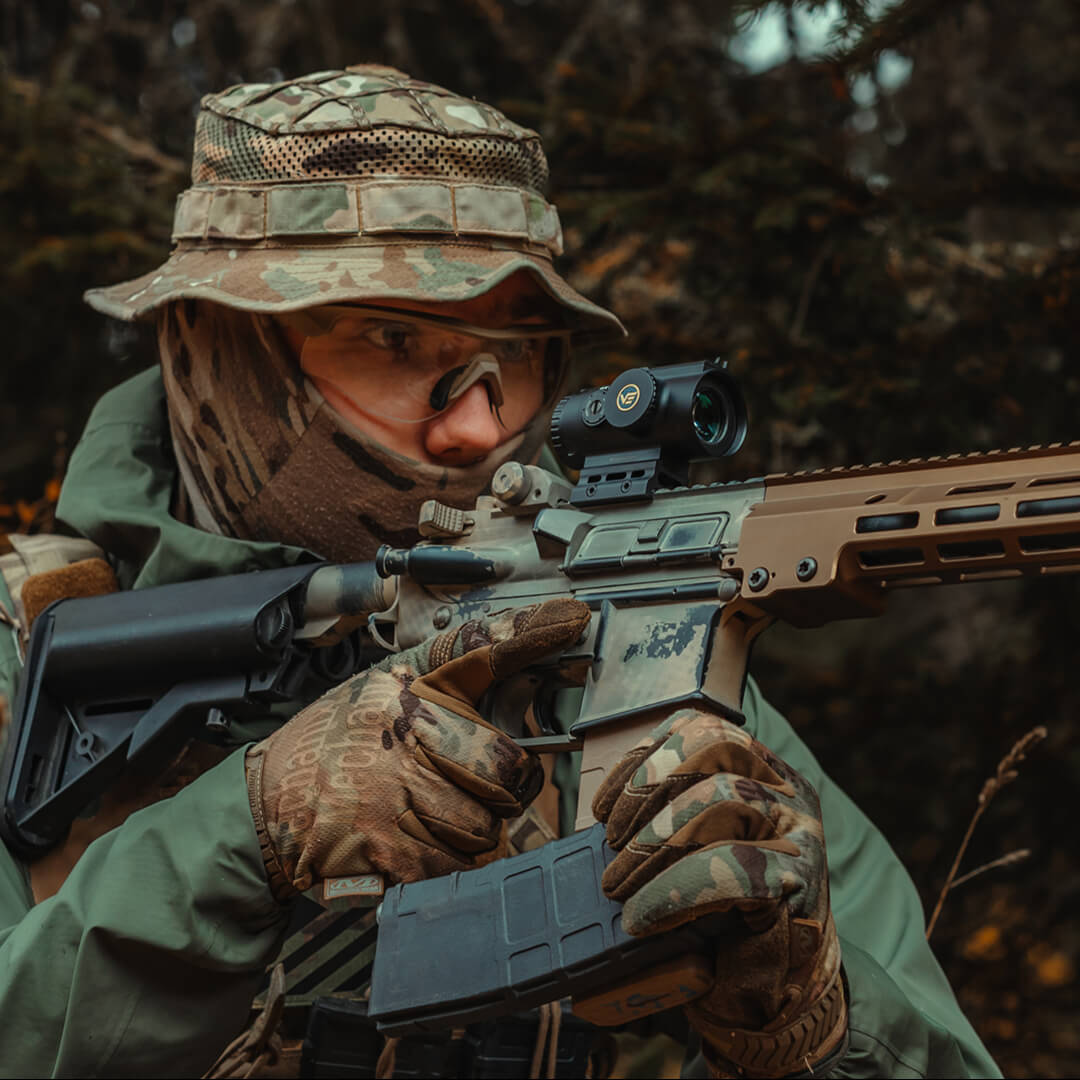
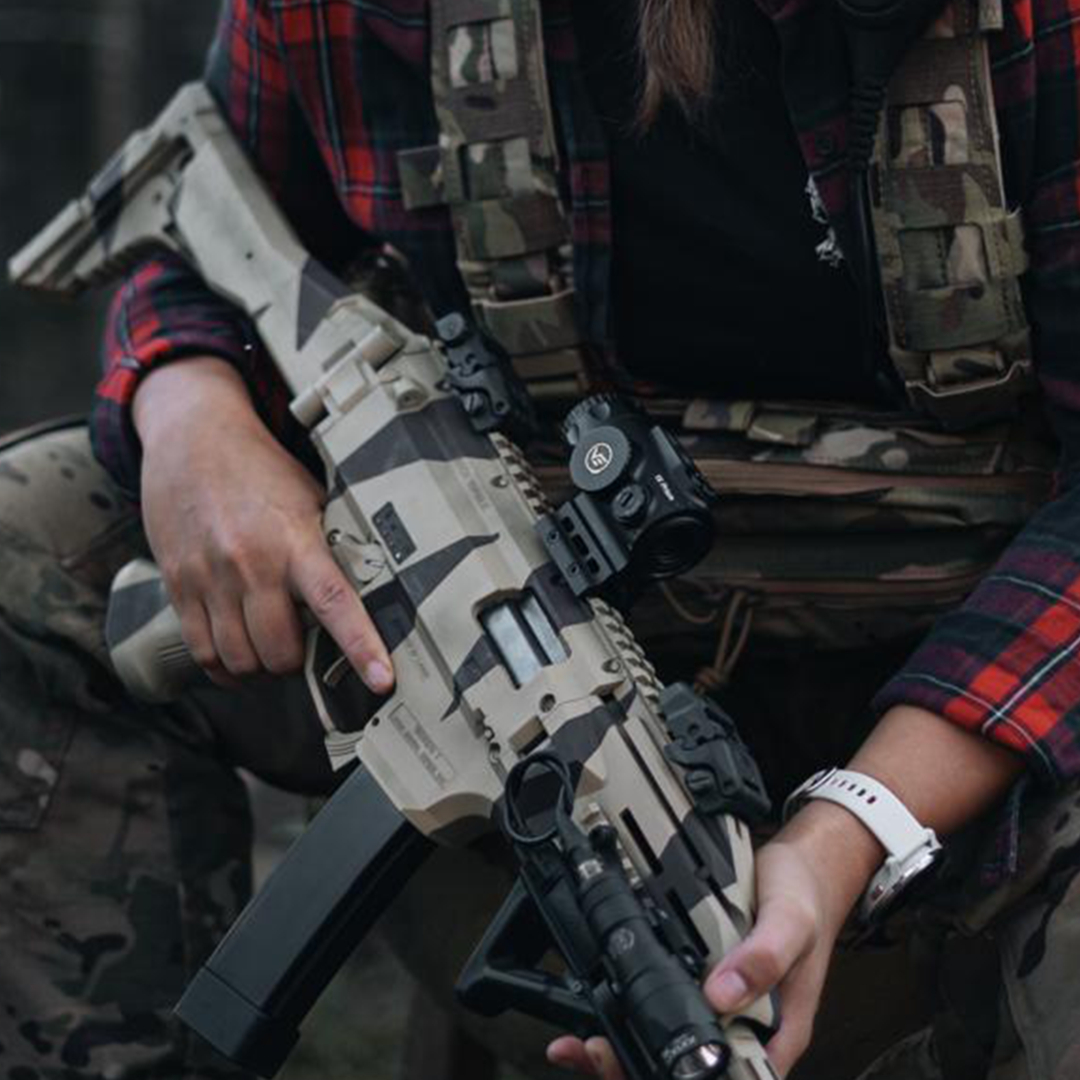
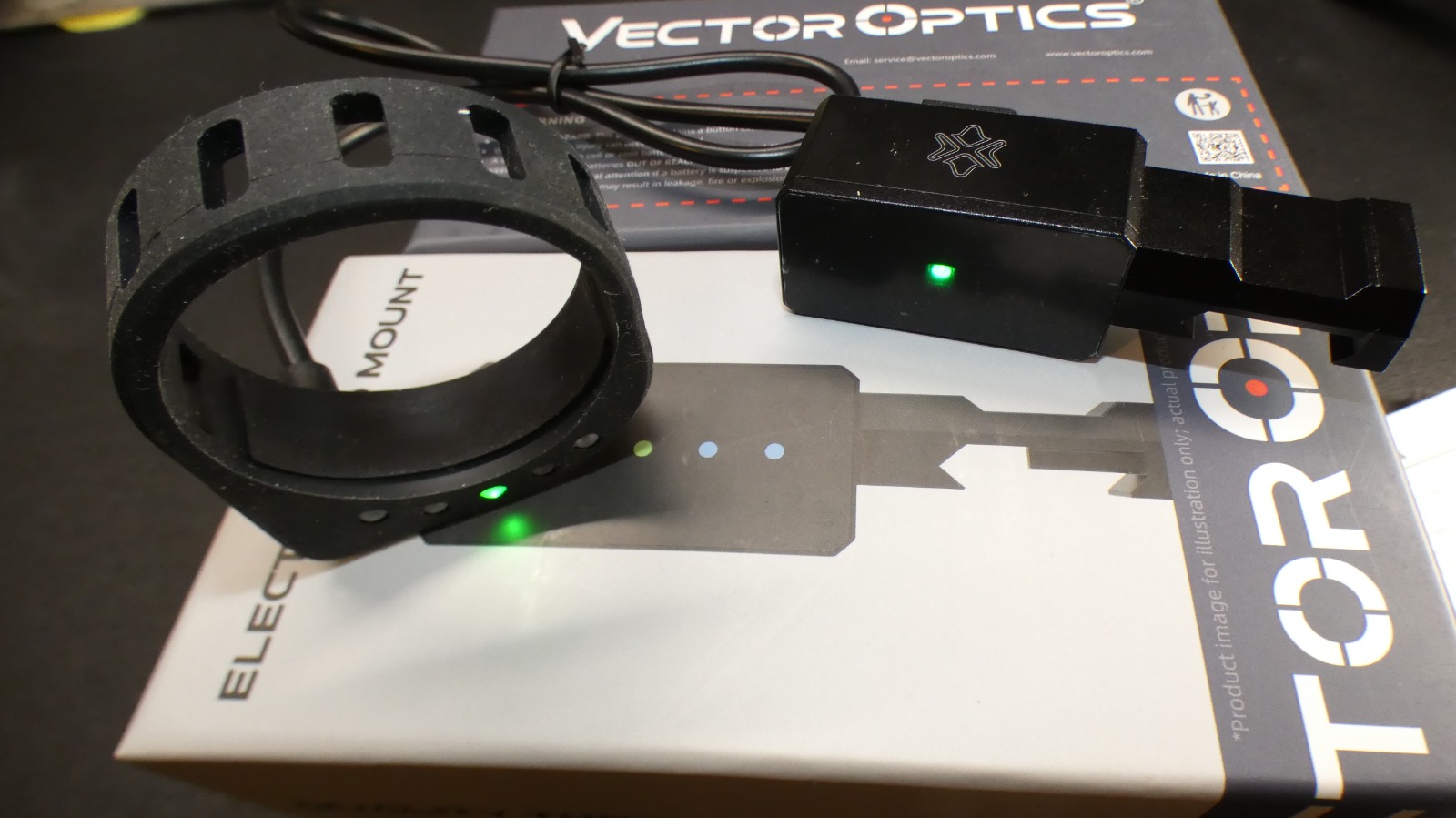
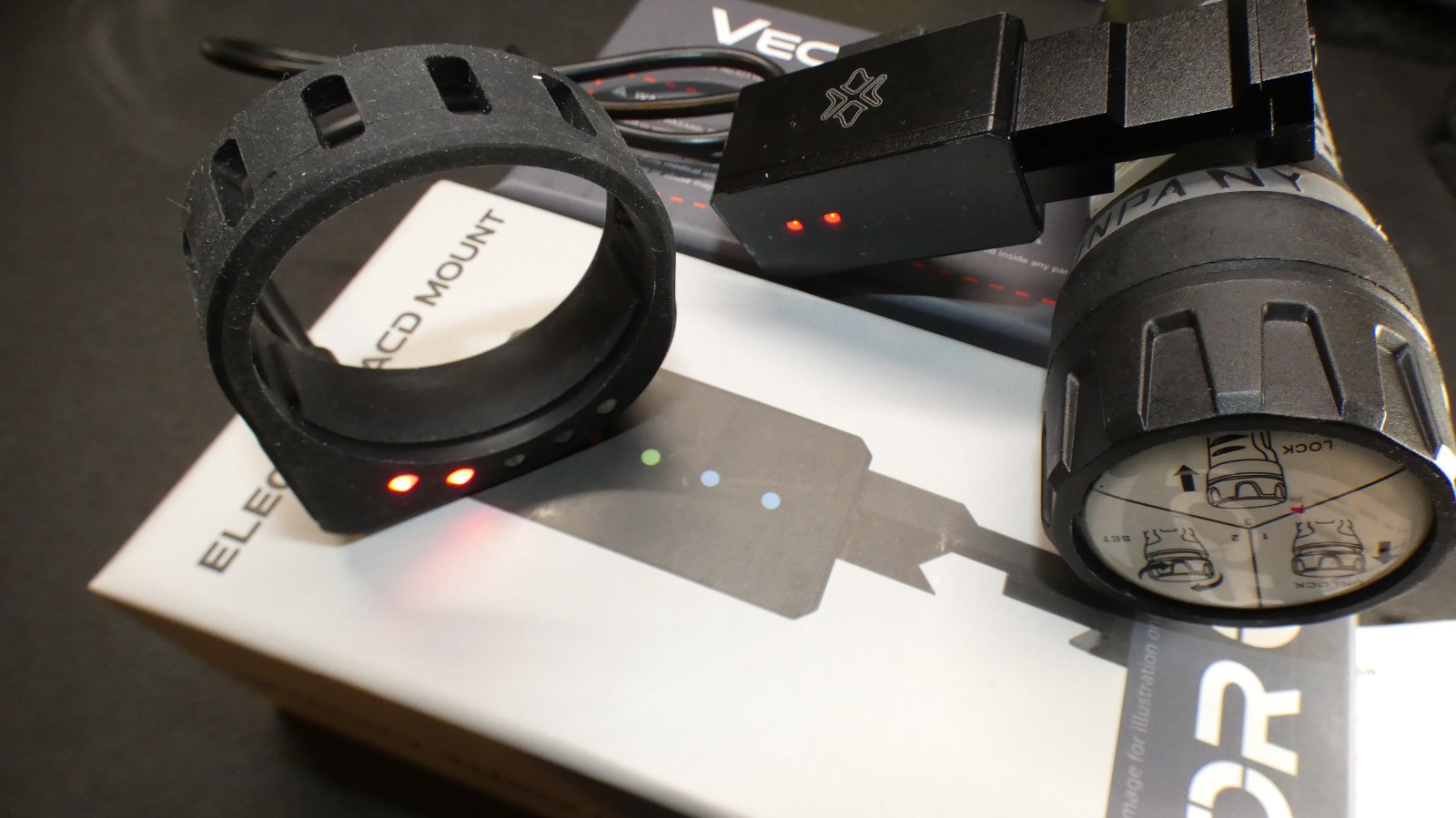
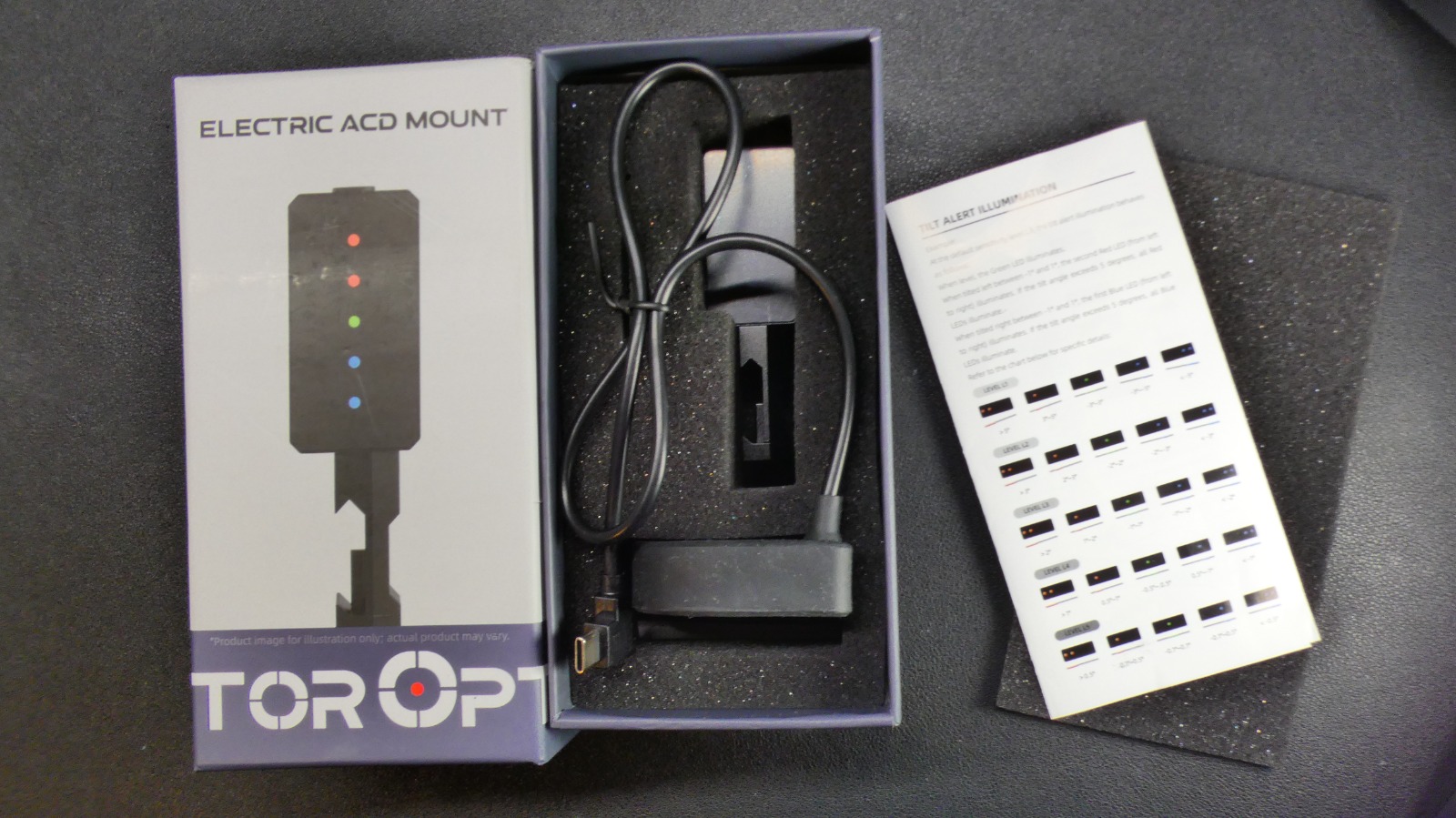
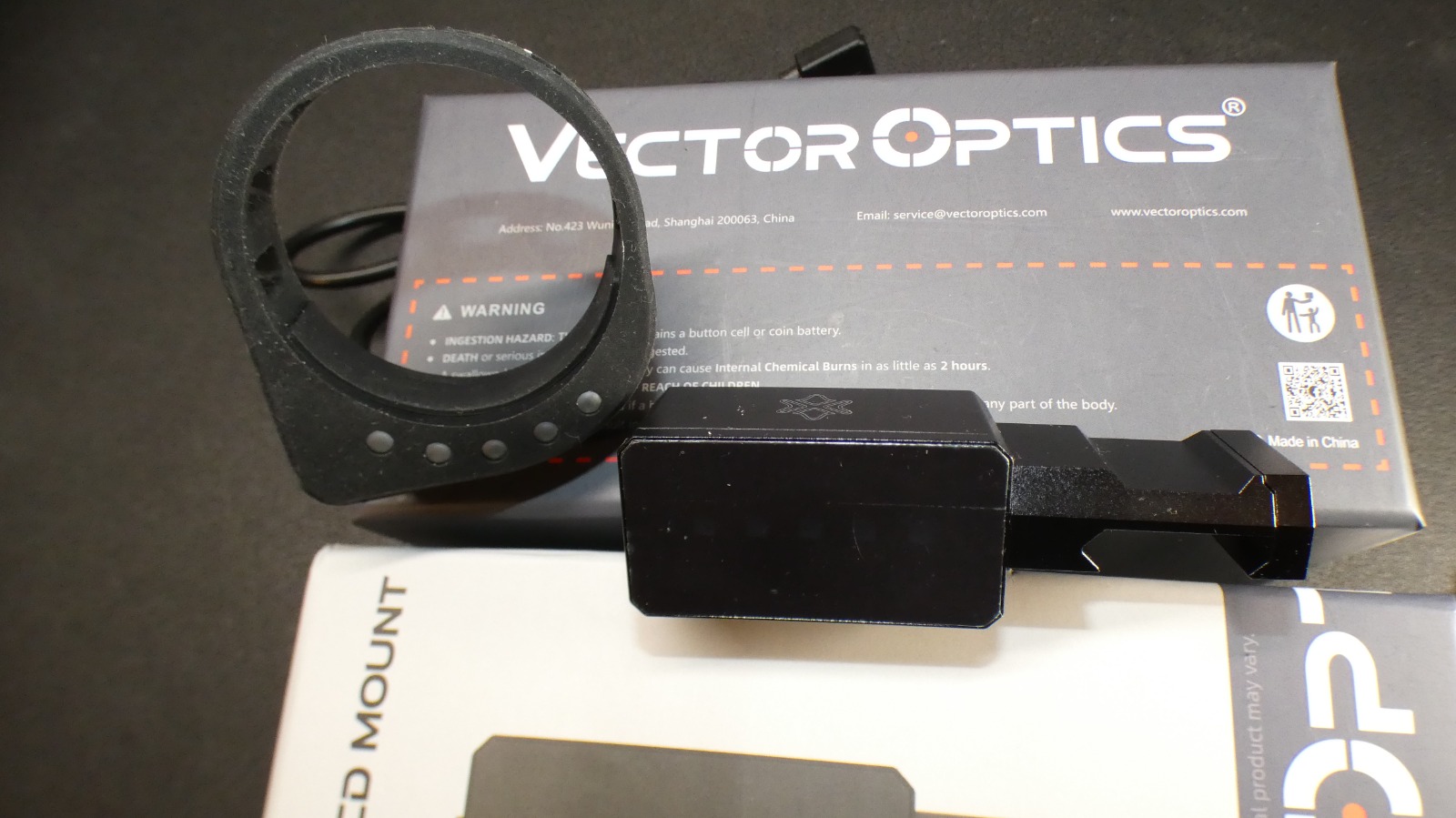
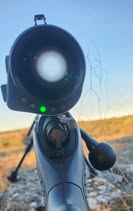
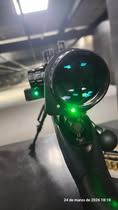
Here I present my review of the electronic canting level after using it both on the range and in the field, with the aim of providing as realistic a view as possible based on direct hands-on experience. This is a completely impartial assessment, focused on how the product performs under real shooting conditions, without going into commercial or brand-related aspects.
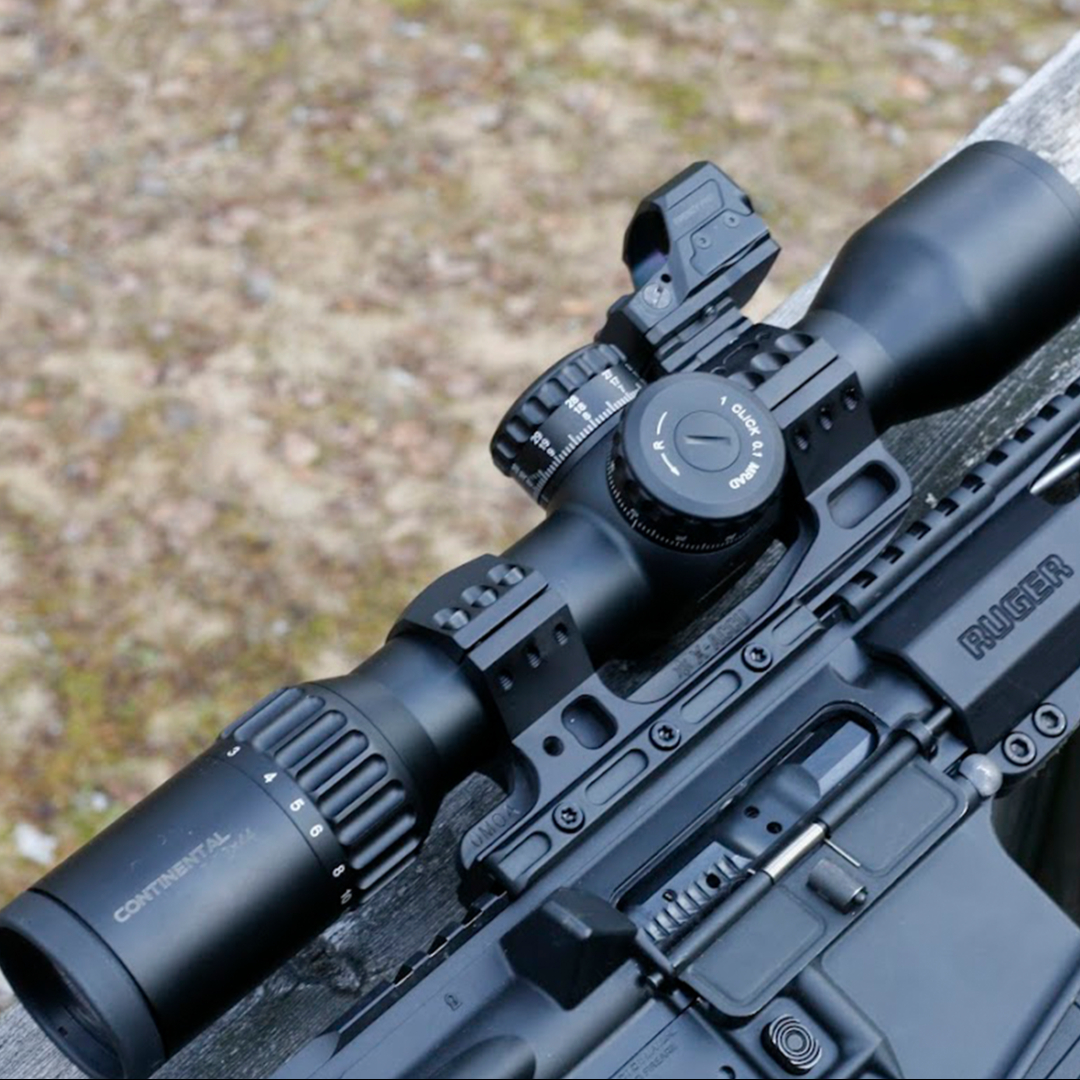
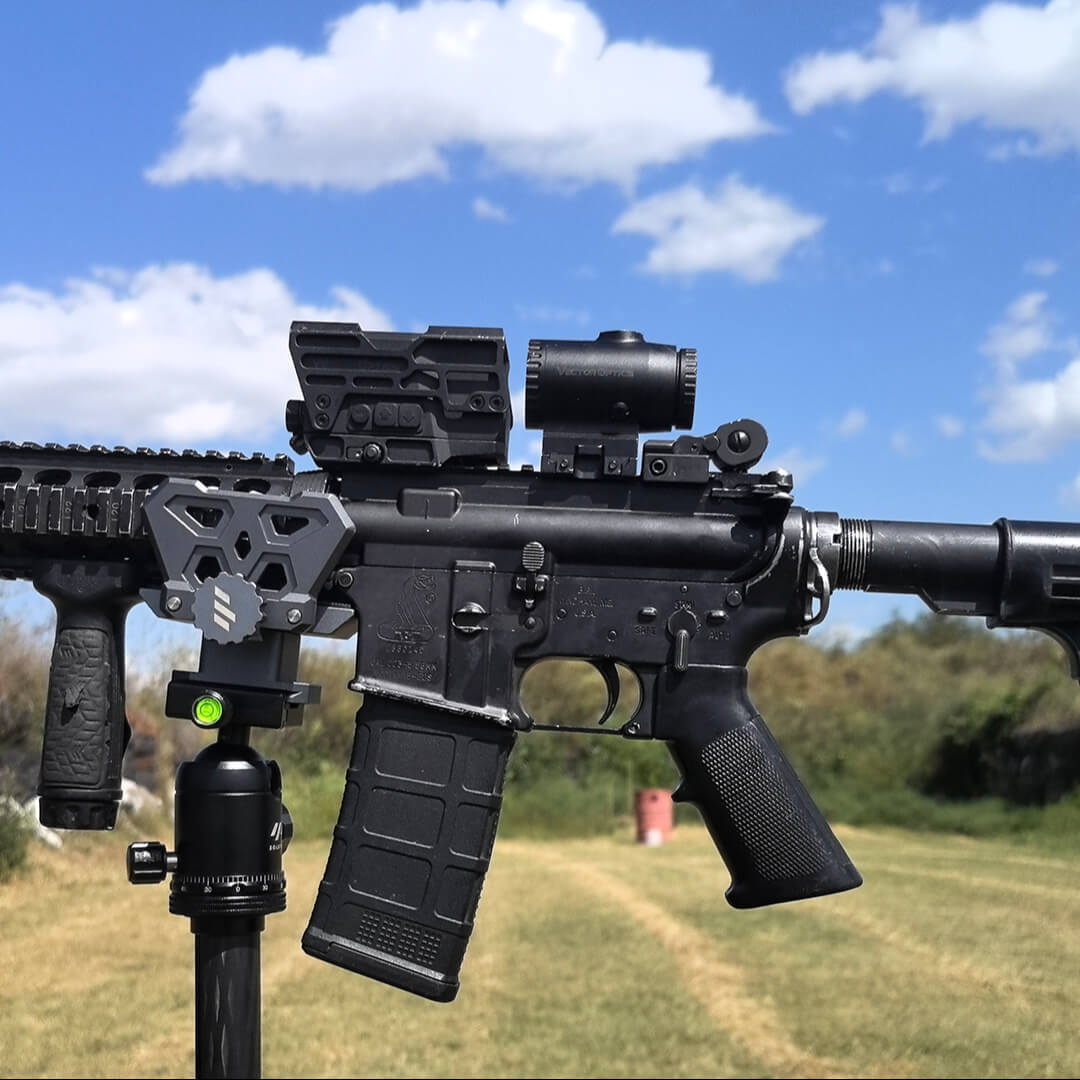
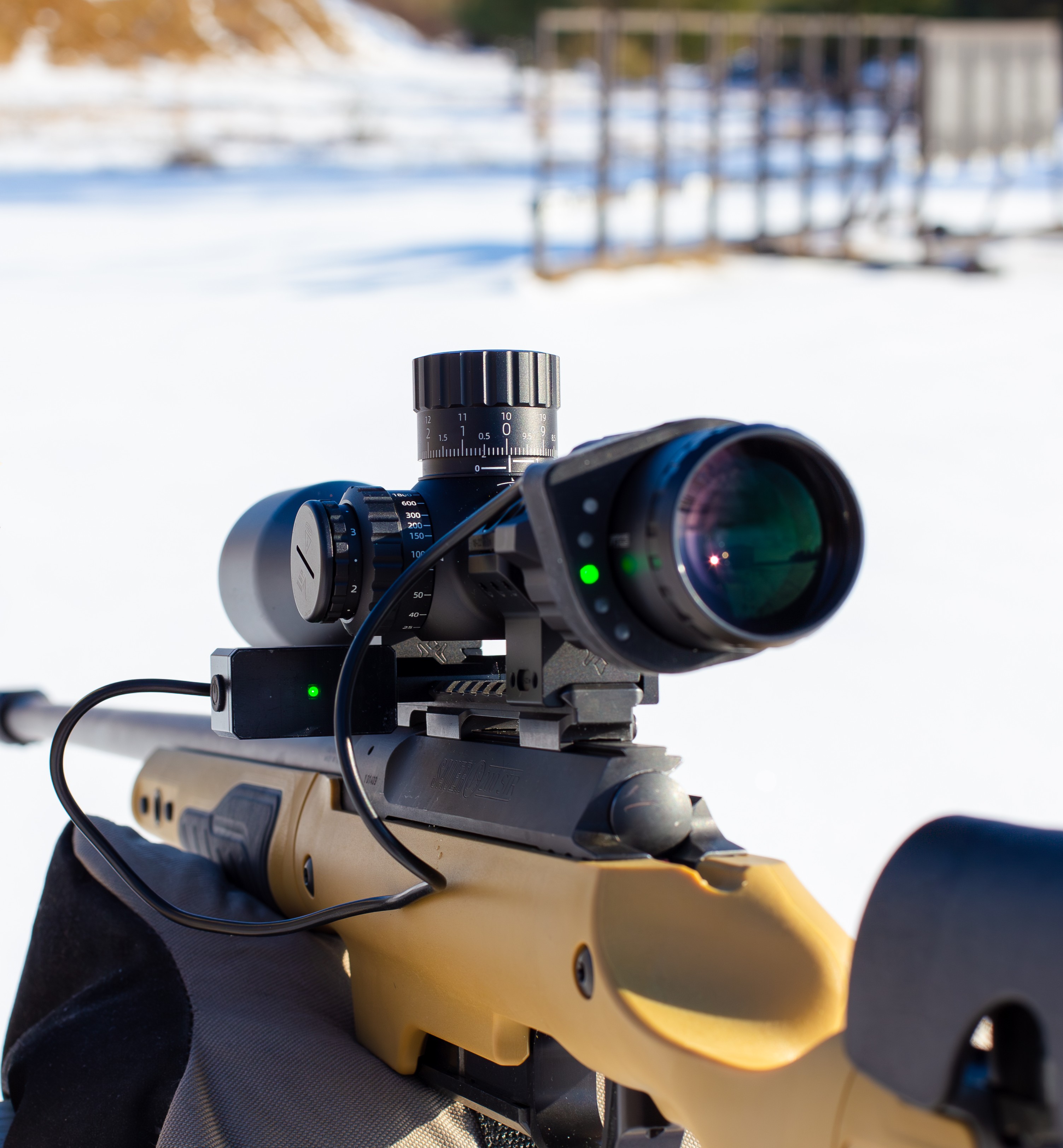
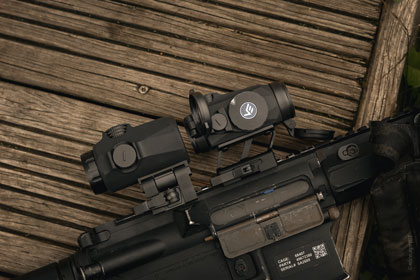
In terms of mounting, being able to attach it directly to the Picatinny rail is, in my opinion, a success, as it ensures the level is properly aligned with the rifle and works fully in sync with it. In setups with monoblock rings such as the X-Accu 34mm Medium Profile One Piece Picatinny Mount (SCTM-60), the option of adding a top Picatinny adapter, like the one from the 34mm X-ACCU Mount Assembly Kit (XASR-A01), makes it quite versatile.
The eyepiece section, with its silicone-type rubber, fits well and allows you to position the indicator wherever it feels most comfortable depending on your shooting position.
The single-button system is simple and can even be used with gloves. That said, a second button might help when navigating through options or confirming settings, especially at the beginning. Once you get used to the press timing, it becomes straightforward.
The auto-levelling works well, but there is a detail not mentioned in the instructions: if you hold the button while switching it on, it calibrates based on the current inclination. This can be useful in certain situations, but if you’re not aware of it, it can lead to confusion.
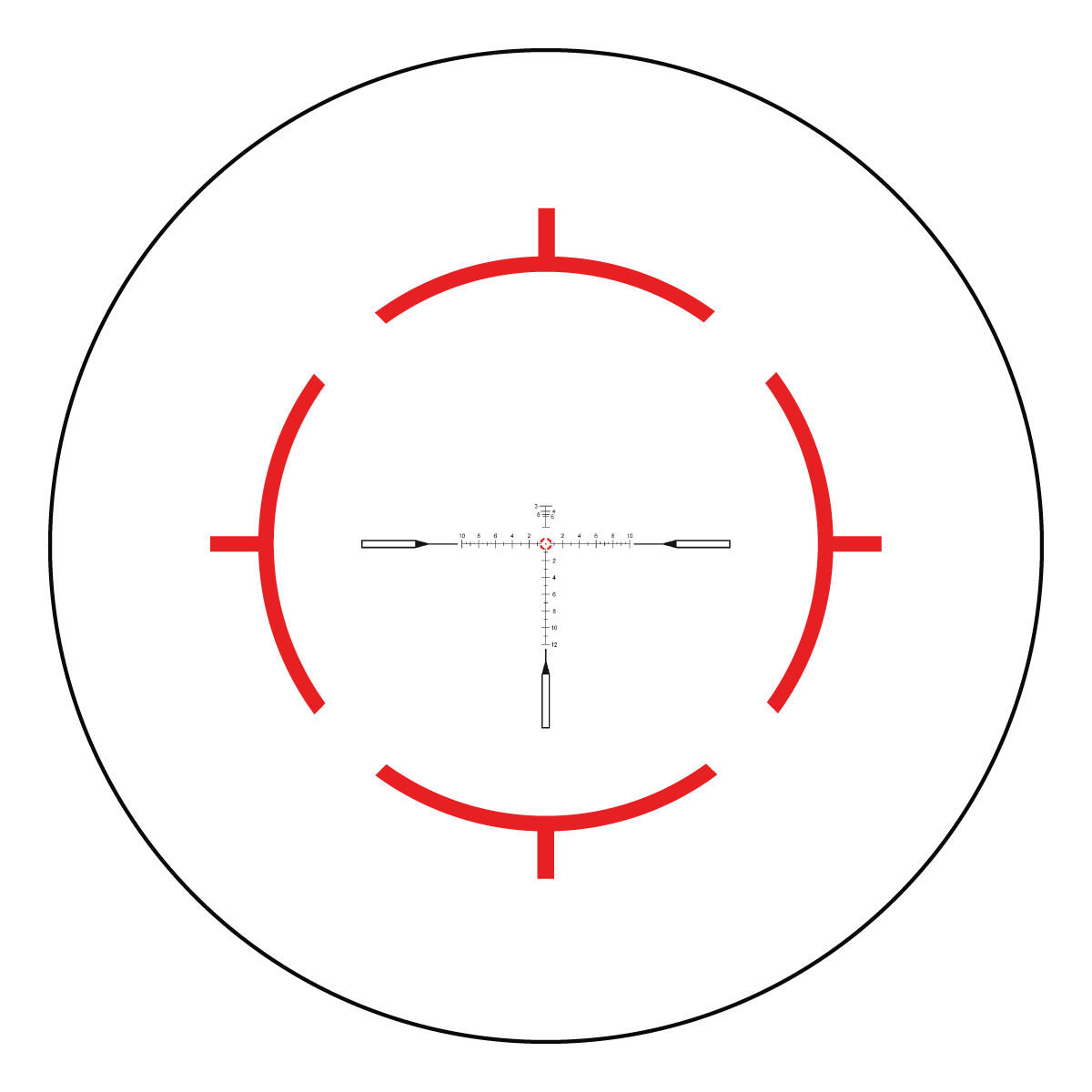
The illumination offers 3 levels and performs well. It is clearly visible both on the range and outdoors, even in good daylight conditions.
As for sensitivity, the 5 levels are well designed. For general use such as hunting or mid-range shooting, level L3 is more than enough. For longer distances, it makes sense to go up to L4 or L5 to fine-tune cant control more precisely.
USB-C charging is very convenient. In the field, with continuous use throughout the day, it has easily lasted a full day without issues. The automatic shut-off when no movement is detected also helps significantly extend battery life. For a typical PRS-style day, it is more than sufficient.
As a detail to keep in mind, after a few days without turning it on or using it, even though it still had remaining battery beforehand, I found it completely drained, which required a full recharge. It’s worth considering before heading out so you don’t rely on it and end up without power.
The size is probably the most debatable aspect. It sticks out more than other levels on the market and can feel a bit bulky. On the positive side, this size makes the LEDs very easy to read without effort. It also allows mounting even on low scope setups, which is not always possible with other systems. In my case, with low rings, I had no issues.
An interesting point is that it can be used by both right- and left-handed shooters simply by reversing the display position. The eyepiece display works perfectly in both configurations.
The ocular indicator works very well: it has a good tactile feel and allows you to check cant without lifting your head off the stock, which is something you really appreciate in real use.
As an improvement, it could be interesting if the unit could fold or be made more compact for transport. The cable is long enough to position it wherever you want, but in the field it can end up a bit exposed, and the overall size can also make storage in a rifle case slightly less convenient.
In terms of materials, it gives a solid impression overall. It feels well built and robust. The rail mount is secure as long as proper torque values are respected.
Another point worth mentioning is the comparison with scopes that already include an integrated cant level. This external system has a clear advantage: it is not tied to a specific optic, so it can be used across different rifles and scopes without limitation. In the long run, this also avoids having to upgrade to more expensive optics just to get an integrated level.
In addition, being an independent unit makes battery charging much more accessible via USB-C. The LED system is quick and intuitive to read, more immediate than a bubble level or some internal indicators, and having the display in the eyepiece allows you to check cant without breaking your shooting position.
It also allows you to adjust sensitivity depending on use and distance, and to place the system exactly where it suits your setup best. Overall, it is a much more flexible and adaptable solution than an integrated system, which is always limited by the scope’s internal design.
In general, although it is bulkier than a bubble level and also more expensive, it offers clear advantages. Especially the ability to see and correct cant in real time without changing your shooting position.
After using it, it is hard to go back to a traditional bubble level, which can also shift or lose reference over time.
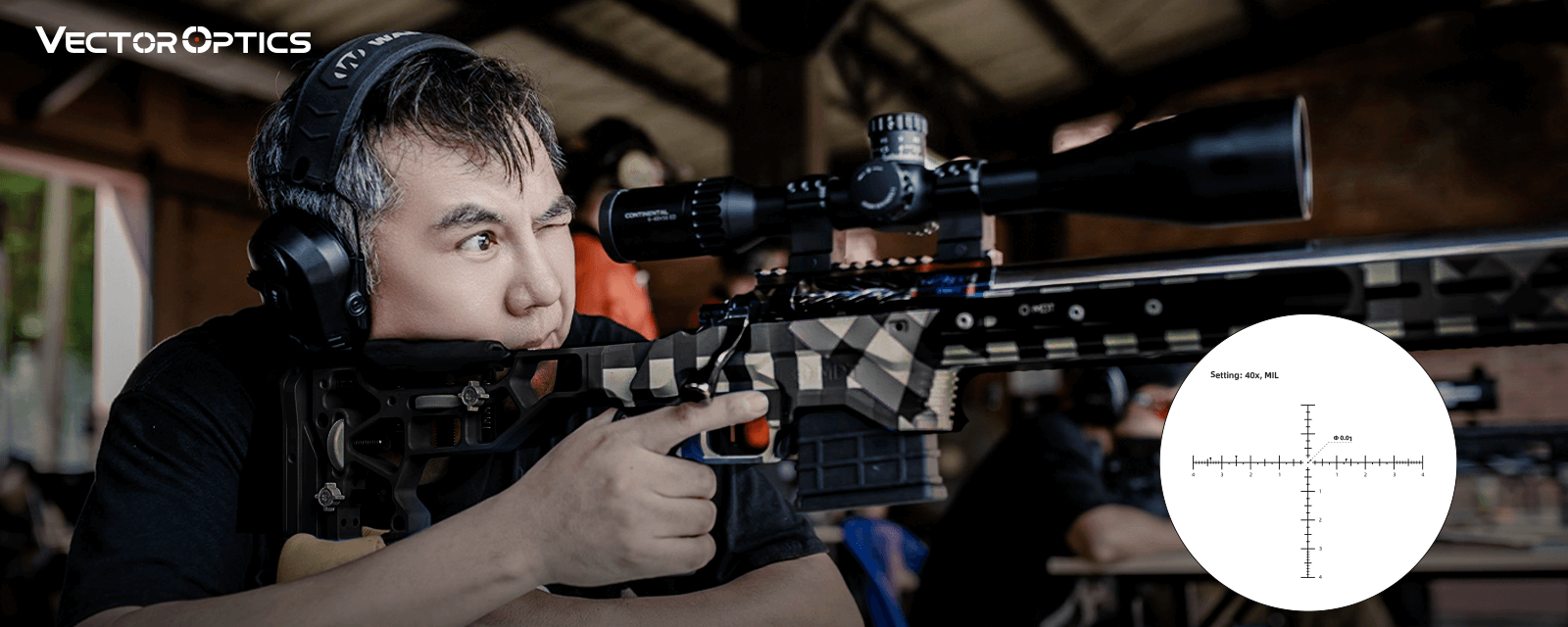
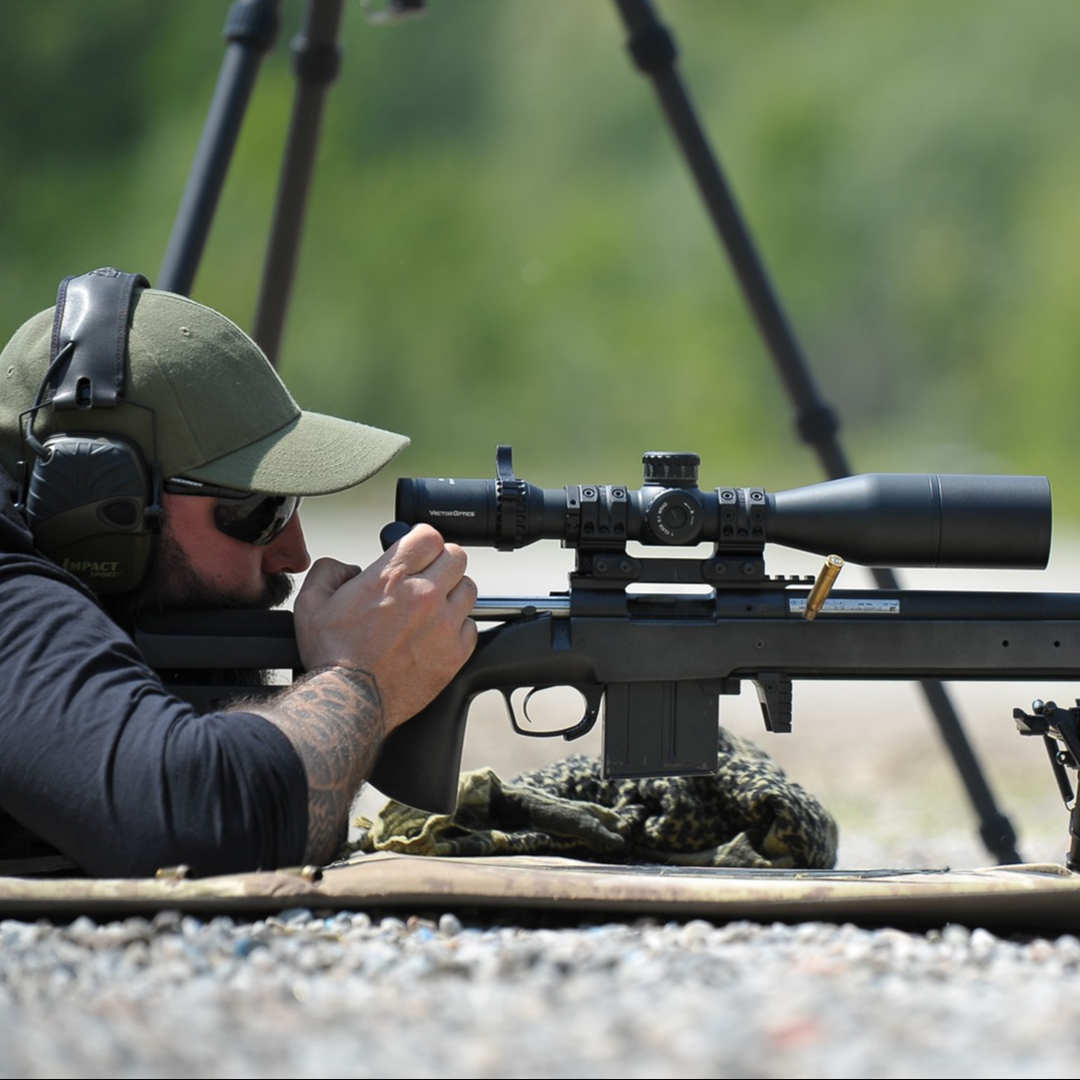
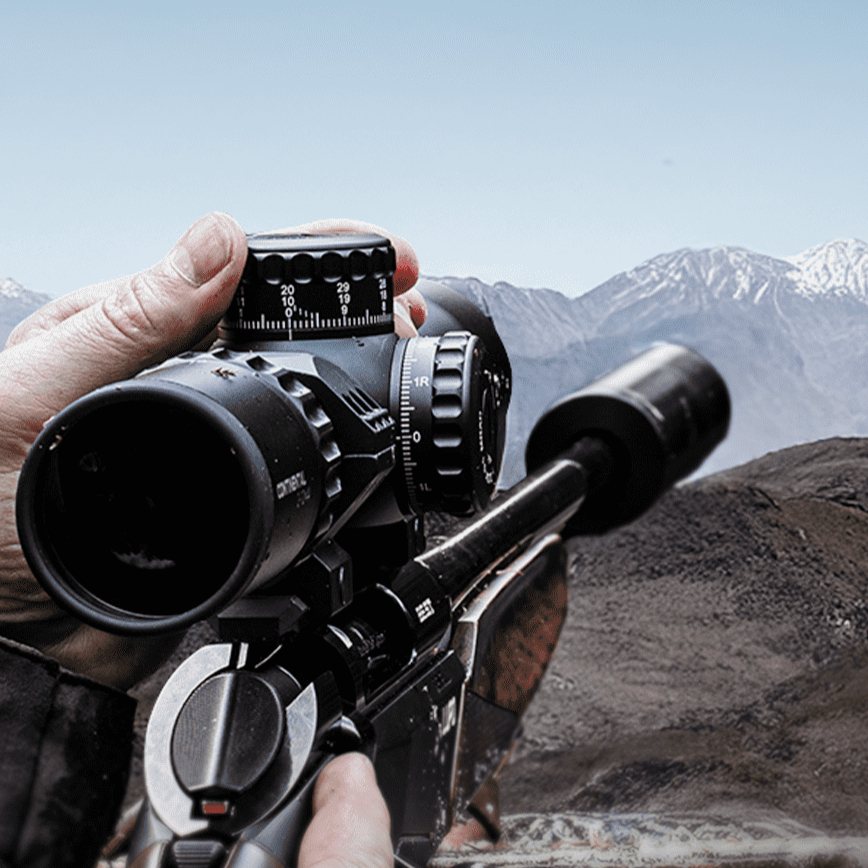
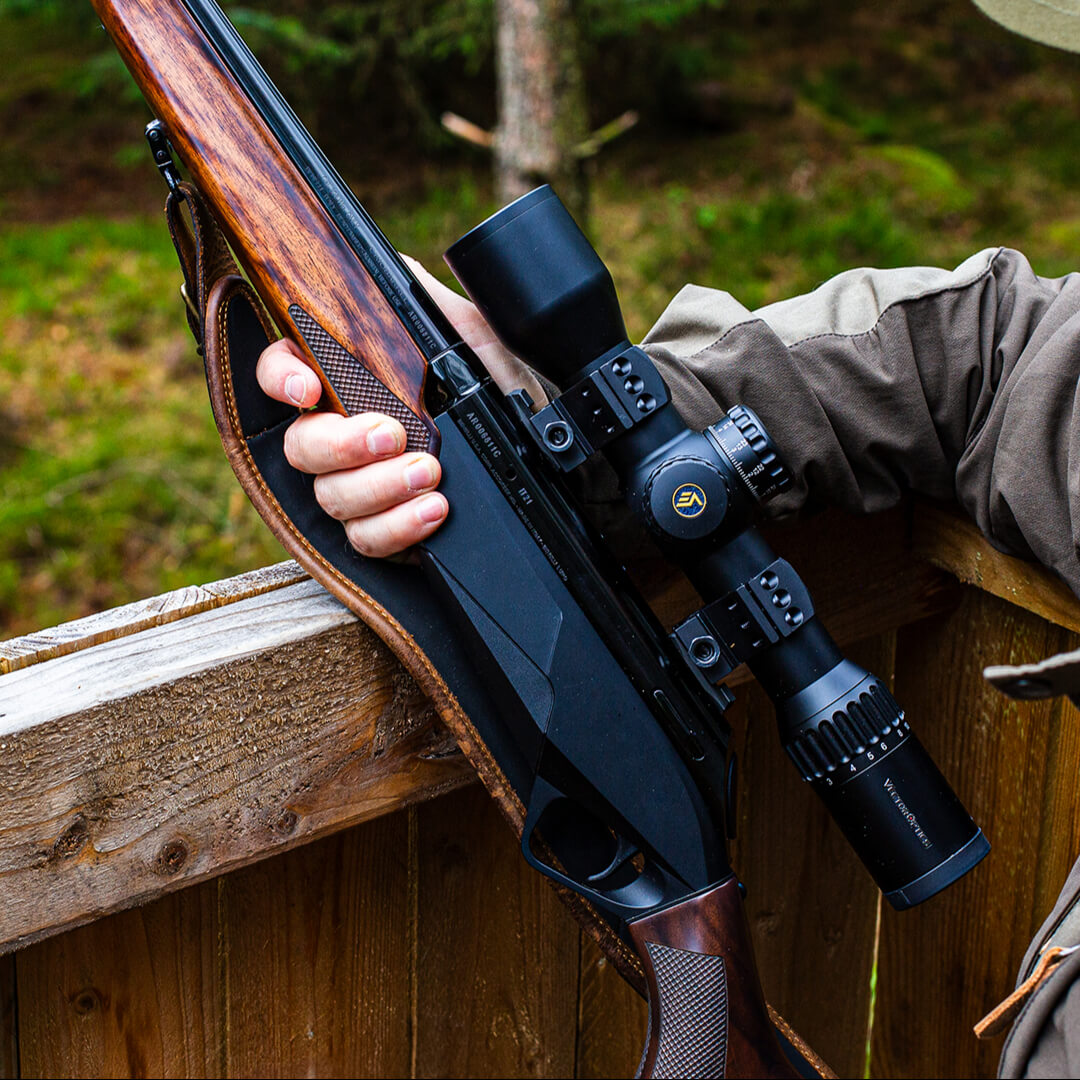
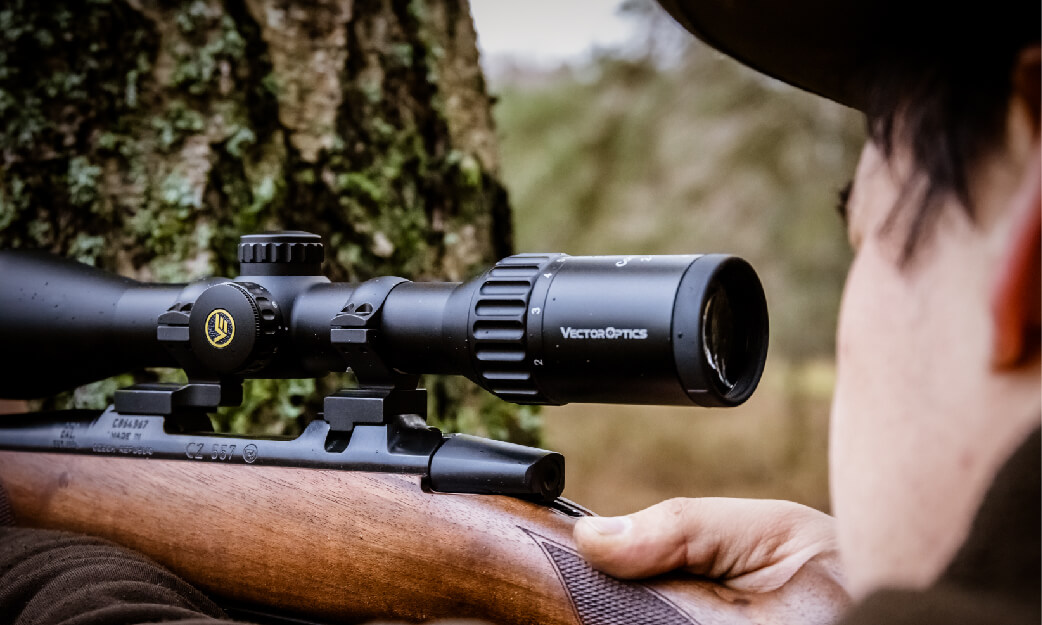
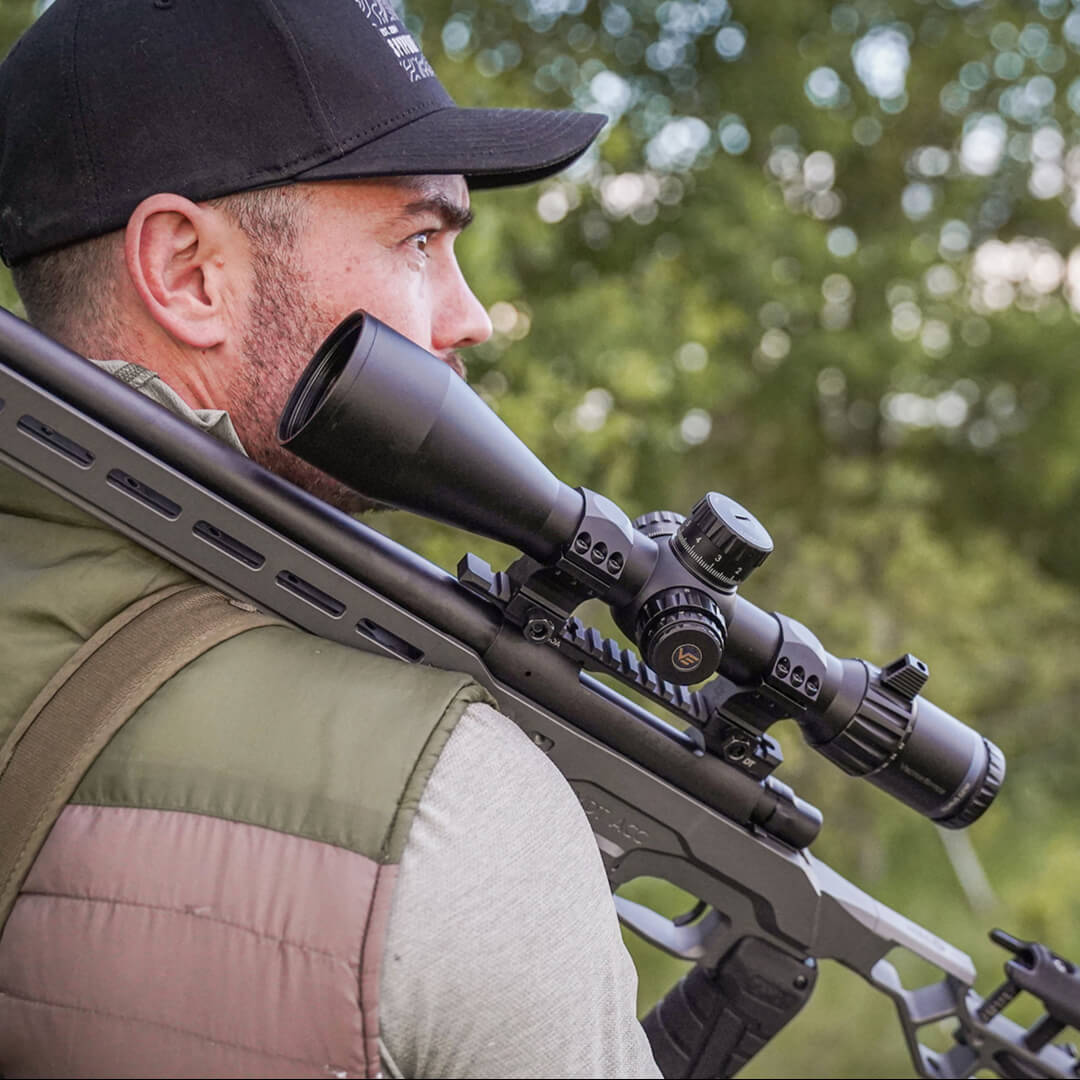
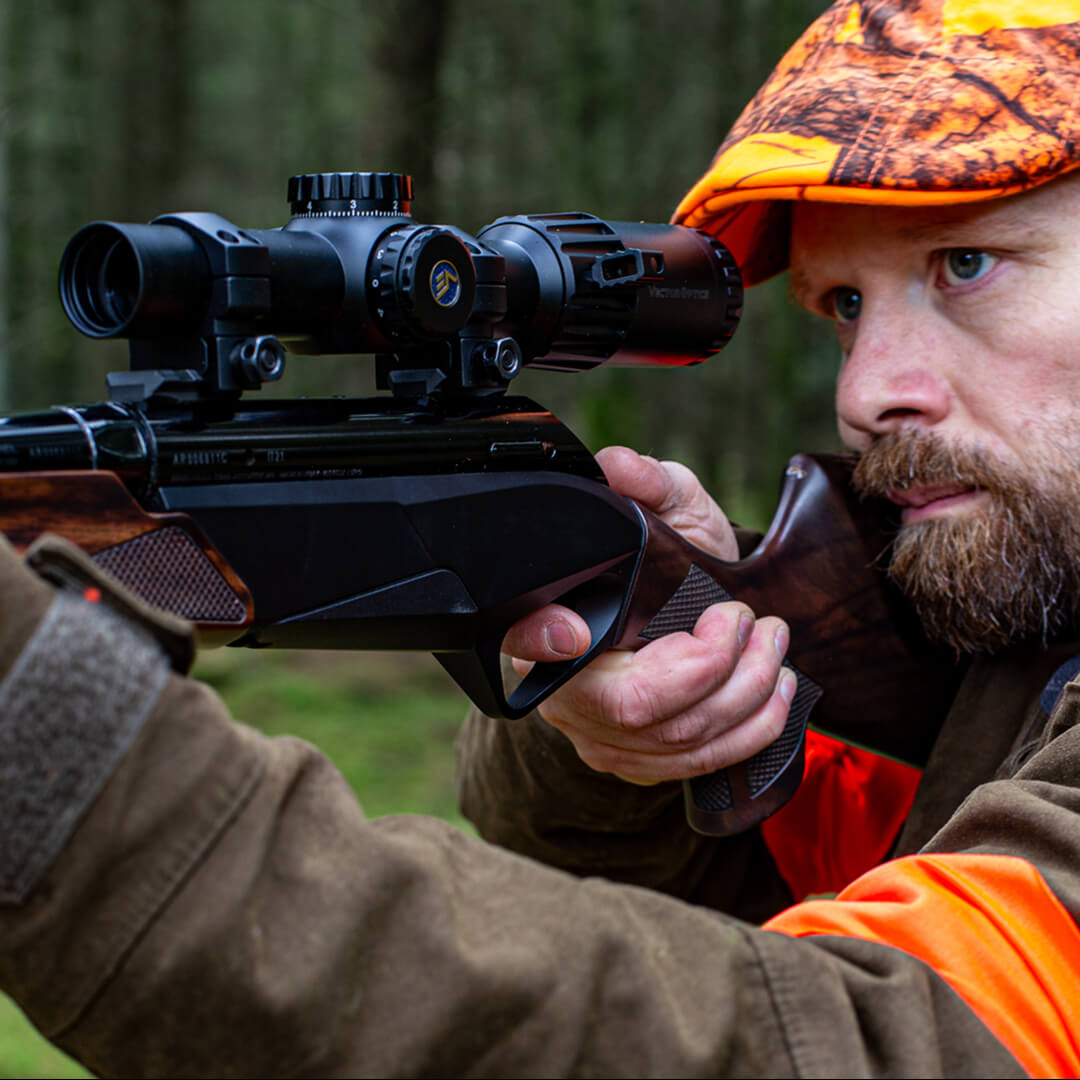
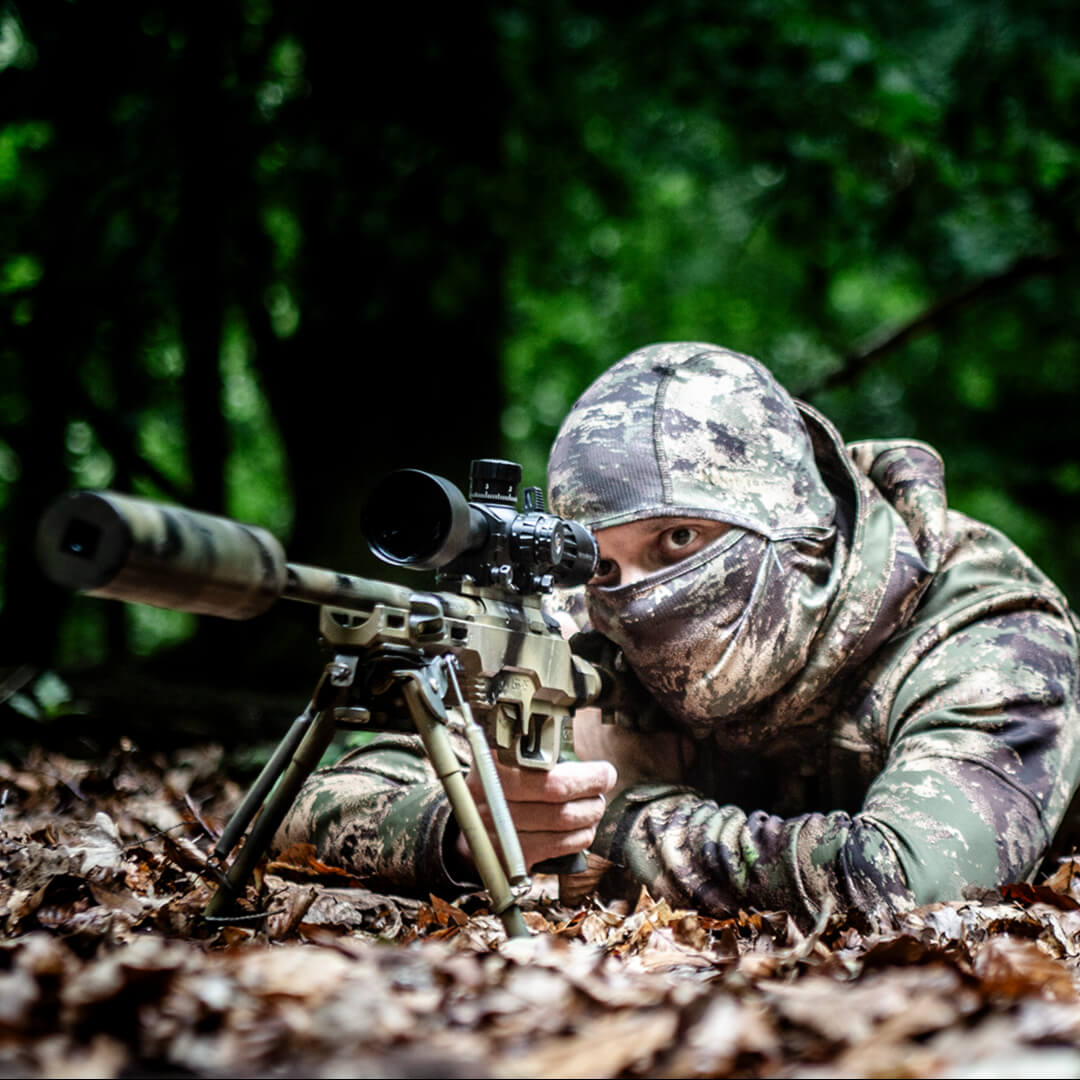
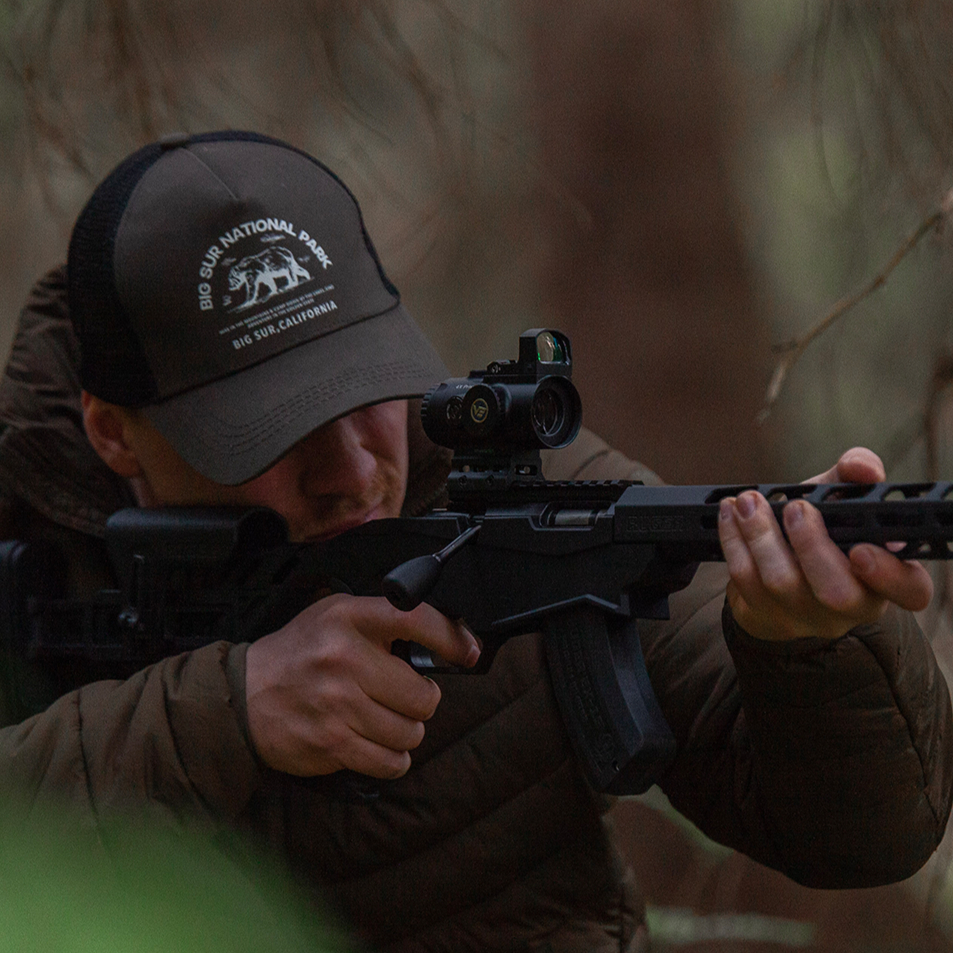
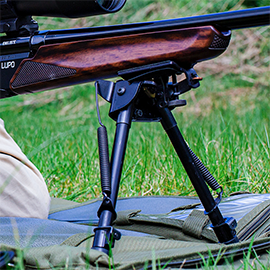
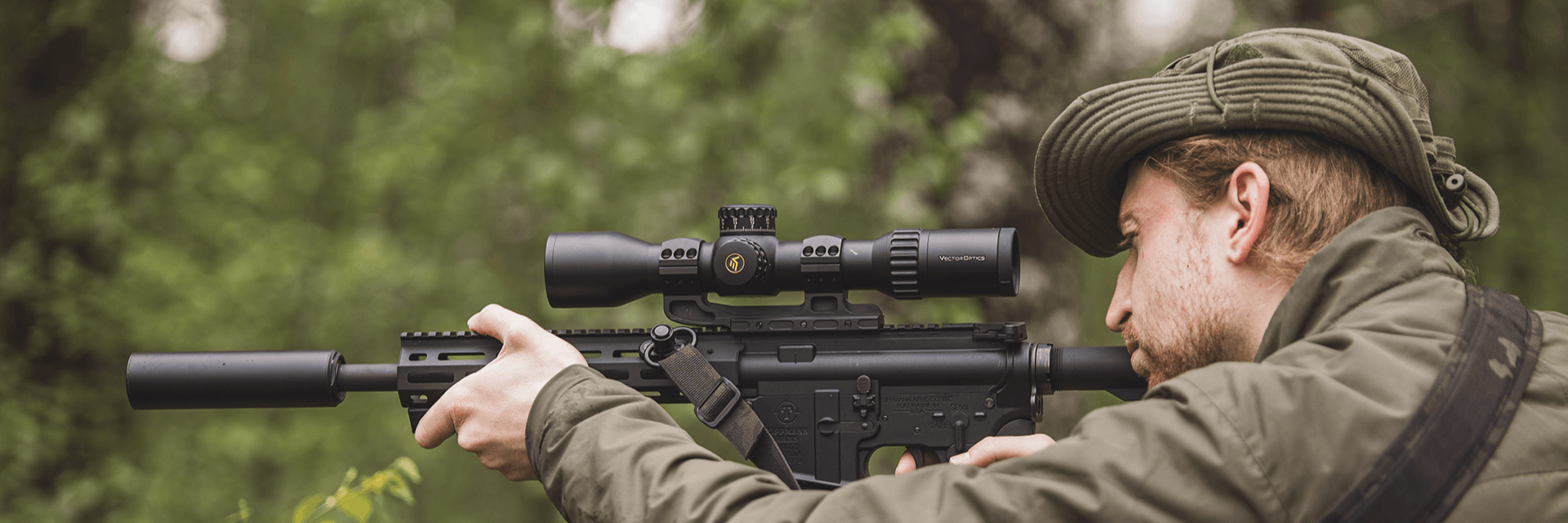
(Testing Outdoors)
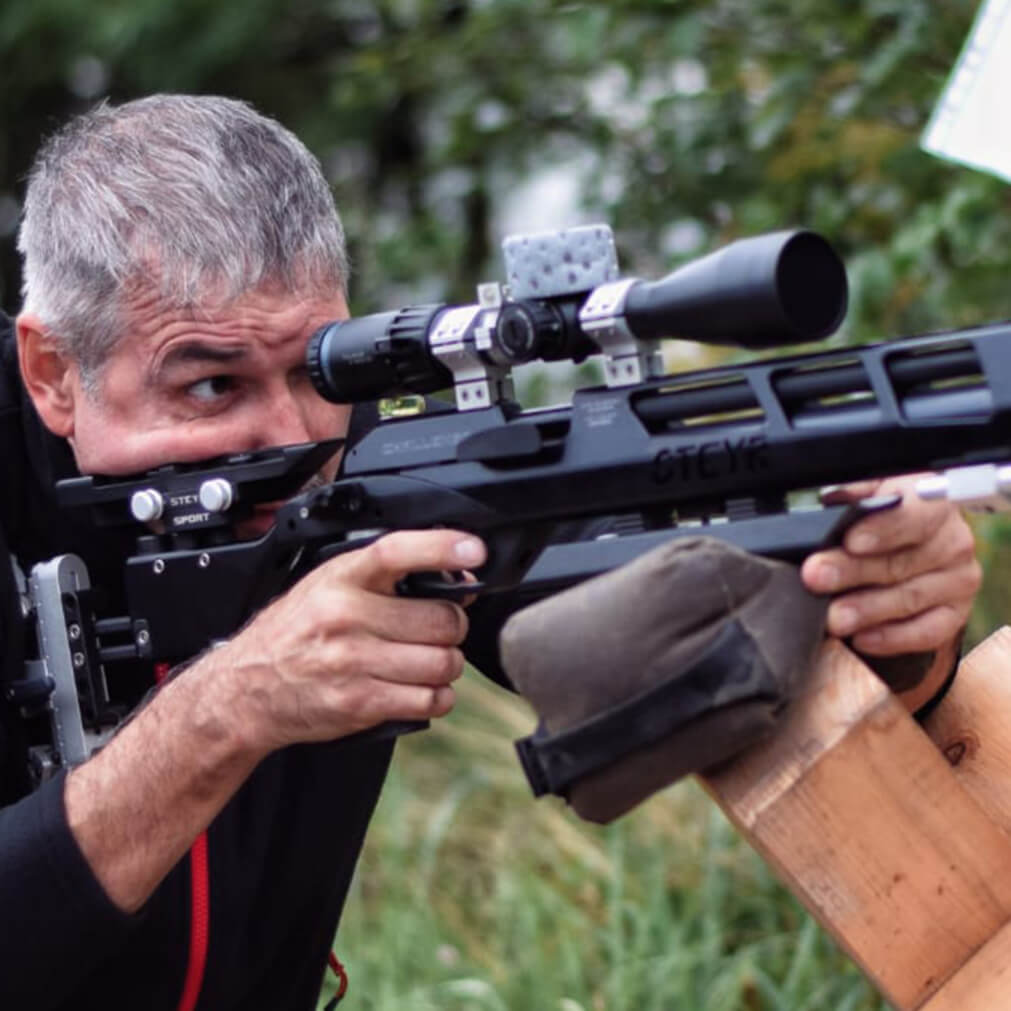
(Testing at the Shooting Range)
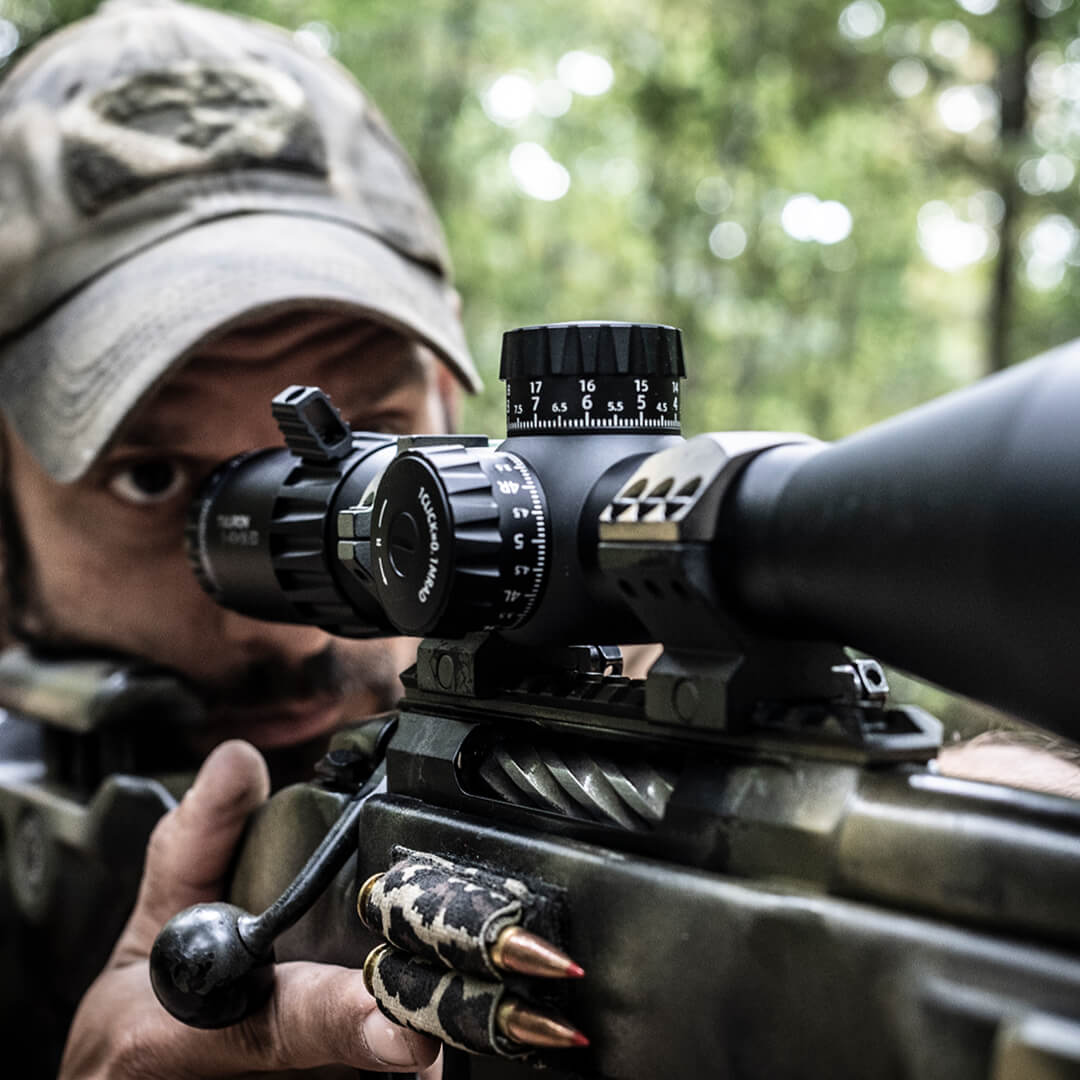
(Testing the LEDs)
If you are interested in original review, please click here to view all.