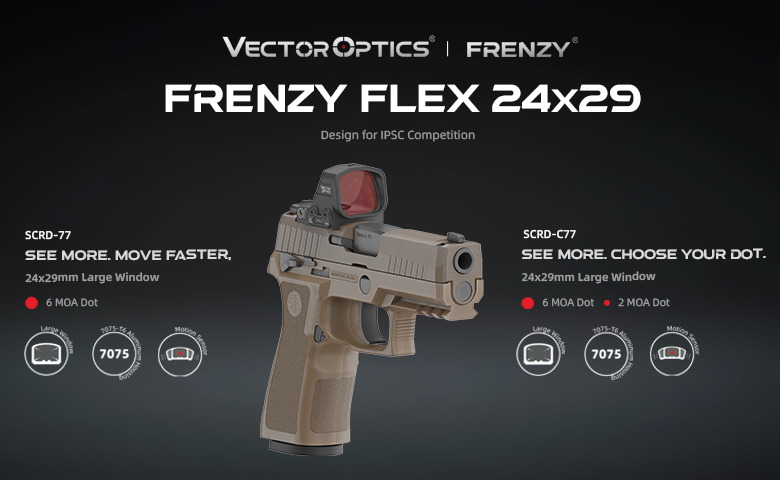
In USPSA competition, equipment and division choice go hand in hand—shaping not only how you compete, but how you build your entire shooting setup. Each division comes with its own rules for firearm type, magazine capacity, caliber, and optics, creating distinct performance characteristics and strategic approaches.
If you're new to USPSA, please go check out our Complete Beginner’s Guide to USPSA Shooting first for a full breakdown of scoring, safety rules, classifications, and more.
In this guide, we’ll break down how these divisions work in detail, and more importantly, how to choose the right red dot setup based on the specific demands of each division.
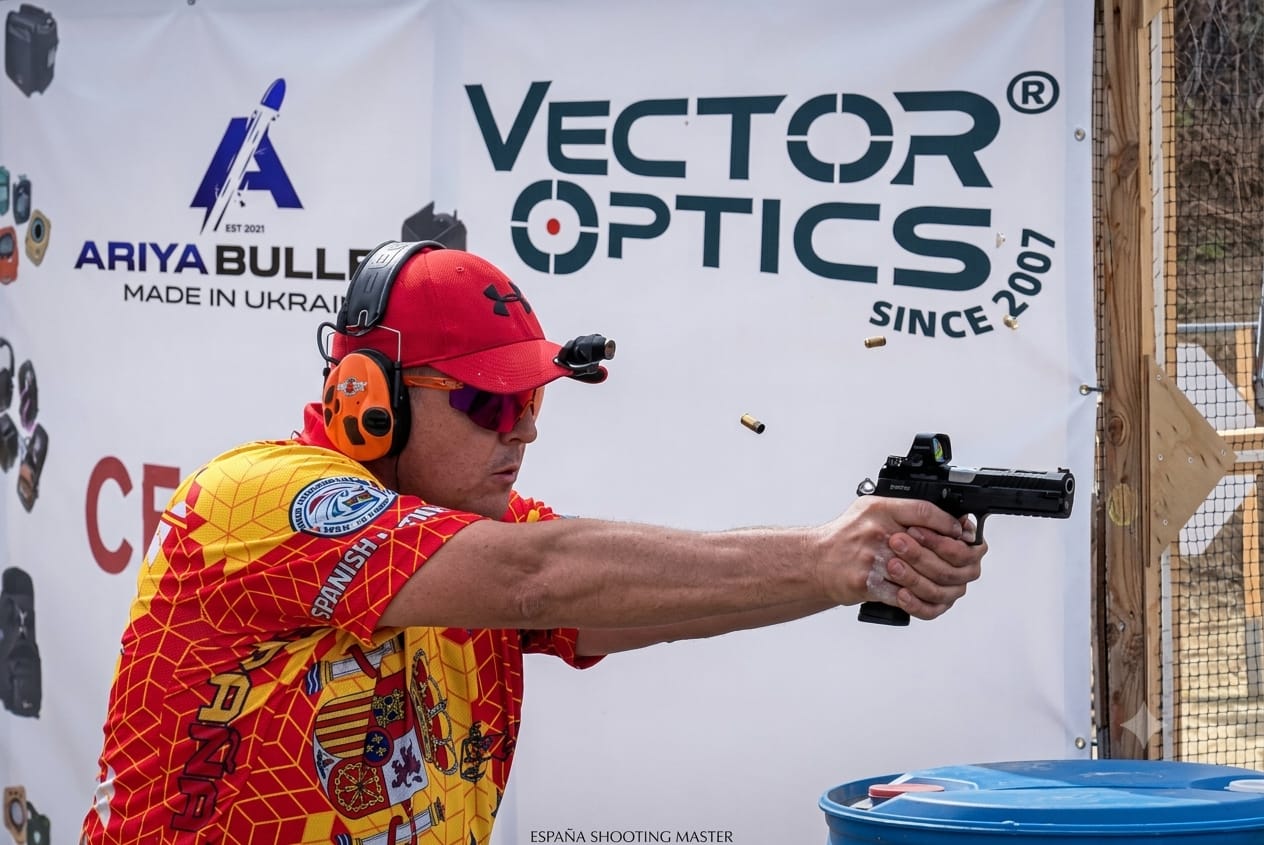
1. What are USPSA Divisions?
The main USPSA divisions include Carry Optics, Limited Optics, Open, PCC (Pistol Caliber Carbine), Limited, Production, Single Stack, Revolver, and Limited 10.
In USPSA competition, divisions are more than just equipment categories—they fundamentally shape how a shooter approaches stage planning, recoil management, and scoring strategy.
While beginners often focus on basic legality (what gun is allowed), experienced competitors understand that each division is defined by three critical variables:
● Magazine Capacity
● Caliber & Power Factor (Minor vs Major)
● Optics & Modifications
These factors directly influence hit factor potential, reload frequency, recoil control, and stage execution speed. With these fundamentals in mind, let’s take a closer look at how each division is structured—and what that means for your equipment choices.
1.1 Carry Optics Division
Carry Optics has become the most popular USPSA division in recent years due to its balance between performance and accessibility.
● Key Equipment Rules
Optics: Slide-mounted red dot only
Caliber: Typically 9mm
Scoring: Minor only
Magazine Capacity: Up to 141.25 mm (~23–24 rounds typical)
● What This Means in Practice
High capacity = fewer reloads
Minor scoring = accuracy matters more than raw power
Slide-mounted optics = slightly more reciprocating mass
● Strategy Insight
Carry Optics is often described as a “speed + consistency” division:
i. Shooters push transitions and movement speed
ii. But must maintain A-zone accuracy due to Minor scoring penalties
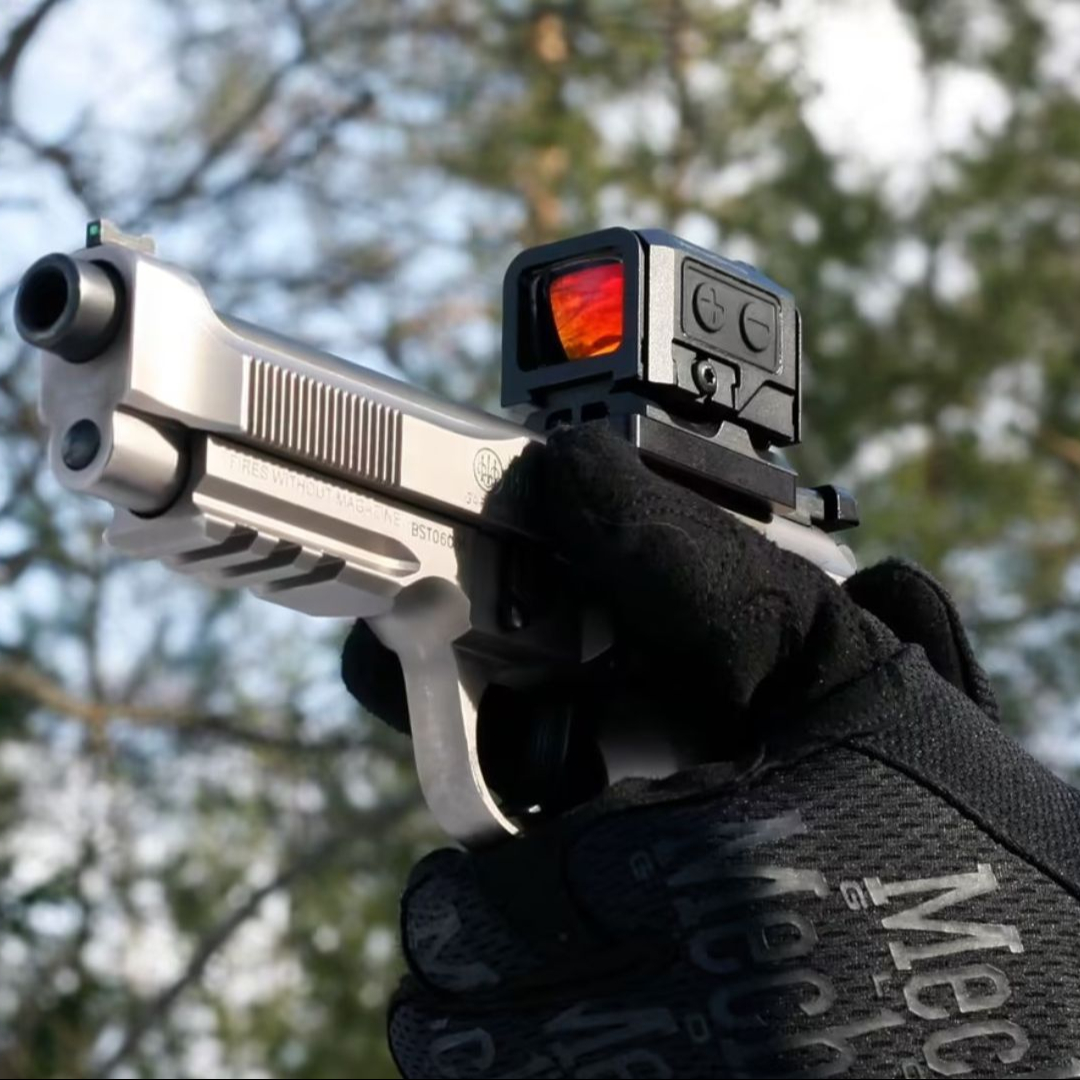
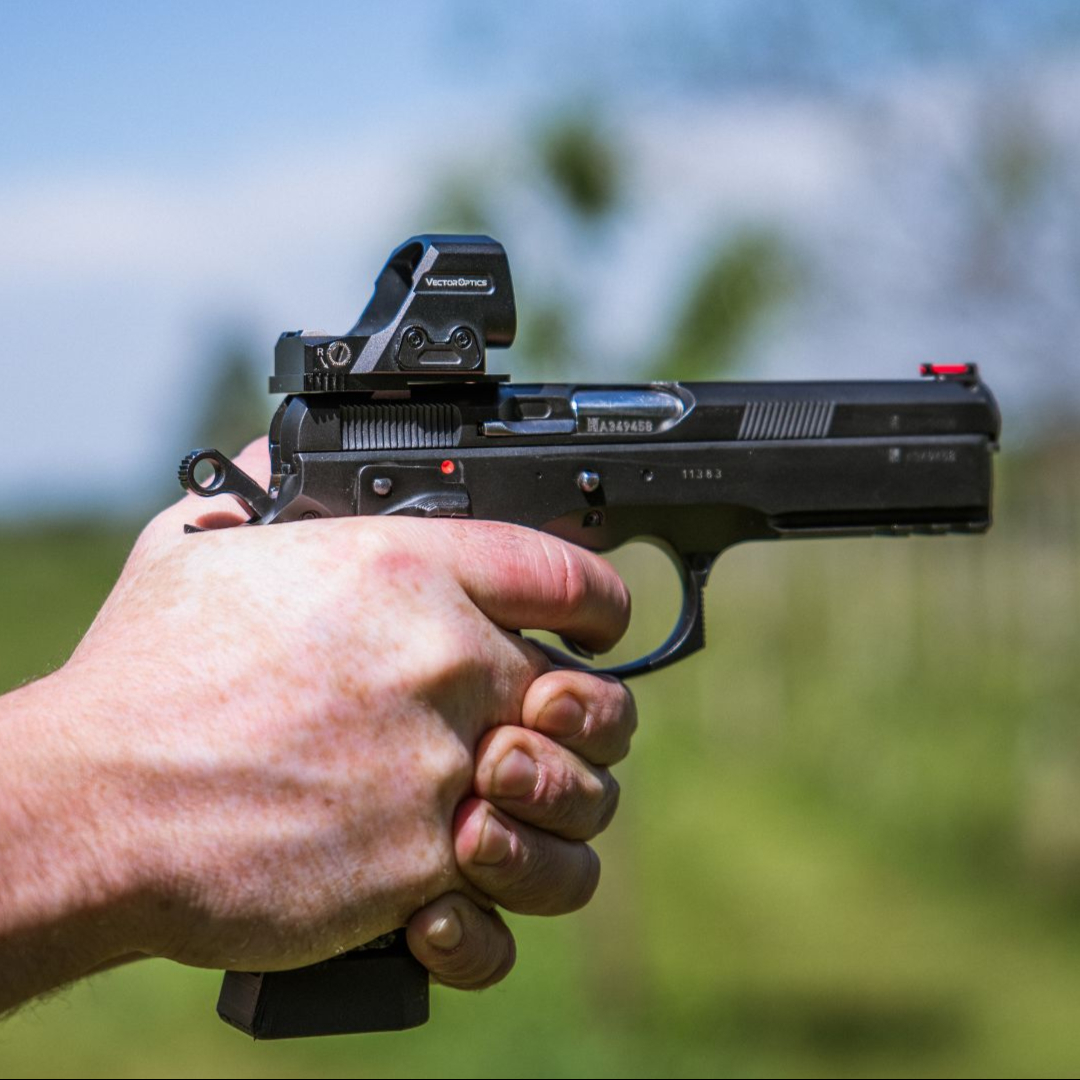
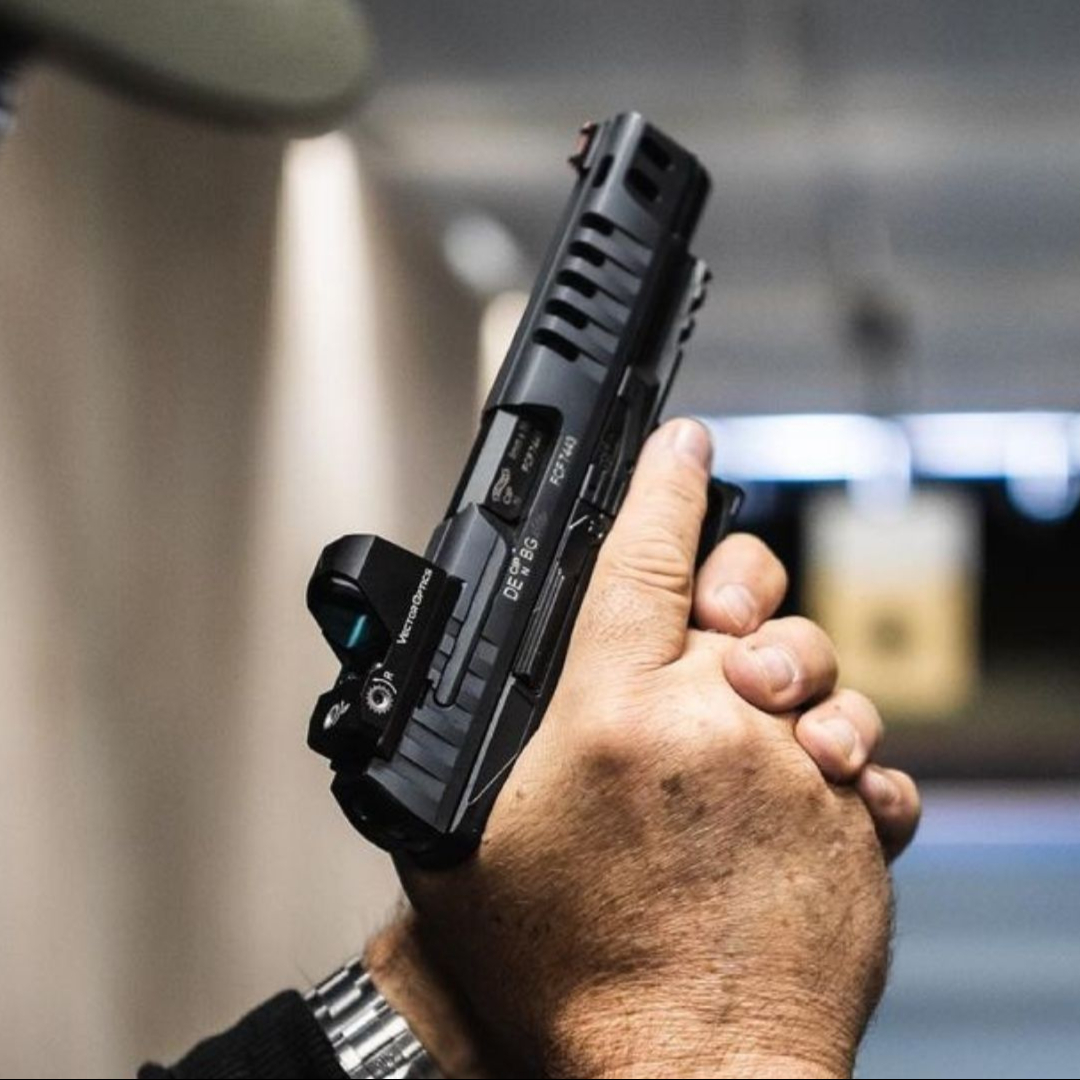
The firearms used in this division must also come from the USPSA Production Gun List and remain mostly stock. Popular pistols in USPSA Carry Optics include the Glock 34 MOS, CZ Shadow 2 OR, Walther PDP Match, SIG Sauer P320 X5 Legion, and Staccato P.
1.2 Limited Optics Division
Limited Optics is essentially a hybrid between Carry Optics and Limited, combining slide-mounted red dots with the higher capacity and performance-oriented setup of Limited division.
● Key Equipment Rules
Optics: Slide-mounted red dot
Caliber: Any (but scored Minor only)
Magazine Capacity: Up to 141.25 mm
Firearms: Allows high-end 2011 platforms
● What Makes It Unique
Combines: CO optics and Limited-style guns (2011, magwell, better triggers)
● Strategy Insight
Better triggers + heavier guns = flatter shooting
Still Minor scoring → accuracy remains critical
Faster splits than Carry Optics due to recoil control advantage
This is why Limited Optics is growing fast; it offers a higher performance ceiling while keeping the setup simple and practical.
1.3 Open Division
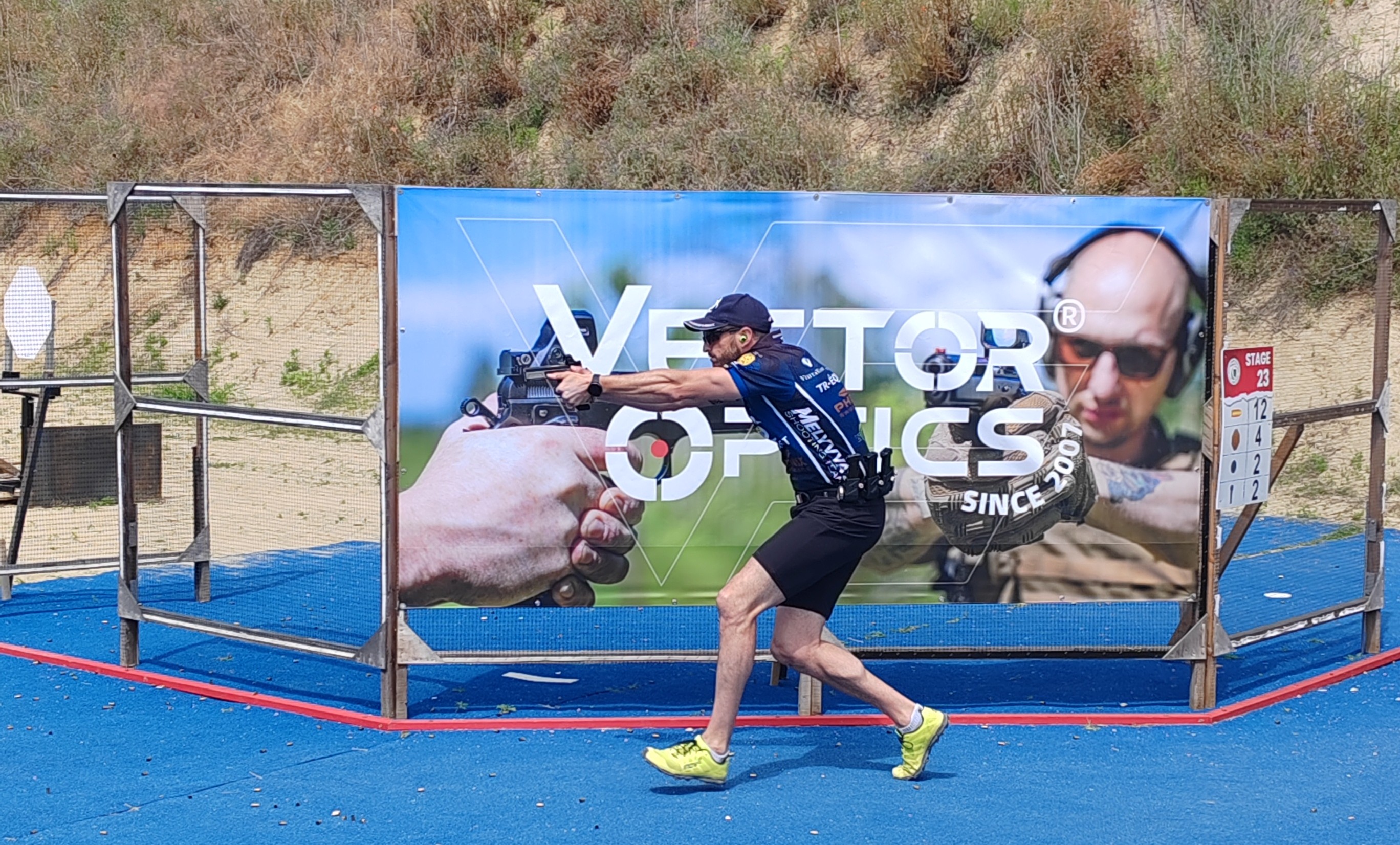
Open Division, the Formula 1 of USPSA, is the most advanced and least restricted division, where cutting-edge gear, high-performance setups, and maximum speed define the game.
● Key Equipment Rules
Optics: Frame-mounted red dots
Caliber: Often 9mm Major
Compensators: Allowed
Magazine Capacity: 170 mm (30+ rounds common)
Scoring: Minor & Major (Major preferred)
● Performance Characteristics
Compensators + Major loads = extremely flat shooting
Frame-mounted optics = stable sight picture (no slide movement)
● Strategy Insight
Maximum speed, minimum recoil disruption
Shooters aggressively “game” stages:
Fewer reloads
Faster splits
More forgiving C-zone hits (Major scoring)
● Trade-Off:
Expensive
Complex tuning (ammo + gun + optic system)
Open division competitors often use highly customized race guns based on the 2011 platform from brands such as Staccato, Atlas Gunworks, and Infinity Firearms.
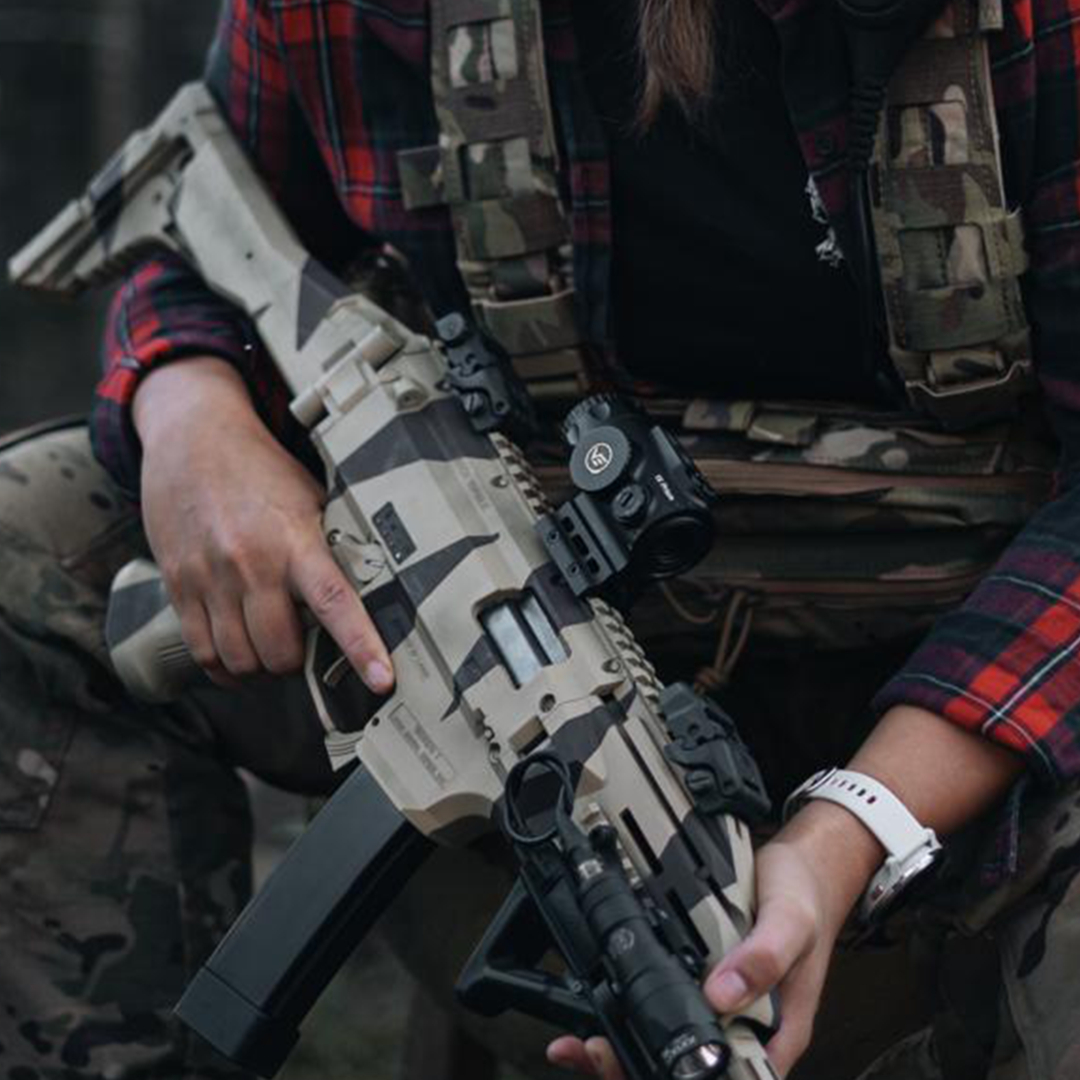
1.4 PCC (Pistol Caliber Carbine) Division
PCC changes the game entirely by shifting the sport toward rifle-like stability, faster target transitions, and a fundamentally different recoil management experience.
● Key Equipment Rules
Platform: PCC
Optics: Allowed
Capacity: High-capacity magazines (30+ rounds typical)
Scoring: Minor only
● Performance Characteristics
3 points of contact (shoulder + both hands) = high stability
Very low recoil
● Strategy Insight
Extremely fast transitions on close targets
Can dominate short & medium-range stages
But:
Movement can be slower
Positioning becomes more important
1.5 Limited Division
Limited Division, the classic “iron sight powerhouse”, focuses on high-capacity pistols with no optics, emphasizing pure shooting fundamentals, fast target transitions, and efficient stage management.
● Key Equipment Rules
Optics: Not allowed
Caliber: Often .40 S&W (Major)
Capacity: 140 mm mags (~20 rounds)
Scoring: Minor & Major
● Strategy Insight
Major scoring is preferred for more forgiving hit values
No optics requires more precise sight alignment and slightly slower target acquisition
This creates a very distinct playstyle that accepts slightly worse hits in exchange for gaining time through reduced aiming requirements.
For pistols, Limited and Limited Optics divisions often feature high-performance 2011-style pistols from manufacturers such as Staccato, STI (now Staccato), Atlas Gunworks, and Tanfoglio.
1.6 Production Division
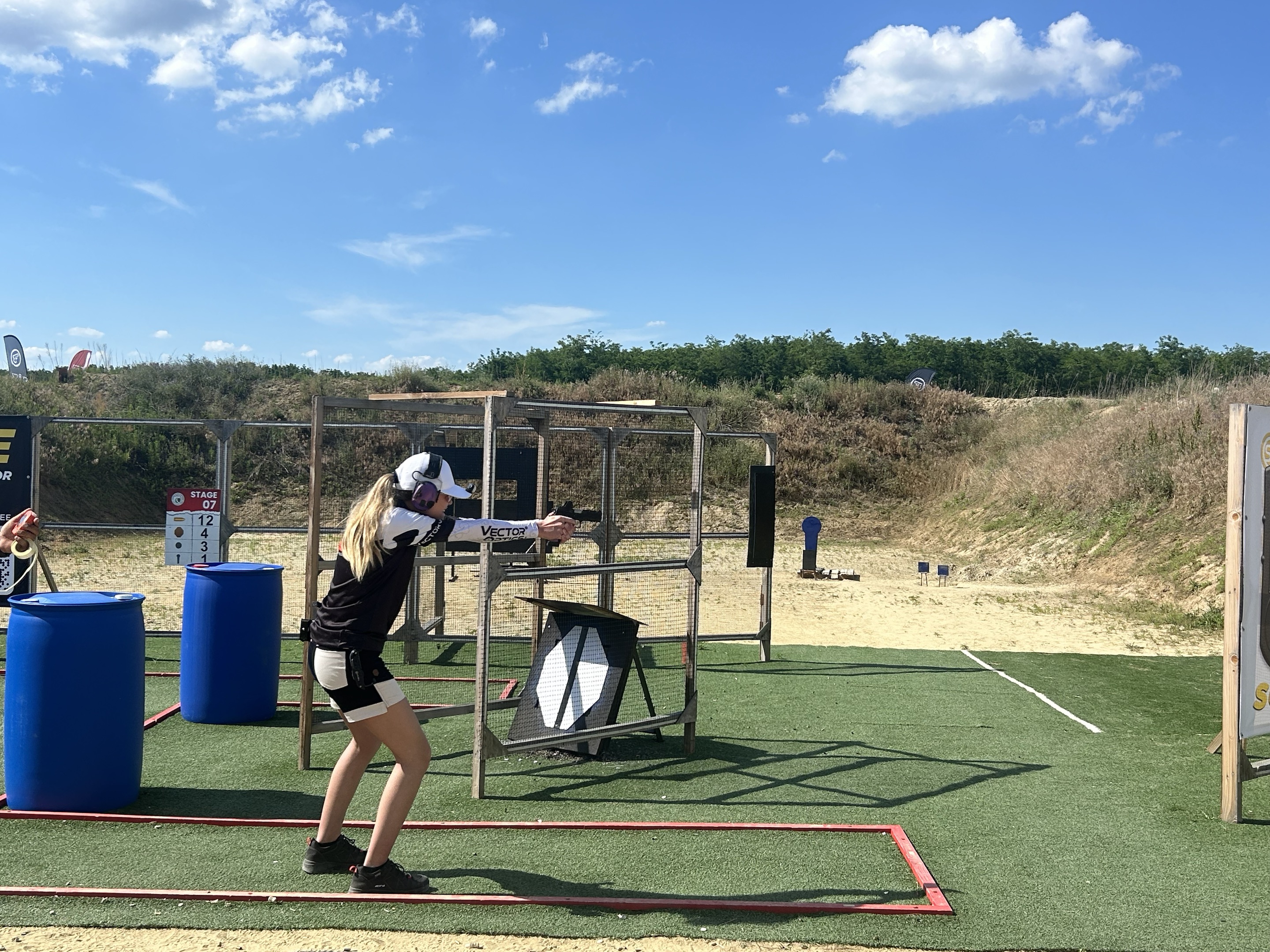
Production Division is the most standardized division, built around largely stock pistols with strict equipment rules that emphasize fairness, consistency, and shooter skill over gear advantages.
● Key Equipment Rules
Optics: Not allowed
Caliber: 9mm
Capacity: 10 rounds (strict limit)
Scoring: Minor only
Gun List: Must be on USPSA Production Gun List
● Strategy Insight
Low capacity = frequent reloads
Minor scoring = accuracy is critical
Production is often where shooters develop stage planning discipline, reload efficiency, and strong fundamental shooting skills.
Common pistols seen in USPSA Production include models such as the Glock 17, Glock 34, CZ Shadow 2, SIG Sauer P320, and Walther PDP.
1.7 Single Stack Division
Single Stack Division is a nod to tradition with modern competition pressure, built around classic 1911-style pistols that demand precision, discipline, and efficient stage management under limited capacity.
● Key Equipment Rules
Platform: 1911-style single-stack pistols
Capacity: 8 rounds (Major), 10 rounds (Minor)
● Strategy Insight
Extremely reload-heavy
Rewards: Precision, Stage planning, Shot discipline
1.8 Revolver Division
Revolver Division is the most mechanically demanding division, using revolvers with limited capacity and heavier triggers, which demand strong fundamentals, careful shot placement, and highly efficient reload techniques.
● Key Equipment Rules
Capacity:
6 rounds (Major)
8 rounds (Minor)
Reloads: Manual (speedloader / moon clips)
● Strategy Insight
Reload efficiency = everything
Requires perfect stage planning
1.9 Limited 10 Division
Limited 10 Division is a compliance-driven division, similar to Limited but restricted to 10-round magazines, emphasizing stricter capacity management and more frequent reloads.
● Key Equipment Rules
Same as Limited
Capacity capped at 10 rounds
● Why It Exists
Designed for regions with magazine restrictions
The nine USPSA divisions differ in equipment rules and shooting characteristics, as shown in the table below. These differences help explain how each setup affects overall shooting performance.
Division | Platform | Optics | Typical Caliber | Power Factor | Magazine Capacity | Typical Firearms |
Carry Optics | Semi-auto pistol | Slide-mounted red dot | 9mm | Minor only | ~23–24 (141.25mm) | Glock 34 MOS, Shadow 2 OR, Walther PDP |
Limited Optics | Semi-auto pistol (incl. 2011) | Slide-mounted red dot | 9mm / .40 | Minor only | ~23–24 (141.25mm) | Staccato P, Atlas 2011 |
Open | Race gun (2011-style) | Frame-mounted red dot | 9mm Major | Minor & Major (Major Preferred) | 30+ (170mm) | Custom 2011 race guns |
PCC (Pistol Caliber Carbine) | Carbine (rifle platform) | Red dot / optic allowed | 9mm | Minor only | 30+ | AR-9 platforms, SIG MPX, CZ Scorpion, Ruger PC Carbine |
Limited | Semi-auto pistol (2011 common) | Iron sights only | .40 S&W (Major) | Minor & Major | ~20 (140mm) | 2011 pistols, Tanfoglio Stock II |
Production | Semi-auto pistol (stock) | Iron sights only | 9mm | Minor only | 10 rounds | Glock 17, CZ Shadow 2, SIG P320 |
Single Stack | 1911 pistol | Iron sights only | .45 ACP / 9mm | Minor & Major | 8 (Major) / 10 (Minor) | 1911 pistols (Springfield Armory, Colt, Dan Wesson) |
Revolver | Revolver | Iron sights / optional optic (rules dependent) | .38 / .357 / 9mm | Minor & Major | 6 (Major) / 8 (Minor) | Smith & Wesson 625, S&W 929, Ruger GP100 |
Limited 10 | Semi-auto pistol | Iron sights only | .40 S&W | Minor & Major | 10 rounds | 2011 pistols, Tanfoglio Stock II, CZ Tactical Sport |
These differences also affect how shooters choose their equipment in practice. Next, we’ll look at how to select the right red dot for each setup.
2. How to Choose Red Dot Sights for Different USPSA Divisions?
In USPSA competition, not all divisions allow optics, but in those that do, red dot selection directly impacts speed, target acquisition, and stage performance.
Divisions such as Carry Optics, Limited Optics, Open, and PCC all permit optical sights, yet each imposes different demands based on recoil behavior, platform stability, shooting pace, and stage strategy.
Therefore, competitive shooters select optics based less on preference and more on how well the optic matches the performance profile of the division.
2.1 What does a Carry Optics Setup Require for Red Dot Selection?
Carry Optics is one of the most balanced divisions in USPSA, combining fast-paced shooting with strict equipment limitations. Shooters typically run slide-mounted pistols, which means the optic must perform consistently through continuous recoil cycles while supporting rapid transitions between targets.
Key Characteristics:
● Slide-mounted pistol platform
● Moderate recoil movement during firing
● High focus on transition speed and consistency
● Frequent target-to-target engagement
Red dot requirements:
● Clear and crisp dot visibility
● Fast target acquisition under recoil
● Stable tracking during rapid fire
● Reliable performance across long stages
For shooters looking to balance speed, precision, and everyday practicality, here are some popular choices in Carry Optics competition:
2.2 What does a Limited Optics Setup Require for Red Dot Selection?
Limited Optics builds on higher-performance pistols, often using 2011-style platforms with improved triggers and recoil characteristics. This allows shooters to push speed more aggressively, especially during sustained strings of fire.
Key Characteristics:
● Heavier competition pistol platforms
● Faster split times compared to Carry Optics
● More aggressive shooting rhythm
● Improved recoil control from platform weight
Red dot requirements:
● Larger sight window for faster transitions
● High durability under fast shooting pace
● Clear dot stability during recoil cycles
● Smooth tracking during rapid transitions
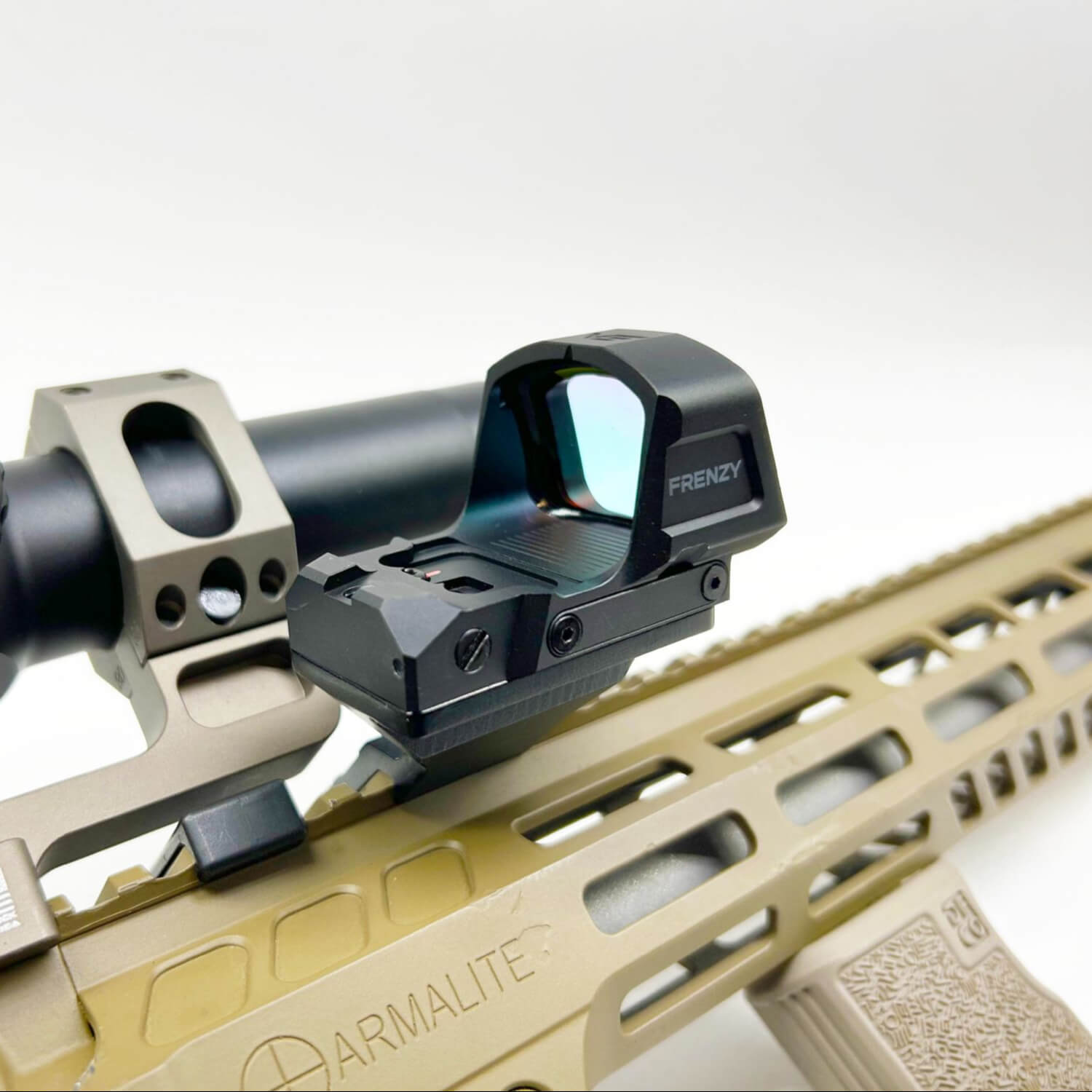
Optics play a critical role here. A clean, fast reticle system — especially modern competition red dots with multi-reticle designs like the Frenzy FLEX Red Dot series — can greatly enhance target acquisition and improve dot tracking through recoil.
Highly recommended red dot sights are as follows:
2.3 What does an Open Division Setup Require for Red Dot Selection?
Open Division represents the highest level of USPSA equipment freedom, where compensated pistols and frame-mounted optics dramatically reduce recoil effects. The focus here is maximum speed and efficiency with minimal visual disruption.
Key Characteristics:
● Compensated race gun platforms
● Frame-mounted optic systems
● Extremely low recoil impulse
● High-speed stage execution style
Red dot requirements:
● Wide field of view for fast target acquisition
● High brightness for outdoor visibility
● Stable performance in ultra-fast transitions
● Clear dot under varying lighting conditions
The following optics are designed to support the speed and visibility that Open Division shooters often seek:
2.4 What does a PCC Setup Require for Red Dot Selection?
PCC changes the shooting dynamic significantly by offering a rifle-platform stability advantage. With minimal recoil and high magazine capacity, shooters focus more on transitions and stage flow than recoil management.
Key Characteristics:
● Rifle-style platform with minimal recoil
● Very fast target transitions
● Longer engagement distances
● High round-count stage efficiency
Red dot requirements:
● Fast and predictable dot tracking
● Wide viewing window for multiple targets
● Smooth visual transition during movement
● High stability under rapid engagement
For PCC shooters, the following optics provide a combination of fast acquisition and practical field of view:
Each division places different demands on red dot performance based on recoil, platform, and shooting pace. For easier comparison, see the table below.
Division | Shooting Characteristics | Optic Requirements |
Carry Optics | Balanced speed + accuracy, slide movement | • Clear and crisp dot • Fast target acquisition • Reliable tracking during recoil |
Limited Optics | Heavier pistols, faster splits, better recoil control | • Larger window • High durability • Stable performance under fast transitions |
Open | Maximum speed, compensator, minimal recoil | • Wide field of view • High brightness for outdoor visibility • Frame-mounted stability advantage |
PCC | Highly stable platform, fast transitions | • Fast dot tracking • Wide viewing window • Minimal visual lag during movement |
Choosing the right red dot ultimately comes down to matching optic characteristics with how each division is actually shot in competition. With this in mind, shooters can make more informed decisions that improve both speed and consistency on stage.
For those looking to build a solid foundation, revisit our Complete Beginner’s Guide to USPSA Shooting for a deeper understanding of scoring, safety rules, and classification.